Caladium ‘Rosebud’ (Angel Wings): A Complete Guide for Plant Enthusiasts
Caladium ‘Rosebud’, commonly known as Angel Wings, is a captivating tropical plant renowned for its vibrant and striking foliage. The intricate patterns and delicate colors of its leaves make it a favorite among plant aficionados who seek to add a touch of elegance and beauty to their indoor or outdoor spaces. This comprehensive guide aims to provide valuable insights into the cultivation, care, and maintenance of Caladium ‘Rosebud’, along with its various uses, common diseases, and more.
What is Caladium ‘Rosebud’ (Angel Wings)?
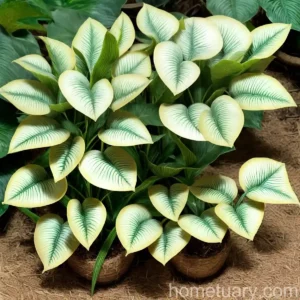
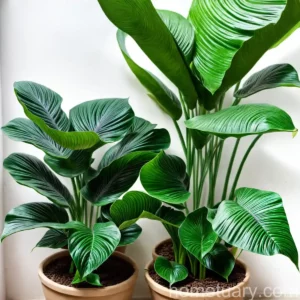
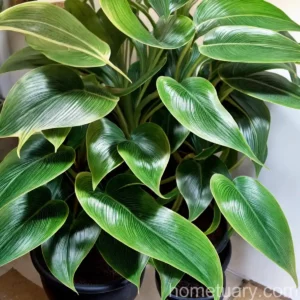
Caladium ‘Rosebud’, also referred to as Angel Wings, is a tropical plant that belongs to the Araceae family. It is prized for its large, heart-shaped leaves that display a spectacular blend of colors, featuring intricate patterns with hues of pink, red, green, and white. This ornamental plant is predominantly cultivated for its foliage, making it an exquisite addition to any garden, patio, or indoor space.
The name “Angel Wings” is derived from the unique appearance of the plant’s leaves, which bear a resemblance to the graceful and ethereal wings of an angel. The striking foliage of Caladium ‘Rosebud’ often serves as a focal point in landscaping and interior décor, adding a touch of sophistication and charm to any environment.
Key Takeaways – Caladium ‘Rosebud’ (Angel Wings)
Culture
- Scientific Name: Caladium bicolor
- Common Names: Angel Wings, Caladium ‘Rosebud’
- Family: Araceae
- Origin: South America
- Growth Habit: Herbaceous
Uses
- Ornamental: Primarily grown for its attractive foliage
- Landscaping: Adds color and visual interest to gardens and landscapes
- Indoor Décor: Enhances indoor spaces with its vibrant foliage
- Container Gardening: Well-suited for containers and planters
Water
- Watering Frequency: Prefers consistently moist soil
- Watering Method: Apply water directly to the soil to avoid wetting the foliage
- Avoid Overwatering: Excessively soggy soil can lead to root rot
- Humidity: Thrives in high humidity environments, especially during the growing season
Sunlight
- Light Requirements: Thrives in partial shade to full shade
- Avoid Direct Sunlight: Direct sun can scorch the delicate foliage
- Indoor Placement: Ideal for locations with bright, indirect light
Fertilizer
- Fertilization Schedule: Apply a balanced, water-soluble fertilizer every 4-6 weeks during the growing season
- Avoid Over-Fertilizing: Excessive fertilization can lead to leaf burn
- Use a Dilute Solution: Mix the fertilizer at half the recommended strength
Soil
- Preferred Soil Type: Well-draining, rich, and slightly acidic soil
- Potting Mix: A blend of peat, perlite, and pine bark is suitable for container planting
- Avoid Compacted Soil: Soil compaction can hinder root development and drainage
Pruning
- Pruning Needs: Remove yellowing or damaged leaves to maintain plant health and aesthetics
- Pruning Frequency: As needed throughout the growing season
- Use Clean Tools: Sterilize pruning tools to prevent the spread of diseases
Propagation
- Propagation Methods: Division of tubers, which can be subdivided into sections with at least one eye each
- Timing: Best performed during the spring when new growth begins
- Potting Medium: Utilize a moist, well-draining potting mix for propagating tuber divisions
Container Popularity
- Well-Suited for Containers: Thrives in containers both indoors and outdoors
- Container Size: Opt for a spacious container to accommodate the plant’s root system
- Drainage Holes: Ensure proper drainage by using containers with drainage holes
Common Diseases
- Fungal Diseases: Potential susceptibility to leaf spot and root rot
- Preventive Measures: Avoid overwatering and ensure adequate air circulation
- Treatment: Use fungicidal sprays to combat fungal infections
Disease Diagnosis
- Visual Symptoms: Yellowing or browning of the leaves, wilting, and stunted growth
- Examine the Roots: Check for rotting or discolored roots as indications of root rot
- Consult a Plant Specialist: Seek professional guidance for accurate diagnosis and treatment
Common Pests
- Pest Types: Mealybugs, aphids, and spider mites
- Inspect Regularly: Routinely check the undersides of leaves and along the stems for pest activity
- Natural Predators: Encourage the presence of beneficial insects like ladybugs
Botanist’s Tips
- Temperature Tolerance: Angel Wings thrive in temperatures ranging from 65-85°F (18-29°C).
- Indoor Placement: When growing indoors, ensure adequate indoor humidity levels through the use of a humidifier or a pebble tray filled with water.
- Rotate Containers: Rotate potted Angel Wings periodically to promote even growth and prevent the plant from leaning towards the light source.
- Protection from Drafts: Shield the plant from cold drafts and sudden temperature fluctuations to prevent stress-induced leaf damage.
- Regular Inspections: Keep a close eye on the plant for signs of pests and diseases, addressing any issues promptly.
Fun Facts
- The intricate patterns on Angel Wings leaves are unique to each plant, displaying a beautiful array of color combinations.
- Caladium ‘Rosebud’ plants are commonly used in tropical landscaping and are often featured in shaded garden beds and borders.
- The vibrant foliage of Angel Wings provides an enchanting backdrop for other shade-loving plants, creating visually stunning combinations.
Links to External Resources
To further enhance your knowledge and understanding of Caladium ‘Rosebud’ (Angel Wings) plants, explore the following resources:
- The Spruce – Caladium Plant Profile
- University of Florida IFAS Extension – Caladiums for Florida Gardens
- The American Society for the Prevention of Cruelty to Caladiums
In conclusion, Caladium ‘Rosebud’ (Angel Wings) is a captivating plant that captivates with its stunning foliage and graceful presence. By following the care tips and guidelines outlined in this comprehensive guide, you can cultivate and maintain these remarkable plants with confidence, creating an enchanting display of color and elegance in your living spaces and gardens. Whether adorning shaded garden beds, brightening indoor settings, or adding allure to container arrangements, Caladium ‘Rosebud’ is sure to leave a lasting impression with its angelic beauty.
Remember to share the joy of nurturing these exquisite plants with fellow enthusiasts, and continue to explore the fascinating world of horticulture and botanical wonders.
Happy planting!