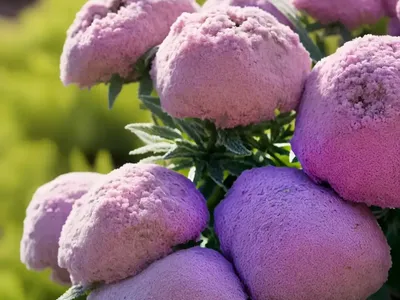
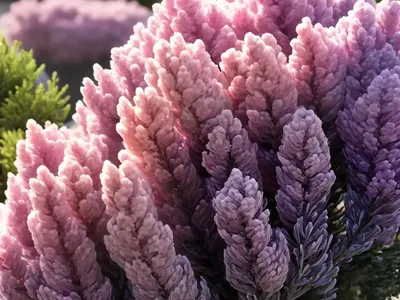
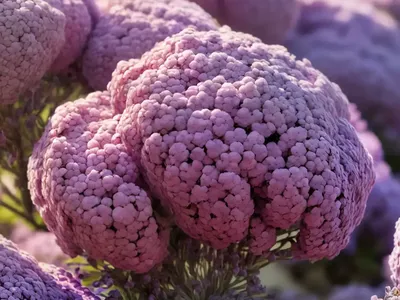
Calluna Vulgaris ‘Wickwar Flame’ (Heather)
Plants are incredible organisms that contribute immensely to the beauty of our environment. Calluna vulgaris ‘Wickwar Flame’ or Heather, is a stunning.
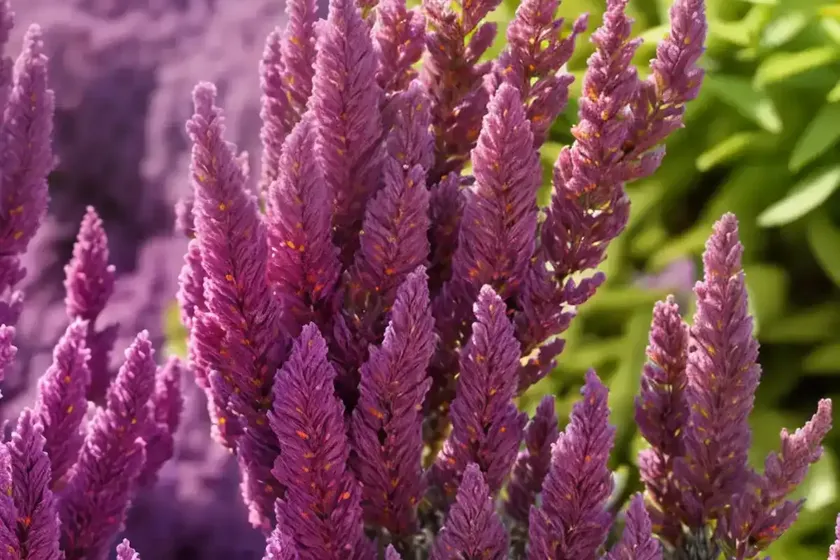
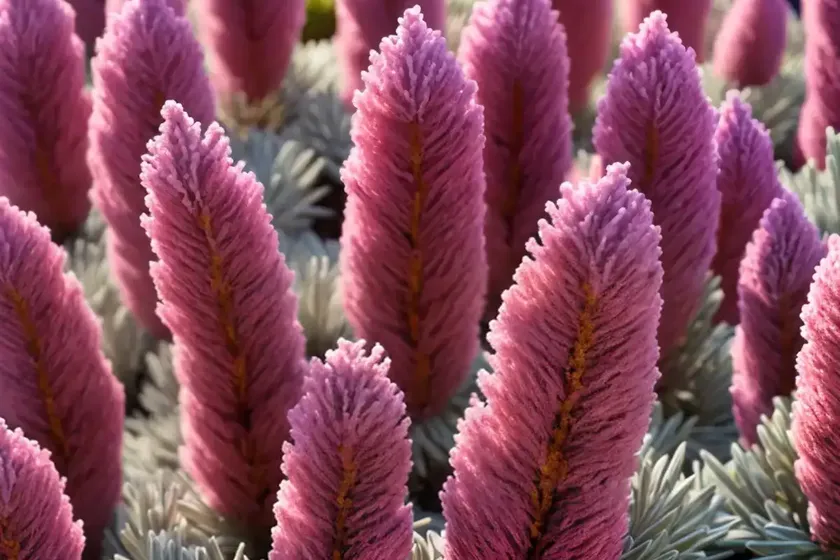
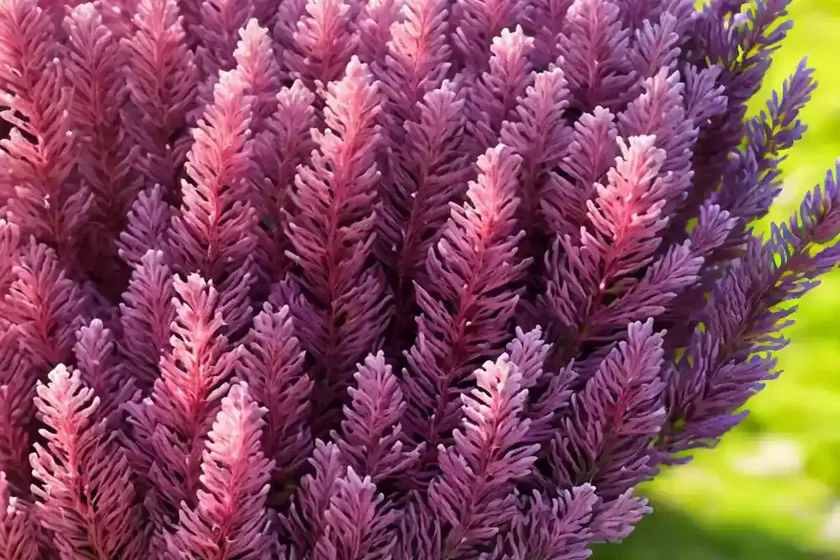
Plants are incredible organisms that contribute immensely to the beauty of our environment. Calluna vulgaris ‘Wickwar Flame’ or Heather, is a stunning plant known for its vibrant colors and exceptional hardiness. This blog post will serve as a comprehensive guide to understanding, growing, and caring for Calluna vulgaris ‘Wickwar Flame.’ We will explore its culture, uses, requirements, and much more. Let’s dive in and unravel the captivating world of Heather!
What is Calluna vulgaris ‘Wickwar Flame’ (Heather)?
Calluna vulgaris ‘Wickwar Flame,’ commonly known as Heather, is a perennial plant that belongs to the Ericaceae family. This variety is particularly cherished for its vibrant foliage and abundant flowering. Native to Europe and Asia, it has found its way into gardens and landscapes worldwide due to its exceptional ornamental value.
Key Takeaways – Calluna vulgaris ‘Wickwar Flame’ (Heather)
Before delving deeper into the specifics of this captivating plant, let’s outline some key takeaways that will guide our exploration:
- Scientific Name: Calluna vulgaris ‘Wickwar Flame’
- Common Name: Heather
- Family: Ericaceae
- Native Habitat: Europe and Asia
- Ornamental Qualities: Vibrant foliage and abundant flowering
- Cultural Characteristics: Highly adaptable and hardy
- Uses: Ornamental, landscaping, and medicinal
- Special Features: Drought-tolerant and attractive to wildlife
- Growing Environment: Thrives in well-drained acidic soils
Now that we have an overview of the essential attributes of Calluna vulgaris ‘Wickwar Flame,’ let’s explore its specific characteristics and the best practices for cultivating and caring for this captivating plant.
Culture
Understanding the cultural requirements of Calluna vulgaris ‘Wickwar Flame’ is fundamental to successfully nurturing this stunning plant. From soil preferences to watering needs, here’s a comprehensive look at the cultural aspects of Heather.
Uses
Heather, with its striking appearance, serves various purposes that extend beyond mere ornamental value. Understanding its uses can provide insights into the diverse ways in which this plant can enrich our lives and environment.
Landscaping and Ornamental Use
One of the primary uses of Calluna vulgaris ‘Wickwar Flame’ is its ornamental value. With its vibrant foliage and abundant flowering, this variety of Heather is extensively used in landscaping to add color, texture, and visual interest to gardens, parks, and natural areas. It is particularly prized for its ability to thrive in harsh conditions, making it a valuable asset in creating captivating landscapes.
Medicinal and Therapeutic Applications
Heather has also been historically utilized for its medicinal properties. From traditional remedies to modern herbal applications, various parts of the plant have been used for their potential therapeutic benefits. For instance, Heather has been employed in herbal medicine to address issues related to the urinary tract and kidney health. It’s essential to consult with healthcare professionals before using any plant for medicinal purposes.
With a clear understanding of the diverse uses of Calluna vulgaris ‘Wickwar Flame,’ we can appreciate its versatility and value in various contexts. Now, let’s delve into the specific cultural requirements necessary for the successful growth and maintenance of Heather.
Water
Proper watering is essential for the health and vitality of Calluna vulgaris ‘Wickwar Flame.’ Understanding its water requirements and implementing appropriate watering practices is crucial for its overall well-being.
Watering Guidelines
Heather plants generally prefer well-drained, slightly acidic soils. Overly wet or waterlogged conditions can be detrimental to their health, leading to root rot and other issues. It’s essential to strike a balance in watering, ensuring that the soil is moist but not excessively wet.
In the absence of significant rainfall, it is advisable to water Heather plants deeply but infrequently, allowing the soil to partially dry out between watering sessions. This watering approach encourages the development of a robust and resilient root system while preventing water-related ailments.
Sunlight
Understanding the sunlight requirements of Calluna vulgaris ‘Wickwar Flame’ is crucial for providing an optimal growing environment for this resilient plant.
Sunlight Needs
Heather plants thrive in locations with ample sunlight. They generally require full sun to part shade, preferring at least six hours of direct sunlight per day. Adequate sunlight exposure promotes healthy growth, abundant flowering, and vibrant foliage, enhancing the ornamental appeal of the plant.
When selecting a site for planting Heather, prioritize locations that receive sufficient sunlight, especially during the growing season. This ensures that the plant can harness the energy it needs for photosynthesis and overall development.
Fertilizer
Appropriate fertilization practices play a pivotal role in supporting the growth and vigor of Calluna vulgaris ‘Wickwar Flame.’ Understanding the fertilizer requirements of Heather plants is essential for nurturing them to their full potential.
Fertilizer Application
Heather plants thrive in nutrient-poor, acidic soils. Excessive fertilization, especially with high-nitrogen fertilizers, can have adverse effects on their growth and blooming. Therefore, it is crucial to apply fertilizers judiciously, opting for formulations specifically designed for acid-loving plants.
An ideal approach involves incorporating a balanced, acidic fertilizer into the soil during the planting phase. Additionally, light applications of a suitable acidic fertilizer in early spring can further support the growth and flowering of Heather plants without risking nutrient imbalances or soil pH disruptions.
Soil
The soil serves as the foundation for the growth and development of Calluna vulgaris ‘Wickwar Flame.’ Understanding the soil preferences and requirements of Heather is instrumental in creating an optimal growing environment for this stunning plant.
Soil Preferences
Heather plants thrive in well-drained, acidic soils. They have a low tolerance for alkaline or waterlogged conditions, highlighting the importance of selecting appropriate planting sites and soil mediums. When cultivating Heather, prioritize soils with a pH range of 4.5 to 5.5, ensuring that they provide the necessary acidity for the plant’s nutrition and root health.
Additionally, incorporating organic matter, such as peat moss, into the soil can enhance its moisture retention and acidity, further supporting the growth and vitality of Heather plants. By meeting the specific soil preferences of Calluna vulgaris ‘Wickwar Flame,’ we can create an environment that encourages robust growth and vibrant flowering.
Pruning
Proper pruning practices are essential for maintaining the health, shape, and ornamental appeal of Calluna vulgaris ‘Wickwar Flame.’ Understanding the principles of pruning Heather plants is instrumental in ensuring their long-term vigor and beauty.
Pruning Guidelines
Heather plants benefit from regular pruning to remove spent flowers and maintain a compact, tidy growth habit. Pruning should ideally be carried out after the flowering period to prevent the formation of seed pods and encourage the development of new growth and flower buds for the following season.
When pruning, use sharp, sterile pruners to make clean cuts, removing the faded flowers and any leggy or overcrowded growth. This practice not only enhances the plant’s appearance but also promotes air circulation and light penetration, reducing the risk of disease and supporting overall plant health.
By adhering to appropriate pruning practices, we can safeguard the vitality and ornamental charm of Calluna vulgaris ‘Wickwar Flame,’ ensuring that it continues to thrive and beautify its surroundings.
Propagation
The propagation of Calluna vulgaris ‘Wickwar Flame’ allows for the expansion of its presence and the preservation of its desirable characteristics. Understanding the methods of propagation can empower enthusiasts and horticulturists to multiply this captivating plant effectively.
Propagation Methods
Heather plants can be propagated through various methods, including:
-
Seed Propagation: Growing Heather from seeds is a viable option, though it requires patience and careful attention to environmental conditions. Sowing seeds in well-drained, acidic soil and providing consistent moisture and warmth can lead to successful germination and the establishment of new plants.
-
Cutting Propagation: Taking stem cuttings from healthy, established Heather plants offers a reliable method of propagation. Selecting non-flowering shoots, preparing them with a rooting hormone, and providing a conducive environment for root development can yield new plants that faithfully retain the characteristics of the parent plant.
-
Division: Dividing mature Heather plants allows for the creation of multiple individuals from a single specimen. By carefully separating the root mass and foliage, practitioners can generate new plants, each with the potential to thrive and contribute to the ornamental beauty of gardens and landscapes.
By embracing these propagation methods, enthusiasts can actively participate in the preservation and proliferation of Calluna vulgaris ‘Wickwar Flame,’ ensuring its enduring presence in horticultural settings.
Container Popularity
The versatility and ornamental appeal of Calluna vulgaris ‘Wickwar Flame’ make it a popular choice for container gardening. Understanding its compatibility with containers and the associated care requirements can empower enthusiasts to enjoy the beauty of Heather in a more confined setting.
Container Gardening Considerations
Heather plants can thrive in containers, provided that the proper growing conditions are met. When selecting containers for Heather, prioritize those with adequate drainage holes to prevent waterlogging and maintain optimal soil moisture levels. Additionally, opt for a well-draining, acidic potting mix to support the growth and development of Heather in containers.
Container-grown Heather plants may benefit from slightly different watering and fertilization practices, as the confined space and limited soil volume can influence moisture retention and nutrient availability. Regular monitoring and attention to the specific needs of containerized Heather can contribute to successful cultivation and the enjoyment of its ornamental qualities in various outdoor and indoor settings.
Common Diseases
Calluna vulgaris ‘Wickwar Flame’ is generally resilient to many common plant diseases. However, understanding potential ailments and their symptoms is crucial for promptly addressing any health issues that may arise.
Disease Resistance
Heather plants exhibit remarkable resilience to various diseases and pests, owing in part to their adaptability and hardiness. When cultivated in appropriate growing conditions, Heather is generally resistant to most common plant diseases, underscoring its value as a low-maintenance and durable ornamental plant.
That being said, some conditions such as overly wet or waterlogged soils can predispose Heather plants to root rot and other fungal infections. By adhering to sound cultural practices and providing optimal growing conditions, enthusiasts can mitigate the risk of disease and support the overall health and vigor of Calluna vulgaris ‘Wickwar Flame.’
Disease Diagnosis
Understanding the symptoms and signs of common diseases that may affect Calluna vulgaris ‘Wickwar Flame’ is essential for accurate diagnosis and effective intervention.
Common Signs of Disease
-
Yellowing or Browning Foliage: Changes in the coloration of the leaves, such as yellowing or browning, can indicate potential health issues, including nutrient deficiencies or root-related ailments.
-
Stunted Growth: Heather plants that exhibit stunted or distorted growth may be experiencing underlying stress factors, potentially linked to environmental conditions or disease presence.
-
Wilting or Drooping Foliage: Continuous wilting or drooping of the foliage, despite adequate watering, can signal root-related problems, including root rot or waterlogging.
By closely monitoring the appearance and behavior of Calluna vulgaris ‘Wickwar Flame’ and promptly addressing any concerning developments, enthusiasts can proactively safeguard the health and well-being of this captivating plant.
Common Pests
Heather plants are relatively resistant to pest infestations, showcasing their innate ability to thrive in diverse environmental conditions. However, being aware of potential pests and their associated management strategies is crucial for preserving the health and ornamental appeal of Calluna vulgaris ‘Wickwar Flame.’
Pest Resistance
Heather plants possess natural defenses and resilience against many common garden pests. Their aromatic foliage and hardy nature contribute to their overall resistance to pest infestations, making them relatively low-maintenance and resilient ornamental additions to gardens and landscapes.
While Heather is generally resistant to most pests, occasional encounters with aphids, spider mites, or caterpillars may occur. Prompt identification and targeted pest management practices can effectively address any pest-related issues that may arise, ensuring the continued health and vitality of Calluna vulgaris ‘Wickwar Flame.’
Botanist’s Tips
Now that we’ve explored the various aspects of Calluna vulgaris ‘Wickwar Flame,’ it’s time to delve into some valuable tips from botanists and horticultural experts. These insights can provide practical guidance and additional knowledge for enthusiasts and gardeners looking to cultivate and care for Heather plants.
Tip 1: Prioritize Well-Drained Soil
Heather plants thrive in well-drained, acidic soils. When selecting planting sites or preparing soil for container cultivation, prioritize the incorporation of organic matter and soil amendments to enhance drainage and acidity, creating an optimal growing environment for Calluna vulgaris ‘Wickwar Flame.’
Tip 2: Monitor Moisture Levels Closely
Maintaining appropriate soil moisture levels is essential for the health and vigor of Heather plants. Regularly monitor the moisture content of the soil, adjusting watering practices as needed to prevent waterlogging or drought stress.
Tip 3: Embrace a Balanced Fertilization Approach
Heather plants benefit from light, balanced fertilization with acidic formulations. By providing essential nutrients in moderation and avoiding excessive fertilization, enthusiasts can support the growth and flowering of Calluna vulgaris ‘Wickwar Flame’ without unsettling the delicate nutrient balance in the soil.
Tip 4: Prune Thoughtfully and Timely
Regular pruning of Heather plants promotes tidy growth and encourages abundant flowering. Prune faded flowers and leggy growth after the flowering period to maintain the plant’s ornamental appeal and support its overall health and vitality.
Tip 5: Emphasize Sunlight Exposure
Heather plants thrive in locations with ample sunlight. When selecting planting sites or positioning containers, prioritize locations that receive at least six hours of direct sunlight per day to support robust growth, vibrant foliage, and abundant flowering.
By incorporating these expert tips into the cultivation and care of Calluna vulgaris ‘Wickwar Flame,’ enthusiasts can enhance their understanding and practical skills, fostering the optimal development and ornamental appeal of this captivating plant.
Fun Facts
To further enrich our appreciation for Calluna vulgaris ‘Wickwar Flame,’ let’s explore some fascinating and lesser-known facts about this remarkable plant. These insights shed light on its ecological significance, cultural symbolism, and unique characteristics, adding depth to our understanding of Heather and its place in the natural world.
Fact 1: Ecological Importance
Heather plants, including Calluna vulgaris ‘Wickwar Flame,’ play a vital role in supporting biodiversity and ecological balance. They provide valuable habitat and food sources for various insects, birds, and small mammals, contributing to the health and resilience of natural ecosystems.
Fact 2: Cultural Symbolism
Heather has been historically associated with various cultural symbols and meanings. In different cultures, it has been linked to themes of good luck, romance, and protection, elevating its significance beyond its ornamental beauty and ecological contributions.
Fact 3: Floral Diversity
Heather belongs to a diverse botanical family known for its ornamental and ecological value. With numerous species and cultivars, the broader Ericaceae family encompasses a wide range of plants, each with its unique characteristics and contributions to horticulture and environmental sustainability.
Fact 4: Historical Uses
Heather has been utilized for various practical purposes throughout history, including as a material for thatching, bedding, and herbal remedies. Its versatility and resilience have made it a valuable resource in traditional cultures and rural communities.
Fact 5: Wildlife Attraction
The vibrant flowers of Calluna vulgaris ‘Wickwar Flame’ attract pollinators such as bees and butterflies, contributing to the overall biodiversity and health of garden and natural settings. By providing essential nectar sources, Heather plants actively support wildlife and promote ecological balance.
These fun facts illuminate the multi-faceted significance of Calluna vulgaris ‘Wickwar Flame’ and enrich our understanding of its broader ecological, cultural, and ornamental contributions.
Links to External Resources
For enthusiasts and practitioners seeking additional information and resources on Calluna vulgaris ‘Wickwar Flame,’ the following external links provide valuable insights, practical guidance, and comprehensive references:
By accessing these external resources, enthusiasts and horticultural practitioners can expand their knowledge, gather practical tips, and connect with the broader community of Heather enthusiasts and experts, fostering a more comprehensive and informed approach to cultivating and caring for Calluna vulgaris ‘Wickwar Flame.’
In conclusion, Calluna vulgaris ‘Wickwar Flame,’ also known as Heather, stands as a remarkable plant with unparalleled ornamental qualities and ecological value. By understanding its culture, uses, requirements, and broader significance, enthusiasts and practitioners can cultivate and care for this captivating plant with confidence and appreciation. Embracing the insights and resources presented in this comprehensive guide, we can continue to celebrate the beauty and resilience of Calluna vulgaris ‘Wickwar Flame’ in gardens, landscapes, and natural settings, perpetuating its legacy of enchantment and ecological contribution.
Disclosure: The information contained in this guide is for educational and informational purposes only. It is not intended as a substitute for professional horticultural advice or guidance. Always consult with qualified professionals for personalized recommendations and cultivation strategies.
Keywords: Calluna vulgaris ‘Wickwar Flame’, Heather plant, Wickwar Flame heather, Heather flower, Calluna vulgaris variety, Heather plant care, Wickwar Flame characteristics, Heather garden, Planting Wickwar Flame heather, Heather varieties, Calluna vulgaris cultivar, Wickwar Flame heather plant, Growing heather plants, Heather shrub, Calluna vulgaris ‘Wickwar Flame’ guide, Heather ground cover, Wickwar Flame heather care tips, Heath plant species, Heather plant family, Calluna vulgaris ‘Wickwar Flame’ facts, Heather plant taxonomy, Wickwar Flame heather landscape uses, Common heather plant, Heath plant benefits, Calluna vulgaris ‘Wickwar Flame’ description, Heather plant colors, Wickwar Flame heather gardening ideas, Heather plant symbolism, Calluna vulgaris ‘Wickwar Flame’ origin, Heather plant flowering period, Wickwar Flame heather fertilizer needs, Heather plant drought tolerance, Calluna vulgaris ‘Wickwar Flame’ availability, Heather plant natural habitat, Wickwar Flame heather pruning tips, Heather plant medicinal uses, Calluna vulgaris ‘Wickwar Flame’ wildlife value, Heather plant hardiness, Wickwar Flame heather companion plants, Heather plant potting soil, Calluna vulgaris ‘Wickwar Flame’ diseases, Heather plant propagation methods, Wickwar Flame heather uses in landscaping, Heather plant seasonal care, Calluna vulgaris ‘Wickwar Flame’ growth habits, Heather plant pest control, Wickwar Flame heather winter care, Heather plant pruning techniques, Calluna vulgaris ‘Wickwar Flame’ container gardening, Heather plant decorative uses_
References
- “RHS Plant