Calluna Heather (Calluna Vulgaris)
In the world of gardening and landscaping, Calluna Heather, scientifically known as Calluna vulgaris, holds a special place. This beautiful and versatile.
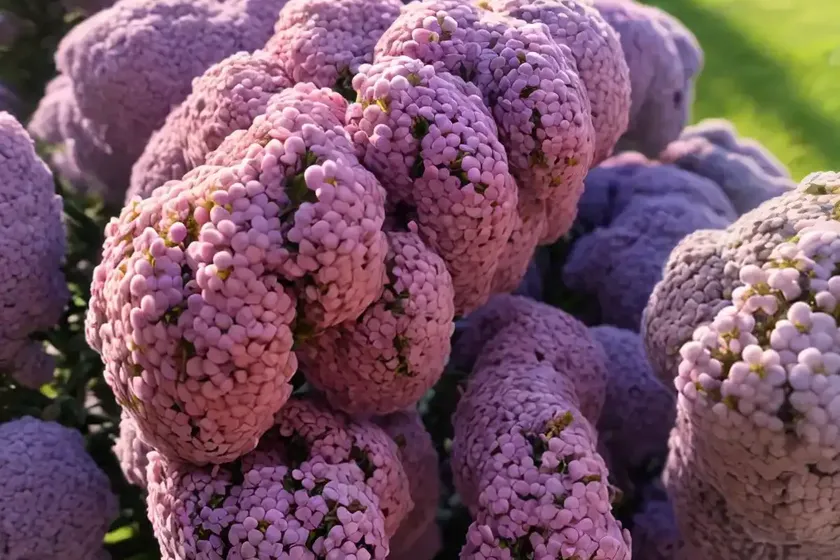
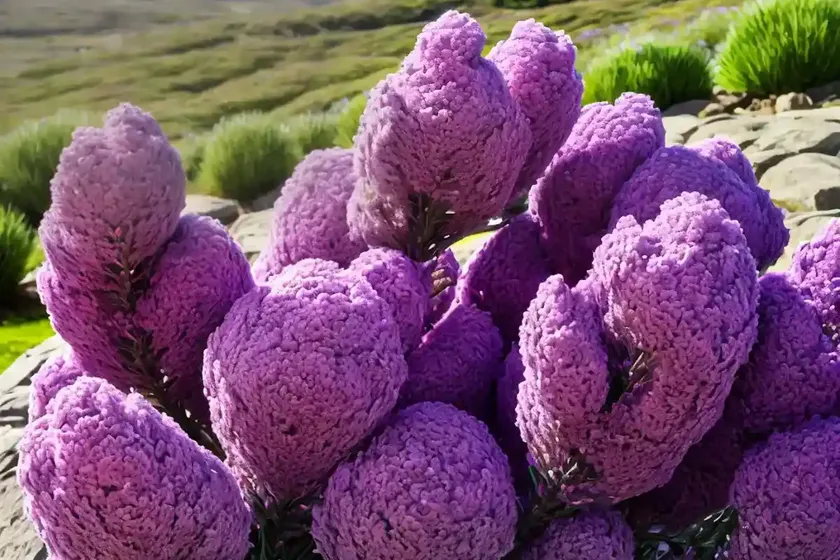
In the world of gardening and landscaping, Calluna Heather, scientifically known as Calluna vulgaris, holds a special place. This beautiful and versatile plant has gained popularity for its ornamental value, cultural significance, and ecological importance. From its characteristic foliage colors to its uses in erosion control and folklore, Calluna Heather offers a wide range of benefits and applications for gardening enthusiasts and environmentalists alike.
Throughout this comprehensive guide, we will delve into the unique characteristics of Calluna Heather, explore its cultivation and care requirements, and discuss its various uses in landscaping and ecological restoration. Additionally, we will address common diseases and pests that affect Calluna vulgaris, and provide valuable insights for maintaining the health and vigor of these charming plants. So, whether you are a beginner gardener or a seasoned horticulturalist, join me on this journey into the captivating world of Calluna Heather.
What is Calluna Heather (Calluna vulgaris)?
Calluna vulgaris, commonly referred to as Calluna Heather, is a low-growing perennial shrub belonging to the Ericaceae family. This resilient plant is native to Europe and parts of Asia, where it thrives in diverse habitats ranging from acidic heathlands to open woodlands. The genus “Calluna” is derived from the Greek word “kallune,” which means “to clean or brush,” a reference to its historical use as a material for making brooms and brushes.
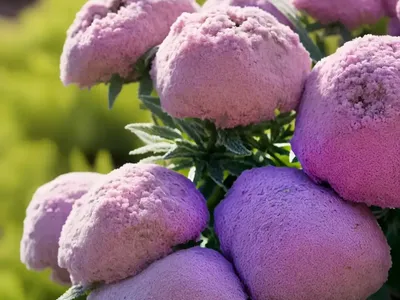
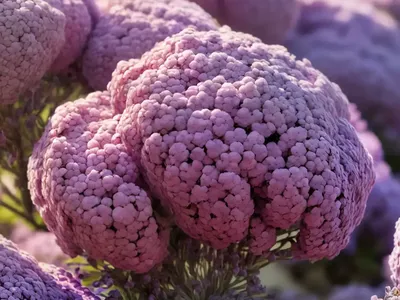
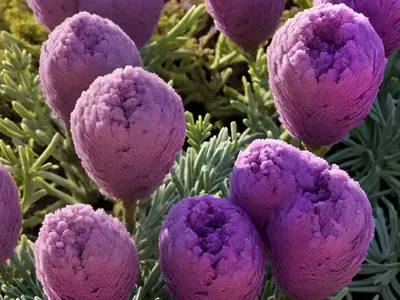
One of the defining features of Calluna vulgaris is its compact growth habit, typically reaching heights of 1 to 2 feet, with a spread of 1.5 to 2.5 feet. The plant is adorned with small, needle-like leaves that exhibit a wide array of colors, including shades of green, gold, bronze, and red, depending on the cultivar and the season. However, the most enchanting display of color occurs when Calluna Heather bursts into bloom, producing an abundance of tiny, bell-shaped flowers in captivating hues of pink, purple, white, and lavender.
Beyond its aesthetic appeal, Calluna Heather plays a crucial ecological role, providing nectar for pollinators, shelter for small animals, and contributing to soil stabilization in fragile landscapes. Furthermore, its cultural significance, medicinal properties, and historical use in traditional folklore make it a plant of immense value and intrigue. With its multifaceted attributes, Calluna vulgaris continues to captivate the hearts of gardening enthusiasts and conservationists worldwide.
In the sections that follow, we will delve into the essential aspects of Calluna Heather, encompassing its cultural requirements, uses in landscaping, propagation techniques, maintenance practices, and more. Whether you are a seasoned gardener seeking to expand your knowledge or a beginner eager to learn, this comprehensive guide aims to provide valuable insights and practical tips for cultivating and appreciating the charm of Calluna vulgaris.
Key Takeaways – Calluna Heather (Calluna vulgaris)
In this section, we will outline the key takeaways regarding Calluna Heather, encompassing its cultural requirements, uses in landscaping, maintenance practices, and ecological significance. By delving into these essential aspects, we aim to provide a comprehensive overview of the plant’s characteristics and applications, catering to the needs of gardening enthusiasts and environmental advocates.
Culture
- Scientific Name: Calluna vulgaris
- Plant Type: Perennial shrub
- Family: Ericaceae
- Native Range: Europe, Asia
- Height: 1 to 2 feet
- Spread: 1.5 to 2.5 feet
- Foliage Colors: Green, gold, bronze, red
- Flower Colors: Pink, purple, white, lavender
- Cultural Significance: Historical use in traditional folklore, medicinal properties
Uses
- Landscaping: Ground cover, erosion control, mixed borders, rock gardens, coastal landscapes, cottage gardens, wildlife habitat, pollinator gardens, slope stabilization, water-wise landscapes
- Cultural Significance: Folklore and history, traditional gardens, coastal gardens, wildlife habitat, shade gardens, butterfly gardens, xeriscaping, medicinal properties
Maintenance
- Water: Moderate watering, well-drained soil
- Sunlight: Full sun to partial shade
- Fertilizer: Light feeding in early spring
- Soil: Acidic, well-draining, sandy or loamy
- Pruning: Minimal pruning for shaping and rejuvenation
- Propagation: Seed sowing, cuttings
- Container Cultivation: Well-draining potting mix
- Common Diseases: Botrytis blight, Phytophthora root rot
- Common Pests: Heather beetle, spider mites, aphids
By highlighting these key takeaways, we aim to provide a comprehensive understanding of Calluna Heather’s characteristics, cultural significance, landscaping applications, and maintenance requirements. Throughout the subsequent sections, we will delve deeper into each aspect, offering detailed insights, practical tips, and botanist-approved guidance for cultivating, appreciating, and preserving the allure of Calluna vulgaris.
Plant Name: “Calluna Heather (Calluna vulgaris)”
Before we embark on this comprehensive journey through the world of Calluna Heather, let’s take a moment to appreciate the essence of its name. The term “Calluna” is derived from the Greek word “kallune,” which translates to “to clean or brush.” This nomenclature reflects the historical use of Calluna vulgaris in traditional European cultures, where its pliable twigs and branches were employed in the crafting of brooms and brushes.
On the other hand, the species name “vulgaris” is derived from Latin, signifying “common” or “widespread.” This epithet captures the ubiquity and prevalence of Calluna Heather in its native habitats across Europe and Asia, where it thrives in diverse landscapes, from heathlands and woodlands to coastal cliffs and alpine meadows.
Now that we have acquainted ourselves with the origins and meanings behind the name “Calluna vulgaris,” it is time to embark on a comprehensive exploration of this remarkable plant. Through the following sections, we will unravel the intricacies of Calluna Heather’s cultivation, uses in landscaping, propagation techniques, maintenance practices, and ecological significance. By delving into these aspects, we aim to provide horticultural enthusiasts, landscapers, and nature enthusiasts with the knowledge and insights necessary to appreciate, cultivate, and conserve the captivating charm of Calluna vulgaris.
Calluna Heather (Calluna vulgaris) – Varieties and Characteristics
The genus Calluna encompasses a diverse array of cultivars, each distinguished by unique characteristics ranging from foliage colors and growth habits to flower shapes and bloom times. Cultivators have meticulously bred and selected various Calluna vulgaris varieties to showcase an array of colors, offering a captivating palette for ornamental landscapes and ecological restoration projects.
Calluna vulgaris Varieties
- ‘Dark Beauty’ (Dark Beauty Heather): This cultivar features deep burgundy foliage that intensifies in color during colder months, offering striking contrast in mixed borders and rock gardens. Its vigorous growth habit and abundant flowers make it an excellent choice for adding seasonal interest to landscapes.
- ‘Beoley Gold’ (Beoley Gold Heather): Renowned for its golden foliage and compact growth, this variety adds a burst of vibrant color to garden beds and containers. Its tolerance for various soil types and its adaptability to different light conditions make it a versatile choice for landscaping projects.
- ‘County Wicklow’ (County Wicklow Heather): With its vibrant pink flowers and rich green foliage, this cultivar infuses a splash of color into heathland gardens and coastal landscapes. Its ability to attract pollinators and its resilience in harsh coastal environments make it a valuable addition to wildlife and conservation projects.
- ‘Spring Torch’ (Spring Torch Heather): Noted for its bright red foliage and early spring blooming, this variety serves as an eye-catching focal point in rock gardens, edging, and slope stabilization projects. Its compact, mounding growth habit and drought tolerance make it an ideal choice for water-wise landscapes.
These variations in foliage colors, growth habits, and flowering characteristics offer a diverse array of options for horticultural enthusiasts and landscapers, allowing for creative expression and customization in ornamental plantings and restoration efforts.
Calluna Plant Care Tips
Cultivating Calluna Heather requires a nuanced approach to plant care, encompassing considerations for soil, sunlight, water, and seasonal maintenance. By following these plant care tips, gardeners can ensure the health and vigor of Calluna vulgaris, promoting vibrant foliage colors, abundant blooms, and overall resilience in diverse landscapes.
Growing Calluna Heather
Light: Calluna Heather thrives in full sun to partial shade, with a preference for at least 6 hours of direct sunlight per day. In regions with intense summer heat, partial shade during the hottest part of the day can help protect the plant from stress and sunburn.
Soil: Well-drained, acidic soil is essential for the successful cultivation of Calluna vulgaris. A pH range of 4.5 to 5.5 is optimal, replicating the acidic conditions found in its native heathlands. Amending the soil with organic matter and ensuring proper drainage are crucial for preventing waterlogged conditions, which can be detrimental to the plant’s health.
Water: Moderate watering is recommended for Calluna Heather, allowing the soil to dry out slightly between watering sessions. Overly wet conditions can lead to root rot and other fungal diseases, emphasizing the importance of well-drained soil and controlled watering practices.
Fertilizer: Light feeding in early spring with a balanced, water-soluble fertilizer can support the plant’s growth and blooming performance. However, caution should be exercised to avoid excessive fertilization, as Calluna Heather has low nutrient requirements and can be sensitive to high levels of fertilizer.
Pruning: Minimal pruning is generally required for Calluna Heather, focusing on the removal of spent flowers and occasional shaping to maintain a tidy appearance. Pruning can be performed in early spring or after the blooming period to encourage rejuvenation and stimulate new growth.
By adhering to these plant care tips and understanding the specific requirements of Calluna Heather, gardeners can create optimal conditions for the plant to thrive, using its unique characteristics and vibrant display of colors to enhance ornamental landscapes and ecological restoration projects.
Calluna vulgaris Characteristics
- Foliage Colors: Green, gold, bronze, red
- Flower Colors: Pink, purple, white, lavender
- Growth Habit: Low-growing, compact, mounding
- Bloom Time: Late summer to early fall
- Drought Tolerance: Moderate to high
- Wildlife Attractant: Nectar source for pollinators, shelter for small animals
By understanding the specific characteristics and requirements of Calluna vulgaris, gardeners and landscapers can harness the plant’s ornamental and ecological potential, utilizing its unique attributes to create visually stunning landscapes and contribute to biodiversity conservation efforts.
Best Soil for Calluna Heather
As a plant native to heathlands and acidic habitats, Calluna Heather thrives in well-drained, acidic soil with a pH range of 4.5 to 5.5. This soil preference reflects the plant’s adaptation to the nutrient-poor, acidic conditions prevalent in its natural habitats, where it competes with other heathland species for survival.
Characteristics of the Best Soil for Calluna Heather
-
Acidic pH: A pH range of 4.5 to 5.5 is optimal for Calluna vulgaris, replicating the acidic conditions found in its native heathlands. This acidic environment supports the plant’s nutrient uptake and physiological processes, ensuring its health and vigor.
-
Well-Drained: Proper drainage is crucial for preventing waterlogged conditions, which can lead to root rot and other fungal diseases. Sandy or loamy soils with good permeability are ideal for cultivating Calluna Heather, facilitating the efficient removal of excess moisture.
-
Organic Matter: Incorporating organic matter such as peat moss or compost can enhance the soil’s structure and water-holding capacity, while also providing essential nutrients for plant growth. Organic amendments can improve the overall fertility and moisture retention of the soil, creating a favorable environment for Calluna vulgaris.
-
Air Circulation: The best soil for Calluna Heather promotes adequate air circulation around the roots, preventing suffocation and promoting healthy root development. Fostering a well-ventilated soil environment is essential for the plant’s overall growth and resilience.
By focusing on these soil characteristics and ensuring the provision of optimal growing conditions, gardeners can create a nurturing environment for Calluna Heather, allowing it to thrive and manifest its ornamental and ecological potential in diverse landscapes.
Calluna vulgaris Propagation
The propagation of Calluna vulgaris encompasses methods such as seed sowing and vegetative propagation through cuttings, allowing horticultural enthusiasts and conservationists to expand their collection of cultivars and contribute to the preservation of native genotypes in restoration projects.
Calluna Heather Propagation Techniques
-
Seed Sowing: Propagating Calluna Heather from seeds involves collecting ripe seed capsules from mature plants and sowing them in well-drained seed trays or containers filled with a coarse, acidic propagation medium. The trays can be placed in a sheltered outdoor location or within a greenhouse to facilitate germination. It is important to maintain consistent moisture levels and provide adequate sunlight for the germinating seeds. Once the seedlings have developed true leaves and are of sufficient size, they can be transplanted into individual containers or directly into the landscape.
-
Cuttings: Vegetative propagation through cuttings offers an efficient method for preserving the desirable traits of specific cultivars. Softwood cuttings can be taken from the current season’s growth, typically in late spring to early summer. The cuttings should exhibit healthy, non-flowering shoots with several sets of leaves. After removing the lower leaves, the cuttings are dipped in a rooting hormone to enhance root development and then planted in a well-draining propagation medium. Maintaining high humidity and providing indirect light can support the rooting process, and once roots have formed, the cuttings can be transplanted into individual pots or directly into the landscape.
By employing these propagation techniques, gardeners and conservationists can actively contribute to the preservation and proliferation of Calluna vulgaris, fostering genetic diversity and resilience in ornamental landscapes and ecological restoration initiatives.
Calluna Heather Pruning Techniques
Pruning is an essential aspect of Calluna Heather maintenance, enabling gardeners to shape the plant, remove spent flowers, and rejuvenate older growth for enhanced vigor and blooming performance. By understanding the principles of Calluna Heather pruning, gardeners can maintain the plant’s health and aesthetic appeal, ensuring its longevity in ornamental landscapes and conservation projects.
Pruning Guidelines for Calluna Heather
-
Removal of Spent Flowers: After the blooming period, it is beneficial to deadhead or remove the spent flowers from Calluna Heather. This not only promotes a tidy and maintained appearance but also encourages the plant to invest its energy in new growth and potential reblooming.
-
Shaping and Rejuvenation: Minimal pruning for shaping and rejuvenation can be performed after the blooming period or in early spring. Any leggy, straggly, or damaged growth can be pruned back to promote a more compact, bushy form. Additionally, older woody stems can be selectively pruned to stimulate new growth and prolong the plant’s lifespan.
-
Cautionary Note: While pruning is beneficial for the overall health and appearance of Calluna Heather, excessive or drastic pruning should be avoided. The plant’s growth habit and natural form should be respected, and pruning should be performed judiciously to promote a balanced and harmonious appearance.
By adhering to these pruning guidelines and exercising care when shaping and rejuvenating Calluna Heather, gardeners can maintain the plant’s vigor and aesthetic appeal, contributing to vibrant and well-maintained landscapes.
Calluna vulgaris Flower Colors
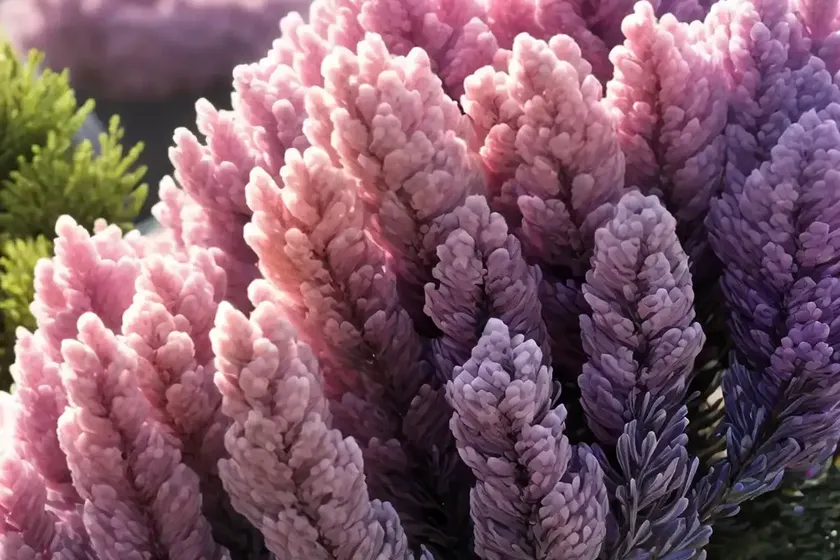
The flowers of Calluna vulgaris manifest in an array of captivating hues, adorning the plant with a spectacular display of color during the late summer and early fall. From delicate pinks and purples to pristine whites and enchanting lavenders, these flower colors contribute to the ornamental allure of Calluna Heather, creating focal points in landscapes and providing nectar for pollinators.
Captivating Flower Colors of Calluna Heather
-
Pink: One of the most common flower colors for Calluna Heather, pink blooms infuse garden beds and containers with a soft and inviting hue, complementing the plant’s foliage and surroundings.
-
Purple: Deep and rich in color, purple blooms add a sense of drama and elegance to landscapes, serving as eye-catching elements in mixed borders and rock gardens.
-
White: Pristine and serene, white blooms exude a timeless charm, offering a sense of purity and tranquility in ornamental plantings and coastal landscapes.
-
Lavender: With its enchanting blend of pink and purple undertones, lavender blooms create a mesmerizing visual impact, drawing the attention of pollinators and nature enthusiasts alike.
The diverse range of flower colors exhibited by Calluna Heather cultivars presents an opportunity for gardeners and landscapers to incorporate varying hues into their designs, fostering vibrant and dynamic displays throughout the late summer and early fall seasons.
Calluna Plant Uses in Landscaping
Calluna vulgaris holds diverse uses in landscaping, offering ornamental value, ecological benefits, and cultural significance. From ground cover and erosion control to wildlife habitat and folklore, the plant’s applications in various landscape designs and conservation initiatives make it a versatile and valuable addition to both domestic and naturalized settings.
Versatile Uses of Calluna Heather in Landscaping
-
Ground Cover: The low-growing, mounding growth habit of Calluna Heather makes it an ideal choice for ground cover in garden beds, rockeries, and slopes. Its dense foliage and vibrant flower display create a visually appealing carpeting effect, filling in gaps and suppressing weed growth.
-
Erosion Control: Due to its extensive root system and adaptability to various soil types, Calluna Heather serves as an effective erosion control measure in landscapes, particularly in areas prone to soil instability and water runoff.
-
Wildlife Habitat: Calluna vulgaris provides nectar for pollinators and shelter for small animals, contributing to the ecological richness of landscapes and supporting biodiversity conservation efforts.
-
Folklore and History: With its historical use in traditional folklore and its cultural significance in European societies, Calluna Heather adds a layer of heritage and storytelling to landscaped spaces, infusing them with a sense of nostalgia and intrigue.
-
Coastal Landscapes: The resilience of Calluna Heather in coastal environments makes it an invaluable component of seaside gardens, where it thrives amidst salt-laden winds and sandy soils, providing a touch of color and life to coastal landscapes.
By leveraging the diverse uses of Calluna Heather in landscaping, gardeners and landscape architects can create visually captivating, ecologically resilient, and culturally rich environments, utilizing the plant’s multifaceted attributes for ornamental and conservation purposes.
Calluna Heather as Ground Cover
The low-growing and spreading nature of Calluna vulgaris makes it well-suited for utilization as ground cover in various landscape settings, from residential gardens and public parks to commercial developments and naturalized areas. By exploring the unique benefits and adaptations of Calluna Heather as ground cover, we can appreciate