Heather (Calluna)
Welcome to our in-depth guide on Heather (Calluna)! Whether you are a new gardener, a seasoned pro, or simply someone who appreciates the beauty of nature.
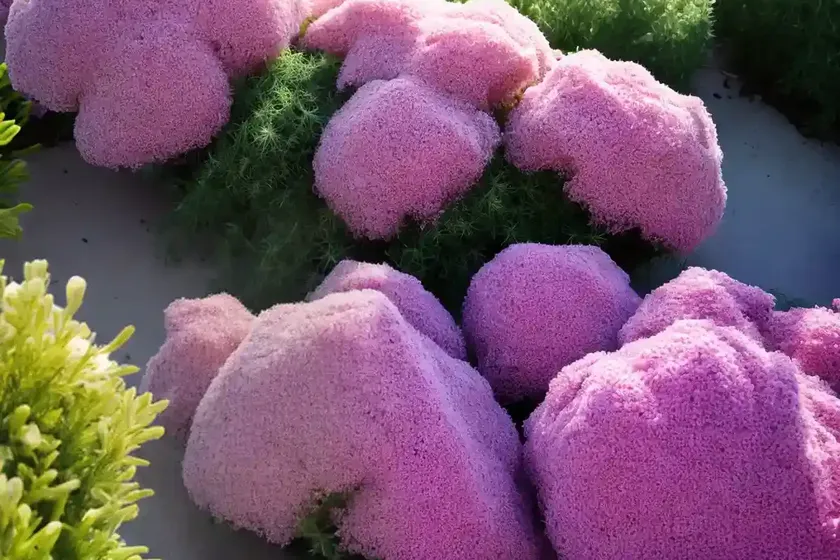

Welcome to our in-depth guide on Heather (Calluna)! Whether you are a new gardener, a seasoned pro, or simply someone who appreciates the beauty of nature, this article will provide you with a comprehensive understanding of Heather, including its culture, uses, care tips, and much more.
What is Heather (Calluna)?
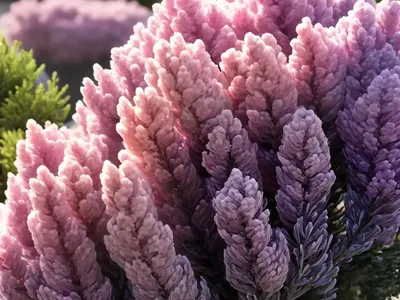
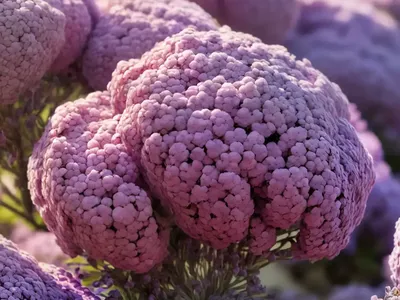
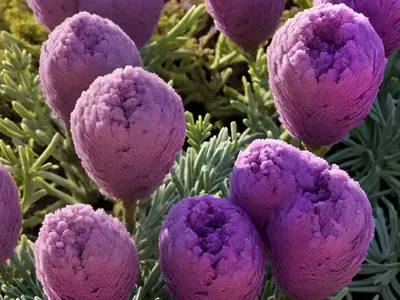
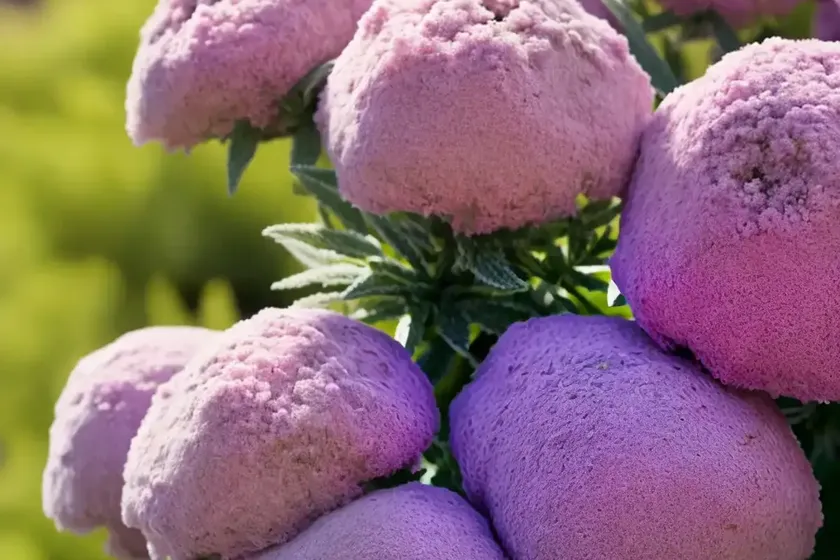
Heather, scientifically known as Calluna vulgaris, is a small, evergreen shrub that belongs to the Ericaceae family. It is native to Europe and parts of Asia, where it thrives in heathlands, moors, and acidic soils. Heather is valued for its colorful and delicate flowers, which bloom en masse, creating stunning displays of hues from white to deep purple.
Key Takeaways – Heather (Calluna)
Before diving into the details, here are the key takeaways regarding Heather:
- Scientific Name: Calluna vulgaris
- Family: Ericaceae
- Common Names: Heather, Scotch Heather, Ling
- Landscape Uses: Ground cover, borders, rock gardens, containers
- Flower Colors: Range from white to pink, purple, and even red
- Growth Period: Blooms from late summer to early autumn
Now, let’s explore the various aspects of Heather, including its culture, uses, care requirements, and more.
Culture
Understanding the preferred environment and cultural requirements of Heather is crucial for successfully growing and maintaining this enchanting plant in your garden.
Water
- Heather plants prefer moist, well-drained soil. They do not tolerate waterlogged conditions, so it is essential to avoid overwatering.
- During the growing season, it is advisable to provide regular watering, especially during dry spells. However, once established, Heather is relatively tolerant of dry conditions.
Sunlight
- Heather thrives in full sunlight but can also tolerate partial shade. However, it is essential to ensure that the plant receives ample sunlight to promote healthy growth and vibrant flowering.
Fertilizer
- Heather plants have specific nutrient requirements and are sensitive to fertilizers with high levels of phosphorus. Therefore, it is recommended to use an acidic fertilizer designed for acid-loving plants, such as those formulated for rhododendrons and azaleas.
- Apply the fertilizer in spring, following the manufacturer’s directions, to provide the necessary nutrients for robust growth and prolific flowering.
Soil
- Heather prefers acidic, well-drained soils, ideally with a pH between 4.5 and 5.5. The addition of organic matter, such as peat moss, can help maintain soil acidity and improve drainage.
- It is crucial to avoid planting Heather in alkaline soils, as it can lead to nutrient deficiencies and overall decline in plant health.
Pruning
- Pruning is beneficial for maintaining the compact, bushy form of Heather and promoting prolific flowering. The ideal time for pruning heather is after flowering, typically in late autumn or early spring.
- Use clean, sharp pruning shears to selectively remove spent flowerheads and maintain the desired shape and size of the plant.
Uses
Heather is a versatile plant with various uses, making it a valuable addition to gardens, landscapes, and even creative endeavors.
Container Planting
- Heather is well-suited for container planting, whether in individual pots or mixed planters. Its compact growth habit and vibrant flowers make it an attractive choice for adding color and texture to outdoor spaces, such as patios, balconies, and entrances.
- When planting Heather in containers, ensure the use of well-draining potting mix and consider the specific cultural requirements of the plant, such as watering and sunlight needs.
Popular in Landscapes
- Heather is popular for its landscape applications, particularly in areas where low-maintenance, colorful ground cover is desired. Its ability to thrive in poor soils and its tolerance for coastal conditions make it a favored choice for coastal gardens and heathland-themed landscapes.
Common Diseases
Despite being generally resilient, Heather can be susceptible to certain diseases under unfavorable growing conditions. Understanding these potential issues is essential for effective disease management.
- Table
Heather Common Diseases
| Disease | Symptoms | Management |
|---|---|---|
| Phytophthora Root Rot | Wilting, yellowing foliage, | Improve soil drainage, avoid overwatering, |
| eventual collapse of the plant. | remove and destroy affected plants. | |
| Botrytis Blight | Gray mold on flowers, | Remove affected flowers and improve air |
| brown lesions on stems. | circulation to prevent fungal growth. | |
| Heather Beetle Damage | Skeletonized leaves, | Handpick beetles if feasible, treat with |
| defoliation of the plant. | insecticidal soap or neem oil. |
Disease Diagnosis
The diagnosis of diseases in Heather often involves careful observation of symptoms and, in some cases, laboratory analysis for accurate identification of pathogens. If you notice any unusual signs or symptoms on your Heather plants, such as wilting, discoloration, or abnormal growth, it is advisable to consult with a plant pathologist or a local horticultural extension service for proper diagnosis and management recommendations.
Common Pests
Heather is relatively resistant to most pests, but certain insects can pose a threat to the plant’s health and appearance.
- Table
Heather Common Pests
| Pest | Symptoms | Management |
|---|---|---|
| Heather Beetle | Skeletonized leaves, defoliation, | Handpick beetles if feasible, |
| scarring on the leaves. | treat with insecticidal soap or neem oil. | |
| Heather Aphid | Presence of aphids on leaves and | Use a strong stream of water to dislodge |
| stems, honeydew secretion. | aphids, apply horticultural oil or insecticidal | |
| soap for severe infestations. |
Propagation
Heather can be propagated through various methods, including seed sowing, cuttings, and layering.
Seed Sowing
- Sowing heather seeds can be challenging, as they often require stratification to break dormancy. Place the seeds in a plastic bag with a moistened medium, such as vermiculite or peat, and refrigerate them for several weeks before sowing in a well-prepared seedbed.
Cuttings
- Softwood cuttings taken in spring or early summer can be used to propagate Heather. Dip the cut end of the cutting in a rooting hormone and plant it in a well-draining rooting medium. Provide bottom heat and consistent moisture to encourage root development.
Layering
- Layering is another effective method for propagating Heather. Select a healthy, flexible stem, remove the leaves from a section of the stem, and bury it in the soil, leaving the tip exposed. Once roots have developed, the new plant can be separated and transplanted.
Botanist’s Tips
- When selecting Heather plants for your garden, consider the specific cultivars and varieties that are best suited to your local climate and growing conditions. Certain cultivars may exhibit enhanced cold-hardiness, heat tolerance, or unique flower colors, making them ideal choices for specific landscapes.
- Utilize companion planting strategies by incorporating Heather alongside other acid-loving plants, such as rhododendrons, azaleas, and ferns, to create visually harmonious and thriving garden beds.
- Regularly monitor soil pH and make adjustments as needed to ensure that the growing environment remains acidic, which is vital for the long-term health and vigor of Heather.
Fun Facts
Before concluding our exploration of Heather, here are some fascinating and lesser-known facts about this captivating plant:
- Heather has historical and cultural significance in various regions, often symbolizing admiration, good luck, and solitude in different traditions and folklore.
- In some parts of the world, Heather is associated with beekeeping, as its nectar serves as a valuable food source for honeybees, supporting pollinator health and honey production.
- Heather has been utilized in traditional medicine and herbal remedies for its potential health benefits, including as a natural diuretic and for supporting respiratory health.
Links to External Resources
For further information and resources on Heather (Calluna), we recommend exploring the following links:
- Royal Horticultural Society – Growing Heather
- American Heather Society – Heather Varieties
- University of Maryland Extension – Common Diseases of Heather
- North Carolina State University Extension – Heather Propagation Guide
- The Heather Society – Heather Cultivation Notes
- Royal Botanic Gardens, Kew – Heather Conservation
In conclusion, Heather (Calluna) is a plant of immense beauty, resilience, and cultural significance. By understanding its culture, uses, and care requirements, you can confidently incorporate this charming shrub into your garden and appreciate its year-round appeal. Whether as a ground cover, a container specimen, or an integral part of a heathland-inspired landscape, Heather has much to offer and enriches the horticultural tapestry with its grace and color.
I hope this comprehensive guide has provided you with valuable insights and inspiration for exploring the world of Heather and creating a vibrant, thriving garden space.
Happy gardening!