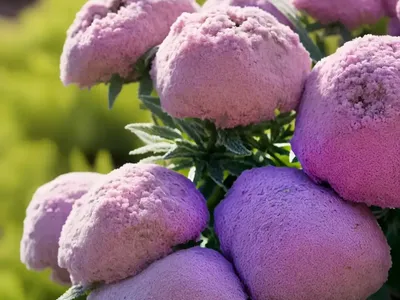
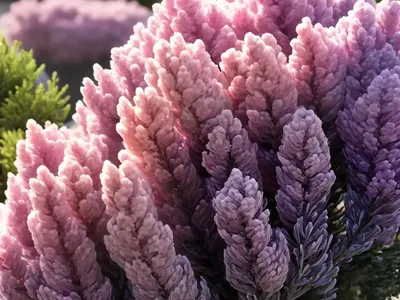
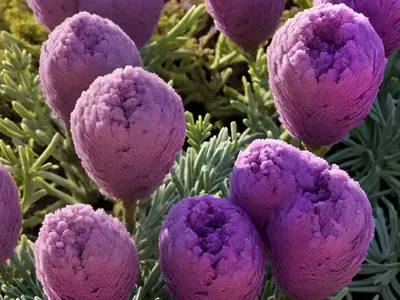
Calluna Vulgaris ‘Aphrodite’ (Heather)
Calluna vulgaris, commonly known as heather, is a beautiful and versatile evergreen plant that adds charm and color to gardens with its delicate blooms and.
Introduction
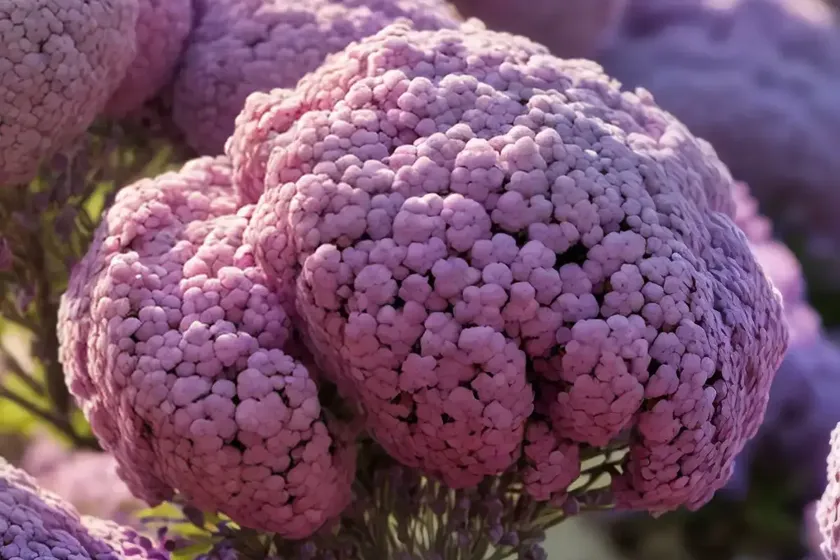
Calluna vulgaris, commonly known as heather, is a beautiful and versatile evergreen plant that adds charm and color to gardens with its delicate blooms and fine foliage. Among the many cultivars of Calluna vulgaris, ‘Aphrodite’ stands out for its unique characteristics and adaptability. In this blog post, we will delve into the world of Calluna vulgaris ‘Aphrodite’, exploring its culture, uses, care requirements, and much more.
What is Calluna vulgaris ‘Aphrodite’?
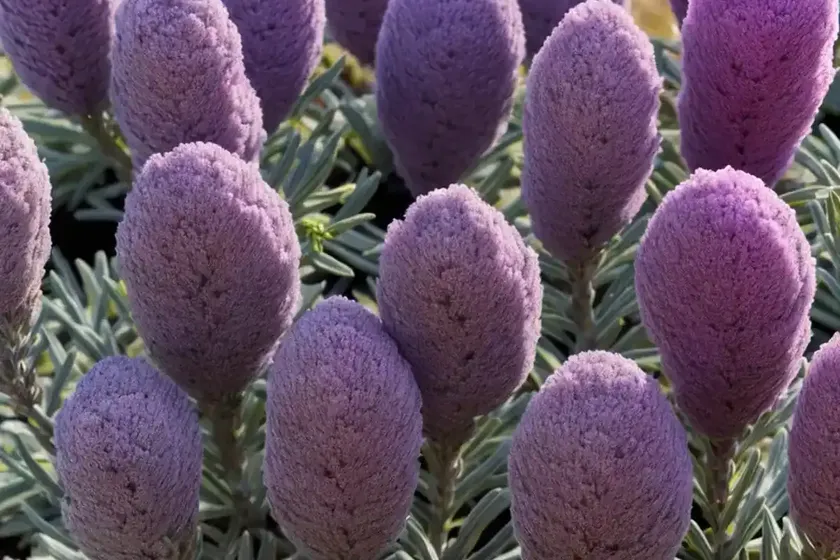
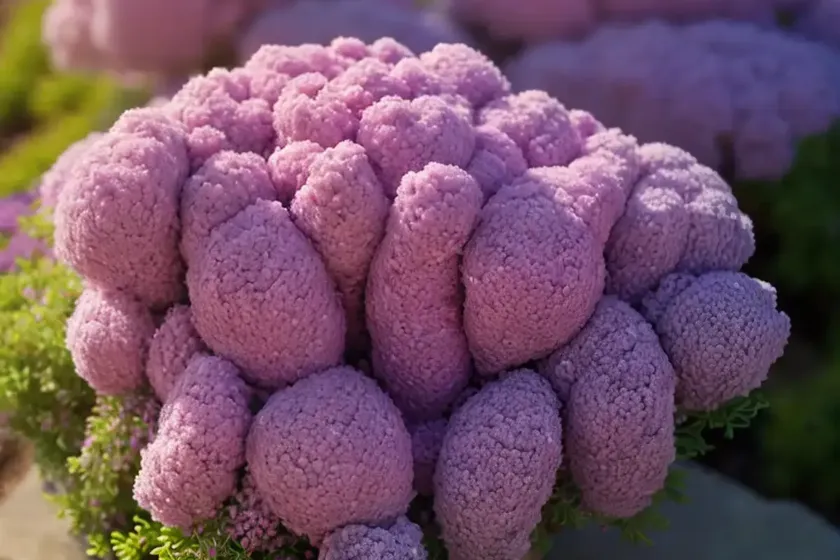
Calluna vulgaris ‘Aphrodite’ is a cultivar of the Calluna vulgaris species, which belongs to the Ericaceae family. This perennial shrub is native to Europe and is known for its compact growth habit and vibrant, long-lasting blooms. ‘Aphrodite’ is prized for its striking foliage and profusion of bell-shaped flowers, making it a popular choice for gardeners looking to add a touch of elegance to their landscapes.
Key Takeaways – Calluna vulgaris ‘Aphrodite’
Culture
- Botanical Name: Calluna vulgaris ‘Aphrodite’
- Common Name: Heather
- Plant Type: Evergreen shrub
- Hardiness Zones: 4-6
- Mature Height: 12-18 inches
- Mature Spread: 18-24 inches
- Bloom Time: Late summer to early fall
- Flower Color: Pink to purple
- Foliage: Fine, needle-like leaves
Uses
- Garden Borders: Adds texture and color to garden borders and rockeries.
- Container Planting: Well-suited for container gardening, including mixed planters.
- Ground Cover: Forms a dense mat, making it an excellent ground cover in garden landscapes.
- Cut Flowers: The blooms are often used in floral arrangements.
Water
- Watering Frequency: Heather plants prefer consistently moist soil, especially during the establishment phase.
- Avoid Waterlogging: Ensure well-draining soil to prevent waterlogging, which can lead to root rot.
Sunlight
- Light Requirements: Full sun to partial shade.
- Optimal Placement: Thrives in locations with ample sunlight and good air circulation.
Fertilizer
- Fertilization Frequency: Apply a balanced, slow-release fertilizer in spring.
- Avoid Over-fertilizing: Avoid excessive fertilization, as heather plants are sensitive to high levels of nutrients.
Soil
- Soil Type: Well-draining, acidic soil with a pH of 4.5-6.0.
- Moisture Retention: Incorporate organic matter to improve soil moisture retention.
- Mulching: Mulch around the base of the plant to regulate soil temperature and retain moisture.
Pruning
- Pruning Time: Prune after flowering to shape the plant and promote bushy growth.
- Deadheading: Remove faded blooms to encourage continued flowering.
Propagation
- Propagation Methods: By seed or semi-hardwood cuttings in late summer.
Container Popularity
- Well-suited for Containers: ‘Aphrodite’ thrives in containers and is often part of mixed plantings in pots and window boxes.
- Excellent Drainage: Ensure containers have adequate drainage to prevent waterlogging.
Common Diseases
- Potential Diseases: Heather plants may be susceptible to fungal diseases such as phytophthora and root rot.
Disease Diagnosis
- Monitoring: Regularly inspect the plants for signs of discoloration, wilting, or unusual growth.
- Prompt Treatment: If symptoms of disease are observed, address them promptly with appropriate fungicidal treatments.
Common Pests
- Pest Concerns: Heather plants can attract pests like spider mites and aphids.
- Natural Predators: Encouraging natural predators like ladybugs can help control pest populations.
Botanist’s Tips
- Seasonal Care: Provide winter protection to shield the plants from harsh weather conditions.
- Pruning Technique: Use sharp, sterile pruning shears for clean cuts during pruning.
Fun Facts
- Cultural Significance: Heather has been used in traditional medicine and has symbolic significance in various cultures.
- Ecological Importance: The plant provides nectar for pollinators in late summer and early fall.
- Variety of Colors: Heather blooms come in an array of colors, including shades of pink, purple, and white.
Links to External Resources
To learn more about Calluna vulgaris ‘Aphrodite’ and explore additional resources, consider the following:
– Royal Horticultural Society – Calluna vulgaris
– American Heather Society
– University of Minnesota Extension – Growing Heather
Conclusion
Calluna vulgaris ‘Aphrodite’ is a captivating addition to any garden, offering year-round interest with its colorful blooms and fine-textured foliage. By understanding its culture, care requirements, and potential uses, gardeners can appreciate the versatility and beauty of this resilient plant. Whether utilized as a ground cover, container planting, or garden border accent, ‘Aphrodite’ heather holds its own as a botanical gem that enriches outdoor spaces with its allure and charm.
As we’ve explored the characteristics and cultivation of Calluna vulgaris ‘Aphrodite’, it becomes evident that this heather cultivar embodies both grace and resilience, making it a valuable asset in diverse garden settings. With attention to its specific needs and a touch of creativity, gardeners can celebrate the unique qualities of ‘Aphrodite’ and elevate their outdoor spaces with the timeless allure of this captivating heather plant.