Callisia Fragrans (Callisia Fragrans)
Welcome to the fascinating world of Callisia fragrans, a unique and stunning plant species that offers not only beauty but also a wide array of benefits.
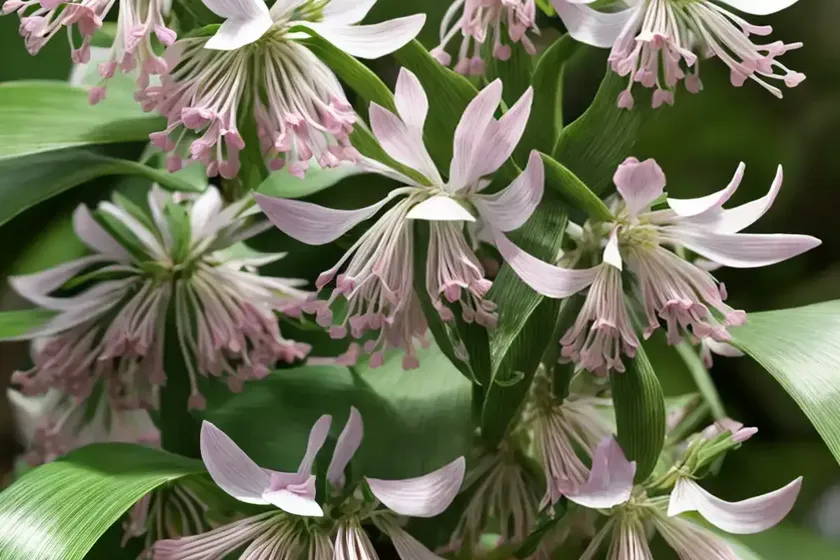
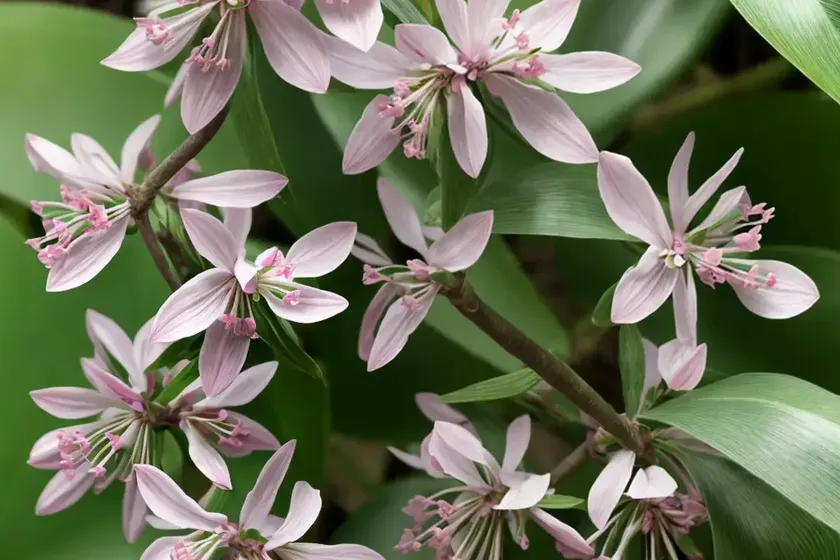
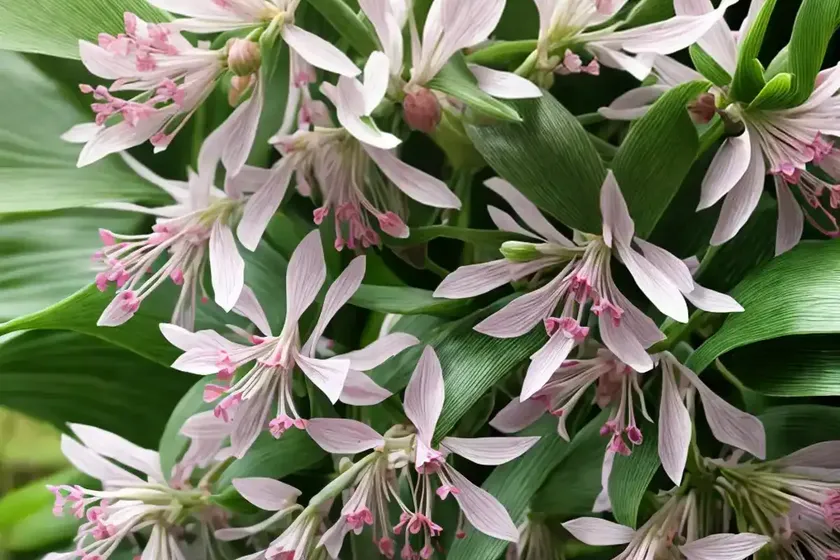
Welcome to the fascinating world of Callisia fragrans, a unique and stunning plant species that offers not only beauty but also a wide array of benefits and uses. As a plant scientist and enthusiast, I’m excited to guide you through the different aspects of Callisia fragrans care, cultivation, and its many characteristics and uses. We will delve into its culture, uses, water and sunlight needs, fertilizer requirements, soil preferences, pruning techniques, propagation methods, and much more. Let’s take a deep dive into the incredible world of Callisia fragrans.
What is Callisia Fragrans?
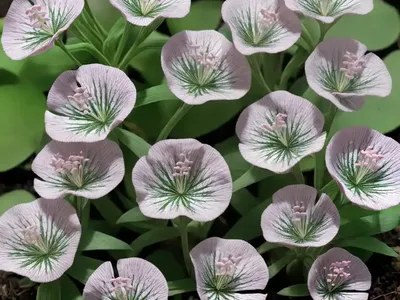
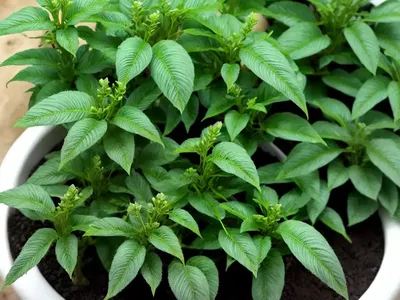
Callisia fragrans, commonly known as the Basket Plant or Grandfather’s Whiskers, is a species of flowering plant in the spiderwort family, Commelinaceae. This perennial plant is native to Mexico and Central America and is popular for its ornamental value, as well as its potential medicinal properties. It is characterized by its trailing, succulent stems, and vibrant green leaves, making it a visually appealing addition to both indoor and outdoor spaces.
Key Takeaways
Before we proceed further, let’s take a quick look at the key takeaways of Callisia fragrans:
- Botanical Name: Callisia fragrans
- Common Names: Basket Plant, Grandfather’s Whiskers
- Family: Commelinaceae
- Native Habitat: Mexico, Central America
- Growth Habit: Trailing, succulent stems
- Leaf Characteristics: Vibrant green, succulent
- Watering Needs: Moderate
- Sunlight Requirements: Indirect sunlight, partial shade
- Soil Type: Well-draining, fertile
- Uses: Ornamental, potential medicinal properties
- Propagation: Stem cuttings, division
- Pruning: Minimal pruning required
- Container Gardening: Well-suited for containers and hanging baskets
- Popularity: Increasing popularity in indoor and outdoor landscaping
- Potential Uses: Air-purifying qualities, potential herbal remedies
Now, let’s delve deeper into the specifics of Callisia fragrans, exploring its culture, uses, care requirements, and much more.
Culture
Water
Effective water management is crucial for the health and vitality of Callisia fragrans. As a succulent plant, it prefers moderate watering, allowing the soil to dry out slightly between watering sessions. Overwatering can lead to root rot and other issues, so it’s essential to ensure that the soil is well-draining to prevent waterlogging.
Sunlight
In terms of sunlight requirements, Callisia fragrans thrives in indirect sunlight and partial shade. While it can tolerate some direct sunlight, prolonged exposure to intense sunlight can lead to leaf burn and damage. As such, a location with bright, filtered light is ideal for optimal growth and vibrancy.
Fertilizer
Regular fertilization is beneficial for promoting healthy growth and blooming in Callisia fragrans. A balanced, all-purpose fertilizer can be applied during the growing season, typically from spring to early fall. It’s important to follow the recommended dosage and application frequency as excessive fertilizer can lead to salt buildup in the soil, affecting the plant’s health.
Soil
Callisia fragrans prefers well-draining, fertile soil to support its growth and development. A mix of peat-based potting soil with perlite or coarse sand can provide the necessary drainage while retaining sufficient moisture. Additionally, maintaining slightly acidic to neutral soil pH levels is favorable for the plant’s overall well-being.
Pruning
Pruning of Callisia fragrans is generally minimal, focusing primarily on the removal of any dead or damaged foliage to maintain the plant’s aesthetic appeal. Trimming back overgrown stems can also encourage bushier growth and help shape the plant. It’s essential to use clean, sterilized pruning tools to prevent the spread of diseases or infections during the pruning process.
Propagation
Callisia fragrans can be propagated through stem cuttings or division, offering plant enthusiasts the opportunity to expand their collection or share this beautiful species with others. Stem cuttings taken from healthy, mature stems can be rooted in a suitable growing medium to establish new plants. Division of large, well-established clumps can also be a successful propagation method, providing separate plants that can thrive independently.
Container Popularity
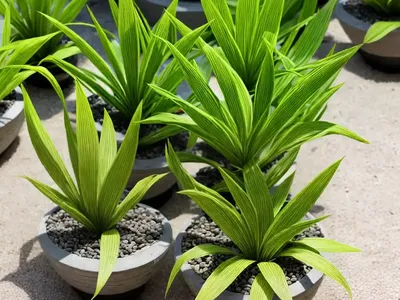
With its trailing growth habit and ornamental appeal, Callisia fragrans has gained popularity in container gardening and hanging basket displays. Its cascading stems and lush foliage make it an excellent choice for adding visual interest and greenery to indoor and outdoor spaces. The versatility of this plant allows it to thrive in various container sizes, making it suitable for different settings and design preferences.
Uses
Ornamental
Callisia fragrans serves as a captivating ornamental plant, adding a touch of natural beauty to homes, offices, and outdoor landscapes. Its trailing growth habit and vibrant green foliage make it a popular choice for hanging baskets, containers, and as ground cover in suitable climates. The visually appealing nature of this plant enhances the aesthetic appeal of any space it inhabits.
Air-Purifying Qualities
In addition to its ornamental value, Callisia fragrans has been recognized for its potential air-purifying qualities. Like many other plants, it has the ability to filter and improve air quality by removing certain pollutants and airborne toxins, thus contributing to a healthier indoor environment.
Medicinal Properties
While further research is needed to validate its potential medicinal properties, Callisia fragrans has been traditionally used in folk medicine for various purposes. Its leaves and extracts have been utilized for their purported healing and therapeutic properties, with some sources suggesting potential benefits in herbal remedies.
Common Diseases
As with any plant, Callisia fragrans is susceptible to certain diseases and issues that can affect its health and appearance. It’s essential for plant caretakers to be mindful of common diseases and their symptoms to implement proactive measures and treatments.
Disease Diagnosis
Some common diseases that may affect Callisia fragrans include:
- Fungal Infections: Symptoms may include wilting, yellowing or browning of leaves, and the presence of powdery mildew or mold on foliage.
- Root Rot: Overwatering or waterlogged soil can lead to root rot, causing the plant to exhibit wilting, yellowing, and eventual collapse of the affected stems.
- Leaf Spotting: Fungal or bacterial leaf spotting may manifest as discolored or darkened spots on the foliage, potentially leading to leaf damage and defoliation.
Common Pests
Various pests may pose a threat to Callisia fragrans, necessitating vigilant monitoring and management to prevent infestations and damage.
- Aphids: These small, sap-sucking insects can cluster on the undersides of leaves, causing yellowing, distortion, and wilting of foliage.
- Spider Mites: These microscopic pests can infest the plant, leading to stippling, discoloration, and webbing on the leaves.
- Mealybugs: Mealybugs can appear as white, cottony masses on the plant and may cause stunted growth, leaf yellowing, and honeydew secretion.
Botanist’s Tips
As a plant scientist, I am delighted to share some valuable tips for the care and cultivation of Callisia fragrans, based on my knowledge and expertise in the field. These tips can assist plant enthusiasts in providing optimal conditions for the success and well-being of this remarkable plant species:
-
Moderate Watering: Ensure a balanced approach to watering, allowing the soil to partially dry out between waterings to prevent issues associated with overwatering.
-
Indirect Sunlight: Position the plant in an area with bright, indirect sunlight or partial shade to avoid leaf burn and maintain healthy growth.
-
Well-Draining Soil: Utilize a well-draining, fertile soil mix to provide adequate moisture retention while preventing waterlogging.
-
Regular Monitoring: Stay vigilant for signs of pests, diseases, or nutrient deficiencies, and promptly address any issues that may arise.
-
Propagate with Care: When propagating Callisia fragrans, use healthy stem cuttings and ensure proper rooting conditions to establish new plants successfully.
-
Minimal Pruning: Only prune as needed to remove dead or damaged foliage, promoting a neat and healthy appearance.
Fun Facts
- Callisia fragrans is known by various intriguing common names, including Basket Plant, Grandfather’s Whiskers, and Inch Plant, reflecting its captivating nature and distinctive characteristics.
- The plant’s succulent stems and lush foliage make it an excellent choice for cascading and trailing displays, adding a touch of elegance to any setting.
- Callisia fragrans exhibits potential air-purifying properties, contributing to a cleaner and healthier indoor environment when grown as a houseplant.
Links to External Resources
For further exploration and in-depth information on Callisia fragrans, I recommend the following external resources:
- The American Phytopathological Society – Explore a glossary of common plant diseases to enhance your understanding of disease diagnosis and management.
- Royal Horticultural Society – Access resources from the Royal Horticultural Society for insights on propagation, cultivation, and care of houseplants, including Callisia fragrans.
As we conclude this exploration of Callisia fragrans, it’s evident that this remarkable plant holds extraordinary potential for both ornamental and potentially medicinal purposes. Its unique characteristics, low-maintenance care requirements, and versatile uses make it a captivating addition to any plant enthusiast’s collection. Whether adorning indoor spaces with its lush foliage or gracing outdoor landscapes with its trailing beauty, Callisia fragrans continues to captivate and inspire individuals with its inherent charm and potential benefits.
I hope this comprehensive guide has inspired you to appreciate and consider the remarkable qualities and uses of Callisia fragrans, and I encourage you to continue your exploration of the diverse and fascinating world of plant life.
Happy gardening, and may your botanical journeys be filled with wonder and discovery!