Bolivian Jew ‘bianca’ (Callisia Repens ‘bianca’)
Plants hold a unique place in our lives, not just for their aesthetic appeal but also for the myriad of benefits they offer. One such plant that has.
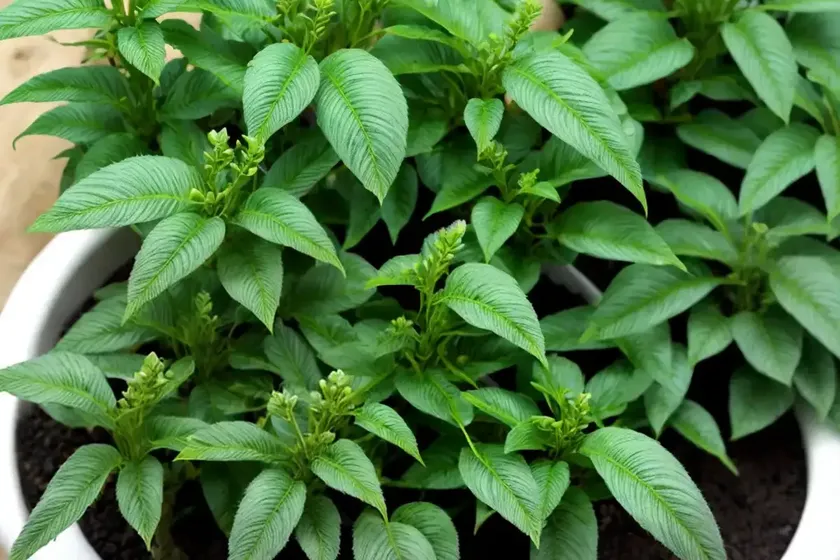
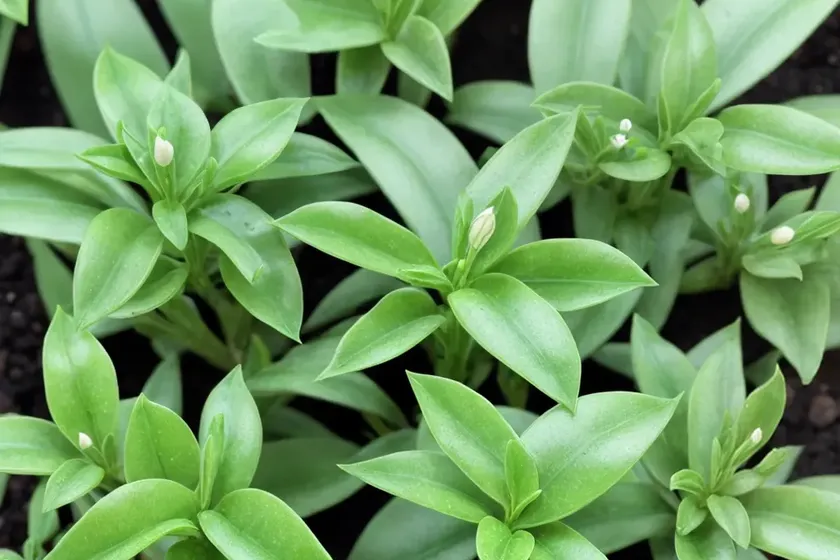
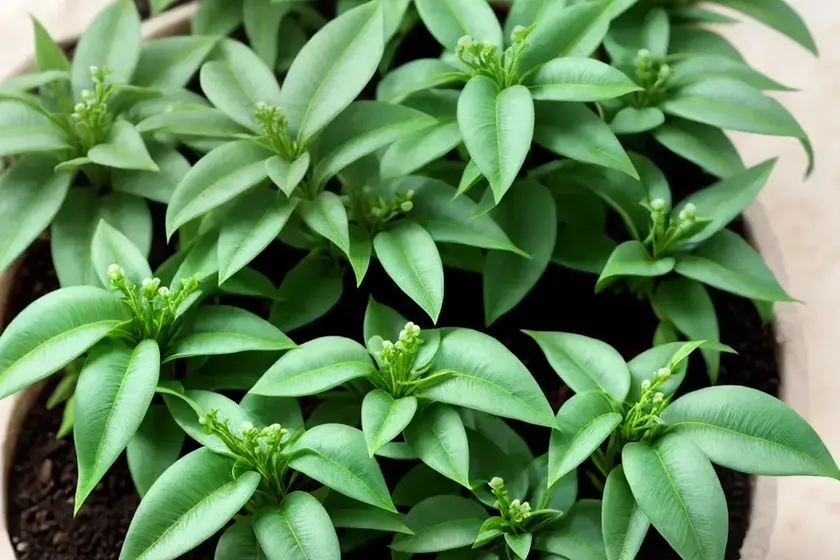
Plants hold a unique place in our lives, not just for their aesthetic appeal but also for the myriad of benefits they offer. One such plant that has garnered attention for its beauty and versatility is the Bolivian Jew ‘bianca’ (Callisia Repens ‘bianca’). This charming plant with its trailing nature and distinctive foliage has become a popular choice for both indoor and outdoor cultivation. In this comprehensive guide, we will delve into the various aspects of caring for the Bolivian Jew ‘bianca’ plant, exploring its cultural requirements, uses, care tips, and more.
What is Bolivian Jew ‘bianca’ (Callisia Repens ‘bianca’)?
The Bolivian Jew ‘bianca’ is a cultivar of the Callisia repens plant species, which belongs to the Commelinaceae family. Also known as the Turtle Vine or Creeping Inch Plant, the Bolivian Jew ‘bianca’ is revered for its striking variegated leaves and its ability to spread and create lush, green carpets in its surroundings.
Key Takeaways – Bolivian Jew ‘bianca’ (Callisia Repens ‘bianca’)
Before we explore the intricacies of caring for the Bolivian Jew ‘bianca’, let’s take a quick look at the key takeaways:
- Culture: Understanding the cultural preferences of the Bolivian Jew ‘bianca’ is essential for its optimal growth and development.
- Uses: Explore the various uses of this versatile plant, from ornamental purposes to its potential health benefits.
- Water: Discover the watering needs of the Bolivian Jew ‘bianca’ and the best practices for maintaining its moisture levels.
- Sunlight: Learn about the sunlight requirements of the Bolivian Jew ‘bianca’ and how to provide the best lighting conditions for its growth.
- Fertilizer: Identifying the right type of fertilizer and the appropriate feeding regimen for the Bolivian Jew ‘bianca’ is crucial for its overall health.
- Soil: Understanding the soil preferences of this plant and the significance of well-draining substrates.
- Pruning: Explore the pruning techniques and frequency required for maintaining the desired shape and density of the Bolivian Jew ‘bianca’.
- Propagation: Delve into the various methods of propagating the Bolivian Jew ‘bianca’ and how to multiply your plant effectively.
- Container Popularity: Discover why the Bolivian Jew ‘bianca’ thrives as a container plant and the best practices for container gardening.
- Common Diseases: Identify potential diseases that could affect the Bolivian Jew ‘bianca’ and the necessary steps for disease prevention and management.
- Disease Diagnosis: Learn how to recognize and address common diseases that may impact the health of the Bolivian Jew ‘bianca’.
- Common Pests: Explore the pests that could pose a threat to the Bolivian Jew ‘bianca’ and the methods for pest control.
- Botanist’s Tips: Benefit from expert tips and recommendations for ensuring the optimal growth and well-being of the Bolivian Jew ‘bianca’.
- Fun Facts: Uncover intriguing and lesser-known facts about the Bolivian Jew ‘bianca’ that add to its appeal.
Now, let’s embark on an insightful journey into the realm of the Bolivian Jew ‘bianca’, exploring its care needs, unique attributes, and the best practices for nurturing this stunning plant.
Culture of Bolivian Jew ‘bianca’
Understanding the cultural requirements of the Bolivian Jew ‘bianca’ is fundamental for creating an environment that supports its growth and development.
Water
The Bolivian Jew ‘bianca’ thrives in moderately moist conditions, and maintaining adequate soil moisture is crucial for its well-being. Here are the key considerations regarding the water requirements of the Bolivian Jew ‘bianca’:
-
Watering Frequency: Water the Bolivian Jew ‘bianca’ when the top inch of the soil feels dry to the touch. During the active growing season, typically spring and summer, the plant may require more frequent watering. However, in the dormant phase during winter, reduce the watering frequency while ensuring that the soil does not completely dry out.
-
Watering Technique: When watering the Bolivian Jew ‘bianca’, ensure that the water penetrates the soil and reaches the root zone. Avoid overwatering, as excessive moisture can lead to root rot and other complications.
-
Moisture Levels: Aim to maintain consistently moist but not waterlogged soil for the Bolivian Jew ‘bianca’. Mulching the soil surface can help in preserving soil moisture and reducing water evaporation.
Sunlight
Proper sunlight exposure is essential for the Bolivian Jew ‘bianca’ to thrive and exhibit its characteristic variegated foliage. Here’s what you need to know about providing optimal sunlight conditions for this plant:
-
Light Requirements: The Bolivian Jew ‘bianca’ flourishes in bright, indirect light. It should be shielded from direct, intense sunlight, which can cause leaf scorching and damage.
-
Indoor Placement: When grown indoors, position the Bolivian Jew ‘bianca’ near a north or east-facing window where it can receive bright, filtered light throughout the day. Alternatively, you can provide artificial grow lights to supplement natural light if needed.
-
Outdoor Conditions: When cultivating the Bolivian Jew ‘bianca’ outdoors, choose a location that offers dappled sunlight or partial shade, especially during the hottest parts of the day. Protect the plant from prolonged exposure to harsh sunlight, particularly in regions with intense summer heat.
Fertilizer
Applying a balanced fertilizer is essential for supplying the necessary nutrients to the Bolivian Jew ‘bianca’ and facilitating its robust growth. Here are some key points to consider regarding fertilizing this plant:
-
Fertilizer Type: Use a well-balanced, water-soluble fertilizer with a formulation such as 10-10-10 or 20-20-20. This provides the essential macronutrients and micronutrients required for the health and vitality of the Bolivian Jew ‘bianca’.
-
Feeding Frequency: During the active growing season in spring and summer, feed the Bolivian Jew ‘bianca’ with a diluted fertilizer solution every 2-4 weeks. Reduce or eliminate fertilization during the plant’s dormant phase in winter, when its growth slows down.
-
Application Method: Apply the fertilizer to damp soil, as this helps in preventing potential root burn. Dilute the fertilizer as per the manufacturer’s recommendations and avoid overfeeding, which can result in fertilizer buildup and subsequent damage to the plant.
Soil
Creating an ideal growing medium is crucial for the Bolivian Jew ‘bianca’ to establish healthy roots and thrive. Here’s what you need to know about selecting the right soil for this plant:
-
Well-Draining Substrate: The Bolivian Jew ‘bianca’ prefers a well-draining potting mix that allows excess water to flow through and prevents waterlogging. Combine peat moss, perlite, and coarse sand to create a loose, airy substrate that promotes proper drainage.
-
pH Level: Aim for a slightly acidic to neutral soil pH ranging from 6.0 to 7.0 for the Bolivian Jew ‘bianca’. Conduct periodic soil pH testing to ensure that the growing medium remains within the optimal range.
-
Soil Texture: The soil should have a light, fluffy texture that facilitates root aeration and prevents compaction. Avoid heavy, compacted soils that can impede drainage and lead to root suffocation.
Pruning the Bolivian Jew ‘bianca’
Regular pruning is essential for maintaining the desired shape and appearance of the Bolivian Jew ‘bianca’ while also promoting its overall health. Here’s a guide to pruning this plant effectively:
-
Pruning Frequency: Prune the Bolivian Jew ‘bianca’ as needed to control its size and shape, remove any leggy or discolored growth, and encourage bushier, more compact foliage.
-
Pruning Technique: Use clean, sharp scissors or pruning shears to make precise cuts on the Bolivian Jew ‘bianca’. Trim the stems just above a leaf node or lateral shoot to promote new growth and prevent unsightly stubs.
-
Propagation: You can propagate the Bolivian Jew ‘bianca’ using the cuttings obtained during pruning. This allows you to multiply your plant and cultivate new specimens.
Propagation of the Bolivian Jew ‘bianca’
The ability to propagate the Bolivian Jew ‘bianca’ through various methods allows plant enthusiasts to expand their collection and share this beautiful plant with others. Here are the propagation methods for the Bolivian Jew ‘bianca’:
-
Stem Cuttings: Take stem cuttings from healthy, mature stems of the Bolivian Jew ‘bianca’. Make the cut just below a node and remove any lower leaves to expose the node. Place the cutting in a moist, well-draining propagation medium, such as perlite or a peat-based potting mix, and provide bottom heat and humidity to encourage root development.
-
Division: If the Bolivian Jew ‘bianca’ has densely clumped growth, you can carefully divide the plant into smaller sections, ensuring that each division has its share of roots and foliage. Replant the divisions in suitable containers or garden spaces.
-
Water Propagation: Place Bolivian Jew ‘bianca’ cuttings in a jar of water, ensuring that the lower nodes are submerged. Change the water regularly to prevent stagnation and monitor the development of roots. Once the roots have sufficiently developed, you can transplant the cuttings into the desired growing medium.
Understanding the propagation methods of the Bolivian Jew ‘bianca’ empowers plant enthusiasts to expand their collection and engage in the rewarding process of cultivating new plants.
Common Diseases and Pests Affecting the Bolivian Jew ‘bianca’
Awareness of the potential diseases and pests that can afflict the Bolivian Jew ‘bianca’ is essential for maintaining the plant’s health and vigor. Here’s an overview of common diseases and pests affecting this plant:
Common Diseases
-
Root Rot: Excessive soil moisture and poor drainage can lead to root rot in the Bolivian Jew ‘bianca’. Symptoms include wilting, yellowing leaves, and a foul odor emanating from the soil. Address root rot by adjusting the watering frequency, improving soil drainage, and, if necessary, repotting the plant in fresh, well-draining soil.
-
Powdery Mildew: Fungal infections such as powdery mildew can affect the foliage of the Bolivian Jew ‘bianca’, leading to the development of white, powdery patches on the leaves. Provide adequate air circulation, avoid overhead watering, and apply fungicidal treatments to manage powdery mildew.
-
Leaf Spot: Leaf spot diseases manifest as dark, discolored lesions on the foliage of the Bolivian Jew ‘bianca’. Ensure proper airflow around the plant, avoid wetting the foliage during watering, and prune affected leaves to prevent the spread of leaf spot.
Disease Diagnosis
When diagnosing diseases affecting the Bolivian Jew ‘bianca’, carefully observe the plant for any signs of distress, including wilting, discoloration, and unusual growth patterns. Conduct a thorough assessment of the plant’s cultural conditions, including its watering, lighting, and environmental factors, to identify potential causes of disease.
Common Pests
-
Spider Mites: These tiny pests can infest the Bolivian Jew ‘bianca’ and cause stippling, webbing, and overall decline in plant health. Mitigate spider mite infestations by increasing humidity, regularly washing the foliage, and applying horticultural oil or insecticidal soap.
-
Mealybugs: Mealybugs are common pests that can affect the Bolivian Jew ‘bianca’, feeding on the plant’s sap and causing damage to the foliage. Use a cotton swab dipped in rubbing alcohol to remove individual mealybugs, or apply neem oil to control larger infestations.
Botanist’s Tips for Bolivian Jew ‘bianca’ Care
Benefit from expert recommendations and insights to optimize the care and cultivation of the Bolivian Jew ‘bianca’:
-
Humidity: Enhance the humidity levels around the Bolivian Jew ‘bianca’ by misting the foliage regularly, using a humidifier, or placing the plant on a pebble tray filled with water.
-
Temperature: Maintain a consistent, moderate temperature range for the Bolivian Jew ‘bianca’, avoiding extremes that could stress the plant. Ideal temperatures range from 65-75°F (18-24°C).
-
Repotting: When the Bolivian Jew ‘bianca’ outgrows its current container or exhibits signs of root congestion, consider repotting it into a slightly larger pot with fresh, well-draining potting mix.
-
Grooming: Regularly remove any spent flowers, yellowing leaves, or debris from the Bolivian Jew ‘bianca’ to maintain a tidy and healthy appearance.
-
Overwintering: During the winter months, reduce watering and limit fertilization to accommodate the Bolivian Jew ‘bianca’s natural dormancy period.
Fun Facts about the Bolivian Jew ‘bianca’
Uncover some intriguing and captivating facts about the Bolivian Jew ‘bianca’:
-
The variegated foliage of the Bolivian Jew ‘bianca’ showcases a mesmerizing blend of cream, green, and pink tones, adding visual interest to any setting.
-
The trailing nature of the Bolivian Jew ‘bianca’ makes it an excellent candidate for hanging baskets, cascading displays, and vertical gardens.
-
The botanical name Callisia repens is derived from the Greek word ‘kallos,’ meaning beautiful, alluding to the plant’s attractive appearance.
-
The Bolivian Jew ‘bianca’ is revered for its air-purifying qualities, contributing to enhanced indoor air quality and a healthier living environment.
Links to External Resources
For further exploration and in-depth information about the Bolivian Jew ‘bianca’ (Callisia Repens ‘bianca’), refer to the following external resources:
- The Spruce – Callisia Repens: How to Grow and Care for the Bolivian Jew Plant
- Gardening Know How – Bolivian Jew Care
- University of Florida Gardening Solutions – Turtle Vine
- PlantCareToday – Planting, Growing, and Caring for Callisia Repens
- Cactus Jungle – Callisia Repens Myrtle
In conclusion, the Bolivian Jew ‘bianca’ (Callisia Repens ‘bianca’) is a captivating and versatile plant that adds a touch of elegance and natural beauty to any space. By understanding its cultural requirements, adopting best practices for care, and being mindful of potential diseases and pests, plant enthusiasts can cultivate thriving Bolivian Jew ‘bianca’ specimens that adorn both indoor and outdoor environments. The unique characteristics and captivating charm of this plant make it a valuable addition to any plant collection, enriching living spaces and bringing joy to those who admire its exquisite foliage. Whether hanging gracefully from a basket or adorning a desktop with its trailing beauty, the Bolivian Jew ‘bianca’ is sure to captivate the hearts of plant enthusiasts and bring a fresh burst of greenery into their lives.