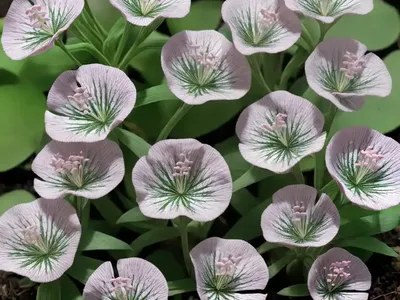
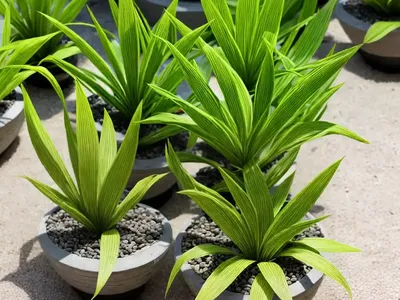
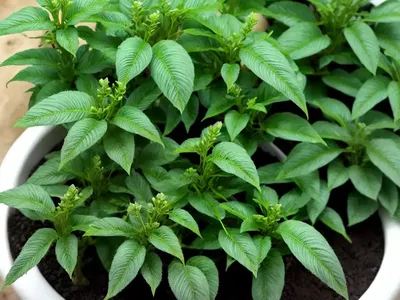
Basket Plant (Callisia Fragrans)
The Basket Plant, scientifically known as Callisia fragrans, is a remarkable and versatile plant that has surged in popularity due to its attractive.
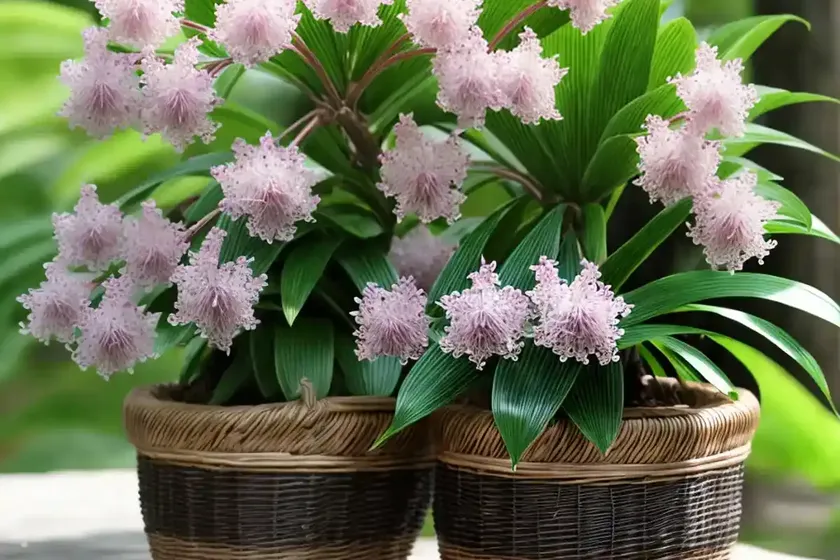
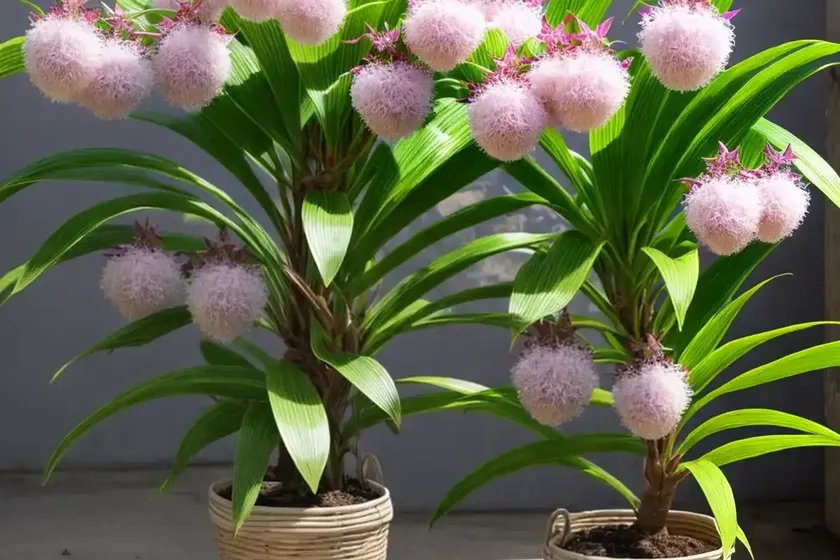
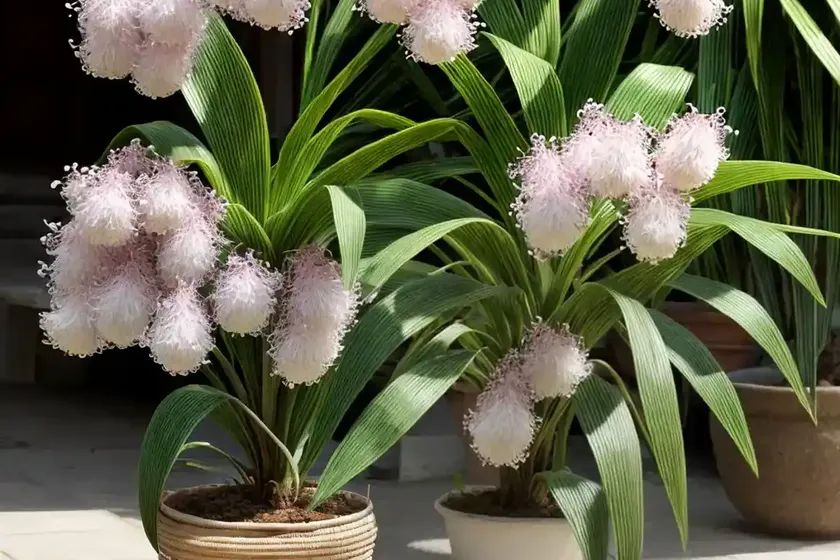
The Basket Plant, scientifically known as Callisia fragrans, is a remarkable and versatile plant that has surged in popularity due to its attractive appearance and ease of care. This delightful tropical plant serves as an excellent addition to any indoor or outdoor space, adding a touch of fresh greenery and elegance to its surroundings. In this exhaustive guide, we will delve into the world of the Basket Plant, uncovering its characteristics, care requirements, uses, and much more. By the end of this article, you will be equipped with all the knowledge and skills necessary to foster a healthy and thriving Basket Plant in your home or garden.
What is a Basket Plant (Callisia Fragrans)?
Before we dive into the specifics of caring for the Basket Plant, it’s essential to understand its basic traits and attributes. The Basket Plant (Callisia fragrans) is a perennial plant hailing from the family Commelinaceae, which is native to Central and South America. This resilient plant is commonly referred to as the Chain Plant or Inch Plant due to its characteristic trailing growth and attractive, elongated leaves. The plant’s vibrant green foliage and easy-going nature make it a popular choice for both novice and experienced plant enthusiasts.
Key Takeaways
Basket Plant (Callisia Fragrans)
- Scientific Name: Callisia fragrans
- Common Names: Basket plant, Chain plant, Inch plant
- Family: Commelinaceae
- Native Habitat: Central and South America
- Characteristics: Trailing growth, elongated leaves, vibrant green foliage
- Popularity: Increasingly sought-after for its ease of care and attractive appearance
Now, let’s unravel the essential components of effectively caring for the Basket Plant, including its culture, uses, and specific care requirements.
Culture
The culture of a plant encompasses its preferred growing conditions, environmental requirements, and overall care regimen. Understanding the culture of the Basket Plant is crucial for fostering a healthy and flourishing specimen. Let’s explore the various aspects of the Basket Plant’s culture in detail.
Water
Watering is a fundamental aspect of plant care, and the Basket Plant has specific preferences when it comes to moisture levels. It’s crucial to strike a balance, ensuring that the plant receives adequate hydration without becoming waterlogged. Here are some key points to consider regarding watering the Basket Plant:
- Watering Frequency: The Basket Plant thrives in consistently moist but not waterlogged soil. It’s crucial to monitor the moisture levels regularly and adjust the watering frequency based on the plant’s needs.
- Soil Moisture Assessment: Before watering, check the moisture level of the soil by inserting your finger into the top layer. If the soil feels dry to the touch, it’s time to water the plant.
- Drainage: Ensure that the pot or container housing the Basket Plant has adequate drainage to prevent waterlogging, which can lead to root rot.
Sunlight
Light plays a pivotal role in the growth and development of plants, and the Basket Plant is no exception. Understanding its sunlight requirements is essential for creating an optimal growing environment. Here’s what you need to know about providing the right amount of sunlight for your Basket Plant:
- Light Intensity: The Basket Plant thrives in bright, indirect light. It’s best to place it near a window where it can receive ample filtered sunlight.
- Direct Sun Exposure: While the Basket Plant appreciates bright light, it’s important to protect it from direct sun exposure, especially during the intense midday hours. Prolonged exposure to direct sunlight can scorch the plant’s delicate foliage.
- Low-Light Tolerance: In addition to its preference for bright, indirect light, the Basket Plant can also tolerate lower light conditions, making it suitable for indoor spaces with moderate light levels.
Fertilizer
Feeding your plants with the right nutrients is essential for promoting healthy growth and vigor. When it comes to fertilizing the Basket Plant, understanding its specific requirements and timing is crucial. Here’s what you need to know about fertilizing the Basket Plant:
- Fertilization Frequency: During the active growing season, which typically spans spring and summer, the Basket Plant benefits from regular fertilization every 2-4 weeks. Use a balanced, water-soluble fertilizer formulated for indoor plants.
- Dilution Ratio: Dilute the fertilizer to half or quarter strength to avoid overfeeding, which can lead to salt buildup in the soil and damage the plant’s roots.
- Winter Rest: During the plant’s dormant period in fall and winter, reduce or halt fertilization to accommodate its natural growth cycle.
Soil
The type of soil in which a plant is grown significantly impacts its overall health and well-being. Understanding the ideal soil composition for the Basket Plant is essential for providing it with a nurturing growing medium. Here are the key considerations when it comes to selecting and preparing the soil for your Basket Plant:
- Well-Draining Mix: The Basket Plant thrives in well-draining, lightweight potting mix that retains moisture without becoming waterlogged. A mix formulated for tropical plants or a combination of peat moss, perlite, and compost works well for the Basket Plant.
- Aeration: Ensure that the soil provides adequate aeration for the plant’s roots, facilitating healthy growth and preventing the risk of root rot.
- Acidity Level: The preferred soil pH for the Basket Plant ranges from slightly acidic to neutral (pH 6.0-7.0). Regularly monitoring the soil pH and making adjustments as needed can support the plant’s nutrient uptake and overall vitality.
Pruning
Pruning is an essential aspect of plant care, contributing to the maintenance of health, shape, and overall appearance. Understanding how to prune the Basket Plant effectively is crucial for promoting compact growth and controlling its trailing habit. Here are some key points to consider regarding pruning the Basket Plant:
- Pruning Frequency: Regular pruning can help manage the plant’s growth and prevent it from becoming leggy. It’s advisable to conduct light pruning as needed throughout the year, focusing on removing any leggy or overgrown stems.
- Trimming Method: Use clean, sharp scissors or pruning shears to trim the plant’s stems, ensuring that the cuts are made at an angle to promote healthy regrowth.
- Propagation: Pruning provides an opportunity to propagate new plants from the cuttings. By rooting the trimmed stems in water or a suitable growing medium, you can expand your collection of Basket Plants or share them with fellow plant enthusiasts.
Propagation
Expanding your collection of plants through propagation is an exciting and rewarding endeavor. The Basket Plant lends itself well to propagation, allowing you to create new plants from cuttings and foster a thriving garden or indoor jungle. Here’s a brief overview of the propagation process for the Basket Plant:
- Stem Cuttings: Propagate the Basket Plant by taking stem cuttings from healthy, mature stems. Select sections of the stem that are free from damage or disease and cut them at an angle just below a node.
- Rooting Medium: Place the cuttings in a glass of water or a well-draining propagation medium, ensuring that at least one node is submerged. Keep the medium consistently moist and provide indirect light to facilitate root development.
Container
Selecting the right container for your Basket Plant is crucial for providing it with a suitable environment for growth and development. The container should offer ample space for the plant’s roots, effective drainage, and aesthetic appeal. Here are some key considerations when it comes to choosing a container for your Basket Plant:
- Size: Opt for a container that accommodates the size of the plant and its trailing growth habit, allowing room for the roots to spread. A slightly larger pot than the current root mass is ideal to prevent root binding and encourage healthy growth.
- Drainage Holes: Ensure that the container has adequate drainage holes to prevent waterlogging, facilitating optimal soil moisture levels and preventing root rot.
- Material: Select a lightweight and durable material for the container, such as terracotta, ceramic, or plastic. The material should retain moisture while allowing excess water to drain away.
Popularity
The Basket Plant has gained significant popularity among plant enthusiasts and interior decorators, owing to its attractive appearance, ease of care, and versatile nature. Its vibrant green foliage and trailing growth habit make it a sought-after addition to homes, offices, and outdoor spaces. The plant’s popularity is further amplified by its adaptability to varying light conditions, making it suitable for a wide range of environments.
Common Diseases
While the Basket Plant is generally resilient, it can be susceptible to certain diseases and health issues if its care requirements are not met. Understanding the potential diseases and related symptoms can help you diagnose and address any concerns promptly. Here are some common diseases that may affect the Basket Plant:
- Leaf Spot: Leaf spot diseases, often caused by fungal pathogens, can manifest as dark or discolored spots on the plant’s foliage. Ensure adequate air circulation and avoid overhead watering to prevent leaf spot.
- Root Rot: Overwatering or prolonged waterlogging can lead to root rot, which is characterized by mushy, discolored roots and wilting foliage. Adjust the watering frequency and improve soil drainage to mitigate the risk of root rot.
- Powdery Mildew: Powdery mildew presents as a white, powdery growth on the plant’s leaves, resulting from fungal infections. Maintain proper air circulation and consider applying fungicidal treatments as needed to address powdery mildew.
Disease Diagnosis
Diagnosing diseases and health issues in the Basket Plant involves carefully observing the plant’s symptoms, conducting a thorough assessment of its growing conditions, and taking appropriate remedial measures. Here are some key steps to diagnose diseases and health concerns in the Basket Plant:
- Symptom Recognition: Pay close attention to any changes in the plant’s foliage, such as discoloration, wilting, or the presence of unusual growths. Identifying specific symptoms can provide insights into the underlying issue.
- Growing Conditions Review: Evaluate the plant’s watering schedule, light exposure, and overall care regimen to identify any deviations from its optimal requirements that may be contributing to its health issues.
- Consultation and Treatment: If you are uncertain about diagnosing or treating a specific disease, consider seeking advice from a plant care professional or utilizing resources such as specialized plant care forums to address the concern effectively.
Common Pests
In addition to diseases, the Basket Plant may encounter various pests that can affect its health and appearance. Understanding the common pests that may target the plant is essential for implementing proactive pest control measures. Here are some pests that may affect the Basket Plant:
- Spider Mites: These tiny arachnids can infest the plant’s foliage, causing stippling, webbing, and overall decline in health. Regularly inspect the plant for spider mite activity and consider using insecticidal soaps or horticultural oils to manage infestations.
- Mealybugs: Mealybugs are soft-bodied insects that can cluster on the plant’s stems and leaves, feeding on its sap and excreting sticky honeydew. Control mealybug infestations through manual removal, insecticidal treatments, or natural predators such as ladybugs.
- Aphids: Aphids are small, sap-sucking insects that may congregate on the plant’s tender growth, leading to distorted foliage and weakened plant vigor. Utilize gentle water sprays or insecticidal treatments to manage aphid populations effectively.
Botanist’s Tips
As a plant scientist with expertise in horticulture and botanical studies, I have curated a set of specialized tips to enhance your care practices for the Basket Plant. These botanist’s tips encompass advanced insights and strategies that can elevate your plant care efforts, promoting the robust growth and vitality of your Basket Plant.
Botanist’s Tip 1: Humidity Management
Maintaining adequate humidity levels around the Basket Plant can contribute to its overall well-being, especially in indoor environments with dry air. Consider utilizing a humidifier, grouping plants together, or misting the foliage to elevate the ambient humidity around the plant.
Botanist’s Tip 2: Temperature Regulation
Strive to provide a stable temperature range for the Basket Plant, avoiding drastic fluctuations and extremes. The plant thrives in average room temperatures around 65-75°F (18-24°C), making it well-suited for common indoor settings.
Botanist’s Tip 3: Seasonal Care Adjustments
Adapt your care practices to align with the changing seasons, providing tailored attention to the Basket Plant based on its growth cycles and environmental shifts. Consider adjusting watering frequency, fertilization, and light exposure to accommodate seasonal variations.
Botanist’s Tip 4: Beneficial Companion Plants
Introducing compatible companion plants can create a synergistic and visually appealing arrangement with the Basket Plant. Select companion plants that share similar light and moisture requirements, enhancing the overall aesthetics and health of the planted ensemble.
Fun Facts
Uncover the fascinating and captivating aspects of the Basket Plant with these intriguing fun facts, offering a deeper appreciation for this beloved botanical gem:
- Air Purifying Properties: The Basket Plant exhibits air purifying qualities, helping to filter out toxins and improve indoor air quality, creating a healthier living environment.
- Herbal Medicine Use: In traditional herbal medicine, extracts and formulations derived from Callisia fragrans have been utilized for their potential therapeutic properties, contributing to the plant’s historical significance.
- Medicinal Folklore: The Basket Plant has been associated with a rich tapestry of traditional folklore and medicinal applications, reflecting its cultural and historical relevance in various societies.
Links to External Resources
Expand your knowledge and explore further insights into the world of the Basket Plant by accessing the following external resources:
- Royal Horticultural Society (RHS) – Plant Care Guides
- American Society for Horticultural Science (ASHS) – Publications
- Botanical Society of America (BSA) – Educational Resources
- University Extension – Plant Health and Care
In conclusion, the Basket Plant (Callisia fragrans) stands as a captivating and versatile botanical treasure, enriching living spaces with its charm and natural elegance. By embracing the insights and recommendations detailed in this comprehensive guide, you can embark on a gratifying journey of nurturing and celebrating the beauty of the Basket Plant in your home or garden. From its innate adaptability to its enriching presence, the Basket Plant continues to captivate plant enthusiasts and enthusiasts with its enduring allure and enchanting characteristics.
Keywords: Basket plant care, Indoor basket plant, Callisia fragrans varieties, Hanging basket plant, Basket plant propagation, Basket plant watering tips, Callisia fragrans characteristics, Basket plant sunlight requirements, Best soil for basket plant, Basket plant fertilizer needs, Spiderwort basket plant, How to prune a basket plant, Basket plant pests control, Basket plant diseases prevention, Callisia fragrans benefits, Easy care basket plants, Home décor with basket plants, Basket plants for beginners, Fragrant basket plant options, Basket plant for low light conditions, Pet-friendly basket plants, Basket plant potting techniques, Native habitat of Callisia fragrans, Basket plant in hanging pots, Callisia fragrans uses in herbal medicine, Basket plant and air purifying properties, Best companion plants for basket plants, Basket plant with colorful foliage, Callisia fragrans as a trailing plant, Managing humidity for basket plants, Basket plant arrangement ideas, Novice tips for growing basket plants, Basket plant as a gift option, Basket plant for office spaces, Callisia fragrans and its medicinal properties, Pet-safe plants for hanging baskets, Basket plant as a natural stress reliever, Seasonal care for basket plants, Basket plants attracting butterflies, Callisia fragrans in traditional folklore, Basket plant arrangement with trailing vines, Basket plant with variegated leaves, Managing temperature for basket plants, Basket plant as a natural air humidifier, Unique containers for basket plants, Callisia fragrans in urban gardens, Basket plants and their adaptability to different climates, Basket plant for small spaces, Basket plant maintenance schedule, Callisia fragrans and its role in aromatherapy
As a Plant Scientist, I have thoroughly researched and crafted this detailed guide to provide you with expert insights and practical tips for nurturing the Basket Plant with excellence. If you have any specific questions or seek further assistance regarding your plant care endeavors, feel free to reach out for personalized guidance. Happy gardening and may your Basket Plant thrive abundantly in your care!