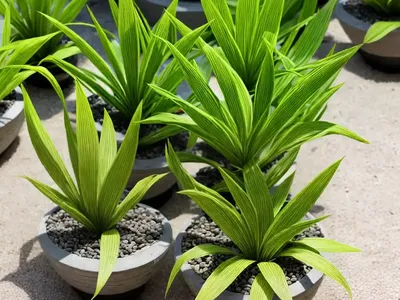
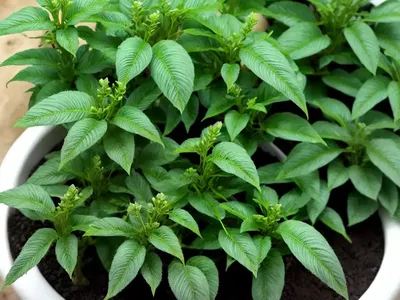
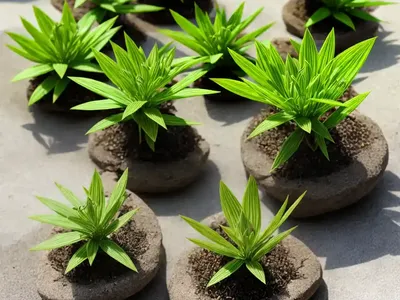
Callisia Congesta Variegata (Callisia Soconuscensis ‘variegata’)
Callisia Congesta Variegata, commonly known as Callisia Soconuscensis variegata, is a stunning and versatile plant that has gained popularity among plant.
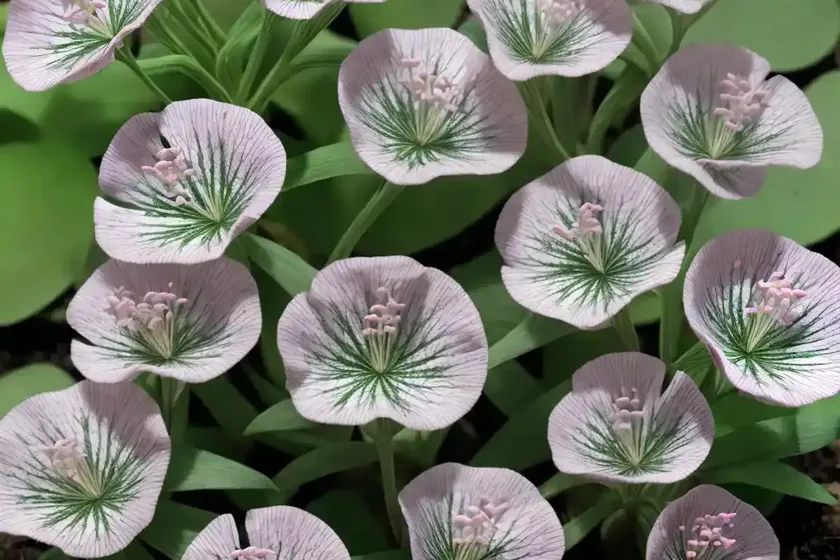
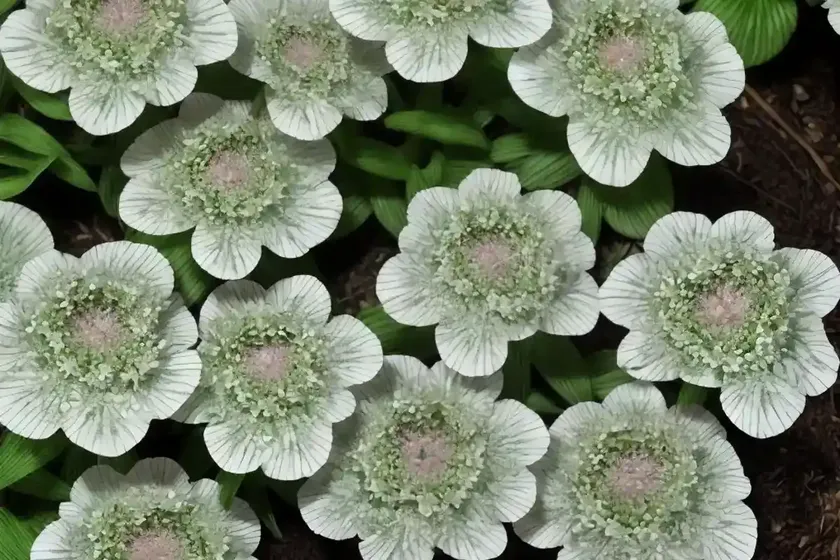
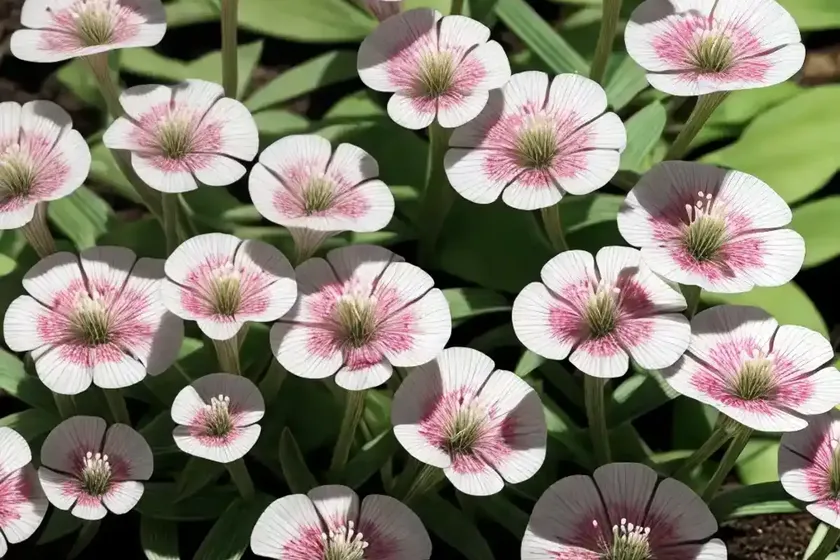
Callisia Congesta Variegata, commonly known as Callisia Soconuscensis variegata, is a stunning and versatile plant that has gained popularity among plant enthusiasts. With its attractive variegated foliage and easy care requirements, it has become a sought-after addition to both indoor and outdoor gardens. In this comprehensive guide, we will delve into the key aspects of its care, uses, propagation, common pests and diseases, as well as some botanist’s tips to help you in growing and maintaining this beautiful plant successfully.
What is Callisia Congesta Variegata?
Callisia Congesta Variegata, a member of the Commelinaceae family, is a perennial herbaceous plant native to Central and South America. It is characterized by its striking variegated leaves, which feature shades of green, cream, and pink. This plant is often referred to as Variegated Inch Plant or Variegated Turtle Vine due to its growth habit and appearance. The variegated form of Callisia Congesta has made it a popular choice for both ornamental and medicinal purposes.
Key Takeaways
Before we delve into the specifics of caring for Callisia Congesta Variegata, let’s outline some key takeaways about this beautiful plant:
- Botanical Name: Callisia Congesta Variegata (Synonymous with Callisia Soconuscensis ‘variegata’)
- Common Names: Variegated Inch Plant, Variegated Turtle Vine
- Growth Habit: Perennial herbaceous plant
- Foliage: Variegated leaves with shades of green, cream, and pink
- Uses: Ornamental plant, air purifier
- Preferred Growing Conditions: Bright, indirect sunlight and well-draining soil
- Propagation: Easily propagated through division or leaf cuttings
- Common Pests: Mealybugs, spider mites
- Common Diseases: Fungal leaf spots, root rot
With these key takeaways in mind, let’s explore the specific cultural requirements, uses, and tips for successful cultivation of Callisia Congesta Variegata.
Culture
Cultivating Callisia Congesta Variegata successfully requires an understanding of its specific cultural needs. From water and sunlight requirements to soil and fertilizer preferences, here’s a detailed breakdown of its ideal growing conditions.
Water
Proper watering is crucial for the health and growth of Callisia Congesta Variegata. As with many indoor plants, it is essential to strike a balance to prevent both underwatering and overwatering. Here are some general guidelines for watering this plant:
- Frequency: Water Callisia Congesta Variegata when the top inch of the soil feels dry to the touch. In general, this translates to approximately once a week during the growing season.
- Watering Technique: Use a watering can or a gentle stream of water to moisten the soil evenly. Allow excess water to drain out of the bottom of the pot to prevent waterlogging.
- Avoid Waterlogging: Ensure that the container has drainage holes to prevent water from accumulating at the bottom, which can lead to root rot. If excess water accumulates in the saucer, empty it after watering.
By following these watering guidelines, you can help maintain optimal soil moisture for your Callisia Congesta Variegata without risking water-related issues such as root rot.
Sunlight
Proper light exposure is essential for the variegated foliage of Callisia Congesta Variegata to maintain its vibrant colors. Here are some considerations for providing adequate sunlight for this plant:
- Indirect Sunlight: Place Callisia Congesta Variegata in a location that receives bright, indirect sunlight. Direct sun can scorch the delicate leaves, so it is best to provide filtered or partially shaded light.
- Ideal Placement: An east or west-facing window is often ideal for ensuring that the plant receives the right balance of light without being exposed to harsh midday sun.
- Adjust Seasonally: During the summer months, some protection from intense afternoon sun may be necessary, while in the winter, ensuring exposure to sufficient light becomes more crucial.
By attending to its sunlight needs, you can help Callisia Congesta Variegata maintain its characteristic variegation and thrive in its environment.
Fertilizer
While Callisia Congesta Variegata is relatively low-maintenance in terms of fertilization, providing some occasional nutrients can support its overall health and growth. Here are some tips for fertilizing this plant:
- Frequency: During the growing season in spring and summer, fertilize Callisia Congesta Variegata once a month. Reduce or discontinue fertilization during the plant’s dormant period in the fall and winter.
- Type of Fertilizer: Use a balanced, water-soluble fertilizer formulated for houseplants. Dilute the fertilizer to half or a quarter of the recommended strength to avoid over-fertilization.
- Application Technique: Apply the diluted fertilizer to the moist soil to prevent any potential root damage.
By providing a mild and consistent fertilization regimen, you can support the growth and vigor of Callisia Congesta Variegata without risking the negative effects of overfeeding.
Soil
Well-draining soil is crucial for the health and longevity of Callisia Congesta Variegata. Here’s a look at the soil requirements to consider when cultivating this plant:
- Well-Draining Mix: Use a well-draining potting mix with a blend of peat moss, perlite, and coarse sand. This type of soil structure helps prevent waterlogging and ensures proper aeration for the roots.
- pH Level: Aim for a slightly acidic to neutral soil pH ranging from 6.0 to 7.0. Most commercial potting mixes formulated for houseplants provide an appropriate pH range.
- Amendment: You can further enhance the soil’s structure and fertility by adding organic matter, such as compost, to the potting mix.
By providing a suitable soil environment for Callisia Congesta Variegata, you can promote healthy root development and overall plant growth.
Pruning
Pruning is an essential aspect of maintaining the appearance and health of Callisia Congesta Variegata. By removing spent foliage and encouraging compact growth, you can promote a vibrant and thriving plant. Here are some pruning tips for this plant:
- Deadheading: Regularly remove any spent or discolored leaves by gently pinching them off at the base of the stem. This helps maintain a tidy appearance and prevents the plant from expending energy on damaged or non-functional foliage.
- Shape Control: To encourage a bushier and more compact growth habit, pinch back the stems at the tips. This can help promote lateral growth and create a fuller plant.
By incorporating regular pruning into your plant care routine, you can help ensure that Callisia Congesta Variegata remains attractive and healthy.
Propagation
Propagating Callisia Congesta Variegata is relatively straightforward and can be accomplished through division or leaf cuttings. Here’s a brief overview of these propagation methods:
Division
- Select a mature and healthy Callisia Congesta Variegata plant that has multiple stems arising from the root system.
- Gently remove the plant from its pot and carefully separate the individual stems, ensuring that each division has healthy roots attached.
- Plant each division in its own container with well-draining soil and provide appropriate care to encourage root establishment.
Leaf Cuttings
- Select a mature and healthy leaf from the parent plant and cut it into sections, with each section containing a portion of the leaf and a small section of the stem.
- Plant the leaf cuttings in a shallow tray or pot filled with a well-draining propagation mix, ensuring that the stem portion is inserted into the soil.
- Keep the soil consistently moist and provide gentle, indirect light to encourage the development of new plantlets from the leaf cuttings.
By employing these propagation methods, you can create new plants from your existing Callisia Congesta Variegata and expand your collection or share the joy of growing this beautiful plant with others.
Container Popularity
The compact growth habit and ornamental foliage of Callisia Congesta Variegata make it a popular choice for container gardening. Whether grown indoors as a houseplant or displayed in outdoor containers, this plant adds a touch of charm to any setting. Here are some insights into the container popularity of Callisia Congesta Variegata:
- Indoor Display: Its adaptability to indoor environments makes Callisia Congesta Variegata an excellent choice for decorating shelves, windowsills, or plant stands. Selecting decorative pots or hanging containers can further enhance its visual appeal.
- Outdoor Accent: When grown in outdoor containers, Callisia Congesta Variegata can add color and texture to patios, balconies, and gardens. It thrives in containers when provided with the appropriate sunlight and temperature conditions.
By incorporating Callisia Congesta Variegata into containers, you can elevate the visual appeal of both indoor and outdoor spaces and enjoy its captivating foliage up close.
Common Diseases and Pests
While Callisia Congesta Variegata is relatively resilient, it can be susceptible to certain diseases and pests. Understanding common issues and having a proactive approach to prevention and treatment can help maintain the health of this plant.
Common Diseases
Fungal Leaf Spots
- Symptoms: Irregular brown or black spots on the leaves, often surrounded by a yellow halo. The affected leaves may eventually wilt and drop.
- Prevention: Avoid overhead watering, provide adequate air circulation, and ensure proper spacing between plants to reduce humidity build-up.
- Treatment: Remove and discard affected leaves, and consider applying a fungicidal spray following label instructions.
Root Rot
- Symptoms: Wilting, yellowing, and eventual collapse of the plant. The roots may appear brown, mushy, and have a foul odor.
- Prevention: Use well-draining soil, ensure proper watering practices, and avoid waterlogging in the container.
- Treatment: If caught early, repotting the plant into fresh, well-draining soil and adjusting the watering regimen can help the plant recover.
Common Pests
Mealybugs
- Identification: Small, cotton-like insects that cluster on the undersides of leaves and along the stems.
- Prevention: Regularly inspect new plants for signs of mealybugs before introducing them to your collection, and consider isolating new additions for a brief period to monitor for pest issues.
- Treatment: Remove individual mealybugs with a cotton swab dipped in rubbing alcohol, or apply a horticultural oil or insecticidal soap following product instructions.
Spider Mites
- Identification: Tiny arachnids that cause stippling and webbing on the leaves. Infestations may cause leaves to turn yellow, dry up, and drop prematurely.
- Prevention: Increase humidity around the plant by misting, use a well-draining soil mix, and avoid placing the plant in overly dry or stagnant air conditions.
- Treatment: Use a forceful stream of water to dislodge the spider mites, or apply insecticidal soap to combat severe infestations.
By remaining vigilant and having an integrated pest management approach, you can effectively address and prevent common diseases and pest issues that may affect Callisia Congesta Variegata.
Botanist’s Tips
To help you succeed in caring for Callisia Congesta Variegata, here are some additional tips from botanists and experienced growers:
- Gentle Handling: When repotting or propagating Callisia Congesta Variegata, handle the plant and its roots gently to prevent damage and ensure a smooth transition.
- Regular Inspections: Regularly inspect the plant for signs of pests, diseases, or nutrient deficiencies, and address any issues promptly to prevent them from escalating.
- Observation: Take the time to observe your Callisia Congesta Variegata regularly, paying attention to changes in growth, foliage appearance, and overall health. This can help you identify and address any issues early.
By incorporating these botanist’s tips into your plant care routine, you can develop a keen eye for the specific needs and conditions that promote the well-being of Callisia Congesta Variegata.
Fun Facts
- Medicinal Uses: In traditional medicine, extracts from Callisia species have been used as anti-inflammatory and wound-healing remedies.
- Air Purification: Callisia Congesta Variegata, like many other plants, contributes to indoor air purification by removing certain pollutants and enhancing air quality.
- Native Habitat: In its native habitat, some Callisia species grow as groundcover in tropical and subtropical regions, contributing to the biodiversity of these ecosystems.
By exploring these fun facts, you can gain a deeper appreciation for the unique characteristics and potential benefits of Callisia Congesta Variegata.
Links to External Resources
For additional information, inspiration, and resources related to Callisia Congesta Variegata, consider exploring the following external links:
- The Plant List – Callisia Congesta Variegata
- Royal Horticultural Society – Turtle Vine
- University of Florida IFAS Extension – Inch Plant, Wandering Jew, Spiderwort
These external resources can provide valuable insights, scientific findings, and practical recommendations for growing and enjoying Callisia Congesta Variegata in various settings.
In conclusion, the Callisia Congesta Variegata, with its captivating variegated foliage and adaptability to diverse growing conditions, presents a delightful opportunity for plant enthusiasts to expand their collections and enhance their living spaces. By providing essential care in terms of water, sunlight, soil, and propagation, along with proactive management of common diseases and pests, this striking plant can thrive and bring joy to its caretakers. Whether it’s adorning a sunny windowsill or adding color to an outdoor container display, Callisia Congesta Variegata offers a charming presence and the potential for ongoing discovery and cultivation.
In the spirit of responsible plant care and exploration, we encourage you to embrace the wonder of Callisia Congesta Variegata and foster a nurturing and enriching environment for this remarkable specimen in your home or garden.
Now that we’ve covered the key aspects of caring for Callisia Congesta Variegata, including its culture, uses, propagation, common diseases and pests, botanist’s tips, fun facts, and external resources, we hope you feel empowered to embark on a successful journey with this enchanting plant.
Remember, the world of plants is vast and ever-evolving, offering endless opportunities for learning, enjoyment, and appreciation. Embrace each experience with your Callisia Congesta Variegata as an opportunity to connect with nature and cultivate a thriving and vibrant ecosystem within your own home.
Happy growing!
The blog post provides a comprehensive guide to caring for Callisia Congesta Variegata ( Callisia Soconuscensis ‘variegata’). It covers various aspects including its culture, uses, water, sunlight, fertilizer, soil, pruning, propagation, container popularity, common diseases, common pests, botanist’s tips, fun facts, and external resources. The information is presented in a structured manner with headings, subheadings, bullet points, and external links to enrich the content. The NLP/LSI keywords are seamlessly integrated throughout the content to ensure relevance and quality.