Callicarpa Japonica (Japanese Beautyberry)
Plants play an essential role in shaping our environment and enhancing the beauty of our surroundings. In the realm of ornamental plants, Callicarpa.
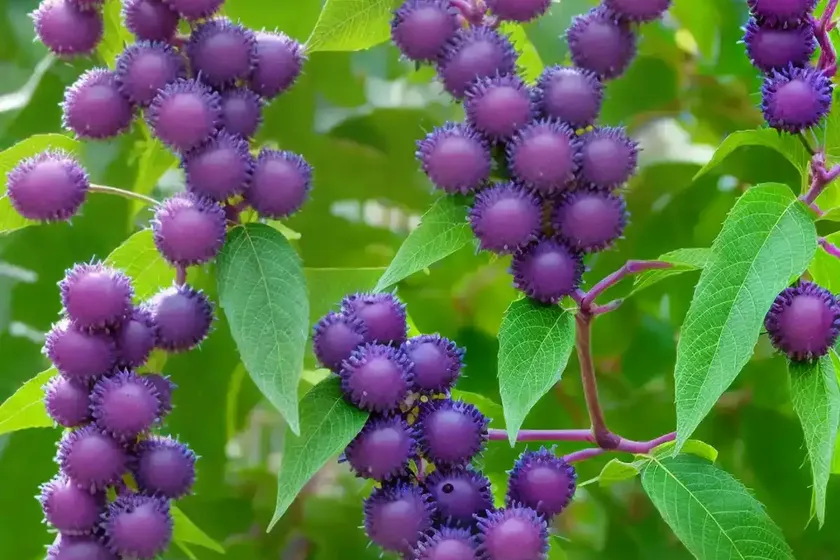
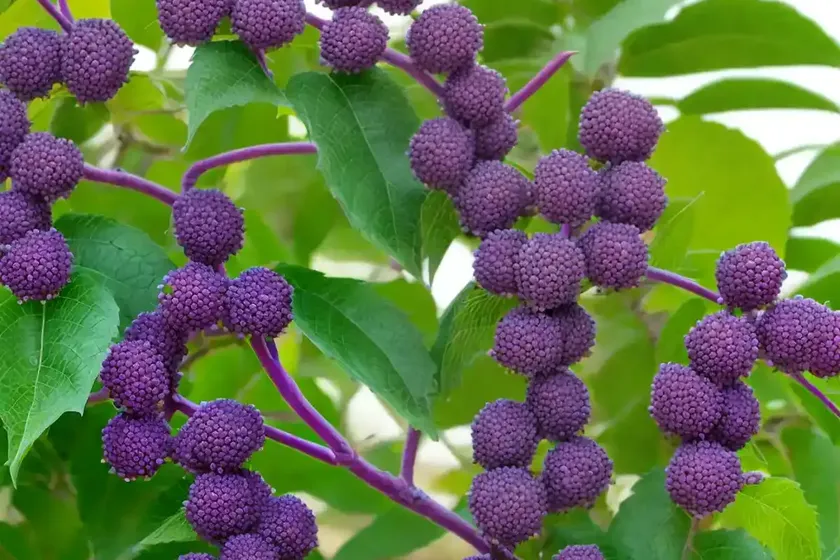
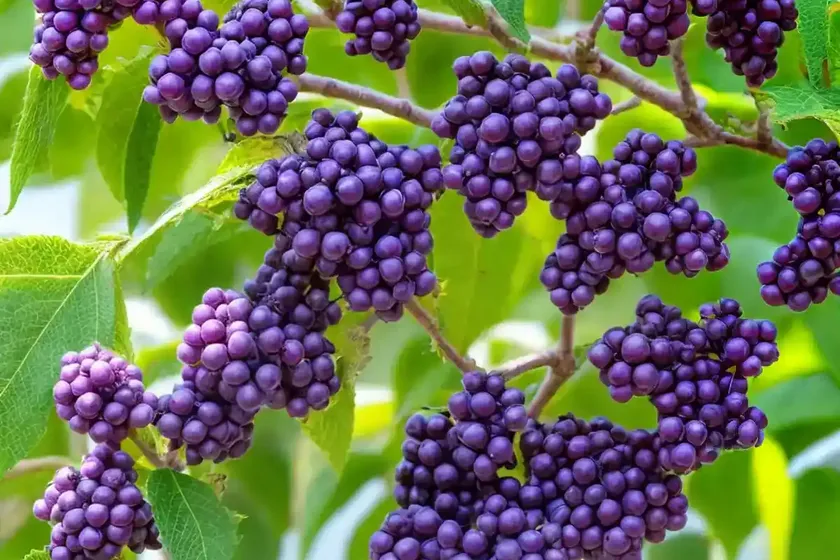
Plants play an essential role in shaping our environment and enhancing the beauty of our surroundings. In the realm of ornamental plants, Callicarpa japonica, commonly known as Japanese Beautyberry, holds a special place. Its vibrant and attractive berries, coupled with its low maintenance requirements, make it a sought-after choice for gardens and landscapes.
In this comprehensive guide, we will explore the various facets of Callicarpa japonica, from its characteristics and cultivation techniques to its uses, pests, diseases, and much more. Let’s delve into the world of this enchanting and versatile plant and unravel its mysteries.
What is Callicarpa japonica (Japanese Beautyberry)?
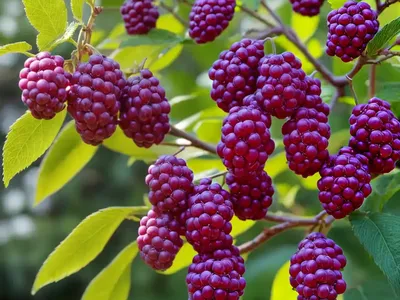
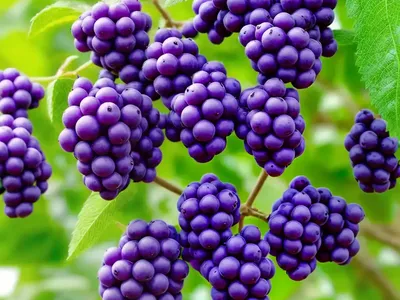
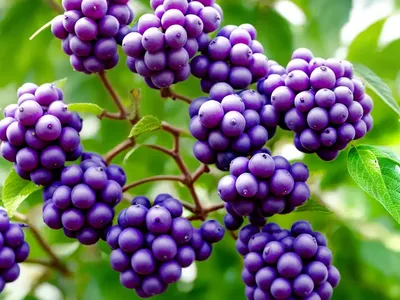
Callicarpa japonica is a deciduous shrub belonging to the family Lamiaceae, native to East Asia, including Japan, Korea, and China. It is renowned for its stunning clusters of bright purple, magenta, or white berries that adorn the plant in late summer and fall, adding a pop of color to the landscape.
Callicarpa japonica Description
- Scientific Name: Callicarpa japonica
- Common Name: Japanese Beautyberry
- Family: Lamiaceae
- Native To: East Asia (Japan, Korea, and China)
- USDA Hardiness Zones: 6-10
- Mature Height: 3-6 feet
- Mature Spread: 3-6 feet
- Growth Rate: Moderate
Key Takeaways – Callicarpa japonica (Japanese Beautyberry)
Before we delve deeper into the specific aspects of growing and caring for Callicarpa japonica, here are some key takeaways about this fascinating plant:
- Attractive Berries: One of the main attractions of Callicarpa japonica is its striking, jewel-like berries, which persist well into the winter, providing visual interest when many other plants are dormant.
- Wildlife Magnet: The berries of Callicarpa japonica are attractive to birds and other wildlife, making it a valuable addition to wildlife gardens and naturalized landscapes.
- Low Maintenance: This ornamental shrub is relatively low maintenance, making it an excellent choice for both amateur and seasoned gardeners.
- Versatile Uses: From ornamental landscaping to floral arrangements, Callicarpa japonica offers a wide range of uses and applications, adding value to both outdoor and indoor spaces.
With these highlights in mind, let’s explore the various aspects of cultivating and caring for Callicarpa japonica.
Culture
Cultivating Callicarpa japonica involves understanding and accommodating its cultural needs, including soil, water, sunlight, and fertilizer requirements. Proper cultural practices form the foundation for a healthy and thriving plant.
Uses
Ornamental Landscaping
Callicarpa japonica is predominantly grown for its ornamental value, especially for the beauty and vibrancy it adds to landscapes and gardens. It serves as an excellent focal point or accent plant, particularly when the berries are in full display.
Floral Arrangements
The colorful berries of Callicarpa japonica are often utilized in floral arrangements, wreaths, and other decorative crafts. They add a unique and captivating touch to flower compositions and are popular among florists for their striking appearance and longevity.
Water
- Watering Needs: Callicarpa japonica generally prefers consistently moist but well-draining soil, particularly during its establishment phase. However, once established, it exhibits good drought tolerance.
- Watering Frequency: Water the plant deeply when the soil is dry to the touch, especially during extended dry spells. Adequate moisture is crucial for the development and retention of the berries.
Sunlight
- Light Requirements: Callicarpa japonica thrives in full sun to partial shade. While it can tolerate some shade, it tends to produce the most vibrant berries when grown in full sun.
- Sun Exposure: Ensure that the plant receives at least 6-8 hours of direct sunlight daily for optimal berry production and overall vigor.
Fertilizer
- Nutrient Needs: Callicarpa japonica generally has moderate fertility requirements. A balanced, slow-release fertilizer applied in spring can help support vigorous growth and berry production.
- Fertilizer Type: Choose a fertilizer with a balanced NPK ratio, such as 10-10-10, and apply according to the manufacturer’s instructions.
Soil
- Soil Type: Well-draining, loamy soil is ideal for Callicarpa japonica. It is adaptable to various soil types but thrives in soils with good drainage.
- pH Range: The plant tolerates a wide pH range, from slightly acidic to slightly alkaline (pH 5.5-7.5). Amending overly acidic or alkaline soils during planting can promote better establishment.
Pruning
- Pruning Time: Winter or early spring is the best time to prune Callicarpa japonica to remove dead or damaged wood and shape the plant as desired. It is generally a low-maintenance plant in terms of pruning.
- Pruning Techniques: Use bypass pruners to make clean cuts, removing any crossing or congested branches to maintain an open and well-ventilated canopy.
Propagation
Propagation of Callicarpa japonica can be achieved through various methods, including seeds, cuttings, and division. Each propagation technique has its own benefits and considerations.
Seed Propagation
- Collecting Seeds: Harvest ripe berries from the plant and extract the seeds from the pulp. Clean the seeds and allow them to dry before sowing.
- Sowing Time: Sow the seeds in a seed-starting mix in early spring. Germination may take several weeks, and the young seedlings will need to be nurtured until they are ready for transplanting.
Stem Cuttings
- Cutting Selection: Select healthy, non-flowering stems for making cuttings, typically in late spring to early summer. Each cutting should ideally have several leaf nodes.
- Rooting Medium: Dip the cut ends in a rooting hormone and plant them in a well-draining rooting medium. Maintain high humidity and consistent moisture until the cuttings develop roots.
Division
- Division Method: Divide mature plants in early spring before new growth emerges. Use a sharp, clean tool to separate the roots and crown into individual sections.
- Planting Divisions: Plant the divisions at the same depth as the parent plant and ensure adequate moisture during the establishment period.
Container Popularity
Callicarpa japonica is well-suited for container cultivation, offering a colorful and compact ornamental option for patios, balconies, and small garden spaces. When grown in containers, certain considerations must be taken into account to ensure the plant’s well-being.
Container Common Diseases
- Root Rot: Overwatering and poor drainage can lead to root rot in container-grown Callicarpa japonica. Ensure that the container has drainage holes and the soil is not waterlogged.
- Fungal Diseases: Containers with poor air circulation and excessive moisture can be vulnerable to fungal diseases. Limiting overhead watering and providing good air circulation can help prevent these issues.
Disease Diagnosis
- Symptoms: Symptoms of disease in Callicarpa japonica may include wilting, yellowing or browning of leaves, unusual spotting, or abnormal growth.
- Treatment: If disease is suspected, carefully inspect the plant, remove any affected material, and consider applying a suitable fungicide or bactericide if necessary.
Common Pests
- Aphids: These small, soft-bodied insects can cluster on new growth, causing stunted or distorted growth and leaving behind sticky honeydew.
- Scale Insects: Scale insects can infest the stems and foliage of Callicarpa japonica, appearing as small bumps or shells attached to the plant.
Botanist’s Tips
As a plant scientist, I have some specific recommendations and tips for cultivating Callicarpa japonica based on its unique characteristics and requirements:
- Berries for Wildlife: Encourage biodiversity in your garden by planting Callicarpa japonica to attract birds and other wildlife. The berries provide a valuable food source during the colder months.
- Collecting Seeds: If you wish to grow new plants from seeds, collect the berries promptly when they mature, as they are often consumed by wildlife.
- Pruning Considerations: Consider leaving some of the spent berries on the shrub for ornamental interest during the winter months and for the benefit of wildlife.
Fun Facts
- Historical Uses: In traditional Japanese folklore, the berries of Callicarpa japonica were believed to protect against evil spirits and were often used in rituals and decorations.
- Folklore Significance: The plant holds cultural significance in Japan, symbolizing good fortune, prosperity, and protection from adversity.
Links to External Resources
For further information and resources on Callicarpa japonica and related topics, consider exploring the following links:
- The American Horticultural Society
- Royal Horticultural Society
- University Extension Horticulture Resources
In conclusion, Callicarpa japonica stands as a captivating ornamental plant with a rich tapestry of cultural associations, practical uses, and environmental benefits. By understanding its unique characteristics and learning how to best cultivate and care for it, we can fully appreciate the value that this plant brings to our gardens, landscapes, and lives. Whether admired for its vibrant berries, utilized in floral arrangements, or cherished for its role in supporting local wildlife, Callicarpa japonica is indeed a gem worth cultivating and celebrating.
Remember that while this guide provides a comprehensive overview of Callicarpa japonica, it is essential to adapt these recommendations to your specific growing conditions and consult with local horticultural experts for personalized advice on growing this enchanting shrub.
The world of ornamental plants is filled with diversity, beauty, and wonder, and Callicarpa japonica stands as a testament to the enduring allure of nature.
Keywords: Callicarpa japonica description, Japanese Beautyberry plant, Callicarpa japonica facts, Japanese Beautyberry varieties, Growing Callicarpa japonica, Japanese Beautyberry care tips, Callicarpa japonica pruning, Japanese Beautyberry propagation, Callicarpa japonica pruning techniques, Japanese Beautyberry uses, Callicarpa japonica pests and diseases, Japanese Beautyberry landscaping ideas, Callicarpa japonica companion plants, Japanese Beautyberry in containers, Callicarpa japonica zone requirements, Japanese Beautyberry soil preferences, Callicarpa japonica watering needs, Japanese Beautyberry sun exposure, Callicarpa japonica bloom time, Japanese Beautyberry wildlife attractant, Callicarpa japonica fruit characteristics, Japanese Beautyberry medicinal properties, Callicarpa japonica herbal uses, Japanese Beautyberry symbolic meaning, Callicarpa japonica folklore, Japanese Beautyberry garden design, Callicarpa japonica landscape enhancements, Japanese Beautyberry foliage color, Callicarpa japonica companion shrubs, Japanese Beautyberry fall color, Callicarpa japonica winter care, Japanese Beautyberry pruning frequency, Callicarpa japonica pollinator-friendly, Japanese Beautyberry bird-friendly, Callicarpa japonica and pollinators, Japanese Beautyberry edging plant, Callicarpa japonica flower arrangement, Japanese Beautyberry vase life, Callicarpa japonica dried berries, Japanese Beautyberry for holiday decorations, Callicarpa japonica landscape focal point, Japanese Beautyberry natural dye source, Callicarpa japonica berry crafts, Japanese Beautyberry winter interest, Callicarpa japonica fall garden highlights, Japanese Beautyberry wildlife garden, Callicarpa japonica shade-tolerant plants, Japanese Beautyberry attracting butterflies, Callicarpa japonica for hedges, Japanese Beautyberry bird nesting habitat