American Beauty-berry (Callicarpa Americana)
In the world of botany, there are countless plants that hold a special place in the hearts of both scientists and gardening enthusiasts. One such plant is.
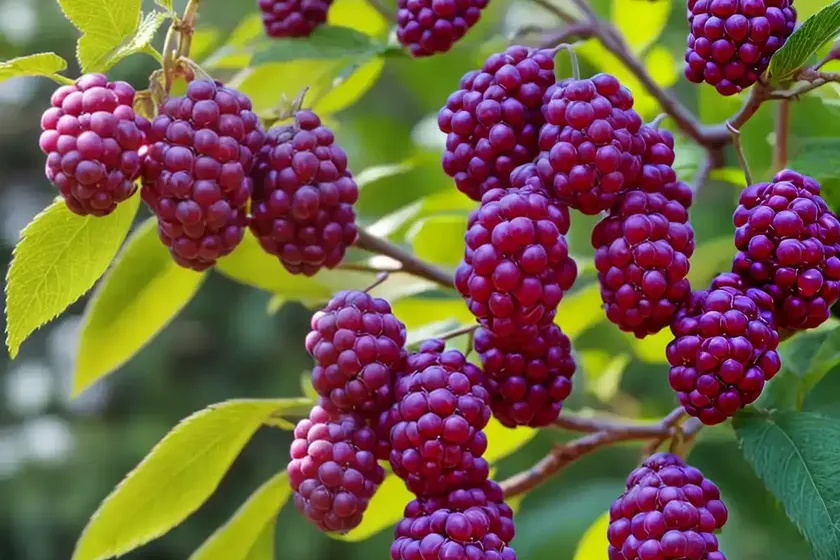
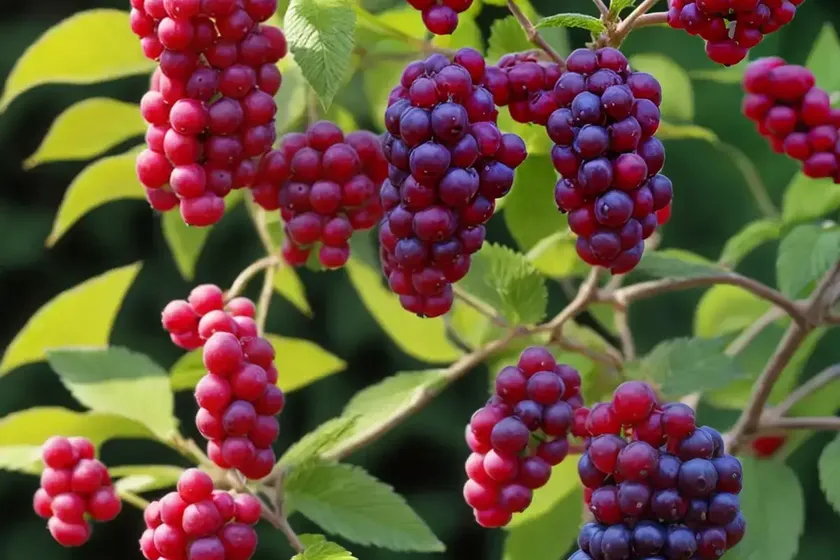
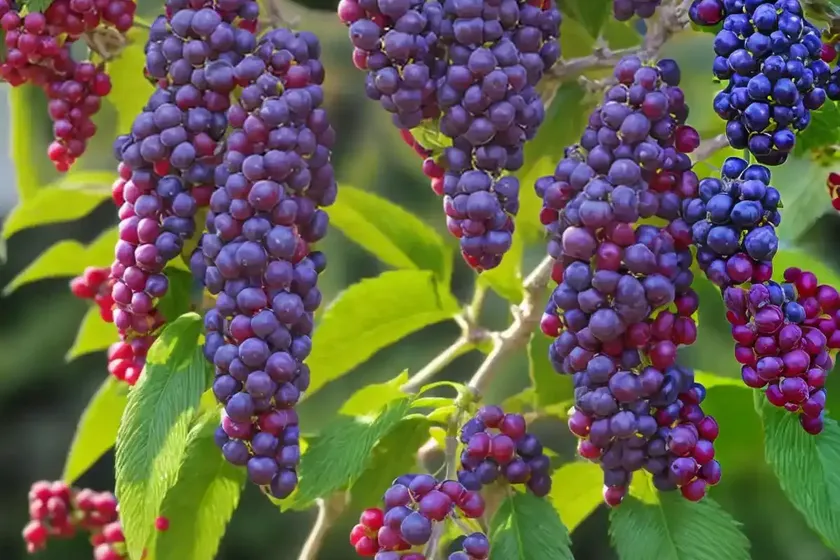
In the world of botany, there are countless plants that hold a special place in the hearts of both scientists and gardening enthusiasts. One such plant is the American Beauty-berry, scientifically known as Callicarpa americana. This captivating shrub is not only cherished for its aesthetic appeal but also for its cultural, medicinal, and ecological significance. In this comprehensive guide, we will delve into the various facets of the American Beauty-berry, from its cultural uses to its propagation and care requirements. So, let’s embark on this botanical journey to unravel the secrets of the American Beauty-berry.
What is the American Beauty-berry (Callicarpa Americana)?
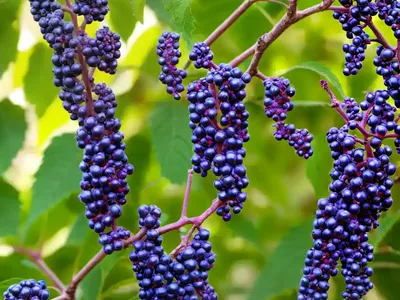
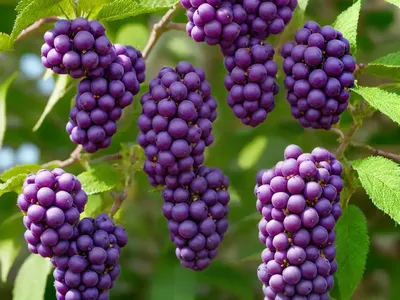
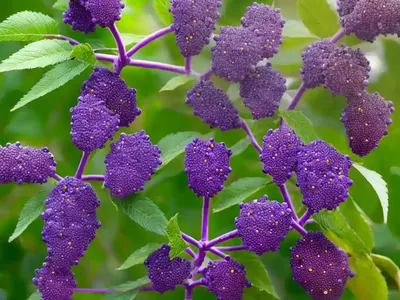
The American Beauty-berry, also commonly referred to as the Beauty-berry shrub, is a perennial flowering plant native to the southern United States. It belongs to the Lamiaceae family and is known for its striking clusters of vibrant purple berries, which adorn the plant in the late summer and persist through the fall season. The scientific name, Callicarpa americana, is derived from the Greek words “kallos” meaning beauty, and “karpos” meaning fruit, which aptly describes the plant’s most prominent feature – its beautiful berries.
Key Takeaways
Before we delve into the intricacies of cultivating and caring for the American Beauty-berry, let’s highlight some key takeaways about this fascinating plant.
- Scientific Name: Callicarpa americana
- Common Names: American Beauty-berry, Beauty-berry shrub
- Notable Feature: Vibrant purple berries
- Cultural Significance: Medicinal uses, wildlife attractant
- Habitat: Native to the southern United States
Now that we have a glimpse of the American Beauty-berry, let’s explore its various aspects in detail, from its cultural uses to its care requirements.
Culture
Cultivating the American Beauty-berry in a garden or landscape setting can enhance the aesthetic appeal of the surroundings while providing ecological benefits. Understanding its cultural significance can guide gardeners and enthusiasts in leveraging its potential to the fullest.
Uses
The American Beauty-berry holds cultural importance across various domains, including medicinal, horticultural, and ecological realms.
- Medicinal Uses: In traditional medicine, the leaves of the American Beauty-berry have been used to make teas and infusions, believed to possess anti-inflammatory and antipyretic properties. The berries have also been utilized for their astringent qualities.
- Horticultural Uses: Due to its ornamental berries and foliage, the American Beauty-berry is often cultivated for landscaping, adding color and interest to gardens and natural areas.
- Ecological Significance: The plant’s berries serve as a vital food source for birds and other wildlife, contributing to the overall biodiversity of the ecosystem.
Water
Proper watering is crucial for the healthy growth and development of the American Beauty-berry. Understanding its watering needs is essential for maintaining its vigor and vitality.
- Watering Requirements: The American Beauty-berry prefers moist but well-draining soil. While it can tolerate brief periods of drought, consistent moisture is beneficial, especially during its establishment phase.
Sunlight
Sunlight plays a pivotal role in the growth and berry production of the American Beauty-berry. Understanding its sunlight requirements is vital for optimizing its performance in a garden or landscape setting.
- Sunlight Needs: The American Beauty-berry thrives in partial to full sunlight. It flourishes in locations with adequate sunlight, which is essential for robust berry production and overall plant health.
Fertilizer
Appropriate fertilization can bolster the growth and berry production of the American Beauty-berry. Understanding its fertilizer needs is crucial for providing the necessary nutrients for its optimal development.
- Fertilization: Applying a balanced, slow-release fertilizer in early spring can promote healthy growth and berry formation. However, excessive fertilization should be avoided to prevent an overabundance of foliage at the expense of berries.
Soil
The soil composition and quality significantly influence the growth and resilience of the American Beauty-berry. Understanding its soil preferences is fundamental for creating an ideal growing environment.
- Soil Type: The American Beauty-berry thrives in well-drained, fertile soil. Loamy or sandy soils with good drainage are suitable, while heavy clay soils should be amended with organic matter to improve drainage.
Pruning
Pruning is an essential aspect of maintaining the shape and vigor of the American Beauty-berry. Employing proper pruning techniques can enhance its aesthetic appeal and berry production.
- Pruning Guidelines:
- Timing: Prune the plant in late winter to early spring before new growth emerges.
- Purpose: Remove dead or damaged branches and selectively thin out older stems to promote new growth and berry production.
Propagation
The propagation of the American Beauty-berry allows enthusiasts to expand their plantings and share its beauty with others. Understanding the various propagation methods is crucial for successfully propagating this captivating shrub.
- Propagation Techniques:
- Seed Propagation: Collect mature berries in the fall, extract the seeds, and sow them in a seed-starting mix for subsequent germination.
- Softwood Cuttings: Take softwood cuttings in early summer, dip them in a rooting hormone, and place them in a sterile, well-draining medium to encourage root development.
Container Popularity
Cultivating the American Beauty-berry in containers offers flexibility and convenience, especially for gardeners with limited space. Understanding its container preferences is vital for successful container gardening.
- Container Considerations:
- Size: Select a sufficiently large container to accommodate the plant’s root system and provide stability.
- Drainage: Ensure adequate drainage by adding a layer of gravel or including drainage holes in the container.
Common Diseases
As with any plant, the American Beauty-berry is susceptible to certain diseases, which can affect its vitality and appearance. Awareness of common diseases is pivotal for implementing preventive measures and timely interventions.
Disease Diagnosis
Diagnosing diseases that commonly afflict the American Beauty-berry is essential for effective disease management and control. The following are some prevalent diseases to watch for:
- Powdery Mildew: Characterized by a powdery white growth on leaves, this fungal disease can weaken the plant and impair its vigor.
- Leaf Spot: Manifesting as dark spots on the foliage, leaf spot can mar the plant’s appearance and diminish its overall health.
Common Pests
Various pests can pose a threat to the well-being of the American Beauty-berry, potentially causing damage to its foliage and berries. Identifying and addressing common pests is imperative for preserving the plant’s vitality.
Pest Identification
Recognizing the pests that commonly afflict the American Beauty-berry is crucial for implementing suitable pest control measures. The following are some notable pests to be mindful of:
- Aphids: These small, sap-sucking insects can congregate on the plant’s new growth, causing distortion and yellowing of the leaves.
- Scale Insects: Scale insects can infest the plant, appearing as small, immobile bumps on the stems and leaves, sapping the plant’s sap and weakening its vigor.
Now that we’ve explored the various aspects of the American Beauty-berry, from its cultural uses to its care requirements and potential challenges, it’s time to capture the insights of seasoned botanists. Let’s delve into their expert tips and fascinating insights about this captivating plant.
Botanist’s Tips
Experienced botanists offer invaluable knowledge and insights into the care and cultivation of the American Beauty-berry. Their tips can serve as a guiding light for enthusiasts and professionals alike.
Expert Advice
- Tip 1: “When selecting a planting site, ensure that the American Beauty-berry receives adequate sunlight to promote prolific berry production and vibrant foliage.”
- Tip 2: “For optimal growth and berry development, maintain consistent moisture levels in the soil, especially during the plant’s establishment phase and periods of active growth.”
- Tip 3: “Prune the plant thoughtfully in late winter to early spring to remove dead or crowded branches and encourage new growth and a well-defined form.”
Now that we’ve navigated through the intricacies of the American Beauty-berry, it’s time to uncover some intriguing facts and folklore associated with this captivating shrub.
Fun Facts
The American Beauty-berry is not only renowned for its visual allure but also holds fascinating cultural and ecological significance. Let’s explore some captivating fun facts about this enchanting plant.
- Folklore: In traditional Southern folklore, it is believed that hanging sprigs of American Beauty-berry in doorways can ward off evil spirits and bring good luck to the occupants.
- Wildlife Attractant: The plant’s vibrant purple berries are a favorite food source for various bird species, adding to the biodiversity and ecological balance of natural habitats.
Links to External Resources
To further enrich your knowledge and appreciation of the American Beauty-berry, here are some valuable external resources that offer comprehensive information and insights about this captivating plant:
- University of Florida: Callicarpa Americana
- North Carolina State University: American Beauty-berry
- Lady Bird Johnson Wildflower Center: Callicarpa Americana
In conclusion, the American Beauty-berry, with its vibrant berries and cultural significance, stands as a testament to the enchanting beauty and ecological importance of native plants. By understanding its cultural uses, care requirements, and ecological role, we can deepen our appreciation for this captivating shrub and harness its potential to enhance our surroundings and support wildlife. So, whether you’re captivated by its ornamental appeal or intrigued by its folklore and medicinal properties, the American Beauty-berry undoubtedly holds a special place in the world of botany and horticulture.
Happy gardening, and may the vibrant beauty of the American Beauty-berry enrich your botanical journey!