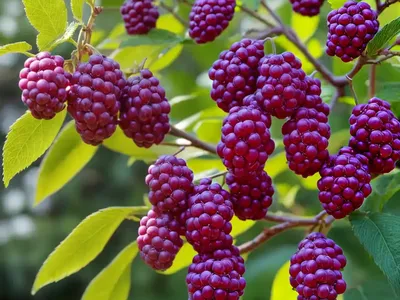
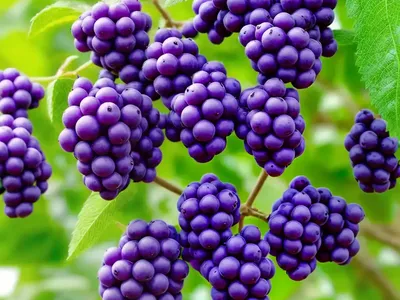
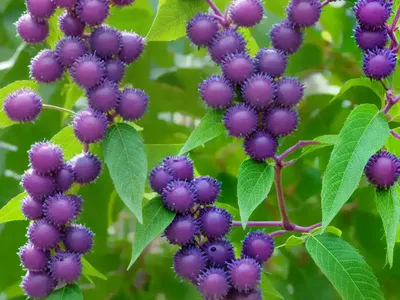
Beautyberry (Callicarpa Japonica ‘Heavy Berry’)
As a plant scientist, one of the most captivating and intriguing species in the world of horticulture is the beautyberry (Callicarpa japonica ‘Heavy.
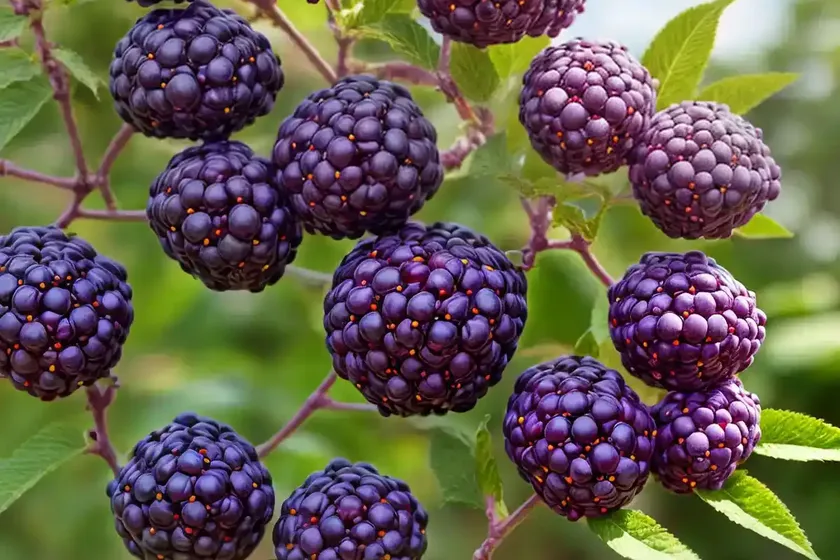
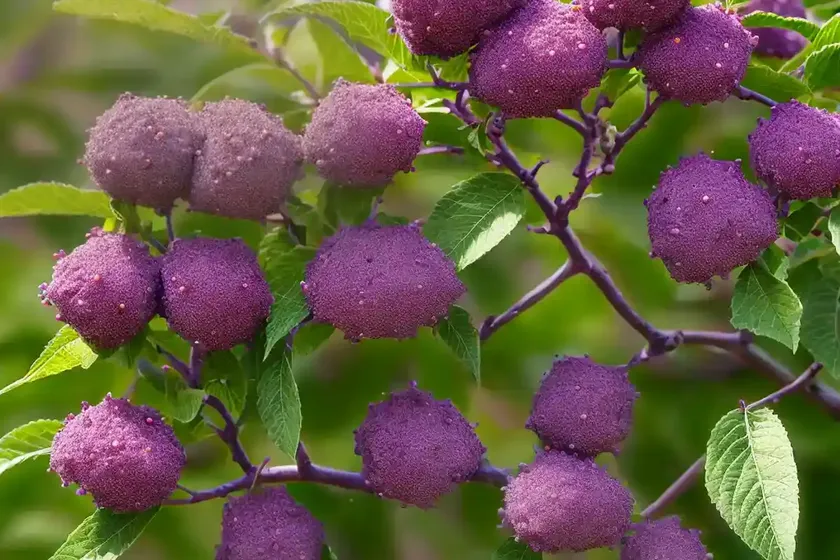
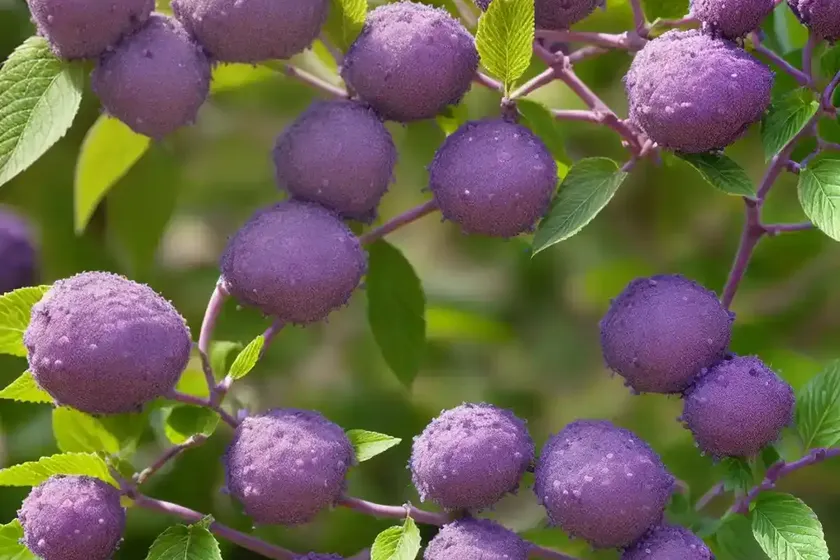
As a plant scientist, one of the most captivating and intriguing species in the world of horticulture is the beautyberry (Callicarpa japonica ‘Heavy Berry’). This stunning plant, with its vibrant and colorful berries, has become a popular choice for gardeners and landscapers alike. In this comprehensive guide, we will delve into the world of beautyberries, exploring their culture, uses, care requirements, and much more.
What is a Beautyberry (Callicarpa japonica ‘Heavy Berry’)?
Beautyberry, scientifically known as Callicarpa japonica ‘Heavy Berry’, is a deciduous shrub that is native to East Asia, particularly Japan and Korea. It belongs to the Lamiaceae family and is renowned for its ornamental beauty, especially during the autumn season when its striking berries adorn the landscape with a burst of color.
Key Takeaways – Beautyberry (Callicarpa japonica ‘Heavy Berry’)
Before we delve deeper into the various aspects of beautyberry cultivation and utilization, let’s consolidate the key takeaways about this captivating plant:
- Beautyberry, also known as Callicarpa japonica ‘Heavy Berry’, is a deciduous shrub native to East Asia.
- It is prized for its colorful berries, making it a sought-after plant for ornamental purposes.
- The plant is known for its low maintenance requirements and its ability to attract wildlife, particularly birds.
- Beautyberries are used in landscaping, gardening, and even have traditional medicinal and culinary applications.
Now, let’s explore the various facets of beautyberry, from its cultural needs to its propagation methods and everything in between.
Culture
Understanding the cultural requirements of beautyberry is essential for successfully growing and nurturing this captivating plant. Here, we will delve into its water, sunlight, fertilizer, soil, and pruning needs.
Water
Beautyberries are relatively low-maintenance plants when it comes to watering. They are fairly drought-tolerant once established, making them suitable for regions with varying levels of rainfall. When watering, it’s important not to overdo it, as excessive moisture can lead to root rot. During periods of prolonged drought, supplemental watering can be beneficial for the plant’s overall health, particularly during the establishment phase.
Sunlight
In terms of sunlight requirements, beautyberries flourish in locations with full to partial sun exposure. They generally require at least 4-6 hours of direct sunlight each day to thrive and produce an abundance of colorful berries. While they can tolerate partial shade, optimal sunlight exposure enhances their ornamental appeal and promotes robust growth.
Fertilizer
Beautyberries are not heavy feeders and generally do well in moderately fertile soils without the need for excessive fertilization. A balanced, slow-release fertilizer applied in spring can provide the plant with the necessary nutrients to support healthy growth and berry production. It’s important to follow the manufacturer’s instructions and avoid over-fertilizing, as this can lead to excessive vegetative growth at the expense of berry formation.
Soil
When it comes to soil preferences, beautyberries prefer well-draining, slightly acidic soils. They are adaptable to various soil types, including loamy, sandy, or clay soils, as long as they are well-draining. Amending the soil with organic matter such as compost or peat moss can help improve its texture and fertility, providing an ideal growing medium for beautyberries.
Pruning
Pruning beautyberries is primarily done for aesthetic purposes and to maintain the plant’s shape and vigor. It is recommended to prune the shrub in late winter or early spring before new growth emerges. This can involve the removal of dead or damaged branches, as well as light shaping to promote a more appealing form. It’s important to avoid heavy pruning, as this can impact the plant’s berry production for the upcoming season.
Uses
The beautyberry plant (Callicarpa japonica ‘Heavy Berry’) offers a range of uses, from ornamental landscaping to traditional medicinal and culinary applications. Let’s explore the diverse ways in which this plant can be utilized.
Ornamental Landscaping
One of the primary uses of beautyberries is as ornamental plants in landscaping. The vibrant and long-lasting berries add a pop of color to the autumn landscape, making them a valuable addition to gardens, borders, and naturalized areas. They can be used as standalone specimens, mass plantings, or as part of mixed shrub borders, creating visual interest and attracting wildlife.
Wildlife Attraction
Beautyberries have a unique ability to attract wildlife, particularly birds. The colorful berries serve as a valuable food source for birds during the fall and winter months. This makes them an excellent choice for wildlife-friendly gardens and naturalized landscapes, contributing to biodiversity and ecological balance.
Traditional Medicinal Uses
In addition to their ornamental appeal, beautyberries have been used in traditional medicine for various purposes. In some cultures, the leaves and roots of the plant have been employed to prepare herbal remedies for conditions such as fever, rheumatism, and colic. While its medicinal applications are less prominent today, beautyberries have a rich history of use in traditional healing practices.
Culinary Applications
The berries of beautyberry plants, while not typically consumed in large quantities, have been used in some culinary applications. They can be incorporated into jellies, jams, and syrups, adding a unique color and flavor to the finished products. It’s important to note that while the berries are generally considered non-toxic, they should be consumed in moderation and with caution.
Propagation
Beautyberries can be propagated through several methods, including seeds, cuttings, and division. Each method offers its own set of advantages and considerations, allowing gardeners to choose the most suitable approach based on their preferences and resources.
Seed Propagation
Propagating beautyberries from seeds is a straightforward but time-consuming process. The seeds can be collected from ripe berries and sown in a prepared seed-starting mix. It’s important to provide consistent moisture and warmth to facilitate germination. While this method allows for genetic variation, it can take several years for seed-grown plants to reach maturity and produce berries.
Stem Cuttings
Stem cuttings offer a more efficient and reliable method of propagating beautyberries, particularly for preserving specific cultivars such as Callicarpa japonica ‘Heavy Berry’. Softwood cuttings taken in spring or early summer can be treated with a rooting hormone and placed in a well-draining medium to initiate root development. With proper care and environmental conditions, the cuttings can develop into healthy, new plants within a few months.
Division
In some cases, beautyberry plants can be propagated by division, especially if they have developed multiple stems or clumps. To divide the plant, it can be carefully lifted from the soil and the root mass separated into smaller sections, each with its own set of stems and roots. These divisions can then be replanted in suitable locations, where they can establish and grow into new plants.
Container Popularity
Beautyberries are well-suited for container cultivation, offering a versatile and space-saving option for gardeners with limited outdoor space. When grown in containers, the plants can thrive on patios, balconies, or even indoors, providing a striking display of berries and foliage.
Container Common Diseases
While beautyberries are relatively resilient to diseases, certain issues can affect container-grown plants, particularly in environments with poor air circulation and excessive moisture. Some common diseases that may impact beautyberries in containers include:
-
Powdery Mildew: This fungal disease can cause a white, powdery coating on the leaves, affecting the plant’s overall health and appearance.
-
Leaf Spot: Leaf spot diseases caused by various fungal pathogens can lead to the development of dark or discolored spots on the leaves, potentially impacting the plant’s vigor.
-
Root Rot: Excess moisture in container-grown beautyberries can lead to root rot, resulting in wilting, yellowing, and overall decline of the plant.
Disease Diagnosis
Diagnosing diseases in container-grown beautyberries involves careful observation of the plant’s symptoms, from leaf discoloration to abnormal growth patterns. It’s important to pay attention to changes in the plant’s appearance and behavior, as well as any environmental factors that may be contributing to disease development. Proper diagnosis is essential for implementing effective treatment and management strategies.
Common Pests
While beautyberries are relatively resistant to pests, certain insects and animals may pose a threat to the plant, particularly in specific regions and environmental conditions. Understanding and identifying common pests is crucial for implementing proactive and targeted pest management measures.
Insect Pests
Some of the common insect pests that may affect beautyberries include:
-
Aphids: These small, sap-sucking insects can infest the leaves and stems of the plant, leading to distortion and stunting of the growth.
-
Scale Insects: Scale insects can attach themselves to the stems and leaves of beautyberries, feeding on the plant’s sap and potentially weakening its overall health.
-
Caterpillars: Certain caterpillar species may feed on the foliage of beautyberries, causing visible damage and defoliation if left unchecked.
Animal Pests
In addition to insect pests, wildlife such as deer and rabbits may occasionally browse on beautyberry plants, particularly in areas where these animals are prevalent. Implementing deterrent measures and protective barriers can help prevent damage caused by animal pests, preserving the plant’s aesthetic and ecological value.
Botanist’s Tips
As a botanist with a passion for beautyberries, I’ve gathered several tips and insights to help fellow enthusiasts and gardeners cultivate and appreciate these captivating plants to the fullest.
Tip 1: Selecting the Right Cultivar
When choosing a beautyberry cultivar, consider factors such as berry color, plant size, and growth habit to find the most suitable option for your specific landscape or garden design. Callicarpa japonica ‘Heavy Berry’ is favored for its abundant, vibrant berries and compact growth, making it an excellent choice for smaller spaces.
Tip 2: Providing Adequate Sunlight
Ensuring that beautyberries receive sufficient sunlight is crucial for promoting robust growth and abundant berry production. Select planting locations that offer at least 4-6 hours of direct sunlight each day to optimize the plant’s ornamental potential.
Tip 3: Embracing Wildlife
Encouraging wildlife such as birds to visit and utilize beautyberries can enhance the ecological value of the plant and contribute to a thriving ecosystem. By incorporating beautyberries into wildlife-friendly landscapes, gardeners can support biodiversity and create vibrant, dynamic outdoor spaces.
Tip 4: Pruning with Precision
When pruning beautyberries, aim for selective and cautious cuts to maintain the plant’s natural form while removing any damaged or overcrowded growth. Light shaping and tidying can help accentuate the plant’s beauty without compromising its overall health.
Tip 5: Diverse Applications
Explore the diverse uses of beautyberries, from landscaping and ornamental purposes to culinary and traditional applications. Embracing the multifaceted nature of beautyberries can deepen one’s appreciation for these remarkable plants and their cultural significance.
Fun Facts
To further enrich your understanding and appreciation of beautyberries, here are some intriguing and lesser-known facts about these captivating plants:
-
The vibrant purple berries of beautyberries are often used in floral arrangements and as natural decorations, adding a touch of color to seasonal displays.
-
While primarily known for their ornamental value, beautyberries have historically been used in traditional medicine for a variety of ailments and conditions.
-
The berries of beautyberries are known to persist on the plant well into the winter, providing visual interest and potential food sources for wildlife during the colder months.
-
Some cultivars of beautyberries exhibit a range of berry colors, including shades of pink, purple, and white, adding diversity to their ornamental appeal.
Links to External Resources
For further exploration and in-depth information about beautyberries, I’ve compiled a list of external resources that can serve as valuable references and sources of inspiration:
-
The American Beautyberry: A Resource for Wildlife and People – This comprehensive publication from the University of Florida provides insights into the ecological and horticultural significance of beautyberries, highlighting their wildlife attraction and potential landscape uses.
-
Beautyberry: A Native with Landscape Allure – The Clemson Cooperative Extension offers a detailed fact sheet on beautyberries, focusing on their cultural requirements, landscape potential, and wildlife benefits.
-
Growing Beautyberries – The North Carolina State University Extension provides practical guidance on growing beautyberries, shedding light on their ideal growing conditions and maintenance needs.
-
Beautyberries: A Natural Insect Repellent – This article from Science Daily explores the potential insect repellent properties of beautyberries, highlighting their natural defenses against pests.
-
Beautyberry: A Southern Plant with a Spectrum of Color – Your Garden Sanctuary offers a visual guide to growing beautyberries, showcasing their vibrant berries and landscape potential.
By delving into these external resources, enthusiasts and growers can gain valuable insights and expand their knowledge of beautyberries, unlocking their full potential in various horticultural and ecological contexts.
In conclusion, beautyberries, exemplified by the mesmerizing Callicarpa japonica ‘Heavy Berry’, hold a special place in the realm of ornamental plants, offering a feast for the eyes and a haven for wildlife. Their striking berries, low maintenance requirements, and diverse applications make them an attractive choice for gardens, landscapes, and natural spaces. As we continue to explore their cultural significance, practical uses, and ecological value, beautyberries stand as a testament to the enduring allure of nature’s marvels, inviting us to appreciate their beauty and embrace their multifaceted contributions to our lives and surroundings.
Remember, the next time you encounter a cluster of colorful beautyberries, take a moment to admire their splendor and reflect on the rich tapestry of life that they embody.
References:
-
“Beautyberry Plant Information.” University of Georgia, College of Agricultural and Environmental Sciences. https://www.caes.uga.edu/extension-outreach/commodities/nursery-landscape/plants/shrubs/beautyberry.html
-
“Callicarpa japonica ‘Heavy Berry’ – Beautyberry.” Missouri Botanical Garden. http://www.missouribotanicalgarden.org/PlantFinder/PlantFinderDetails.aspx?taxonid=263343&isprofile=0&
-
“Growing Beautyberry.” North Carolina State University Extension. https://plants.ces.ncsu.edu/plants/all/callicarpa-americana/
-
“The American Beautyberry: A Resource for Wildlife and People.” University of Florida. https://edis.ifas.ufl.edu/pdffiles/FR/FR17300.pdf