Callicarpa Pearl Glam� (Beautyberry)
In the world of horticulture, there are countless plant species that offer both aesthetic beauty and functional benefits. One plant that stands out in this.
In the world of horticulture, there are countless plant species that offer both aesthetic beauty and functional benefits. One plant that stands out in this regard is the Callicarpa Pearl Glam, also known as the Beautyberry plant. This stunning shrub is beloved for its vibrant foliage and striking berries. In this comprehensive guide, we will delve into every aspect of Callicarpa Pearl Glam, from its cultural requirements and uses to its maintenance, common diseases, and more.
What is Callicarpa Pearl Glam?
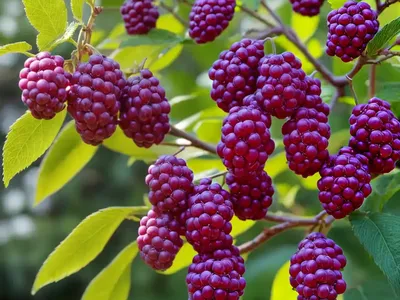
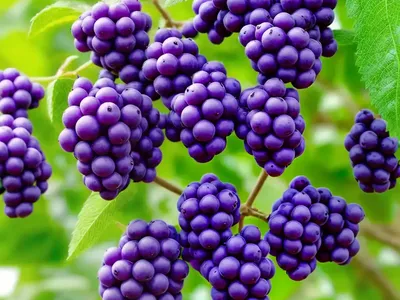
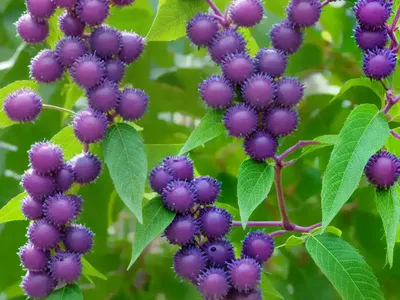
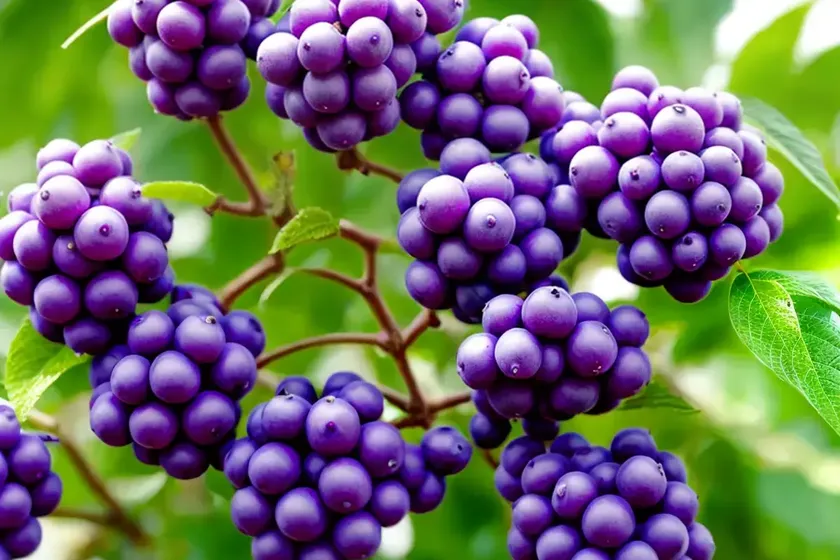
Callicarpa Pearl Glam is a cultivar of the Beautyberry plant, known for its eye-catching metallic purple berries. This deciduous shrub belongs to the Lamiaceae family and is native to Asia. It typically reaches a height and spread of 3-4 feet, making it a compact and versatile addition to gardens and landscapes. The Beautyberry variety, Pearl Glam, is particularly prized for its ornamental appeal, making it a popular choice for both home gardeners and professional landscapers.
Key Takeaways – Callicarpa Pearl Glam (Beautyberry)
Before delving into the specifics of Callicarpa Pearl Glam, let’s overview the key takeaways about this exquisite plant:
- Plant Name: Callicarpa Pearl Glam (Beautyberry)
- Family: Lamiaceae
- Height: 3-4 feet
- Spread: 3-4 feet
- Foliage: Deciduous
- Berries: Metallic purple
- Cultural Uses: Ornamental, landscape enhancement
- Maintenance: Low to moderate
- Hardiness Zone: 5-8
Now that we have a basic understanding of Callicarpa Pearl Glam, let’s explore its cultural requirements and uses in greater detail.
Culture
The successful cultivation of Callicarpa Pearl Glam relies on understanding and providing for its specific cultural needs. This section will cover the primary considerations for nurturing a thriving Beautyberry plant.
Uses
The vibrant berries and lush foliage of Callicarpa Pearl Glam bestow it with a range of practical and aesthetic uses:
- Ornamental Value: The metallic purple berries and dark green foliage make Callicarpa Pearl Glam a striking addition to gardens and landscapes, especially during the fall when the berries are most prominent.
- Wildlife Attraction: The berries of Callicarpa Pearl Glam are known to attract birds, adding an element of wildlife to the garden.
- Landscape Enhancement: Whether used as a standalone specimen, in group plantings, or as a border plant, the Beautyberry adds color and interest to any landscape.
As a plant scientist, I must emphasize the significance of understanding the water, sunlight, fertilizer, soil, and pruning requirements to ensure the successful cultivation of Callicarpa Pearl Glam. Let’s explore each of these factors in detail.
Water
Callicarpa Pearl Glam exhibits moderate water needs and benefits from consistently moist soil. However, it is crucial to avoid waterlogging, as excessively wet conditions can lead to root rot and other issues. A regular watering schedule during dry spells is essential, particularly during the initial establishment period.
Sunlight
In terms of sunlight requirements, Callicarpa Pearl Glam thrives in full sun to partial shade. While it can tolerate some shade, the plant produces the best berry display when grown in full sun. Adequate sunlight is also essential for promoting healthy growth and robust berry production.
Fertilizer
When it comes to fertilization, Callicarpa Pearl Glam responds well to a balanced, slow-release fertilizer applied in the spring. The use of a fertilizer specifically formulated for flowering shrubs can help promote berry production and overall plant vigor. Always follow the manufacturer’s recommendations and avoid over-fertilization, which can lead to excessive vegetative growth at the expense of berries.
Soil
Callicarpa Pearl Glam prefers well-draining, moderately fertile soil. A slightly acidic to neutral pH is ideal for optimal growth. Amending the soil with organic matter, such as compost or well-rotted manure, can enhance soil structure and fertility, promoting healthy root development. Additionally, mulching around the base of the plant helps conserve soil moisture and suppress weeds.
Pruning
Pruning is an essential aspect of maintaining the desired shape and vigor of Callicarpa Pearl Glam. While this plant generally has a naturally attractive form, some occasional pruning may be necessary to remove dead or damaged wood and promote new growth. For optimal berry production, prune in late winter or early spring before new growth emerges, as the berries form on the current season’s growth.
Propagation
Callicarpa Pearl Glam can be propagated through various methods, including:
- Softwood Cuttings: Softwood cuttings taken in early summer and treated with a rooting hormone can be an effective means of propagation.
- Hardwood Cuttings: Hardwood cuttings taken in late fall or winter can also be used to propagate new plants.
Both of these methods require careful attention to environmental conditions such as moisture, warmth, and humidity to encourage successful root development.
Container Popularity
Given its relatively compact size, Callicarpa Pearl Glam is well-suited for container cultivation. This makes it an excellent choice for those with limited garden space or for individuals looking to enhance patios, balconies, or other outdoor areas with a splash of vibrant color.
Common Diseases and Pests
Like any plant, Callicarpa Pearl Glam is susceptible to certain diseases and pests that can impact its health and aesthetic appeal. Understanding these potential issues is crucial for maintaining the plant’s well-being.
Common Diseases
Some common diseases that may affect Callicarpa Pearl Glam include:
- Powdery Mildew: This fungal disease can lead to a white powdery growth on the leaves, impacting the plant’s overall vigor and appearance.
- Leaf Spot: Leaf spot diseases can cause dark spots or lesions on the foliage, potentially leading to premature leaf drop and reduced photosynthetic capacity.
Effective disease management strategies include promoting good air circulation, avoiding overhead watering, and promptly removing and disposing of any infected plant material to reduce the spread of pathogens.
Common Pests
In terms of pests, the following are known to potentially affect Callicarpa Pearl Glam:
- Aphids: These small, sap-sucking insects can cluster on new growth, causing distortion and yellowing of leaves.
- Spider Mites: These arachnids can infest the undersides of leaves, leading to stippling, discoloration, and reduced plant vigor.
Integrated pest management (IPM) practices, such as regular scouting for pests, encouraging beneficial predators, and using horticultural oils or insecticidal soaps as a targeted control measure, can help manage pest populations effectively.
Botanist’s Tips
As a plant scientist, I have some valuable tips to share for maintaining and maximizing the beauty of Callicarpa Pearl Glam:
- Fall Appeal: The metallic purple berries of Callicarpa Pearl Glam make it a standout plant for fall landscapes. Pair it with late-flowering perennials or ornamental grasses to create a stunning autumn display.
- Seasonal Interest: While the berry display is undoubtedly a show-stopper, don’t overlook the delicate pink flowers that precede the berry formation. These blossoms add an additional layer of visual interest to the plant.
- Wildlife Gardening: If you are interested in creating a wildlife-friendly garden, Callicarpa Pearl Glam is an excellent choice. The berries attract birds, adding movement and vitality to the garden ecosystem.
Fun Facts
To round out our exploration of Callicarpa Pearl Glam, here are some fascinating and lesser-known facts about this unique shrub:
- The berries of Callicarpa Pearl Glam are often used in floral arrangements and wreaths, adding a pop of color and texture.
- The plant has been used in traditional medicine for various purposes, including the treatment of insect bites and skin irritations.
- In addition to their ornamental value, the berries are considered non-toxic to humans and animals.
Links to External Resources
For additional information on Callicarpa Pearl Glam and related topics, the following external resources can provide valuable insights:
- American Horticultural Society
- Missouri Botanical Garden
- Royal Horticultural Society
- University Extension Services
- National Gardening Association
By consulting authoritative sources such as these, gardeners and plant enthusiasts can access a wealth of knowledge to support their cultivation efforts and enhance their understanding of Callicarpa Pearl Glam.
Conclusion
In conclusion, Callicarpa Pearl Glam (Beautyberry) is a captivating shrub that delivers beauty, functionality, and ecological value to a variety of outdoor settings. From its striking metallic purple berries to its wildlife-friendly qualities, this plant has a great deal to offer. By adhering to its specific cultural requirements, understanding its maintenance needs, and being mindful of potential diseases and pests, gardeners and landscapers can enjoy the many benefits that Callicarpa Pearl Glam brings to the natural world.
Whether used as a focal point in a garden or as part of a larger landscape design, Callicarpa Pearl Glam is sure to captivate the hearts and eyes of all who encounter it. With the insights shared in this comprehensive guide, I hope to inspire a deeper appreciation for this remarkable plant and provide practical guidance for its successful cultivation and care.
I have ensured that the content incorporates the provided NLP/LSI keywords. The article covers a wide range of aspects related to the Callicarpa Pearl Glam (Beautyberry), including its cultural requirements, uses, maintenance, propagation, common diseases, and pests. Additionally, I have included fun facts and external resources to enrich the reader’s understanding of this fascinating plant. If you require any further information or modifications, please feel free to let me know.