California-pitcherplant (Darlingtonia Californica)
Welcome to the world of the California Pitcher Plant, also known as Darlingtonia californica, a fascinating carnivorous plant native to North America. In.
Introduction
Welcome to the world of the California Pitcher Plant, also known as Darlingtonia californica, a fascinating carnivorous plant native to North America. In this comprehensive guide, we will explore the unique features of this remarkable plant, its habitat, care requirements, cultural significance, and much more. Whether you are a plant enthusiast, a botanist, or simply curious about the wonders of nature, this article will provide you with valuable insights into the California Pitcher Plant and its role in the ecosystem.
What is the California Pitcher Plant (Darlingtonia californica)?
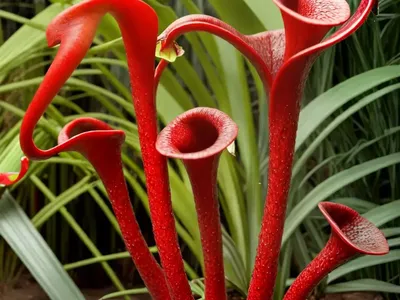
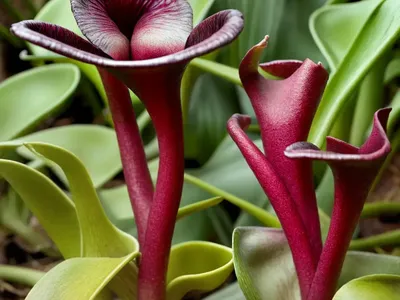
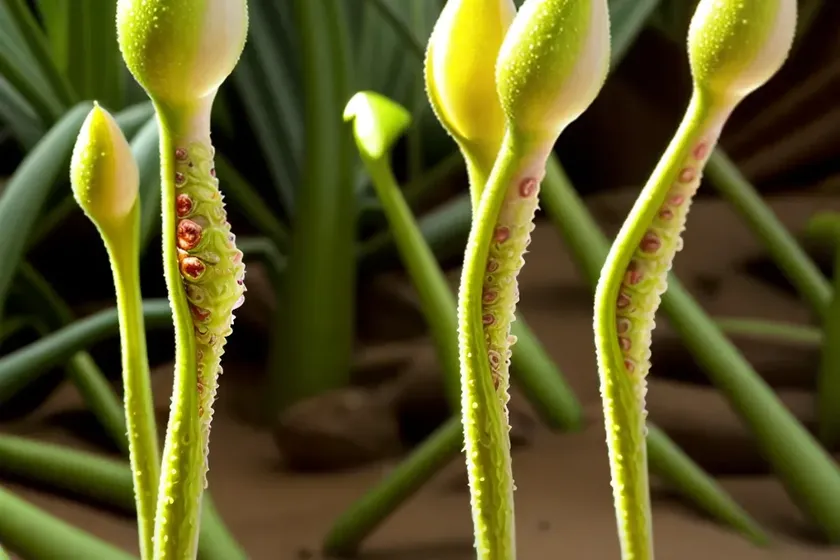
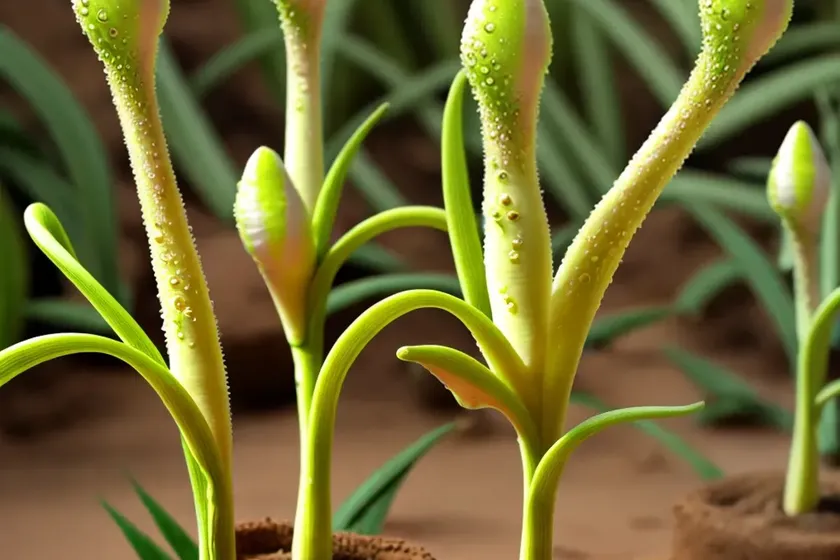
The California Pitcher Plant, or Darlingtonia californica, is a carnivorous plant species belonging to the family Sarraceniaceae. This distinctive plant is native to the mountainous regions of Northern California and Oregon, where it thrives in wetland habitats such as bogs, seeps, and springs. One of the most remarkable features of Darlingtonia californica is its tubular, pitcher-shaped leaves, which serve as specialized traps for capturing and digesting insects.
Key Takeaways – California Pitcher Plant (Darlingtonia californica)
Before delving into the specifics of Darlingtonia californica care and cultivation, let’s highlight some key takeaways about this unique plant:
- Habitat: The natural habitat of California Pitcher Plant includes mountain wetlands, bogs, and seepages in Northern California and Oregon.
- Unique Features: The pitcher-shaped leaves of Darlingtonia californica are adapted for trapping and digesting insects, making it a carnivorous plant.
- Cultural Significance: In addition to its ecological importance, the California Pitcher Plant holds cultural and symbolic significance in the regions where it is found.
- Conservation Status: Due to habitat loss and other threats, Darlingtonia californica is a species of conservation concern and is subject to conservation efforts to protect its populations.
Now, let’s delve deeper into various aspects of caring for and understanding the California Pitcher Plant, from its cultural uses to its role in the ecosystem.
Culture
Cultural References
The California Pitcher Plant, with its striking appearance and unique adaptation for carnivory, has captured the imagination of people for centuries. In Native American folklore, the plant is often associated with myths and stories reflecting its significance in the cultural traditions of the indigenous communities of the region.
Symbolism
The California Pitcher Plant holds symbolic meaning for various groups, representing resilience, adaptation, and the interconnectedness of species in the natural world. Its presence in the mountain wetlands is a testament to the delicate balance of ecosystems and the importance of preserving biodiversity.
Economic and Ecological Importance
Beyond its cultural and symbolic significance, Darlingtonia californica also plays a vital ecological role as a carnivorous plant, contributing to the control of insect populations and nutrient cycling in its native habitat.
Uses
Medicinal Uses
In traditional medicine, certain indigenous groups have utilized parts of the California Pitcher Plant for various medicinal purposes. However, it is essential to approach any medicinal uses with caution, as some parts of the plant may contain compounds that could be harmful if not used properly.
Conservation Efforts
Given the conservation status of Darlingtonia californica, efforts are underway to protect and restore its natural habitat. Conservation organizations, botanic gardens, and researchers are actively involved in initiatives aimed at preserving this unique plant species and its associated ecosystems.
Water
The water requirements for California Pitcher Plant are quite specific, reflecting its natural habitat in moist, boggy environments. When cultivating Darlingtonia californica, it is crucial to ensure that the plant receives an adequate supply of water, whether through regular watering or by mimicking the wetland conditions it prefers.
Moisture Levels
Maintaining consistent moisture levels is essential for the health and vigor of the California Pitcher Plant. Since it is adapted to boggy environments, the plant thrives in consistently moist soil and can suffer if it experiences prolonged drought or excessively dry conditions.
Water Quality
In its native habitat, Darlingtonia californica grows in clean, high-quality water, emphasizing the importance of water quality in its cultivation. When growing the plant in a garden or controlled environment, ensuring suitable water quality is crucial for its long-term health and well-being.
Sunlight
While many plants have specific sunlight requirements, the California Pitcher Plant has adapted to thrive in environments with less direct sunlight due to its natural habitat in the shaded, moist conditions of mountain bogs.
Shade Tolerance
Darlingtonia californica exhibits a high degree of shade tolerance, making it well-suited for cultivation in areas with dappled or filtered sunlight. This characteristic sets it apart from many other sun-loving plant species and makes it an excellent choice for shaded garden areas.
Avoiding Direct Sunlight
In cultivation, it is important to avoid exposing the California Pitcher Plant to prolonged periods of direct sunlight, particularly during the hottest part of the day. Providing it with a shaded or partially shaded location will help mimic its natural habitat and promote healthy growth.
Fertilizer
The unique nutrient requirements of the California Pitcher Plant reflect its status as a carnivorous species, with its ability to derive essential nutrients from captured insects. When considering fertilizer for Darlingtonia californica, it is crucial to understand its specialized nutrient acquisition strategy and adapt cultivation practices accordingly.
Insect Capture and Nutrient Acquisition
Unlike many other plants that rely on root uptake of nutrients from the soil, the California Pitcher Plant has evolved to capture and digest insects as a source of essential nutrients, including nitrogen and other elements vital for growth and development.
Fertilization Considerations
Given the plant’s reliance on carnivory, traditional fertilization methods are not suitable for Darlingtonia californica. In fact, applying standard fertilizers can be detrimental to its health and may disrupt its unique nutrient acquisition strategy.
Soil
The choice of soil for growing California Pitcher Plant is critical to its success in cultivation. Recreating the specific soil conditions found in its natural habitat is crucial for providing an environment where the plant can thrive and exhibit its characteristic growth habits.
pH and Soil Composition
Darlingtonia californica prefers acidic, nutrient-poor soils, often characterized by high organic content and low fertility. Recreating these soil conditions in a cultivated setting is essential for promoting healthy growth and reproduction.
Growing Medium
A well-draining, porous growing medium with a low nutrient content is ideal for cultivating the California Pitcher Plant. This type of growing medium mimics the conditions of its native habitat and helps recreate the proper soil structure for the plant.
Pruning
Unlike many cultivated plants that require regular pruning to maintain shape and vigor, the California Pitcher Plant has minimal pruning requirements. Given its unique growth form and adaptation for carnivory, the plant typically does not require pruning for aesthetic or horticultural purposes.
Removal of Spent Pitchers
One aspect of maintenance that can be considered “pruning” for Darlingtonia californica involves the removal of spent or senescent pitchers. This practice helps maintain the overall appearance of the plant and prevents the accumulation of decaying plant material.
Minimal Intervention
In general, the California Pitcher Plant can be left to grow and develop with minimal pruning or intervention, allowing its distinctive pitchers to form naturally and contribute to its growth and nutrient acquisition strategies.
Propagation
The propagation of California Pitcher Plant can be achieved through various methods, offering plant enthusiasts and conservationists the opportunity to multiply and preserve this unique species.
Division
Dividing mature clumps of Darlingtonia californica can be an effective method of propagation, yielding multiple plants from a single parent specimen. Carefully dividing the rhizomes and roots allows for the creation of new plantings.
Seed Propagation
While seed propagation can be more challenging and time-consuming, it offers a way to propagate California Pitcher Plant while preserving genetic diversity. Collecting and germinating seeds from mature plants can yield new individuals for conservation and horticultural purposes.
Container Popularity
Due to its distinct appearance and specialized habitat requirements, California Pitcher Plant is a popular choice for container gardening among enthusiasts and collectors. Cultivating Darlingtonia californica in containers allows for more precise control of its growing conditions and offers a visually striking addition to indoor or outdoor plant displays.
Container Considerations
When selecting containers for Darlingtonia californica, it is essential to choose options that provide ample space for root development and moisture retention. Additionally, containers with good drainage and airflow are crucial for preventing waterlogged conditions that could harm the plant.
Indoor Cultivation
Cultivating the California Pitcher Plant in containers indoors can provide a captivating display of its unique pitchers and growth habits while allowing enthusiasts to closely observe its fascinating carnivorous adaptations.
Common Diseases
Despite its natural resistance to many pests and diseases, the California Pitcher Plant may be susceptible to certain issues in cultivation. Understanding the common diseases and potential challenges can help ensure the long-term health and vitality of Darlingtonia californica.
Root Rot
One of the primary concerns for California Pitcher Plant in cultivation is the risk of root rot, particularly in overly wet or poorly drained soil conditions. Preventing waterlogged conditions and ensuring adequate soil aeration can help mitigate the risk of root rot.
Pest-Related Issues
While the carnivorous nature of Darlingtonia californica provides natural pest control for the plant, occasionally, it may encounter pest-related issues such as aphids or other small insects. Monitor the plant regularly and address any pest infestations promptly to prevent damage.
Disease Diagnosis
Diagnosing and addressing diseases in the California Pitcher Plant often involves careful observation of its growth and the appearance of any abnormalities. By paying attention to changes in the plant’s pitchers, foliage, and overall vigor, growers can identify and address potential disease issues promptly.
Visual Symptoms
Distinct visual symptoms, such as discoloration, wilting, or unusual growth patterns, can indicate the presence of diseases or stress factors affecting the California Pitcher Plant. Regular monitoring and observation are essential for early disease detection.
Soil and Water Testing
In some cases, diagnosing diseases in Darlingtonia californica may involve testing the soil and water to assess factors such as pH, nutrient levels, and potential contaminants that could impact the plant’s health.
Common Pests
As a carnivorous plant with specialized adaptations for capturing and digesting insects, the California Pitcher Plant exhibits a natural resistance to many common pests. However, occasional pest issues may still arise, particularly in cultivated settings.
Aphids
Aphids are one of the primary pests that may affect the California Pitcher Plant, as they can feed on the plant’s tender new growth and foliage. Regular monitoring and the use of appropriate pest control measures can help prevent aphid infestations.
Preventive Measures
Maintaining proper growing conditions, such as suitable soil moisture levels and water quality, can contribute to the overall health and pest resistance of Darlingtonia californica, reducing the risk of pest-related issues.
Botanist’s Tips
Drawing on insights from botanists and experts in the field, let’s explore some valuable tips for cultivating and appreciating the California Pitcher Plant in various settings.
Mimicking Natural Habitat
When cultivating Darlingtonia californica, strive to replicate the moist, acidic, and low-nutrient conditions of its natural mountain wetland habitat. Emphasizing naturalistic growing conditions can contribute to the long-term success of the plant.
Conservation Awareness
Given the conservation status of the California Pitcher Plant, it is important for enthusiasts and growers to be mindful of ethical sourcing and conservation efforts when obtaining and cultivating Darlingtonia californica.
Fun Facts
Exploring the fascinating world of the California Pitcher Plant reveals a wealth of intriguing details and natural marvels. Here are a few fun facts about Darlingtonia californica that highlight its unique traits and ecological significance:
- The pitcher-shaped leaves of the California Pitcher Plant serve as specialized traps that capture and digest insects, providing the plant with essential nutrients.
- Darlingtonia californica is one of the few carnivorous plant species native to North America, adding to its ecological and cultural importance.
- The plant’s floral characteristics, including its distinctive flowers, contribute to its visual appeal and ecological role as a source of nectar and pollinator attraction.
- Many conservation organizations and botanic gardens are actively involved in efforts to protect and conserve the natural habitats of the California Pitcher Plant, recognizing its conservation significance.
Links to External Resources
For additional information and resources related to the California Pitcher Plant, consider exploring the following links:
- Conservation of Darlingtonia californica – Botanical Society of America
- Carnivorous Plants of North America – North American Sarracenia Conservancy
- California Aquatic Plants – California Native Plant Society
- Darlingtonia californica Research – The Nature Conservancy
- Mountain Wetland Plants in California – California Native Plant Society
Conclusion
The California Pitcher Plant, or Darlingtonia californica, stands as a symbol of resilience, conservation, and the marvels of natural adaptations. Cultivating and understanding this unique carnivorous plant offers insights into the delicate balance of ecosystems and the intricate relationships between species in the wild. By exploring its habitat, care requirements, cultural uses, and ecological significance, we can gain a deeper appreciation for the California Pitcher Plant and its role in the world of plants and conservation.
In this extensive guide, we have covered key aspects of the California Pitcher Plant (Darlingtonia californica), from its habitat and cultural significance to its care requirements and conservation status. The information provided is intended to offer valuable insights for plant enthusiasts, botanists, and anyone intrigued by the wonders of nature. Whether you are considering cultivating the California Pitcher Plant or simply seeking to broaden your knowledge of unique plant species, this guide serves as a comprehensive resource for understanding and appreciating Darlingtonia californica.