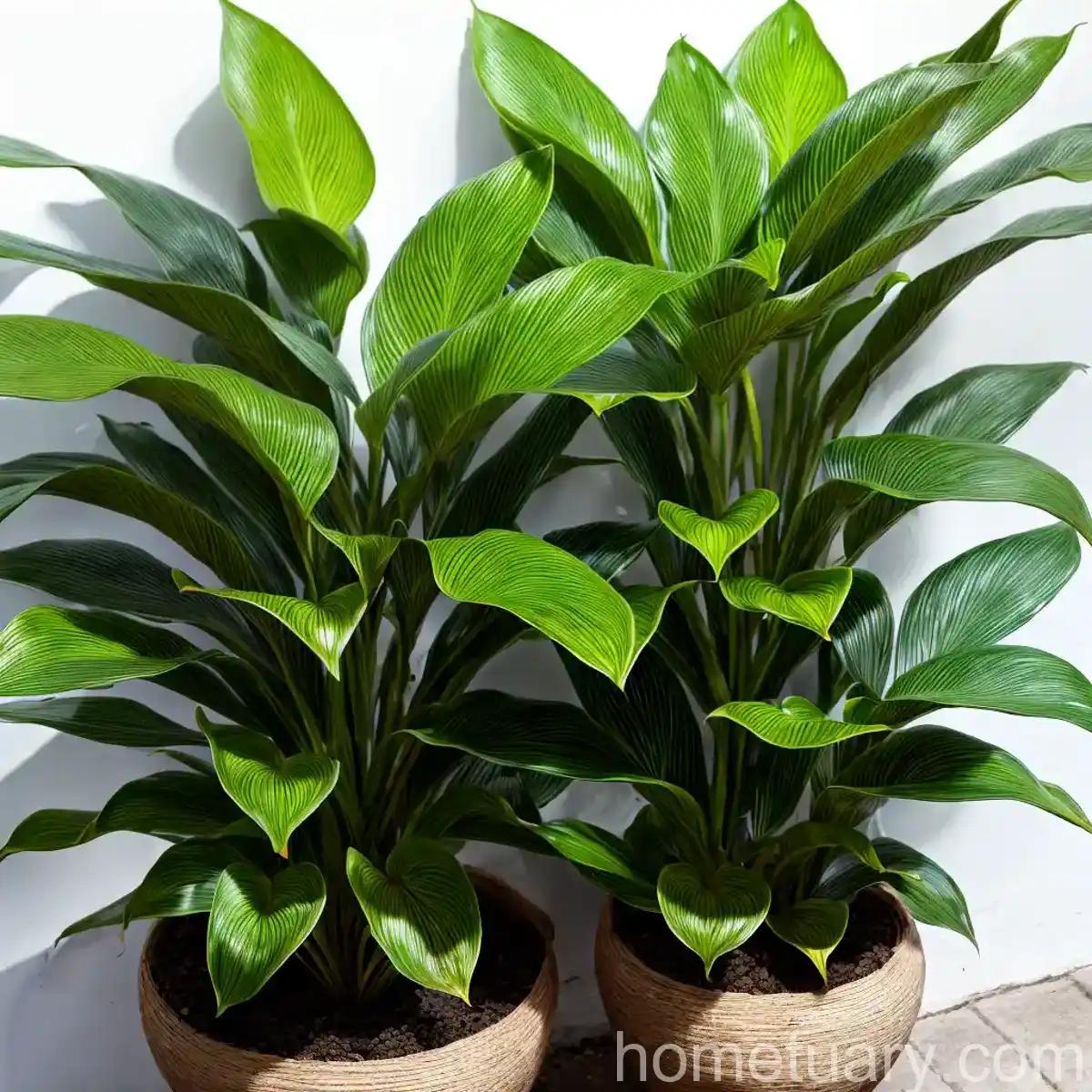
Plant Name: Calathea Lutea (Calathea Lutea)
What is Calathea Lutea?
Calathea Lutea, also known as Cigar Calathea or Cuban Cigar, is a stunning tropical plant that belongs to the Maranta family, Marantaceae. This plant is native to the tropical regions of Central and South America where it thrives in the warm, humid climate. Calathea Lutea is known for its beautiful foliage and is a popular choice for indoor gardening due to its low maintenance requirements and captivating appearance.
Key Takeaways – Calathea Lutea
Culture
- Family: Marantaceae
- Genus: Calathea
- Species: Lutea
- Common Names: Cigar Calathea, Cuban Cigar
- Native Habitat: Central and South America
Uses
Calathea Lutea is valued for its ornamental purposes. It is primarily grown as an indoor plant in homes, offices, and public spaces to enhance the aesthetic appeal.
Water
Calathea Lutea thrives in consistently moist, but not waterlogged, soil. It is essential to maintain a regular watering schedule to keep the soil evenly moist, especially during the growing season. However, it’s equally important to ensure proper drainage to prevent root rot.
Sunlight
This plant prefers bright, indirect sunlight. It should be shielded from harsh, direct sunlight as it can scorch the leaves. Placing the plant near a window with sheer curtains or in a location with filtered light is ideal for its growth.
Fertilizer
During the growing season, which is typically spring and summer, Calathea Lutea benefits from regular fertilization. A balanced, water-soluble fertilizer diluted to half or quarter strength can be applied monthly to encourage healthy growth.
Soil
A well-draining, peat-based potting mix is suitable for Calathea Lutea. The soil should retain moisture without becoming waterlogged. Adding a small amount of sand and perlite can help improve the soil’s drainage and aeration.
Pruning
Regularly removing old, yellowing, or damaged leaves can help maintain the plant’s appearance and health. Additionally, any leggy or overgrown stems can be trimmed to encourage bushier growth.
Propagation
Calathea Lutea can be propagated through division during repotting. Dividing the plant into smaller sections, each with a healthy root system, allows for the creation of new plants. It’s best to ensure each division has at least a few stems and leaves for successful propagation.
Container
When selecting a container for Calathea Lutea, choose a pot with adequate drainage holes to prevent waterlogging. Additionally, a slightly larger pot size allows room for the plant’s rhizomes to spread and encourages healthy growth.
Popularity
Due to its striking foliage and relatively low maintenance requirements, Calathea Lutea has gained popularity as an indoor ornamental plant, adding a tropical touch to interior spaces.
Common Diseases
Calathea Lutea is susceptible to leaf spot diseases, root rot, and fungal infections if exposed to consistently damp or waterlogged conditions. Ensuring proper watering practices and maintaining good air circulation helps prevent these issues.
Disease Diagnosis
Leaf Spot Diseases: Dark or light spots appearing on the leaves, often accompanied by yellowing or browning of the surrounding tissue, can indicate leaf spot diseases.
Root Rot: Stunted growth, wilting, and yellowing of leaves, along with foul-smelling, mushy roots, can signify root rot.
Fungal Infections: The presence of powdery or fuzzy growth on the leaves or soil can indicate a fungal infection.
Common Pests
Calathea Lutea may attract common indoor pests such as spider mites, aphids, and mealybugs. Regularly inspecting the plant for signs of infestation and taking prompt measures to control pests is essential for its health.
Botanist’s Tips
- Maintain high humidity levels to mimic the plant’s natural tropical habitat.
- Avoid cold drafts and sudden temperature fluctuations, as Calathea Lutea prefers consistently warm conditions.
- Regularly wipe the leaves with a damp cloth to remove dust and improve the foliage’s ability to absorb light.
Fun Facts
- The striking leaf patterns of Calathea Lutea are known to move in response to light. This movement, known as nyctinasty, happens as the plant’s leaves adjust their positioning throughout the day.
Now that we’ve covered the basics of Calathea Lutea, let’s dive deeper into its care, maintenance, and characteristics.
Calathea Lutea Care
Calathea Lutea care involves creating a balanced environment that closely reflects its natural tropical habitat. From the soil to light requirements, maintaining optimal conditions is essential for the plant’s well-being.
Light Requirements
Calathea Lutea thrives in bright, indirect light. Exposure to direct sunlight can lead to leaf burn and damage. Placing the plant near a window with sheer curtains or in a location with filtered light is ideal for its growth.
Temperature
This tropical plant prefers warm temperatures between 65-85°F (18-30°C). Avoid exposing Calathea Lutea to temperatures below 60°F (15°C) as it can negatively affect its growth and overall health.
Humidity
Maintaining high humidity levels is crucial for Calathea Lutea. Aim for a humidity level of around 60% or higher to create an environment similar to its native tropical habitat. Using a humidifier or pebble tray can help increase humidity levels.
Watering
Proper watering is essential for the health of Calathea Lutea. It thrives in consistently moist, but not waterlogged, soil. Water the plant when the top inch of the soil feels dry, and ensure that excess water can drain freely from the pot.
Soil
A well-draining, peat-based potting mix is suitable for Calathea Lutea. The soil should retain moisture without becoming waterlogged. Adding perlite or sand to the mix can improve drainage and aeration.
Fertilization
During the growing season, which usually spans from spring to summer, feed Calathea Lutea with a balanced, water-soluble fertilizer diluted to half or quarter strength. Apply the fertilizer monthly to encourage healthy growth.
Pruning
Regularly remove old, yellowing, or damaged leaves to maintain the plant’s appearance. Trimming leggy or overgrown stems can encourage bushier growth.
Propagation
Calathea Lutea can be propagated through division, especially during repotting. Dividing the plant into smaller sections with healthy root systems allows for the creation of new plants.
Repotting
Repot Calathea Lutea every 1-2 years, or when the plant has outgrown its current container. Choose a slightly larger pot with adequate drainage to accommodate the plant’s growth.
Growth Stages
Calathea Lutea displays growth predominantly during the spring and summer months, with reduced growth during the fall and winter. It’s normal for the plant to become less active during the colder months.
Maintenance
Consistent care and maintenance, including proper watering, lighting, and humidity levels, are essential for the overall health and well-being of Calathea Lutea.
Now that we’ve covered the detailed care requirements, let’s explore the characteristics and properties of Calathea Lutea.
Calathea Lutea Characteristics
Foliage
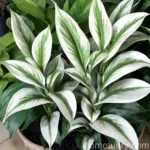
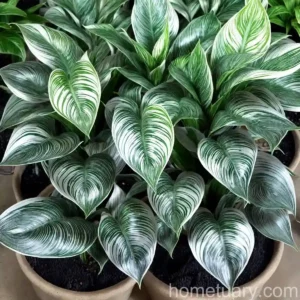
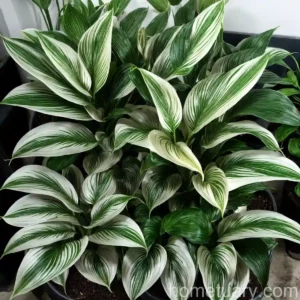
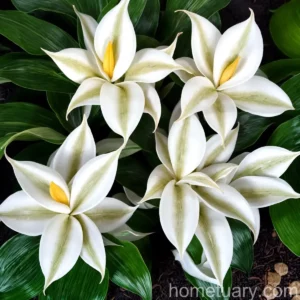
Calathea Lutea is renowned for its striking foliage, characterized by elongated, lance-shaped leaves. The leaves display vivid patterns and colors, adding a touch of tropical elegance to any space.
Leaf Patterns
The leaves of Calathea Lutea feature intricate patterns, often in various shades of green, accented with contrasting stripes or spots. The leaf patterns are a major attraction for plant enthusiasts and contribute to the plant’s overall visual appeal.
Leaf Variations
Calathea Lutea exhibits a range of leaf pattern variations, with some leaves showcasing bolder patterns than others. This adds to the unique and diverse visual display of the plant.
Leaf Curling
Under unfavorable conditions, such as inadequate humidity, Calathea Lutea’s leaves may exhibit curling or wilting. Maintaining high humidity levels can help prevent leaf curling and maintain the plant’s overall health.
Leaf Drooping
In response to inadequate watering or low humidity, Calathea Lutea’s leaves may show signs of drooping. Adjusting the watering schedule and increasing humidity levels can help alleviate this issue.
Leaf Yellowing
Yellowing of the leaves can occur due to overwatering, underwatering, or exposure to direct sunlight. It’s important to identify the underlying cause and adjust the plant’s care routine accordingly.
Leaf Browning
Excessive exposure to direct sunlight, low humidity, or inconsistent watering can lead to leaf browning in Calathea Lutea. Resolving these issues and providing optimal care can prevent further leaf damage.
Leaf Spots
Leaf spot diseases can manifest as dark or light spots on the leaves, often accompanied by yellowing or browning of the surrounding tissue. Proper care and disease prevention measures are vital to maintain the plant’s foliage health.
Leaf Curl Prevention
Maintaining high humidity levels, providing adequate watering, and ensuring optimal light conditions can help prevent leaf curling and maintain the attractive appearance of Calathea Lutea’s foliage.
Now that we have a comprehensive understanding of Calathea Lutea, let’s explore additional aspects such as its natural habitat, plant family, and various leaf pattern variations.
Calathea Lutea: More Than Just a Plant
Natural Habitat
Calathea Lutea is native to the tropical regions of Central and South America, where it thrives in the warm, humid climate of rainforests and tropical areas. This natural habitat influences the care requirements for this plant.
Plant Family
Belonging to the Marantaceae family, Calathea Lutea is closely related to other popular indoor plants, including various Calathea and Maranta species. Understanding its plant family can provide insights into its care needs and characteristics.
Leaf Pattern Variations
Calathea Lutea exhibits an array of leaf pattern variations, making each plant unique in its own right. The diverse patterns and colors contribute to the plant’s visual appeal and are a key feature that sets it apart.
Indoor Gardening
Calathea Lutea is well-suited for indoor gardening, as it thrives in the stable conditions provided by indoor environments. Its striking foliage and low maintenance needs make it a popular choice for interior decoration.
Plant Food
Regular fertilization with a balanced, water-soluble fertilizer during the growing season can provide Calathea Lutea with essential nutrients for healthy growth and vibrant foliage.
Plant Wellbeing
Creating an environment that mimics its natural habitat ensures the overall wellbeing of Calathea Lutea. This includes maintaining optimal humidity, temperature, watering, and light conditions.
Plant Growth Stages
Understanding the growth stages of Calathea Lutea, such as its active growth during spring and summer, allows for better care planning and maintenance throughout the plant’s lifecycle.
Plant Benefits
Calathea Lutea offers numerous benefits as an indoor plant, including air purification, aesthetic enhancement, and the promotion of a calm and soothing environment.
Plant Symbolism
In some cultures, certain plants, including Calathea Lutea, hold symbolic meanings or are associated with specific beliefs. Exploring the symbolism associated with this plant adds an extra layer of intrigue and significance.
Plant Origin
Delving into the origins of Calathea Lutea provides insight into its evolution and geographical distribution, enhancing our understanding of this remarkable tropical plant.
Plant Species
As a distinct species within the Calathea genus, Calathea Lutea exhibits unique features and characteristics that set it apart from other related plant species.
Plant Classification
Understanding the taxonomic classification of Calathea Lutea offers insights into its genetic relationships with other plant species and provides a framework for botanical study.
Plant Health
Maintaining the overall health of Calathea Lutea involves disease prevention, pest control, and ensuring the plant receives adequate care and attention.
Plant Problems and Solutions
Addressing common plant problems, such as leaf yellowing or curling, with practical solutions contributes to the long-term health and vitality of Calathea Lutea.
Plant Colors
The vibrant colors and patterns displayed by Calathea Lutea’s leaves add an element of visual delight to any indoor environment, showcasing nature’s artistic palette.
Plant Science
Incorporating aspects of plant science, such as photosynthesis, leaf structure, and growth patterns, enhances our understanding of Calathea Lutea as a living organism.
Plant Anatomy
Exploring the anatomical features of Calathea Lutea’s leaves, stems, and roots provides a deeper appreciation for the intricate design and functionality of this tropical plant.
Plant Wellbeing
Considering the plant’s overall wellbeing involves addressing its physical, environmental, and care-related needs to support its growth and longevity.
As we’ve explored the various facets of Calathea Lutea, from its care and maintenance to its unique characteristics, it’s clear that this tropical plant offers a wealth of beauty and fascination for plant enthusiasts and nature lovers alike.
Conclusion
Calathea Lutea, with its captivating foliage and low maintenance requirements, has rightfully earned its place as a beloved tropical plant for indoor gardening. From its natural habitat in Central and South America to its adaptable nature as an indoor plant, Calathea Lutea continues to enchant and inspire with its unique characteristics and visual allure.
By understanding the care needs, disease prevention strategies, and the various aspects that contribute to its overall health and wellbeing, plant enthusiasts can cultivate thriving Calathea Lutea specimens that adorn their living spaces with elegance and charm. As we continue to appreciate and care for plants like Calathea Lutea, we deepen our connection with the natural world and foster a deeper sense of appreciation for the beauty and wonder of the plant kingdom.
Incorporating Calathea Lutea into our indoor environments not only adds a touch of the tropics to our surroundings but also enriches our lives with the tranquility and beauty of nature’s creations.
With its distinctive leaf patterns, vibrant foliage, and tropical appeal, Calathea Lutea serves as a stunning reminder of the boundless splendor found within the world of plants
I hope this comprehensive guide to Calathea Lutea has provided valuable insights and inspired a greater appreciation for this remarkable tropical plant.
Happy gardening!
References
- Royal Horticultural Society. “Calathea.” RHS, www.rhs.org.uk/advice/profile?PID=477.
- University of Florida, Institute of Food and Agricultural Sciences (UF/IFAS) Extension. “Calathea spp. and Goeppertia spp. Calathea, Goeppertia.” UF/IFAS Gardening Solutions, 2021, gardeningsolutions.ifas.ufl.edu/plants/houseplants/calathea.html.
- American Society for the Prevention of Cruelty to Animals (ASPCA). “Calathea.” ASPCA, www.aspca.org/pet-care/animal-poison-control/toxic-and-non-toxic-plants/calathea.
- University of Wisconsin-Madison, Division of Extension. “Calathea: Marantaceae.” Wisconsin Horticulture, 2021, hort.extension.wisc.edu/articles/calathea-marantaceae/.
- Minnesota Department of Agriculture. “Calathea Lutea.” Minnesota Noxious Weeds, 2021, www.mda.state.mn.us/noxious-weed-list/calathea-lutea.
The content and information provided in this blog post are for educational and informational purposes only. It is important to conduct thorough research and seek advice from horticultural professionals before experimenting with new plant care practices.