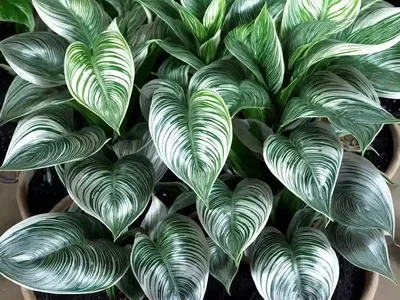
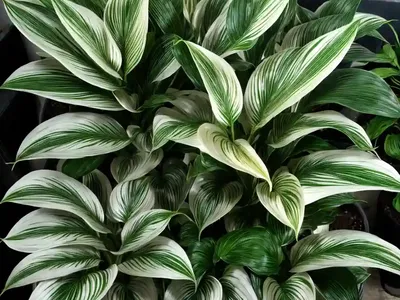
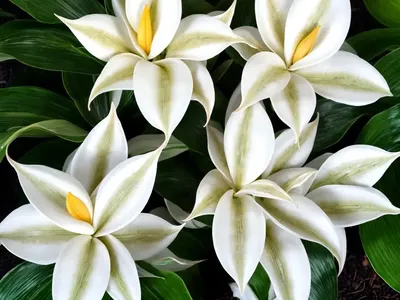
Calathea Crimson (Calathea Picturata Crimson)
Calathea Crimson, scientifically known as Calathea picturata Crimson, is a stunning tropical plant cherished for its vibrant and colorful foliage. This.
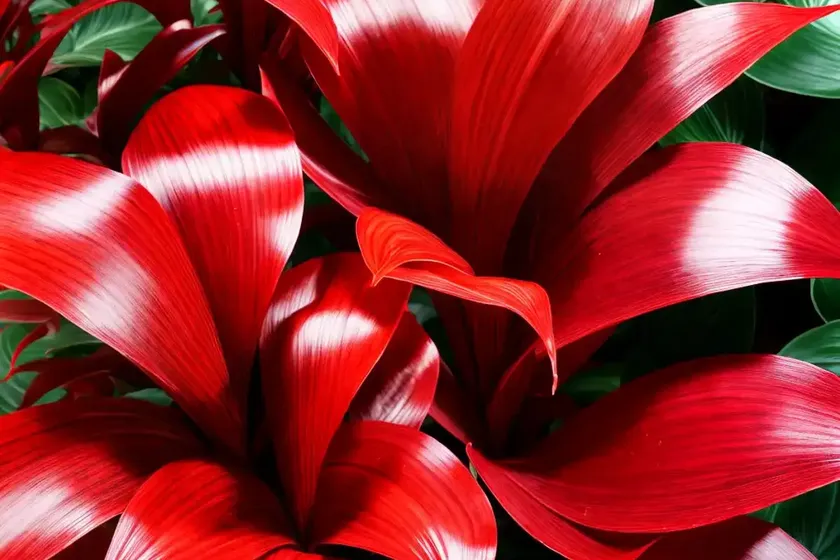
What is Calathea Crimson (Calathea Picturata Crimson)?
Calathea Crimson, scientifically known as Calathea picturata Crimson, is a stunning tropical plant cherished for its vibrant and colorful foliage. This plant belongs to the Marantaceae family, making it a close relative of the prayer plant. Calathea Crimson is native to the tropical regions of South America, particularly found in Brazil, where it thrives in the warm and humid climate.
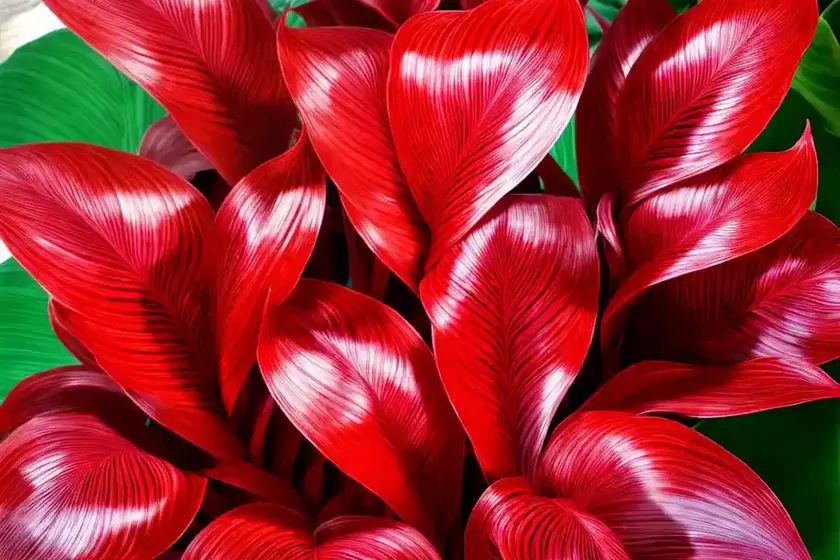
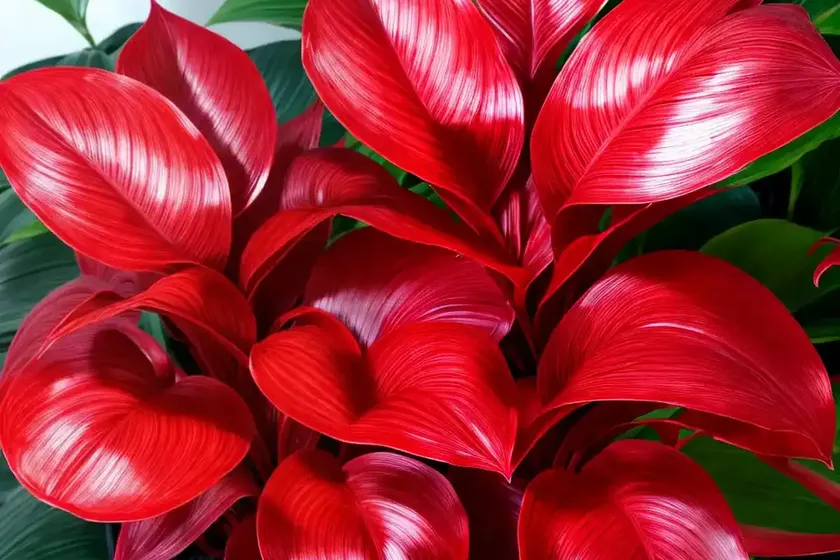
This striking plant is renowned for its mesmerizing leaves, which feature various shades of green and purple, along with intricate patterns that make it a popular choice for indoor décor. The Calathea Crimson plant is not only visually appealing but also boasts air-purifying properties, making it a valuable addition to any indoor space.
Plant enthusiasts are captivated by the Calathea Crimson due to its unique features, making it a sought-after choice for both novice and experienced plant owners. In this comprehensive guide, we will delve into the various aspects of Calathea Crimson care, maintenance, and characteristics, enabling you to appreciate and nurture this stunning plant to its fullest potential.
Key Takeaways – Calathea Crimson (Calathea Picturata Crimson)
Here are some of the key takeaways regarding the Calathea Crimson plant:
- Scientific Name: Calathea Picturata Crimson
- Family: Marantaceae
- Native Region: South America, primarily Brazil
- Foliage: Features vibrant green and purple hues with intricate patterns
- Indoor Plant: Ideal for indoor environments
- Air-purifying: Possesses air-purifying properties
- Low-Light Tolerance: Thrives in low-light conditions
- Humidity Requirement: Prefers high humidity levels
Now, let’s explore the specific aspects related to the culture, uses, care, and maintenance of the Calathea Crimson plant.
Culture
The culture of the Calathea Crimson plant encompasses its origin, natural habitat, and the cultural practices associated with nurturing and appreciating this tropical beauty.
Natural Habitat
The Calathea Crimson plant thrives in the lush and humid regions of South America, where it is primarily found in the tropical rainforests of Brazil. These regions provide the ideal environment for the Calathea Crimson to flourish, characterized by warm temperatures, high humidity levels, and dappled sunlight filtering through the dense canopy.
In its natural habitat, the Calathea Crimson grows in the understory of the rainforest, where it is protected from direct sunlight. This environment influences its care requirements when cultivated as an indoor plant, as it demonstrates a preference for similar conditions, including filtered light and high humidity.
Cultural Practices
Cultivating Calathea Crimson in indoor settings necessitates a keen understanding of its cultural requirements, which encompass factors such as light, water, soil, and temperature. A successfully cultured Calathea Crimson plant will exhibit vigorous growth, vibrant foliage, and a thriving demeanor.
Uses
The Calathea Crimson plant offers multifaceted uses, extending beyond its ornamental value. Understanding its diverse applications provides valuable insights into integrating this tropical gem into various settings and routines.
Ornamental Value
The primary use of Calathea Crimson lies in its ornamental value, attributed to the captivating beauty of its foliage. The vibrant hues and intricate patterns of its leaves make it a popular choice for indoor decoration, adding a touch of tropical elegance to homes, offices, and public spaces.
With its air-purifying properties and low-light tolerance, the Calathea Crimson serves as an excellent choice for enhancing indoor environments while contributing to a healthier atmosphere.
Stress-Relieving Plant
The presence of lush greenery has been associated with stress relief and mental well-being. The Calathea Crimson, with its soothing foliage and unique leaf patterns, serves as a natural stress-relieving plant, bringing tranquility and a sense of serenity to its surroundings.
Decorative Plant Accessories
Apart from its intrinsic beauty, the leaves of the Calathea Crimson are often used as inspirations for decorative plant accessories. The distinct foliage colors and patterns can be leveraged for creating botanical-themed artwork, patterns for textiles, and unique plant-themed decor accents.
Calathea Crimson Care
Caring for Calathea Crimson entails a comprehensive understanding of its specific requirements, encompassing aspects such as water, sunlight, soil, fertilizer, and pruning. By optimizing its care regimen, you can ensure the optimal health and vibrancy of your Calathea Crimson plant.
Water
Proper watering is crucial for the well-being of the Calathea Crimson plant. This tropical beauty thrives in consistently moist soil, requiring regular but moderate watering. Overly wet or dry conditions can adversely impact the health of the plant, leading to issues such as root rot or wilting.
Watering Tips for Calathea Crimson:
– Use room temperature or lukewarm water to avoid shocking the plant.
– Water the Calathea Crimson when the top inch of the soil feels slightly dry to the touch.
– Ensure proper drainage to prevent waterlogging, as this can potentially lead to root rot.
Sunlight
The Calathea Crimson plant exhibits a preference for indirect or filtered sunlight, replicating its natural habitat in the understory of the rainforest. Direct sunlight can cause the leaves to fade, scorch, or develop brown spots, adversely affecting the plant’s aesthetics and health.
Light Requirements for Calathea Crimson:
– Place the plant in a location with bright, indirect light, such as near a north-facing window.
– Shield the plant from direct sunlight, especially during the intense midday hours.
– Consider using sheer curtains or blinds to diffuse the sunlight if the plant is exposed to direct rays.
Fertilizer
Providing appropriate fertilization supports the growth and vibrancy of the Calathea Crimson foliage. A balanced, water-soluble fertilizer formulated for houseplants can be applied during the growing season to enhance the plant’s nutrient uptake and overall health.
Fertilizing Calathea Crimson:
– Apply a diluted, balanced liquid fertilizer every 4-6 weeks during the growing season (spring and summer).
– Refrain from fertilizing during the winter months when the plant’s growth rate decreases.
– Ensure that the soil is consistently moist before and after fertilization to prevent root burn.
Soil
The choice of soil directly influences the moisture retention, aeration, and nutrient availability for the Calathea Crimson plant. A well-draining, peat-based potting mix with added perlite or sand provides the ideal medium for the plant’s root development and overall growth.
Soil Requirements for Calathea Crimson:
– Opt for a high-quality, well-draining potting mix, specifically formulated for tropical plants or houseplants.
– Consider adding perlite or orchid bark to improve drainage and aeration within the soil.
– Monitor the moisture retention of the soil to prevent waterlogging and maintain optimal conditions for the plant’s roots.
Pruning
Regular pruning is essential for maintaining the desired shape, removing damaged foliage, and promoting healthy growth in the Calathea Crimson plant. Trimming or removing discolored or withered leaves helps enhance the plant’s visual appeal while directing its energy towards new foliage production.
Pruning Techniques for Calathea Crimson:
– Use clean, sharp pruning shears or scissors to trim discolored or damaged leaves at the base of the petiole.
– Ensure that the pruning tools are sterilized to minimize the risk of introducing infections to the plant.
– Prune the Calathea Crimson as needed to manage its size and appearance, promoting a compact and well-groomed aesthetic.
Propagation
Propagating the Calathea Crimson enables plant enthusiasts to expand their collection and share the beauty of this tropical marvel with others. Propagation through division or stem cuttings offers viable methods for multiplying the plant while preserving its unique characteristics.
Propagation Methods for Calathea Crimson:
– Division: Divide the plant during repotting, ensuring that each division has healthy roots and foliage.
– Stem Cuttings: Take stem cuttings with a node and at least one healthy leaf, then propagate in a suitable rooting medium, such as a mixture of peat and perlite.
Container Popularity
The Calathea Crimson is well-suited to container gardening, adding a touch of tropical allure to indoor spaces. The popularity of cultivating Calathea Crimson in containers is attributed to its adaptability to indoor environments and its ability to thrive as a potted plant.
Benefits of Container Gardening for Calathea Crimson:
– Allows for easy manipulation of light and humidity levels to accommodate the plant’s needs.
– Enables flexibility in positioning the plant to showcase its ornamental foliage.
– Facilitates the creation of visually appealing indoor displays, incorporating the Calathea Crimson as a central focal point.
Common Diseases
Despite its resilience, the Calathea Crimson is susceptible to certain diseases and ailments. Understanding the common diseases and their diagnosis is crucial for implementing timely interventions to safeguard the plant’s health.
Disease Diagnosis
Diagnosing diseases in the Calathea Crimson involves vigilant observation and the ability to discern the symptoms associated with specific ailments. Common diseases affecting the Calathea Crimson include:
- Leaf Spotting: Manifests as dark spots or patches on the foliage, often caused by overwatering, poor air circulation, or fungal infections.
- Root Rot: Characterized by mushy, discolored roots and wilting foliage, often resulting from waterlogged soil or overwatering.
- Fungal Infections: Various fungal diseases, such as powdery mildew and leaf blight, can affect the Calathea Crimson, leading to foliage discoloration and diminished plant vigor.
Common Pests
Pest infestations pose a threat to the health and appearance of the Calathea Crimson plant, necessitating proactive pest control measures to mitigate their impact.
Common Pests Affecting Calathea Crimson:
– Spider Mites: These tiny pests can infest the underside of the foliage, causing stippling and webbing.
– Mealybugs: Mealybug infestations appear as white, cottony masses on the plant, typically found in leaf axils and along the stems.
– Aphids: Aphids may colonize the tender growth of the plant, leading to distorted leaves and reduced vigor.
Botanist’s Tips
Guided by the expertise of botanists, the following tips are invaluable for nurturing and appreciating the Calathea Crimson plant to its fullest potential.
1. Humidity Management
Maintaining adequate humidity levels is essential for the Calathea Crimson’s well-being, especially in indoor environments with dry air. Methods for increasing humidity include using a humidifier, grouping plants together, or placing a tray of water and pebbles near the plant.
2. Water Quality
The Calathea Crimson is sensitive to the quality of water used for irrigation. If tap water is high in salts or chemicals, consider using filtered or distilled water to prevent the accumulation of harmful substances in the soil over time.
3. Seasonal Adjustments
Adjust the care regimen of the Calathea Crimson plant in accordance with the changing seasons. During the winter months, reduce watering frequency and avoid fertilization to align with the plant’s natural growth cycle.
Fun Facts
Delve into the fascinating aspects of the Calathea Crimson with these fun and intriguing facts:
- The intricate patterns on the leaves of the Calathea Crimson are known to move and shift in response to the changing light throughout the day, often referred to as the plant’s “prayer” or “living” movements.
- Calathea plants, including the Calathea Crimson, are often referred to as “prayer plants” due to the rhythmic folding and unfolding of their leaves, resembling a form of natural prayer.
- In addition to their ornamental value, Calathea plants have historical and cultural significance, with some varieties being utilized for traditional medicinal purposes in their native regions.
Links to External Resources
Expand your knowledge and appreciation of the Calathea Crimson plant by exploring the following external resources:
- The Plant Encyclopedia
- Royal Horticultural Society – Calathea Care Guide
- The Spruce – Indoor Plants & Houseplants Guide
- University of Florida IFAS Extension – Houseplant Care
With its captivating foliage, air-purifying properties, and cultural significance, the Calathea Crimson (Calathea picturata Crimson) stands as a testament to the allure and diversity of tropical plants. By embracing the comprehensive care insights and insights presented in this guide, you can cultivate and cherish the beauty of the Calathea Crimson within your indoor spaces, enriching your surroundings with its vibrant and enchanting presence.