French-willow (Epilobium Angustifolium)
French-willow (Epilobium angustifolium) is a perennial herbaceous plant that belongs to the Onagraceae family. It is commonly known as fireweed, great.
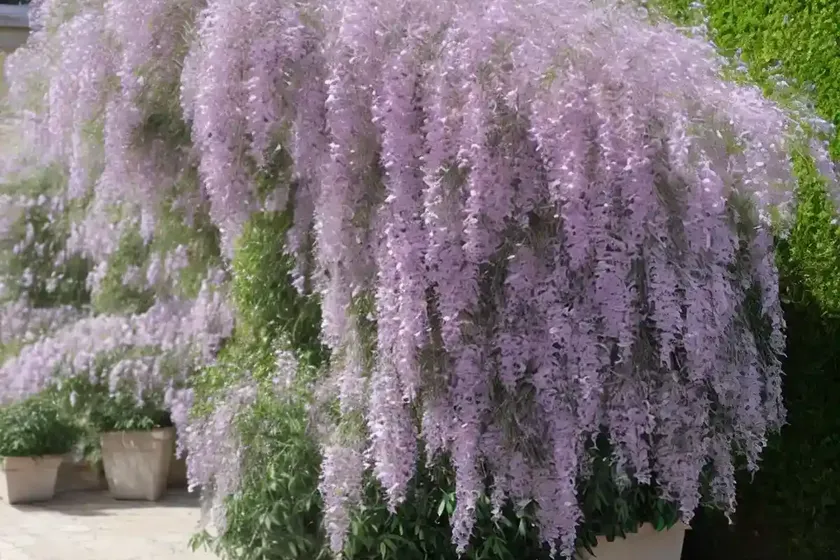
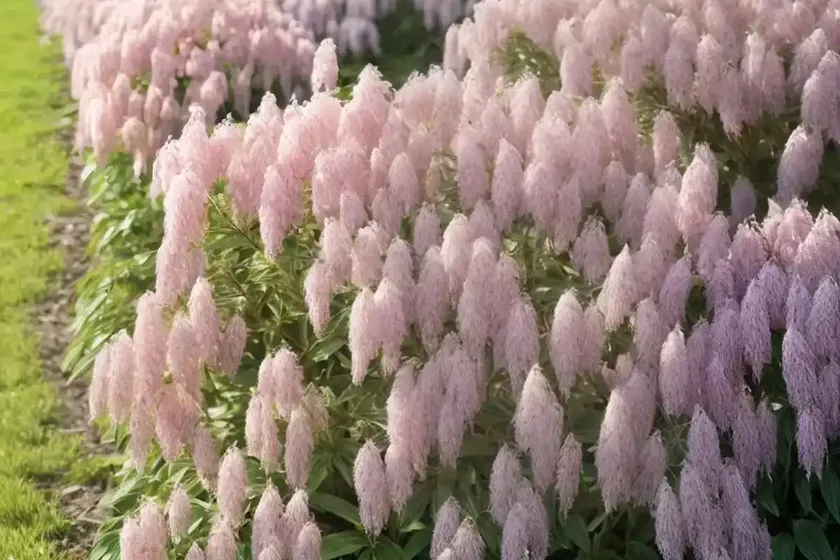
What is French-Willow (Epilobium angustifolium)?
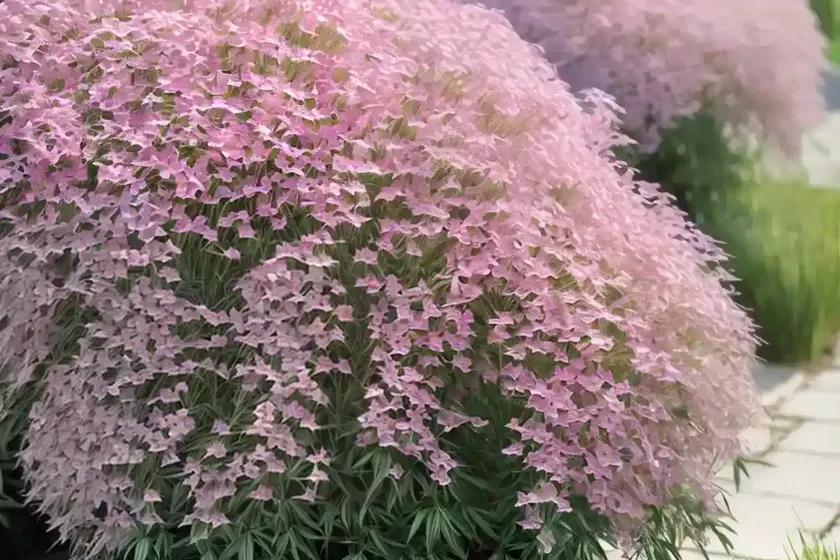
French-willow (Epilobium angustifolium) is a perennial herbaceous plant that belongs to the Onagraceae family. It is commonly known as fireweed, great willow herb, or rosebay willow herb. This plant is native to Europe, Asia, and North America and is known for its vibrant pink to purple flowers that bloom on tall spikes.
Identifying French-Willow
French-willow can be identified by its striking appearance and distinct characteristics:
- Leaves: French-willow has long and narrow leaves that are arranged alternately along the stem. The leaves are generally dark green in color.
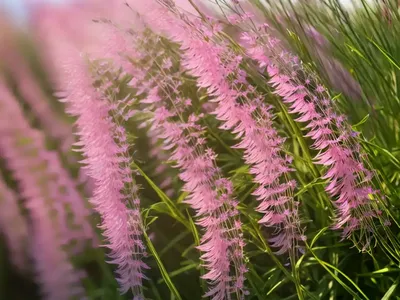
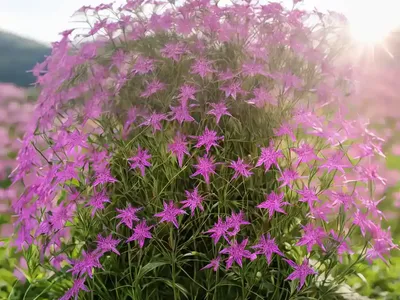
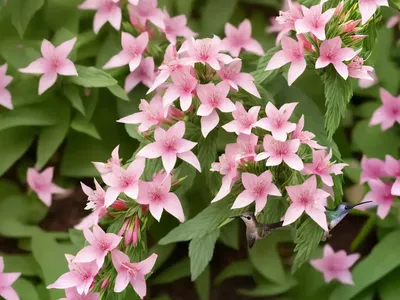
- Flowers: The flowers of French-willow are a prominent feature, with vibrant pink to purple petals arranged in a spikelike inflorescence.
- Habitat: It is commonly found in open areas, along roadsides, in meadows, and in disturbed sites.
Key Takeaways – French-Willow (Epilobium angustifolium)
French-Willow Characteristics
French-willow is characterized by the following features:
- Height: The plant can reach a height of 3 to 8 feet, making it a tall and imposing presence in the landscape.
- Flowering Period: It blooms from mid-summer to early autumn, adding a pop of color to the surroundings.
- Attracts Wildlife: French-willow is known to attract pollinators such as bees and butterflies, contributing to the biodiversity of an area.
French-Willow Uses
French-willow has various uses, including:
- Ornamental: Its vibrant flowers make it an attractive addition to gardens and landscaping.
- Traditional Medicine: In some cultures, the plant has been used for its medicinal properties, with various parts of the plant being used to treat certain ailments.
- Wildlife Habitat: It provides food and habitat for a range of wildlife species, contributing to ecological balance.
Culture
French-willow is relatively easy to grow and maintain, making it a popular choice among gardeners and landscape enthusiasts.
Water
French-willow thrives in moist soil conditions and appreciates regular watering, especially during dry periods. However, it is important to avoid waterlogging, as excessive moisture can lead to root rot.
Sunlight
This plant prefers full sunlight to partial shade. It thrives in open areas where it can receive ample sunlight during the day.
Fertilizer
French-willow generally does not require heavy fertilization. However, adding a balanced, slow-release fertilizer in the spring can promote healthy growth and abundant flowering.
Soil
The ideal soil for French-willow is well-draining, rich in organic matter, and slightly acidic to neutral in pH. It can adapt to various soil types but thrives in fertile soils.
Pruning
Pruning is not typically necessary for French-willow. However, cutting back the plant after flowering can help maintain its shape and prevent self-seeding.
Propagation
French-willow can be propagated through several methods, including seeds and division.
Seeds
Sow French-willow seeds indoors in early spring or directly in the garden after the last frost. The seeds require light to germinate, so they should be surface-sown and lightly covered with soil.
Division
Division is best carried out in the spring or autumn. Divide mature clumps and replant the divisions in suitable locations.
Container Popularity
French-willow can be grown in containers, particularly for those who have limited garden space. It adds a vertical element to container gardens and can thrive in large pots with adequate drainage.
Container Planting Tips
When planting French-willow in containers, consider the following:
- Use a high-quality potting mix that provides good drainage.
- Ensure that the containers receive sufficient sunlight.
- Regularly monitor soil moisture to prevent drying out or waterlogging.
Companion Plants for Containers
French-willow can be paired with other sun-loving perennials, such as lavender, sedum, or coreopsis, to create beautiful and dynamic container arrangements.
Common Diseases
French-willow is generally resistant to most diseases. However, it can be susceptible to certain issues under unfavorable growing conditions.
Disease Diagnosis
Common diseases that may affect French-willow include:
- Powdery Mildew: This fungal disease can cause white powdery spots on the leaves and stems.
- Rust: Rust diseases manifest as orange to rust-colored spots on the plant, impacting its overall appearance.
- Leaf Spot: Leaf spot diseases can cause dark spots or lesions on the foliage.
Disease Prevention
To prevent diseases, it is essential to provide optimal growing conditions for French-willow. This includes proper watering, adequate air circulation, and maintaining overall plant health.
Common Pests
French-willow is relatively resistant to pest infestations. However, certain pests may occasionally bother the plant.
Pest Control
Common pests that may affect French-willow include aphids and caterpillars. Physical removal or the use of horticultural oils can help control these pests without resorting to chemical treatments.
Botanist’s Tips
Here are some additional tips for cultivating and caring for French-willow:
- Create naturalistic plantings by incorporating French-willow into wildflower meadows or naturalized landscapes.
- Enhance the attractiveness of French-willow by allowing it to naturalize in open areas while maintaining its growth habit.
- Use the plant as a backdrop in perennial borders or as a focal point in cottage gardens for a touch of wild beauty.
Fun Facts
French-willow is rich in folklore, symbolism, and ecological significance. Here are some intriguing facts about this captivating plant:
- In folklore, French-willow has been associated with various myths and stories, often symbolizing resilience and revival.
- It serves as a valuable food source for numerous pollinators and wildlife species, contributing to the overall biodiversity of natural habitats.
- French-willow has been used in traditional medicine for its alleged healing properties, particularly in certain cultural traditions.
Links to External Resources
To further explore the world of French-willow and gain valuable insights into its cultivation, uses, and ecological importance, consider the following external resources:
- Royal Horticultural Society – Fireweed
- USDA Plants Database – Epilobium angustifolium
- The Wildlife Trusts – Rosebay Willowherb
- University of Maryland Extension – French-Willow
Epilobium angustifolium, commonly known as French-willow, is a plant with a rich tapestry of uses, folklore, and ecological significance. Its vibrant blooms and ecological contributions make it a valuable asset in various settings, from gardens and landscapes to natural habitats.
Epilobium Angustifolium Properties
Epilobium angustifolium exhibits the following properties:
- Medicinal: It has been historically utilized in traditional medicine for its alleged healing properties and benefits.
- Ecological: The plant plays a crucial role in supporting diverse wildlife species and enhancing ecological balance in natural environments.
- Aesthetic: Its captivating blooms and distinct growth habit make it a visually appealing addition to landscapes and gardens.
Epilobium Angustifolium Cultivation Tips
When cultivating Epilobium angustifolium, consider the following tips:
- Provide well-drained soil and ample sunlight for optimal growth and flowering.
- Integrate the plant into naturalistic landscapes to harness its ecological contributions.
- Explore its potential for traditional herbal and medicinal uses in alignment with cultural practices.
Epilobium Angustifolium Habitat Requirements
This plant thrives in open areas and disturbed sites, making it adaptable to various habitats and growing conditions.
Epilobium Angustifolium Natural Remedies
Epilobium angustifolium has been associated with various natural remedies and traditional uses, reflecting its cultural significance and potential therapeutic properties.
Epilobium Angustifolium Pests and Control
While relatively resistant to pests, occasional management of aphids and caterpillars may be necessary to maintain plant health and vigor.
Epilobium Angustifolium Pruning Techniques
Minimal pruning is required for Epilobium angustifolium. However, removing spent flower stalks after blooming can help maintain its appearance.
Epilobium Angustifolium Folklore and Cultural Significance
This plant has been intertwined with folklore and cultural symbolism, embodying themes of resilience and natural beauty in various cultural narratives.
Conclusion
French-willow (Epilobium angustifolium) stands as a testament to nature’s resilience and versatility. From its striking appearance and ecological contributions to its cultural significance, this plant continues to captivate and inspire. By understanding its characteristics, uses, and cultivation practices, individuals can embrace the natural charm and potential benefits of French-willow in diverse settings.
French-willow invites us to delve into the intricate tapestry of nature, where beauty, utility, and ecological harmony intersect. As we cultivate and appreciate this remarkable plant, we celebrate its role in enriching our lives and the natural world.