Camilla (Camellia)
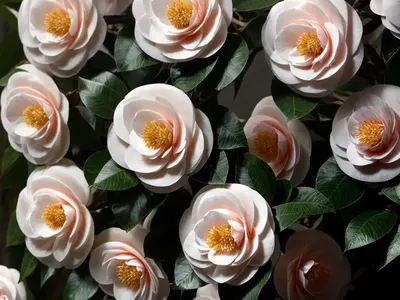
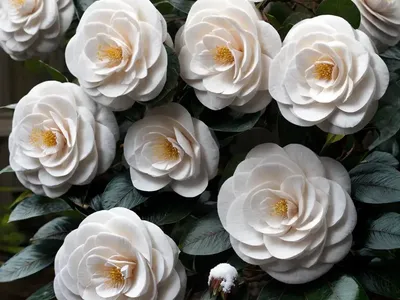
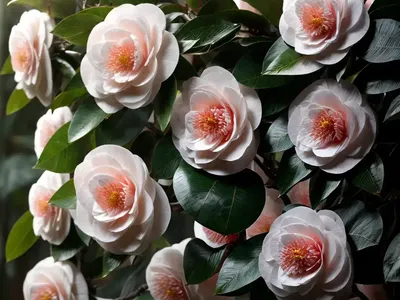
Camellia, a genus of flowering plants in the family Theaceae, is known for its stunning and vibrant blooms that add elegance to landscapes and gardens..
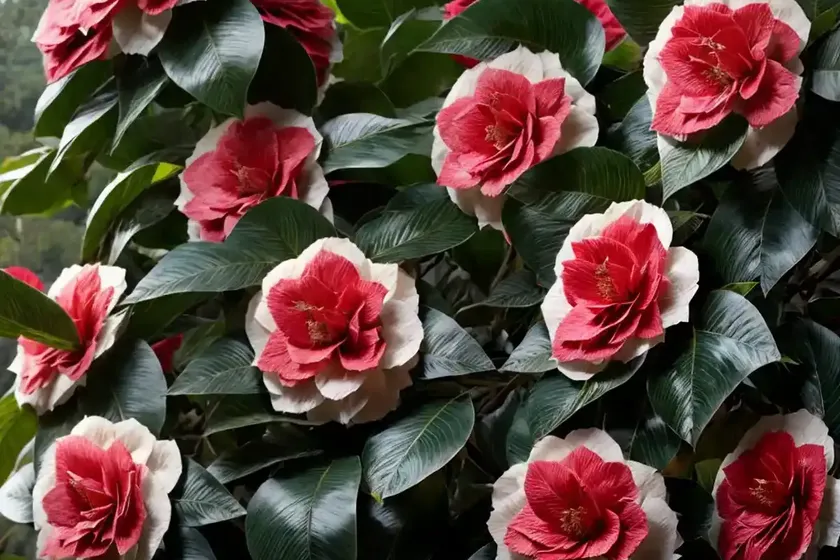
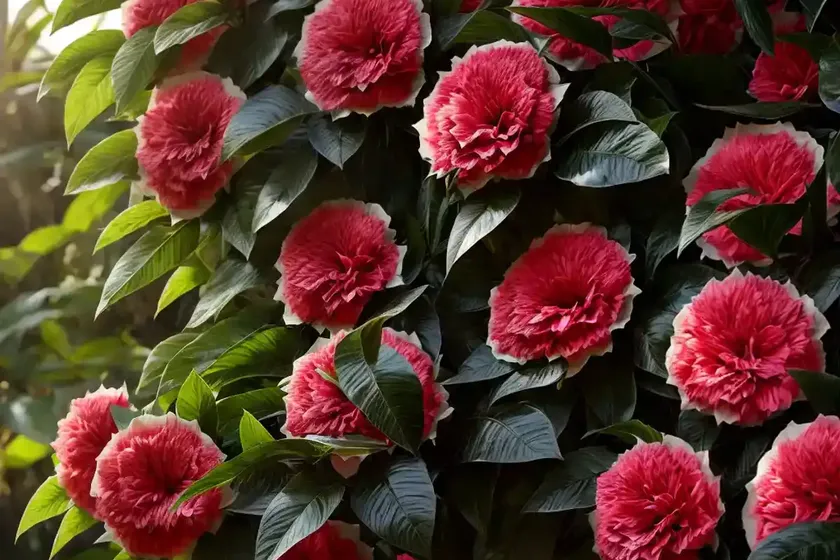
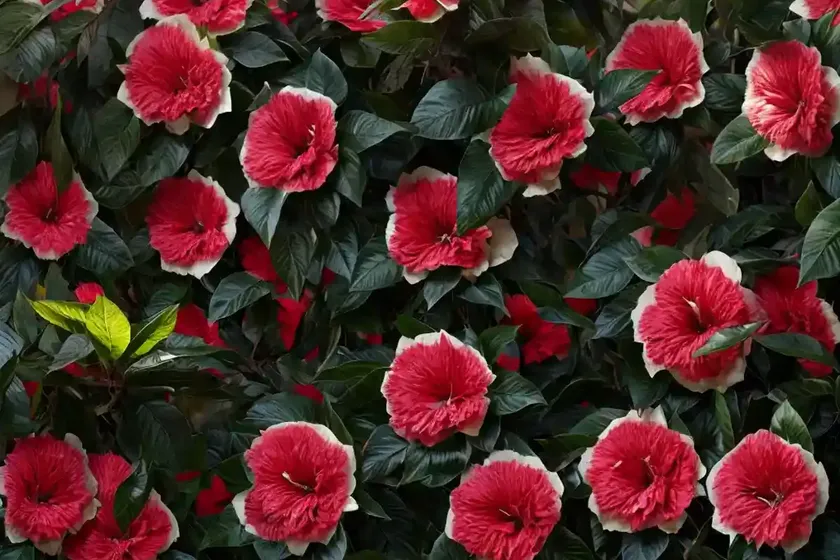
Camellia, a genus of flowering plants in the family Theaceae, is known for its stunning and vibrant blooms that add elegance to landscapes and gardens. With a rich history, diverse cultural significance, and a multitude of uses, Camellia has captured the interest of plant enthusiasts, gardeners, and researchers alike. In this comprehensive guide, we will delve into the world of Camellia, exploring its cultivation, care, uses, and much more.
What is Camellia?
Camellia is an evergreen shrub or a small tree, often cultivated for its ornamental and economic value. The genus Camellia comprises over 250 species, with Camellia japonica and Camellia sasanqua being two of the most popular species. Renowned for their glossy, dark-green foliage and mesmerizing flowers, Camellias are native to diverse regions, including eastern and southern Asia, from the Himalayas to Japan and Indonesia.
Key Takeaways – Camellia
Before delving into the specific aspects of Camellia, let’s summarize some key takeaways about this captivating plant:
- Camellia is a genus of flowering plants in the family Theaceae, comprising over 250 species.
- It is known for its glossy, dark-green foliage and vibrant, elegant flowers.
- The two most popular species are Camellia japonica and Camellia sasanqua.
- Camellias are native to eastern and southern Asia, with diverse cultural significance.
- The plant has ornamental, medicinal, and economic uses, making it a versatile and valuable species.
Now that we have a basic understanding of Camellia, let’s delve into the detailed aspects of its culture, uses, care, and much more.
Culture
When it comes to cultivating Camellias, understanding their cultural requirements is crucial for ensuring their optimal growth and blossom. From water to soil, and from sunlight to fertilizer, let’s explore the essential cultural aspects of Camellia cultivation.
Water
- Watering Frequency: Camellias need regular watering, especially during the growing season. However, it’s important to avoid waterlogging the soil, which can lead to root rot.
- Soil Moisture: The soil should be kept consistently moist, but not waterlogged. Mulching can help retain soil moisture and regulate temperature.
- Water Quality: Camellias generally prefer slightly acidic soil and water, so using rainwater or filtered water is recommended, especially in areas with alkaline tap water.
Sunlight
- Light Requirements: While Camellias thrive in partial shade, they also require some sunlight to bloom profusely. Morning sun and afternoon shade are ideal for most Camellia varieties.
- Protecting from Harsh Sun: In regions with intense summer heat, providing partial shade during the hottest part of the day can help prevent sunburn on the foliage.
Fertilizer
- Fertilizing Schedule: Camellias benefit from regular fertilization, especially during the growing season. Using a balanced, slow-release fertilizer formulated for acid-loving plants is recommended.
- Nutrient Composition: The fertilizer should have a balanced NPK ratio, with added micronutrients such as iron and magnesium to support healthy foliage and vibrant blooms.
- Avoiding Excess Nitrogen: Excessive nitrogen can lead to lush foliage at the expense of flowers, so it’s important to use a fertilizer with a moderate nitrogen content.
Soil
- Acidic Soil Requirements: Camellias thrive in slightly acidic soil with a pH range of 5.0 to 6.5. Amending the soil with organic matter and using acidic fertilizers can help maintain the optimal pH.
- Well-Draining Soil: Good drainage is essential for preventing root rot, so incorporating organic matter into the soil to improve its structure and drainage is crucial.
- Soil Composition: A well-aerated, loamy soil rich in organic matter is ideal for Camellia cultivation, providing a conducive environment for healthy root development and nutrient uptake.
Uses
Camellias are valued not only for their captivating beauty but also for their versatile uses, ranging from ornamental landscaping to medicinal and economic applications. Let’s explore the diverse uses of Camellias and how they contribute to various aspects of our lives and culture.
Ornamental Use
- Garden Beautification: Camellias are widely used in landscaping and ornamental horticulture, adding color and elegance to gardens, parks, and public spaces.
- Floral Arrangements: The exquisite blooms of Camellias are sought after for creating stunning floral arrangements and bouquets, often used in weddings, events, and as decorative accents.
Medicinal and Cosmetics
- Camellia Oil: Extracted from the seeds of Camellia species, Camellia oil has been traditionally used in skincare and hair care products, known for its nourishing and moisturizing properties.
- Health Benefits: Some species of Camellia are known for their medicinal properties, with certain compounds showing potential health benefits, including antioxidant and anti-inflammatory effects.
Culinary and Beverages
- Camellia Tea: The leaves of Camellia sinensis, a close relative of ornamental Camellia species, are used for producing tea, including green tea, black tea, and various herbal blends.
- Culinary Uses: In some cultures, Camellia flowers are used to add a delicate flavor and visual appeal to certain dishes and culinary creations.
Cultural Significance
- Symbolism: Camellias hold diverse symbolism across different cultures, representing love, devotion, purity, longing, and admiration. They are often featured in literature, art, and symbolism.
- Festivals and Celebrations: Camellia festivals and events are held in various regions to celebrate the beauty and cultural significance of the plant, fostering community engagement and appreciation.
Pruning
Proper pruning is essential for maintaining the health, shape, and flowering performance of Camellias. Understanding the pruning techniques and timing is crucial for achieving optimal results. Here are some key considerations for pruning Camellias:
- Pruning Timing: The best time to prune Camellias is right after they finish blooming. This allows sufficient time for new growth to develop and set buds for the next blooming season.
- Deadheading: Removing spent blooms not only improves the aesthetic appeal but also directs the plant’s energy towards new growth and future blooming.
- Thinning and Shaping: Thinning out crowded or crossing branches and shaping the overall structure of the plant can improve air circulation and sun exposure, reducing the risk of diseases and promoting healthy growth.
Propagation
Camellias can be propagated through various methods, including seeds, cuttings, and grafting. Each propagation method has its own advantages and considerations. Here’s an overview of the common propagation techniques for Camellias:
Seed Propagation
- Seed Collection: Collect seeds from mature Camellia fruits and clean off the pulp before sowing.
- Germination Requirements: Camellia seeds often have a hard seed coat that requires scarification or stratification to promote germination.
- Seedling Care: Once germinated, seedlings need to be nurtured until they develop into young plants suitable for transplanting.
Cutting Propagation
- Softwood Cuttings: Softwood cuttings taken in spring or early summer can be propagated under mist or in a propagation medium with bottom heat to encourage rooting.
- Hardwood Cuttings: Hardwood cuttings taken during the late summer can also be successfully rooted using the right environmental conditions and rooting hormone treatment.
Grafting
- Graft Compatibility: Camellias can be grafted onto suitable rootstocks to propagate specific cultivars or enhance the plant’s vigor and tolerance to certain soil conditions.
- Grafting Techniques: Cleft grafting and side-veneer grafting are commonly used for propagating Camellias, requiring precision and attention to detail for successful union and growth.
Container Cultivation
For those who don’t have ample garden space or wish to grow Camellias indoors, container cultivation offers an excellent alternative. Here are some key tips for successfully growing Camellias in containers:
- Container Selection: Choose a spacious container with adequate drainage holes to provide a well-aerated and healthy environment for the roots.
- Potting Mix: Use a well-draining, acidic potting mix formulated for acid-loving plants or prepare a custom mix by blending peat moss, pine bark, and perlite.
- Sunlight Requirements: Place the containers in a location that receives morning sun and partial afternoon shade, ensuring sufficient light for robust growth and blooming.
Popularity and Common Varieties
Camellias have gained immense popularity worldwide for their enchanting blooms and cultural significance. The following are some common Camellia varieties and their distinct characteristics:
| Variety | Description |
|---|---|
| Camellia japonica | Known for its large, showy flowers in a wide range of colors, including shades of red, pink, and white. It is a classic choice for gardens and landscaping, with numerous cultivars available. |
| Camellia sasanqua | Recognized for its smaller, dainty flowers and compact growth habit, making it suitable for hedges, borders, and container cultivation. It blooms earlier than Camellia japonica, often in fall. |
Common Diseases and Disease Diagnosis
As with any plant, Camellias are susceptible to certain diseases that can impact their health and flowering. Recognizing the symptoms and understanding disease management is essential for preserving the vitality of Camellias. Here are some common diseases and their diagnosis:
Common Diseases
- Camellia Leaf Gall: This fungal disease causes abnormal growths or galls on the leaves, compromising the plant’s aesthetics and vigor.
- Camellia Petal Blight: Petal blight is characterized by the browning and rapid decay of flower petals, often caused by fungal pathogens in humid conditions.
Disease Diagnosis
- Visual Symptoms: Examine the foliage, blooms, and overall plant appearance for unusual coloration, spots, lesions, or deformities.
- Environmental Conditions: Consider the prevailing weather, moisture levels, and soil conditions, as these can influence disease development and spread.
Common Pests
While Camellias are relatively resistant to pests, certain insects can still pose a threat to their health and appearance. Understanding common pests and implementing control measures can help mitigate potential damage. Here are some common pests that affect Camellias:
Common Pests
- Tea Scale: These small, armored scale insects can infest Camellia foliage, excreting honeydew and causing leaf discoloration and diminished plant vigor.
- Aphids: Aphids may feed on the sap of Camellia plants, leading to distorted growth, honeydew secretion, and the development of sooty mold.
Pest Control
- Preventive Measures: Regularly inspect the foliage for signs of pest infestation and promptly remove any affected plant parts to prevent further spread.
- Natural Predators: Encouraging natural predators such as ladybugs and lacewings can help keep pest populations in check without the need for chemical interventions.
Botanist’s Tips
To conclude our comprehensive guide to Camellia cultivation and care, let’s summarize some essential tips from a botanist’s perspective:
- Mulching: Apply a layer of organic mulch around the base of the Camellia to conserve soil moisture, regulate temperature, and discourage weed growth.
- Consistent Monitoring: Regularly monitor the plants for signs of nutrient deficiencies, pest infestation, diseases, and overall growth progress.
- Pruning Techniques: Practice proper pruning techniques to maintain the desired shape, improve air circulation, and stimulate new growth and flowering.
- Cultural Adaptation: Consider the specific cultural needs and requirements of each Camellia variety when planning their placement and care in the landscape.
Fun Facts
To add a touch of fascination to our exploration of Camellias, here are some fun and intriguing facts about these remarkable plants:
- The genus Camellia is named after the Jesuit priest and botanist Georg Kamel.
- In the language of flowers, white Camellias symbolize purity and adoration, while red Camellias convey love and passion.
- Camellia sinensis, the species used to produce tea, is part of the Camellia genus and has been cultivated for centuries for its leaves’ aromatic and flavorful brew.
Links to External Resources
For further exploration of the captivating world of Camellias, we recommend diving into the following external resources:
In conclusion, the genus Camellia encompasses a captivating blend of botanical beauty, cultural significance, and practical utility, making it a perennial favorite among gardeners, researchers, and enthusiasts. Whether adorning gardens with their vibrant blooms, enriching skincare products with nourishing oils, or serving as a source of cultural symbolism, Camellias continue to enthrall and inspire us with their timeless allure.
Would you like to know more about Camellias, their cultivation, or any other related aspect? Feel free to explore the resources provided or reach out with your inquiries.
Happy gardening and discovery in the world of Camellias!