Calathea Beauty Star (Calathea ‘Beauty Star’)
In this comprehensive guide, we will delve into the captivating world of the Calathea Beauty Star (Calathea ‘Beauty Star’). Whether you are a novice plant parent or a seasoned enthusiast, the allure of this plant is undeniable. From its striking foliage to its unique care requirements, the Calathea Beauty Star is a beloved addition to any indoor space.
What is a Calathea Beauty Star?
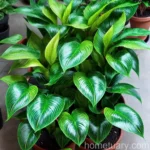
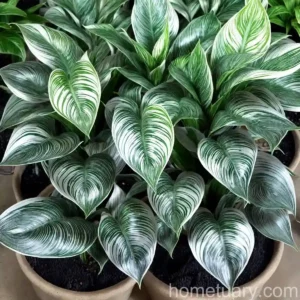
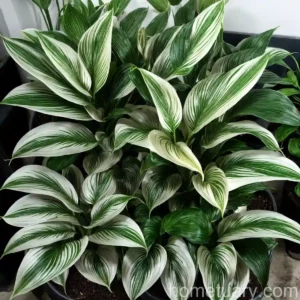
The Calathea Beauty Star, scientifically known as Calathea ‘Beauty Star,’ is a member of the Marantaceae family, native to the tropical regions of South America, particularly found in Brazil. It is celebrated for its stunning ornamental leaves, which exhibit intricate patterns and vibrant hues. While it is primarily cultivated as an indoor plant, it thrives in the warm and humid conditions of its natural habitat.
As a part of the Calathea genus, the Beauty Star shares characteristics with its botanical relatives, such as the Calathea Ornata (Pinstripe Calathea), Calathea Medallion, and Calathea Zebrina. Its common names include Cathedral Windows and Rose-painted Calathea, a testament to the visual appeal of its foliage.
Key Takeaways – Calathea Beauty Star (Calathea ‘Beauty Star’)
Before delving into the specifics of caring for the Calathea Beauty Star, let us glance at the key takeaways that will guide us through this botanical journey.
- Family: Marantaceae
- Genus: Calathea
- Scientific Name: Calathea ‘Beauty Star’
- Native Habitat: Tropical regions of South America, particularly Brazil
- Foliage: Elongated leaves with vibrant patterns
- Growth Habit: Clumping, non-invasive
- Lifestyle: Perennial
- Maintenance Level: Moderate
- Ideal for: Indoor cultivation in warm, humid environments
- Best Suited for: Plant enthusiasts seeking an ornamental, low-light compatible species
Now, let us explore the nuanced care requirements and delightful attributes of the Calathea Beauty Star that make it a cherished addition to any plant collection.
Culture
Uses
The Calathea Beauty Star is primarily cultivated for its aesthetic appeal, with its elegantly patterned leaves making it a sought-after choice for interior decoration. Its exotic foliage adds a touch of lush greenery and visual interest to spaces such as living rooms, offices, and even bedrooms. Furthermore, its air-purifying properties contribute to an enhanced indoor environment, making it a popular choice for individuals seeking to improve air quality within their homes and workspaces.
Water
Maintaining adequate moisture levels is critical when caring for the Calathea Beauty Star. As these plants originate from tropical regions, they thrive in environments with high humidity. When watering the Beauty Star, it is important to avoid allowing the soil to dry out completely. However, overwatering can lead to root rot, so striking a balance is essential. It is advisable to use room temperature water and ensure adequate drainage to prevent waterlogging.
Sunlight
The Beauty Star prefers bright, indirect light, making it an ideal choice for indoor settings with filtered sunlight. Direct sunlight can scorch the delicate leaves, leading to damage and discoloration. Areas with dappled light or partial shade are well-suited for this species, contributing to its popularity as an ornamental houseplant.
Fertilizer
To support healthy growth and vibrant foliage, regular fertilization is recommended during the growing season, which typically spans from spring to early fall. A balanced, water-soluble fertilizer designed for indoor plants can be applied every two to four weeks, following the manufacturer’s instructions for dilution and application.
Soil
The Calathea Beauty Star thrives in well-draining, moisture-retentive soil that replicates the nutrient-rich conditions of its natural habitat. A high-quality potting mix formulated for tropical foliage plants is ideal, providing ample aeration and moisture retention. Additionally, incorporating organic matter such as peat moss contributes to an optimal growing medium for the Beauty Star.
Pruning
Regular pruning of the Calathea Beauty Star is primarily focused on the removal of yellowing or damaged leaves to maintain the plant’s aesthetic appeal. Utilizing clean, sharp scissors or pruning shears, any unsightly or struggling foliage can be carefully trimmed away. It is important to exercise caution and precision when pruning to avoid unnecessary stress to the plant.
Propagation
The Calathea Beauty Star can be propagated through division, a relatively straightforward method that involves separating the plant into smaller sections, each containing healthy roots and foliage. This process is best undertaken during the repotting phase, typically carried out every one to two years.
Container Popularity
Given its suitability as an indoor plant, the Calathea Beauty Star is often cultivated in various types of containers, ranging from classic terracotta pots to more modern, decorative vessels. The choice of container can significantly influence the overall aesthetic impact of the plant within its designated space.
Container Common Diseases
While the Beauty Star is relatively resilient, it can be susceptible to common plant diseases and pest infestations. Being aware of these potential issues and taking proactive measures is vital to safeguard the health of the plant.
Disease Diagnosis
Diagnosing diseases in the Calathea Beauty Star primarily involves vigilance and regular inspection of the foliage. Common issues such as leaf spot, powdery mildew, and root rot may manifest in response to inadequate humidity, overwatering, or poor air circulation. Prompt action, including tailored treatments and adjustments to the plant’s care routine, can mitigate these concerns.
Common Pests
Pests such as spider mites and aphids can pose a threat to the Beauty Star’s foliage. Regularly inspecting the plant for any signs of infestation and implementing targeted pest control measures, such as gentle washing with insecticidal soap, can effectively manage these issues.
Botanist’s Tips
- Humidity Requirements: As a tropical plant, the Calathea Beauty Star thrives in environments with high humidity. Regular misting or the use of a humidifier can create an optimal microclimate for the plant.
- Light Requirements: While the Beauty Star appreciates bright, indirect light, it is essential to shield it from direct sunlight, which can lead to leaf damage.
- Soil Type: Moisture-retentive, well-draining soil with adequate aeration is crucial for the health and vitality of the plant.
Fun Facts
- The intricate patterns on the Calathea Beauty Star’s leaves are not purely decorative; they serve a functional purpose in its natural habitat, aiding in light absorption and moisture regulation.
- In addition to their ornamental value, Calathea plants have been traditionally utilized for their medicinal properties in certain indigenous cultures.
Links to External Resources
If you’re keen to explore further information on the Calathea Beauty Star or enhance your plant care knowledge, the following external resources will provide valuable insights:
In conclusion, the Calathea Beauty Star (Calathea ‘Beauty Star’) stands as a captivating testament to the beauty and diversity of the plant kingdom. Its striking foliage and moderate care requirements make it an ideal choice for individuals seeking an ornamental, low-maintenance indoor plant. By embracing the unique cultural and environmental needs of the Beauty Star, plant enthusiasts can witness its graceful growth and marvel at the tranquil charm it brings to their living spaces.