Calathea Orbifolia (Calathea Orbifolia)
Calathea orbifolia, also known as the round-leaf Calathea, is a stunningly unique plant that has gained immense popularity among plant enthusiasts. Its.
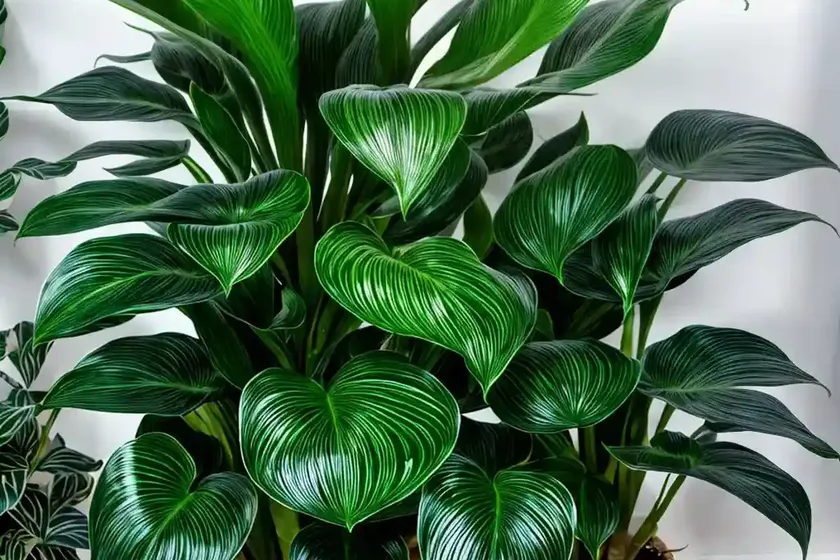
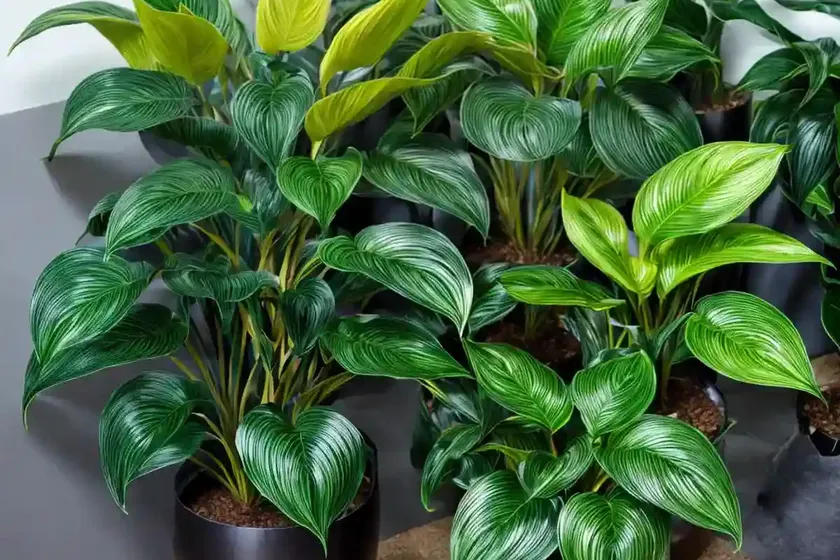
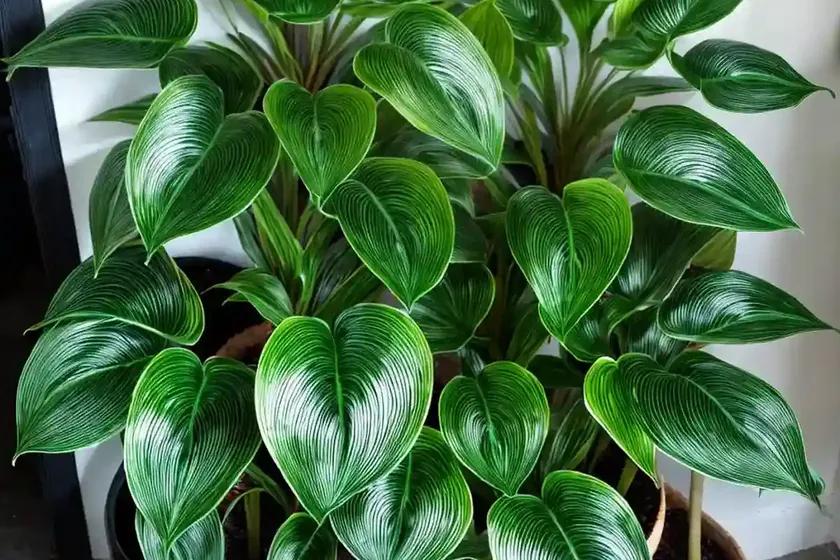
Calathea orbifolia, also known as the round-leaf Calathea, is a stunningly unique plant that has gained immense popularity among plant enthusiasts. Its appealing foliage and low-maintenance nature make it an excellent choice for indoor gardening. In this comprehensive guide, we will delve into the intricate details of tending to this elegant plant, from its cultural needs to disease management. We will also touch upon some fascinating facts and valuable tips from botanists to ensure that your Calathea orbifolia thrives in all its splendor.
What is Calathea Orbifolia?
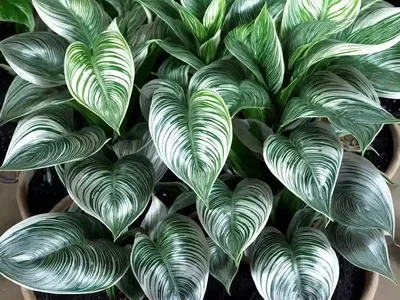
Calathea orbifolia is a member of the Marantaceae family, which comprises various species known for their striking foliage. With its large, round, patterned leaves and a clumping growth habit, this plant is an exquisite addition to any indoor space. Originating from the tropical regions of South America, particularly Brazil, Calathea orbifolia thrives in humid and warm environments, which makes it a perfect fit for indoor cultivation. Its distinctive leaf pattern and unique growth habits make it a sought-after choice for plant enthusiasts looking to enhance their green spaces.
Key Takeaways – Calathea Orbifolia
Before we dive into the specifics of caring for Calathea orbifolia, let’s outline the key takeaways that will be explored in this guide:
Culture
- Tropical origin
- Ideal growing conditions
Uses
- Ornamental purposes
- Air-purifying qualities
Water
- Optimal watering practices
- Humidity requirements
Sunlight
- Light preferences
- Suitable light exposure
Fertilizer
- Nutrient requirements
- Feeding frequency
Soil
- Soil type preferences
- Moisture retention abilities
Pruning
- Trimming needs
- Maintenance guidelines
Propagation
- Reproduction methods
- Propagation timing
Container
- Appropriate pot size
- Potting mix considerations
Popularity
- Growing demand
- Aesthetic appeal
Common Diseases
- Disease susceptibility
- Preventive measures
Disease Diagnosis
- Identifying symptoms
- Treatment options
Common Pests
- Pest vulnerabilities
- Pest management
Botanist’s Tips
- Expert recommendations
- Best practices
Fun Facts
- Intriguing characteristics
- Curious attributes
Links to External Resources
- Additional reading materials
- Further information
Now, let’s proceed to unravel the intricacies involved in cultivating and caring for Calathea orbifolia, ensuring its prosperity and vitality.
Culture of Calathea Orbifolia
As previously mentioned, Calathea orbifolia is indigenous to the tropical regions of South America, where it thrives in warm, humid climates. To successfully cultivate this exquisite plant, it is essential to replicate its natural habitat as closely as possible. The following cultural considerations will aid in creating an optimal environment for your Calathea orbifolia:
Ideal Growing Conditions
- Temperature: Calathea orbifolia thrives in temperatures ranging from 65°F to 85°F (18°C to 29°C). It is crucial to keep the plant away from drafts and sudden temperature fluctuations, as it prefers consistently warm conditions.
- Humidity: This plant flourishes in high humidity levels. Aim to maintain a humidity level of 60% or higher to promote healthy growth and prevent leaf browning.
- Light: Calathea orbifolia prefers bright, indirect light. Direct sunlight can scorch its delicate leaves, leading to unsightly damage. Filtered or dappled sunlight is ideal for this plant, making it a perfect fit for spaces with ample natural light but minimal direct sun exposure.
- Soil: Well-draining, peat-based potting mix with added perlite for enhanced aeration is well-suited for Calathea orbifolia. The soil should retain moisture without becoming waterlogged, providing the plant with the ideal growing medium.
Uses of Calathea Orbifolia
Beyond its striking appearance, Calathea orbifolia serves several purposes, making it a versatile addition to any indoor space. Understanding its uses can further enhance the appreciation for this exceptional plant:
Ornamental Purposes
Calathea orbifolia is primarily cultivated for its aesthetic appeal. Its large, round leaves with intricate patterns create a visually captivating display, adding a touch of elegance to any room. With proper care, this plant can become a stunning focal point in your indoor garden or living space.
Air-Purifying Qualities
In addition to its visual allure, Calathea orbifolia contributes to a healthier indoor environment by actively purifying the air. As part of the Marantaceae family, this plant is known for its air-purifying properties, helping to eliminate harmful toxins and increase the overall air quality within its vicinity.
Watering Calathea Orbifolia
Proper watering is a crucial aspect of Calathea orbifolia care, as it directly impacts the plant’s health and vitality. Understanding the optimal watering practices and humidity requirements is essential for nurturing this stunning foliage plant:
Optimal Watering Practices
- Frequency: Calathea orbifolia prefers consistently moist, but not waterlogged, soil. Water the plant when the top inch of the soil begins to dry out, typically every 1-2 weeks, depending on environmental conditions.
- Water Quality: Use filtered, room-temperature water when watering your Calathea orbifolia to avoid subjecting it to harsh chemicals and extreme temperatures that may adversely affect its sensitive roots.
- Drainage: Ensure that the pot has sufficient drainage holes to prevent water from pooling at the bottom, which can lead to root rot and other moisture-related issues.
- Humidity Requirements: As mentioned earlier, Calathea orbifolia thrives in high humidity environments. In addition to regular watering, increasing ambient humidity levels through methods such as misting or using a humidifier can greatly benefit this plant.
Sunlight Requirements for Calathea Orbifolia
Light preferences play a pivotal role in the overall well-being of Calathea orbifolia. By understanding its sunlight needs and providing suitable exposure, you can optimize its growth and maintain the vibrant appearance of its foliage:
Light Preferences
- Indirect Light: Calathea orbifolia thrives in bright, indirect light. Placing it near a north or east-facing window is often ideal, as it provides the necessary light intensity without subjecting the plant to direct sunlight.
- Avoid Direct Sunlight: Direct sunlight can lead to leaf scorching and discoloration. It is crucial to shield Calathea orbifolia from harsh, direct sun exposure, especially during the intense midday hours.
Fertilizing Calathea Orbifolia
To support the healthy growth and development of Calathea orbifolia, providing appropriate nutrients through regular fertilization is essential. Understanding its nutrient requirements and feeding frequency will aid in optimizing the plant’s vigor:
Nutrient Requirements
Calathea orbifolia benefits from regular, diluted applications of balanced, water-soluble fertilizers during the growing season (spring and summer). Choose a fertilizer with an NPK ratio of 3:1:2 or 3:1:3 and dilute it to half or quarter strength to prevent the risk of nutrient burn.
Feeding Frequency
Fertilize your Calathea orbifolia every 4-6 weeks during the growing season, reducing or discontinuing fertilization in the fall and winter when the plant’s growth slows down. It is essential to flush the soil with plain water periodically to remove excess salts and prevent nutrient buildup.
Soil Requirements for Calathea Orbifolia
The choice of soil directly impacts the overall health and vitality of Calathea orbifolia. Providing a suitable potting mix that meets its soil type preferences and moisture retention abilities is fundamental to its well-being:
Soil Type Preferences
- Well-draining, peat-based potting mix is ideal for Calathea orbifolia. The mix should have excellent moisture retention properties while ensuring that excess water can freely drain away from the roots.
- Incorporating perlite or coarse sand into the potting mix can enhance aeration and prevent the soil from becoming overly compact, which can impede root growth and lead to moisture-related issues.
Pruning Calathea Orbifolia
Regular pruning and maintenance are essential for ensuring the optimal growth and appearance of Calathea orbifolia. Understanding its trimming needs and adhering to appropriate maintenance guidelines will help keep the plant in top condition:
Trimming Needs
- Removal of Yellowing Leaves: Regularly inspect your Calathea orbifolia for any yellow or damaged leaves, and promptly prune them to promote the plant’s overall health and aesthetics.
- Trimming Leggy Growth: If your Calathea orbifolia begins to exhibit leggy or straggly growth, consider pruning back the affected stems to encourage bushier, more compact growth.
Propagation of Calathea Orbifolia
Propagating Calathea orbifolia allows you to expand your plant collection and share this stunning species with fellow gardening enthusiasts. Understanding the various propagation methods and the optimal timing for propagation will facilitate successful reproduction:
Reproduction Methods
- Division: Dividing mature Calathea orbifolia plants during repotting is a straightforward method of propagation. Gently tease apart the root mass and divide the plant into smaller sections, ensuring each division has sufficient roots and foliage to support its growth.
- Stem Cuttings: Stem cuttings can also be utilized to propagate Calathea orbifolia. Select a healthy stem with several leaves and root it in a suitable growing medium, such as perlite or a peat-based mix.
Propagation Timing
Early spring is generally the optimal time to propagate Calathea orbifolia, as the plant enters its active growth phase. By propagating during this period, you can take advantage of the plant’s natural vigor and maximize the success rate of the propagation process.
Container Considerations for Calathea Orbifolia
Selecting an appropriate container and potting mix is crucial in providing an optimal growing environment for Calathea orbifolia. Understanding the pot size and potting mix considerations will contribute to the plant’s overall well-being:
Appropriate Pot Size
- Calathea orbifolia thrives in slightly snug conditions, preferring to be slightly root-bound. When selecting a pot, choose one that allows for a bit of room for the roots to grow but is not excessively large.
- A container that is 1-2 inches larger in diameter than the plant’s current pot is generally suitable for accommodating the plant’s growth without subjecting it to an overly spacious environment.
Potting Mix Considerations
- As previously mentioned, a well-draining, peat-based potting mix with added perlite is well-suited for Calathea orbifolia. It is essential to provide a mix that supports adequate moisture retention without becoming saturated, thereby safeguarding the plant against root rot and other moisture-related issues.
Popularity of Calathea Orbifolia
Calathea orbifolia has garnered significant popularity among indoor gardeners and plant enthusiasts due to its captivating aesthetic and relatively low-maintenance requirements. Its growing demand is a testament to its widespread appeal and allure as a prized addition to indoor green spaces.
Common Diseases of Calathea Orbifolia
Despite its resilience, Calathea orbifolia is susceptible to certain diseases, many of which are attributed to improper care and environmental conditions. By familiarizing yourself with the potential diseases and preventive measures, you can safeguard your plant against common ailments:
Disease Susceptibility
- Root Rot: Overwatering and poorly draining soil can lead to root rot, a condition that manifests as mushy, discolored roots and wilting foliage.
- Leaf Spot: Fungal infections can cause unsightly leaf spots on the foliage of Calathea orbifolia, resulting in blemished and disfigured leaves.
- Powdery Mildew: Inadequate air circulation and high humidity levels can lead to powdery mildew, a white, powdery fungal growth that affects the leaves of the plant.
Preventive Measures
- Proper watering practices, adequate air circulation, and maintaining optimal humidity levels are essential for preventing common diseases in Calathea orbifolia.
- Providing suitable environmental conditions and promptly addressing any signs of distress or disease can greatly minimize the risk of ailments affecting your plant.
Disease Diagnosis in Calathea Orbifolia
Recognizing the symptoms of common diseases and understanding the available treatment options is crucial for effectively managing any health issues that may arise in Calathea orbifolia:
Identifying Symptoms
- Root rot is often characterized by wilting, yellowing leaves and a foul odor emanating from the soil. Additionally, the roots may appear brown or black and feel mushy upon inspection.
- Leaf spot manifests as brown, black, or yellow spots on the foliage of Calathea orbifolia, typically accompanied by leaf discoloration and a general decline in the plant’s health.
- Powdery mildew presents as a white, powdery substance on the leaves, signaling a fungal infection that requires prompt intervention to prevent further spread.
Treatment Options
- For root rot, addressing the root cause of the issue, such as overwatering or poor drainage, is crucial. Re-potting the plant in well-draining soil and trimming affected roots may aid in saving the plant from further decline.
- Leaf spot and powdery mildew can be managed through the application of suitable fungicides and adjustments to the plant’s environment to inhibit fungal growth. As a preventive measure, it is essential to isolate affected plants to prevent the spread of the diseases.
Common Pests Affecting Calathea Orbifolia
Despite its resilient nature, Calathea orbifolia is vulnerable to certain pests that can affect its overall health and appearance. By recognizing the pest vulnerabilities and implementing effective management strategies, you can help protect your plant from unwanted infestations:
Pest Vulnerabilities
- Spider Mites: These tiny pests thrive in dry, arid conditions and can cause stippling, webbing, and leaf discoloration on Calathea orbifolia.
- Mealybugs: Mealybugs are another common pest that may target this plant, typically congregating in protected areas such as leaf axils and the underside of leaves.
Pest Management
- Regularly inspecting your Calathea orbifolia for signs of pest infestations, such as webbing, stippling, or visible insects, is essential for early detection and intervention.
- Utilizing natural pest control methods such as neem oil or insecticidal soaps can help manage and eradicate common pests, reducing the risk of damage to your plant.
Botanist’s Tips for Calathea Orbifolia Care
Drawing upon the expertise of botanists and plant care specialists can provide valuable insights and recommendations for ensuring the optimal health and vitality of Calathea orbifolia:
Expert Recommendations
- Humidity: Maintaining high humidity levels is essential for the well-being of Calathea orbifolia. Consider using a humidifier or creating localized humidity through pebble trays to support the plant’s growth.
- Watering: Consistency is key when it comes to watering this plant. Aim to keep the soil consistently moist, but not waterlogged, to provide the ideal growing conditions for your Calathea orbifolia.
- Light: Providing bright, indirect light is crucial for the plant’s vigor. Shielding it from direct sunlight while ensuring it receives sufficient ambient light is essential for maintaining its vibrant foliage.
Best Practices
- Regular Inspection: Routinely inspect your Calathea orbifolia for any signs of distress, including yellowing leaves, wilting, or pest infestations. Prompt intervention can prevent minor issues from escalating into larger problems.
- Maintenance: Regularly dusting the leaves of your Calathea orbifolia can aid in maintaining its lustrous appearance and ensuring that it can effectively photosynthesize in optimal conditions.
- Optimal Environment: Strive to create a stable, conducive environment for your Calathea orbifolia, encompassing suitable temperature, humidity, and light levels to promote healthy growth and prevent stress.
Fun Facts about Calathea Orbifolia
In addition to its striking appearance and low-maintenance nature, Calathea orbifolia boasts several intriguing characteristics and curious attributes that make it a captivating addition to any plant collection:
Intriguing Characteristics
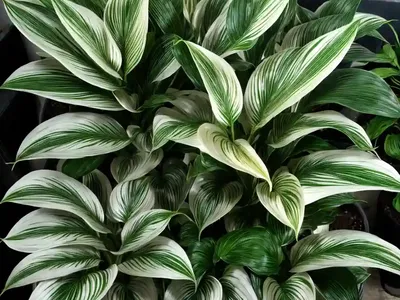
- The unique leaf pattern of Calathea orbifolia features broad, round leaves with silvery green stripes, adding to its visual appeal and distinctive charm.
- As part of the Marantaceae family, Calathea orbifolia exhibits characteristic leaf movements, with its foliage opening and closing in response to light changes throughout the day.
Curious Attributes
- Calathea orbifolia is a non-toxic plant, making it a safe choice for households with pets or young children, as it poses no harm if accidentally ingested.
- Its air-purifying qualities contribute to a healthier indoor environment, actively removing harmful toxins from the air and enhancing overall air quality.
Links to External Resources
For further information and additional reading materials on Calathea orbifolia care and cultivation, consider exploring the following external resources:
- The Spruce – Calathea Orbifolia: Ultimate Plant Guide
- Gardenista – How to Grow and Care for Calathea Orbifolia
- University of Florida – Calathea Orbifolia Information
- American Society for the Prevention of Cruelty to Animals (ASPCA) – Calathea Orbifolia Plant Toxicity Information
- Plant Parenting – Calathea Orbifolia Care Tips and Tricks
Conclusion
Calathea orbifolia, with its captivating foliage and relatively low-maintenance nature, is a remarkable plant that has captured the hearts of plant enthusiasts worldwide. By understanding its cultural needs, disease management, and propagation methods, you can successfully care for and cultivate this stunning species in your indoor spaces.
Incorporating the insights and recommendations from botanists and plant care specialists, along with exploring the fun facts and uses of Calathea orbifolia, can enrich your experience in nurturing this exceptional plant. Whether you are a seasoned gardener or a novice plant parent, the allure and charm of Calathea orbifolia are sure to enhance the natural beauty of your home and provide an oasis of tranquility and relaxation.
Remember, the key to ensuring the prosperity of Calathea orbifolia lies in providing optimal growing conditions, consistent care, and a touch of admiration for its exquisite form. With the right approach and a dash of patience, you can cultivate a thriving and resplendent Calathea orb