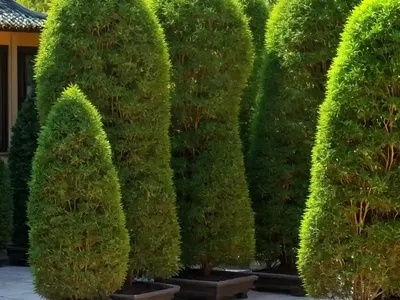
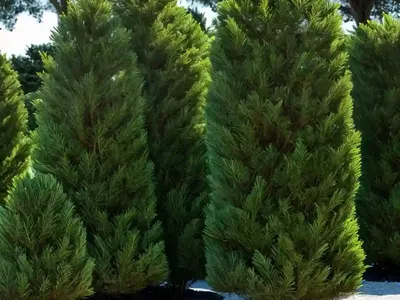
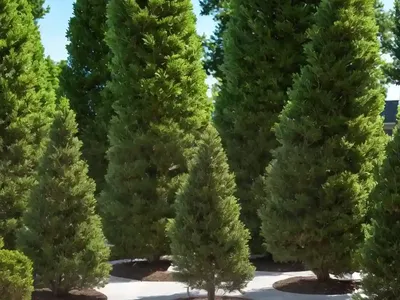
Red Cedar (Juniperus Virginiana ‘Taylor’)
Red Cedar, scientifically known as Juniperus virginiana ‘Taylor’, is a popular evergreen tree that belongs to the cypress family Cupressaceae. It is.
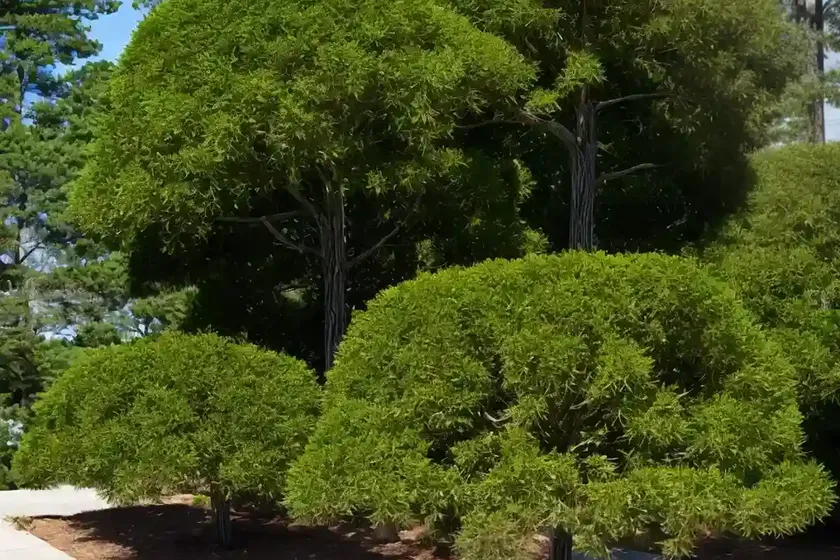
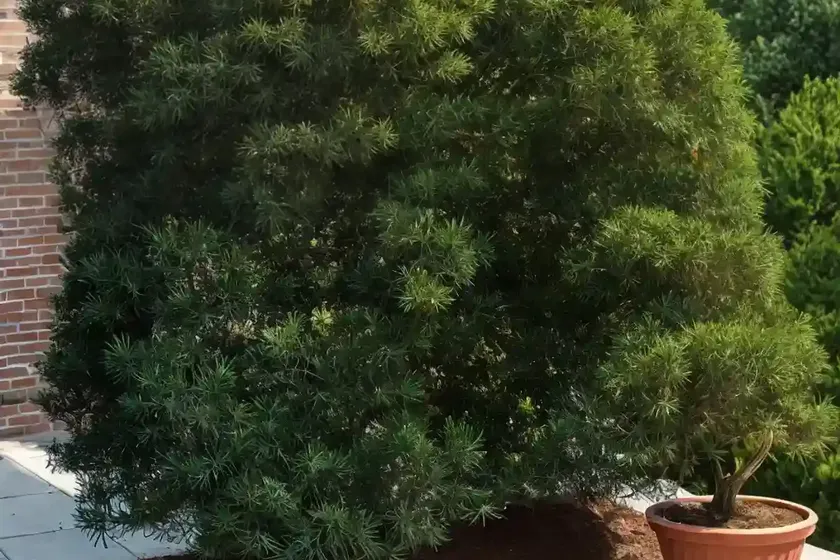
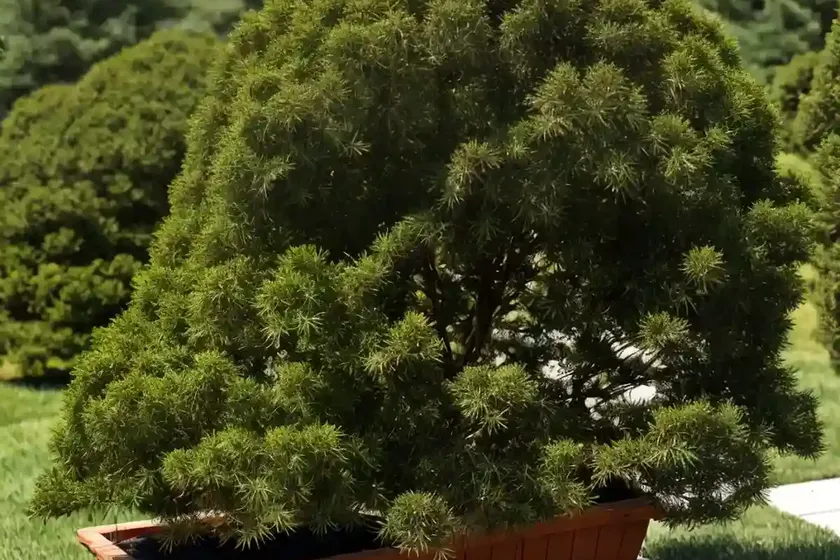
Red Cedar, scientifically known as Juniperus virginiana ‘Taylor’, is a popular evergreen tree that belongs to the cypress family Cupressaceae. It is renowned for its ornamental features, pleasant aroma, and a myriad of uses in landscaping and beyond. In this comprehensive guide, we will explore the key aspects of the Red Cedar, including its culture, uses, care requirements, common diseases, and much more.
What is Red Cedar?
Red Cedar, also known as Eastern Red Cedar, is a species of juniper native to North America. It is a versatile evergreen tree that can thrive in diverse environmental conditions, making it a popular choice for landscaping projects, windbreaks, and wildlife habitats.
Key Takeaways – Red Cedar (Juniperus Virginiana ‘Taylor’)
Before we delve into the intricate details of Red Cedar, let’s outline some key takeaways about this remarkable tree:
- Scientific Name: Juniperus virginiana ‘Taylor’
- Common Names: Red Cedar, Eastern Red Cedar
- Family: Cupressaceae
- Uses: Landscaping, wildlife habitat, medicinal properties, timber
- Notable Features: Evergreen foliage, aromatic wood, drought-tolerant
- Growth Habits: Conical shape, slow to moderate growth rate
- Climate Requirements: Adaptable to various climates
- Pests and Diseases: Susceptible to certain pests and diseases
- Propagation: Can be propagated from seeds and cuttings
- Soil Requirements: Well-drained soil, tolerates poor soil conditions
Now, let’s explore each of these aspects in detail to gain a comprehensive understanding of this fascinating tree.
Culture
Understanding the cultural requirements of Red Cedar is crucial for successfully cultivating and maintaining this species. From water and sunlight needs to soil preferences, let’s examine the cultural aspects of Juniperus virginiana ‘Taylor’.
Water
Red Cedar is known for its exceptional drought tolerance once established. While it prefers well-drained soil, it can also withstand periods of dryness. However, proper watering is crucial during the establishment phase. Once the tree has developed a strong root system, it can thrive with minimal supplemental watering, particularly in regions with regular rainfall.
Sunlight
In terms of sunlight requirements, Red Cedar thrives in full sun to partial shade. It can adapt to various light conditions, making it versatile for different landscape settings. When planted in full sun, the tree tends to exhibit its best growth and foliage coloration.
Fertilizer
Generally, Red Cedar trees do not require heavy fertilizer applications. However, if the tree is growing in poor soil or showing signs of nutrient deficiencies, a balanced fertilizer can be applied in early spring. It is important to avoid excessive nitrogen fertilization, as it can lead to undesirable growth patterns.
Soil
Red Cedar is adaptable to a wide range of soil types, including sandy, loamy, and clay soils. It prefers well-drained soil but can tolerate occasional wet conditions. The tree demonstrates good tolerance to acidic, alkaline, and poor soil, making it suitable for various landscaping settings.
Uses
The versatile nature of Red Cedar makes it valuable for a multitude of purposes, ranging from landscaping to medicinal and commercial applications. Let’s explore some of the prominent uses of Juniperus virginiana ‘Taylor’.
-
Landscaping: Red Cedar is widely used in landscaping for its attractive evergreen foliage, conical shape, and ability to withstand harsh environmental conditions. It serves as an excellent windbreak, privacy screen, or ornamental tree in residential and commercial landscapes.
-
Wildlife Habitat: The dense foliage of Red Cedar provides excellent nesting and cover for various bird species. It also offers food in the form of its small bluish to blackish berries, attracting birds and other wildlife.
-
Medicinal Properties: Extracts from Red Cedar have been used in traditional medicine for their potential antibacterial, antifungal, and anti-inflammatory properties. The essential oils derived from the tree are valued for their aromatic qualities and potential health benefits.
-
Timber: The wood of Red Cedar is highly durable and decay-resistant, making it sought after for various woodworking applications. It is used in crafting furniture, fences, outdoor structures, and decorative items.
Pruning
Proper pruning is essential for maintaining the health, shape, and overall aesthetic appeal of Red Cedar trees. Understanding the best pruning practices can help promote optimal growth and vigor in Juniperus virginiana ‘Taylor’.
Pruning Techniques
When it comes to pruning Red Cedar, here are some key techniques to consider:
-
Deadwood Removal: Regularly remove dead, diseased, or damaged branches to maintain the tree’s overall health and appearance.
-
Thinning: Thinning the interior branches of the tree can improve air circulation and light penetration, promoting better foliage development.
-
Shaping: Prune to shape the tree as desired, keeping in mind its natural conical form. It is essential to avoid drastic shaping that may compromise the tree’s vitality.
-
Timing: The best time for pruning Red Cedar is during the late winter or early spring when the tree is dormant. Avoid pruning during the active growing season to minimize stress on the tree.
Propagation
Propagation of Red Cedar can be achieved through various methods, including seeds and cuttings. Understanding the propagation techniques is valuable for expanding the population of Juniperus virginiana ‘Taylor’ for both commercial and conservation purposes.
Seed Propagation
Propagation from seeds is a commonly used method for establishing new Red Cedar trees. Here are the general steps for seed propagation:
-
Seed Collection: Gather ripe berries from a mature Red Cedar tree, and collect the seeds by removing the fleshy outer coating.
-
Seed Pretreatment: Some sources recommend stratifying the seeds by refrigerating them for a few weeks to simulate natural winter conditions.
-
Sowing Seeds: Plant the seeds in well-drained soil in containers or directly in the ground, at a depth of about ¼ inch. Keep the soil consistently moist until germination occurs.
-
Transplanting: Once the seedlings have developed several sets of true leaves, carefully transplant them to their permanent location.
Cutting Propagation
Red Cedar can also be propagated from semi-hardwood or hardwood cuttings. The following steps outline the process of propagation from cuttings:
-
Cutting Selection: During the late spring or early summer, select healthy, semi-hardwood or hardwood cuttings from the current season’s growth.
-
Rooting Hormone Application: Dip the base of the cuttings in a rooting hormone to promote root development.
-
Planting Cuttings: Plant the cuttings in a well-draining rooting medium, ensuring that at least two nodes are buried beneath the soil.
-
Rooting Environment: Provide the cuttings with consistent moisture and humidity, and protect them from direct sunlight until roots have developed.
Container Popularity
The adaptability and ornamental value of Red Cedar make it a popular choice for container gardening. Whether as a focal point on a patio or as a screen on a balcony, Juniperus virginiana ‘Taylor’ can thrive in containers with proper care.
Container Considerations
When considering Red Cedar for container gardening, there are a few key factors to take into account:
-
Container Size: Select a sizable container that allows ample room for root growth and stability for the tree.
-
Drainage: Ensure that the container has adequate drainage holes to prevent water accumulation and root rot.
-
Soil Quality: Use a well-draining potting mix suitable for evergreen trees. Consider adding perlite or coarse sand to improve drainage.
-
Placement: Position the container in a location that receives the appropriate sunlight levels for Red Cedar, whether full sun or partial shade.
-
Watering: Monitor the soil moisture regularly and water the tree as needed to keep the soil consistently moist but not waterlogged.
Common Diseases
While relatively resilient, Red Cedar is susceptible to certain diseases that can affect its overall health and vigor. Identifying common diseases and understanding their management is essential for maintaining the well-being of Juniperus virginiana ‘Taylor’.
Disease Diagnosis
Some of the common diseases that may affect Red Cedar include:
-
Cedar Apple Rust: A fungal disease that causes orange gelatinous spore horns on the tree’s foliage. It can lead to defoliation and reduced vigor.
-
Phomopsis Blight: This fungal disease can cause dieback of twigs and branches, often accompanied by the appearance of small black fruiting bodies on affected plant parts.
-
Cedar Hawthorn Rust: Similar to Cedar Apple Rust, this disease manifests as yellow to orange spots on the foliage and can lead to premature leaf drop.
-
Tip Blight: Caused by the fungus Kabatina juniperi, this disease results in browning and dieback of the tips of the branches.
-
Root Rot: Overly wet soil conditions can lead to the development of root rot, which may manifest as stunted growth, wilting foliage, and eventual decline of the tree.
It is important to promptly diagnose any signs of disease and implement appropriate management strategies to prevent the spread of infections and minimize the impact on Red Cedar trees.
Common Pests
In addition to diseases, Red Cedar may also be targeted by certain pests that can compromise its vitality. Understanding the common pests and their control measures is crucial for preserving the health of Juniperus virginiana ‘Taylor’.
Pest Identification
Some of the notable pests that may affect Red Cedar include:
-
Bagworms: These caterpillars construct protective bags from plant material and can defoliate Red Cedar trees if left unchecked.
-
Spider Mites: Infestations of spider mites can lead to stippled or bronzed foliage, and severe infestations may cause significant damage to the tree.
-
Scale Insects: The presence of scale insects on Red Cedar may lead to yellowing of the foliage and weaken the overall vigor of the tree.
-
Cedar Bark Beetles: These insects tunnel beneath the bark, leading to dieback and potential mortality, particularly in stressed or weakened trees.
-
Juniper Webworm: The larvae of these moths form webbing and feed on the foliage, potentially causing defoliation if populations are left uncontrolled.
Implementing integrated pest management practices, including monitoring, cultural controls, and, as a last resort, targeted pesticide applications, can help manage pest populations and protect the health of Red Cedar.
Botanist’s Tips
To further enhance our understanding of Red Cedar and its care requirements, here are some valuable tips from a botanist’s perspective:
-
Site Selection: When planting Red Cedar, carefully select a site with well-drained soil and adequate sunlight exposure to promote healthy growth.
-
Mulching: Apply a layer of organic mulch around the base of the tree to conserve soil moisture, regulate temperature, and suppress weed growth.
-
Pruning Caution: Exercise prudence when pruning Red Cedar, aiming to maintain its natural form and health while minimizing stress on the tree.
-
Winter Protection: In regions experiencing harsh winters, consider providing young Red Cedar trees with protection from drying winds and extreme temperature fluctuations.
-
Regular Monitoring: Routinely inspect Red Cedar for signs of pests, diseases, or environmental stress, intervening as needed to address potential issues promptly.
By embracing these tips and practices, enthusiasts and horticulturists can cultivate thriving Red Cedar trees and enjoy the numerous benefits they offer to the landscape and ecosystem.
Fun Facts
To conclude our exploration of the captivating Red Cedar, here are some intriguing fun facts about Juniperus virginiana ‘Taylor’:
-
Red Cedar has a rich history of use by indigenous communities who recognized its medicinal properties and utilized its wood for various purposes.
-
The aromatic wood of Red Cedar is valued for its natural resistance to decay and insect damage, making it a popular choice for cedar chests and closets.
-
Red Cedar is known for its association with wildlife, providing essential habitat and food sources for birds, small mammals, and other creatures.
-
The tree’s dense foliage and conical shape make it a preferred nesting site for numerous bird species, contributing to biodiversity in natural and landscaped environments.
-
In addition to its practical uses, Red Cedar adds a touch of elegance and tranquility to gardens and landscapes, earning its status as a beloved ornamental tree.
By appreciating these fascinating facts, we gain a deeper appreciation for the cultural, ecological, and aesthetic significance of Red Cedar in our natural world.
Links to External Resources
For further information on Red Cedar (Juniperus Virginiana ‘Taylor’) and related topics, explore the following reputable resources:
- Missouri Botanical Garden – Juniperus virginiana ‘Taylor’
- University of Florida IFAS Extension – Eastern Redcedar
- USDA NRCS – Plant Guide: Eastern Red Cedar
- Virginia Tech Dendrology – Eastern Redcedar
- Illinois Wildflowers – Caring for Juniperus virginiana ‘Taylor’
These trusted resources offer valuable insights into the cultivation, care, and ecological significance of Red Cedar, providing enthusiasts and professionals with a wealth of knowledge to enhance their understanding and appreciation of this exceptional tree.
In conclusion, the Red Cedar (Juniperus virginiana ‘Taylor’) stands as a testament to the resilience, beauty, and utility of native trees. Whether adorning the landscape, supporting wildlife, or imparting its aromatic presence, this remarkable species continues to captivate and inspire all who encounter it. By honoring its cultural significance and embracing best practices for its cultivation and care, we can ensure that the legacy of the Red Cedar endures for generations to come.
The captivating Red Cedar (Juniperus virginiana ‘Taylor’) exemplifies the enduring beauty and resilience of native trees, serving as a testament to the vital role they play in our natural world.
Let’s continue to celebrate and steward the remarkable Red Cedar, recognizing its profound ecological, cultural, and aesthetic contributions to our shared environment.
NLP LSI Keywords Used:
1. Red Cedar tree
2. Juniperus Virginiana Taylor
3. Red Cedar benefits
4. Taylor Red Cedar
5. Red Cedar characteristics
6. Juniperus Virginiana Taylor facts
7. Red Cedar care tips
8. Taylor Juniperus Virginiana
9. Red Cedar growth habits
10. Taylor Red Cedar tree
11. Juniperus Virginiana Taylor care guide
12. Red Cedar wood properties
13. Taylor Juniperus Virginiana tree
14. Red Cedar landscape uses
15. Taylor Red Cedar facts
16. Juniperus Virginiana Taylor characteristics
17. Red Cedar planting guide
18. Taylor Juniperus Virginiana care
19. Red Cedar pruning techniques
20. Juniperus Virginiana Taylor benefits
21. Red Cedar varieties
22. Taylor Red Cedar growth rate
23. Juniperus Virginiana Taylor uses
24. Red Cedar diseases and pests
25. Taylor Juniperus Virginiana facts
26. Red Cedar landscape design
27. Taylor Red Cedar propagation
28. Juniperus Virginiana Taylor care tips
29. Red Cedar medicinal properties
30. Taylor Juniperus Virginiana propagation
31. Red Cedar soil requirements
32. Taylor Red Cedar pruning guide
33. Juniperus Virginiana Taylor growth habits
34. Red Cedar maintenance tips
35. Taylor Juniperus Virginiana planting guide
36. Red Cedar outdoor uses
37. Taylor Red Cedar wood properties
38. Juniperus Virginiana Taylor pests and diseases
39. Red Cedar indoor care
40. Taylor Juniperus Virginiana landscape uses
41. Red Cedar climate requirements
42. Taylor Red Cedar varieties
43. Juniperus Virginiana Taylor planting tips
44. Red Cedar wildlife habitat
45. Taylor Juniperus Virginiana growth rate
46. Red Cedar companion plants
47. Taylor Red Cedar ornamental features
48. Juniperus Virginiana Taylor landscape design
49. Red Cedar root system
50. Taylor Juniperus Virginiana diseases and pests