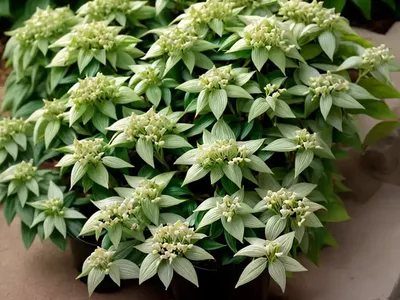
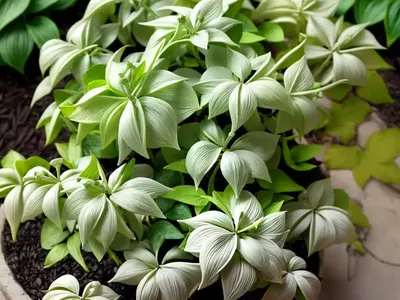
Buxus Sinica Var. Insularis ‘Wintergreen’ (Korean Boxwood)
Buxus sinica var. insularis ‘Wintergreen,’ commonly known as Korean Boxwood, is a versatile and attractive evergreen shrub that is widely sought after for.

Buxus sinica var. insularis ‘Wintergreen,’ commonly known as Korean Boxwood, is a versatile and attractive evergreen shrub that is widely sought after for its ornamental value and adaptability to various growing conditions. This comprehensive guide aims to provide valuable insights into the culture, uses, maintenance, and propagation of this popular shrub, along with essential tips from botanists, fun facts, and resources for further exploration.
What is Buxus sinica var. insularis ‘Wintergreen’ (Korean Boxwood)?
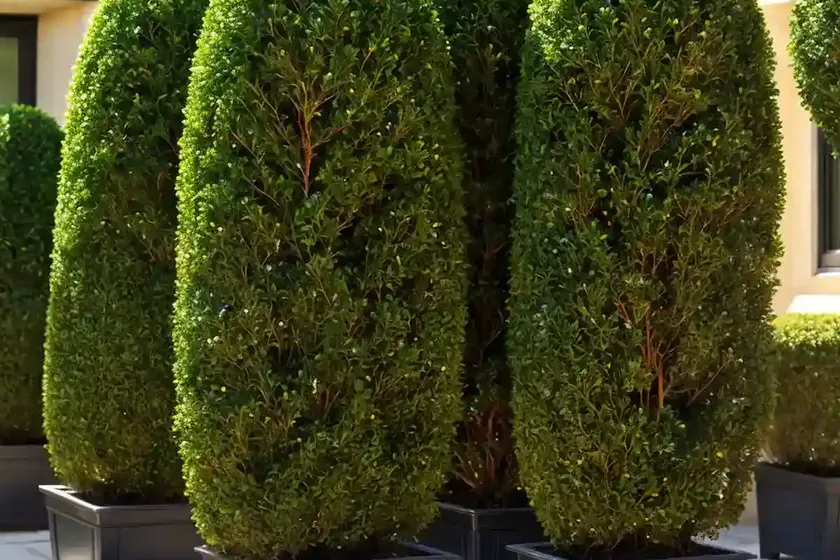
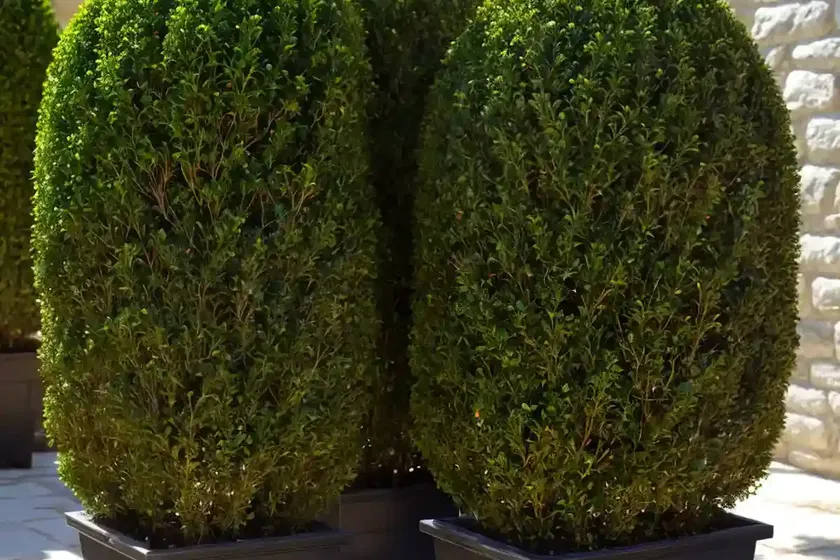
Buxus sinica var. insularis ‘Wintergreen,’ a member of the boxwood family (Buxaceae), is a compact, broadleaf evergreen shrub that is native to Korea, Japan, and Taiwan. It is characterized by its dense, rounded growth habit and glossy, dark green foliage, making it an ideal choice for hedges, borders, topiaries, and container planting. The shrub is known for its tolerance to pruning, allowing it to be shaped into various formal or informal landscape designs.
Key Takeaways – Buxus sinica var. insularis ‘Wintergreen’ (Korean Boxwood)
Before delving deeper into the specifics of Korean Boxwood, here are some key takeaways to consider:
- Common Name: Korean Boxwood, Wintergreen Boxwood
- Scientific Name: Buxus sinica var. insularis ‘Wintergreen’
- Family: Buxaceae
- Growth Habit: Compact, rounded
- Foliage: Glossy, dark green
- Uses: Hedges, borders, topiaries, container planting
- Notable Traits: Tolerant to pruning, adaptable
Now, let’s explore the various aspects of Korean Boxwood, including its cultural requirements, uses, and maintenance tips.
Culture
The successful cultivation of Buxus sinica var. insularis ‘Wintergreen’ relies on understanding its specific cultural requirements. From water and sunlight needs to soil preferences, each aspect plays a crucial role in the overall health and vigor of the plant.
Water
Proper watering practices are essential for the health and vitality of Korean Boxwood. Maintaining adequate soil moisture without waterlogging is key to ensuring optimal growth. Here are some general recommendations for watering this evergreen shrub:
-
Establishment Phase: Newly planted Korean Boxwood should be watered regularly to promote root establishment. Monitor soil moisture levels and adjust watering frequency based on environmental conditions.
-
Mature Plants: Once established, Korean Boxwood typically requires regular watering, especially during dry periods. However, it is important to avoid overwatering, as excessive moisture can lead to root rot and other issues.
-
Watering Techniques: When watering, aim to moisten the entire root zone evenly. Deep, infrequent watering is preferred over frequent, shallow watering to encourage deep root development.
Sunlight
Korean Boxwood thrives in partial to full sunlight. When selecting a planting site, consider the following sunlight requirements:
-
Partial Sun: The shrub can tolerate partial shade, making it suitable for planting under deciduous trees or in areas with dappled sunlight.
-
Full Sun: While Korean Boxwood can tolerate full sun, especially in cooler climates, it is important to monitor soil moisture levels to prevent dehydration.
Fertilizer
Fertilization is an important aspect of Korean Boxwood maintenance, as it provides essential nutrients for healthy growth and vigor. Here are some guidelines for fertilizing Buxus sinica var. insularis ‘Wintergreen’:
-
Timing: Fertilize Korean Boxwood in early spring before the onset of new growth to support overall plant health and stimulate green foliage production.
-
Fertilizer Type: Select a balanced, slow-release fertilizer specifically formulated for evergreen shrubs. Alternatively, organic fertilizers can also be used to provide a gradual nutrient supply.
-
Application: Follow the manufacturer’s recommendations for application rates and methods, and avoid over-fertilization, as this can lead to nutrient imbalances and potential damage to the shrub.
Soil
Understanding the soil preferences of Buxus sinica var. insularis ‘Wintergreen’ is crucial for creating an optimal growing environment. The following soil characteristics are ideal for Korean Boxwood:
-
Well-Draining: Korean Boxwood prefers well-draining soil to prevent waterlogged conditions, which can lead to root suffocation and disease development.
-
pH Range: The shrub thrives in slightly acidic to slightly alkaline soils with a pH range of 6.5 to 7.5. Conduct a soil test to determine the pH of the planting area and amend the soil as needed.
-
Soil Amendments: Incorporating organic matter such as compost or well-rotted manure into the soil can improve its structure, moisture retention, and nutrient availability for Korean Boxwood.
Pruning
Pruning plays a significant role in shaping and maintaining the aesthetic appeal of Buxus sinica var. insularis ‘Wintergreen.’ Proper pruning techniques can help control the size and form of the shrub, promote denser foliage growth, and rejuvenate older plants.
Pruning Time
The best time for pruning Korean Boxwood is during the late winter to early spring, before the onset of new growth. This timing allows the shrub to recover from pruning stress and initiate new growth in preparation for the growing season.
Pruning Techniques
When pruning Buxus sinica var. insularis ‘Wintergreen,’ follow these essential techniques for optimal results:
-
Sanitization: Use clean, sharp pruning tools to make precise cuts and minimize the risk of disease transmission. Disinfect pruning tools between cuts, especially when dealing with diseased or compromised plant material.
-
Shape Maintenance: Korean Boxwood can be pruned to maintain a formal, hedged appearance or a more informal, natural form, depending on the desired landscape design.
-
Thinning: Periodically thin out the interior of the shrub to improve air circulation and light penetration, reducing the risk of disease and promoting overall plant health.
-
Rejuvenation: For older or overgrown Korean Boxwood, rejuvenation pruning can be performed to remove old, woody growth and stimulate new foliage production.
Propagation
Propagation of Buxus sinica var. insularis ‘Wintergreen’ can be achieved through various methods, including stem cuttings and division. Each propagation method has its own requirements and best practices:
-
Stem Cuttings: Propagating Korean Boxwood from stem cuttings is a common and reliable method. Select healthy, non-flowering shoots and root them in a well-draining rooting medium under controlled environmental conditions.
-
Division: Division of mature Korean Boxwood plants can be carried out by carefully separating the root ball into smaller sections, each containing viable roots and shoots. Replant the divided sections and provide proper care to encourage establishment.
Container Popularity
Korean Boxwood is well-suited for container planting, offering versatility and aesthetic appeal in various settings. Its adaptability to container cultivation makes it a popular choice for:
-
Patio Gardens: Korean Boxwood can be grown in containers on patios, balconies, and terraces, adding a touch of greenery and structure to outdoor spaces.
-
Topiaries: The shrub’s dense growth habit and tolerance to pruning make it an ideal candidate for creating topiaries in containers, allowing for artistic and sculptural designs.
-
Seasonal Displays: Korean Boxwood in containers can be used to enhance seasonal displays, such as holiday arrangements and themed plant compositions.
Common Diseases
While Korean Boxwood is generally a resilient and low-maintenance plant, it is susceptible to certain diseases that can affect its health and vigor if not properly managed. Understanding the symptoms and preventive measures for common diseases is important for proactive plant care.
Disease Diagnosis
Diagnosing and addressing potential diseases in Korean Boxwood requires vigilance and prompt action. Some common boxwood diseases to be aware of include:
-
Boxwood Blight (Calonectria pseudonaviculata): This fungal disease can cause defoliation, dark lesions on foliage, and dieback of branches. Implementing proper sanitation and fungicidal treatments can help manage and prevent the spread of boxwood blight.
-
Boxwood Decline: This complex of factors, including environmental stress, root issues, and disease susceptibility, can lead to the decline of boxwood plants. Preventative measures such as proper irrigation and avoiding soil compaction can aid in preventing decline.
-
Boxwood Root Rot (Phytophthora spp.): Root rot can manifest as wilting, yellowing foliage, and dieback. Improving soil drainage and avoiding overwatering are crucial for preventing the development of root rot.
Disease Prevention
To prevent the onset and spread of diseases in Buxus sinica var. insularis ‘Wintergreen,’ consider the following preventative measures:
-
Sanitation: Keep the planting area clean by removing fallen leaves and plant debris, as they can harbor disease pathogens and contribute to the spread of infections.
-
Adequate Air Circulation: Proper spacing between plants and selective pruning to improve air circulation can help reduce humidity levels and minimize the risk of foliar diseases.
-
Proper Watering: Avoid overwatering, as excessively moist conditions can create an environment conducive to fungal diseases such as root rot and blight.
Common Pests
While Korean Boxwood is relatively resistant to pest infestations, certain insects can pose a threat to its health and appearance. Being vigilant for signs of pest activity and implementing appropriate control measures can help mitigate potential damage.
Insect Identification
Notable pests that may affect Buxus sinica var. insularis ‘Wintergreen’ include:
-
Boxwood Leafminer (Monarthropalpus flavus): The larvae of this insect feed within the leaves, causing visible blotches and browning. Pruning infested foliage and applying targeted insecticides at the appropriate times can help manage leafminer populations.
-
Boxwood Psyllid (Psylla buxi): Psyllids can cause distortion and discoloration of new growth, affecting the overall appearance of the plant. Cultural practices and insecticidal treatments can aid in controlling psyllid infestations.
Pest Control
Efficient and targeted pest control measures are essential for preserving the health and aesthetics of Korean Boxwood. Here are some integrated pest management strategies to consider:
-
Monitoring: Regularly inspect the foliage and stems of Korean Boxwood for signs of pest activity, including characteristic feeding damage and the presence of insects.
-
Cultural Practices: Maintaining overall plant health through proper watering, fertilization, and pruning can enhance the shrub’s natural resistance to pests and minimize susceptibility.
-
Biological Controls: In some cases, natural enemies of pests, such as beneficial insects and predatory mites, can contribute to pest suppression and population regulation.
Botanist’s Tips
To further enhance your understanding and care of Buxus sinica var. insularis ‘Wintergreen,’ consider the following expert tips from botanists and plant specialists:
-
Seasonal Monitoring: Regularly observe Korean Boxwood throughout the seasons to assess its health, growth patterns, and any signs of stress, disease, or pest activity.
-
Soil Testing: Conduct routine soil tests to evaluate nutrient levels, pH, and overall soil health, enabling targeted soil amendments and fertilization strategies.
-
Aesthetic Pruning: When shaping Korean Boxwood, consider the overall landscape design and long-term growth habits to create visually appealing and sustainable forms.
-
Native Planting: Incorporate Korean Boxwood into native plant landscapes to support local biodiversity and provide habitat and food sources for native wildlife.
Fun Facts
Discover interesting and intriguing facts about Buxus sinica var. insularis ‘Wintergreen,’ adding a layer of fascination to your appreciation of this remarkable shrub:
- The wood of boxwood species, including Buxus sinica, is known for its fine grain, durability, and historical use in wood carving and musical instrument production.
- Korean Boxwood has been cultivated for centuries in East Asia, where it has been utilized in traditional gardens and cultural landscapes.
- The dense, evergreen foliage of Korean Boxwood provides year-round visual interest and can serve as a backdrop for seasonal plantings and floral displays.
Links to External Resources
Expand your knowledge and explore additional resources on Korean Boxwood by visiting the following links:
-
American Boxwood Society: The American Boxwood Society offers valuable information on boxwood cultivation and conservation, including publications and educational resources.
-
Plant Pathology Fact Sheet: Boxwood Blight: Access detailed information on boxwood blight, including symptoms, management strategies, and disease prevention recommendations.
-
University Extension Services: Explore extension resources provided by university horticulture and agriculture departments for region-specific guidance on Korean Boxwood care and maintenance.
-
Royal Horticultural Society: Growing Box: Discover expert advice from the Royal Horticultural Society on growing boxwoods, including Buxus sinica varieties.
-
Plant Propagation Methods: Learn about various plant propagation techniques, including stem cuttings, division, and layering, to expand your knowledge of propagating Korean Boxwood.
In conclusion, Buxus sinica var. insularis ‘Wintergreen,’ commonly known as Korean Boxwood, is a versatile and resilient shrub that holds a special place in horticulture and landscaping. By understanding its cultural requirements, maintenance guidelines, and the nuances of disease and pest management, you can cultivate and enjoy the beauty of this remarkable evergreen shrub in your landscape.
Remember that the information provided in this guide serves as a general reference and may need to be adapted to specific growing conditions and regional considerations. Continuous learning and attentive observation of your Korean Boxwood will ultimately contribute to its long-term health and vitality.
So, whether you’re considering adding Korean Boxwood to your garden or seeking to enhance your existing plantings, may your journey with Buxus sinica var. insularis ‘Wintergreen’ be rewarding and enriching.
In the words of Ralph Waldo Emerson, “The creation of a thousand forests is in one acorn.” With careful cultivation and appreciation, every Korean Boxwood has the potential to grace the landscape with enduring beauty and timeless elegance.
As always, may your gardens flourish and your love for plants continue to grow.
Disclaimer: The information provided in this comprehensive guide is for general educational purposes and does not serve as professional horticultural or medical advice. For specific plant care guidance, consult with local horticulturists, extension services, or certified professionals in your area.