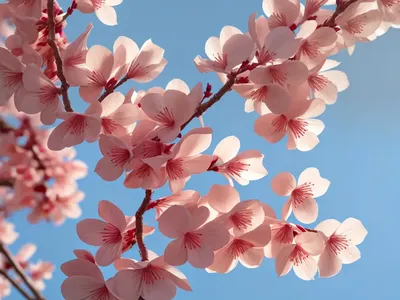
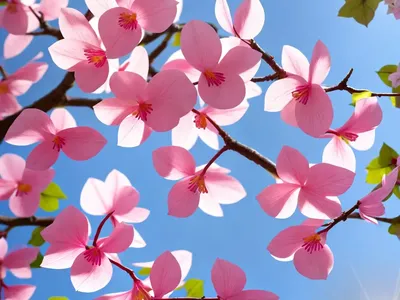
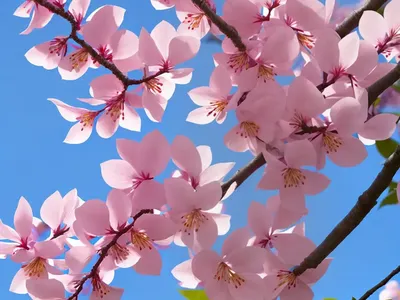
Cercis Canadensis ‘Merlot’ (Eastern Redbud)
Cercis Canadensis ‘Merlot’, commonly known as Eastern Redbud, is a stunning deciduous tree native to eastern North America. It is beloved for its vibrant.
What is Cercis Canadensis ‘Merlot’ (Eastern Redbud)?
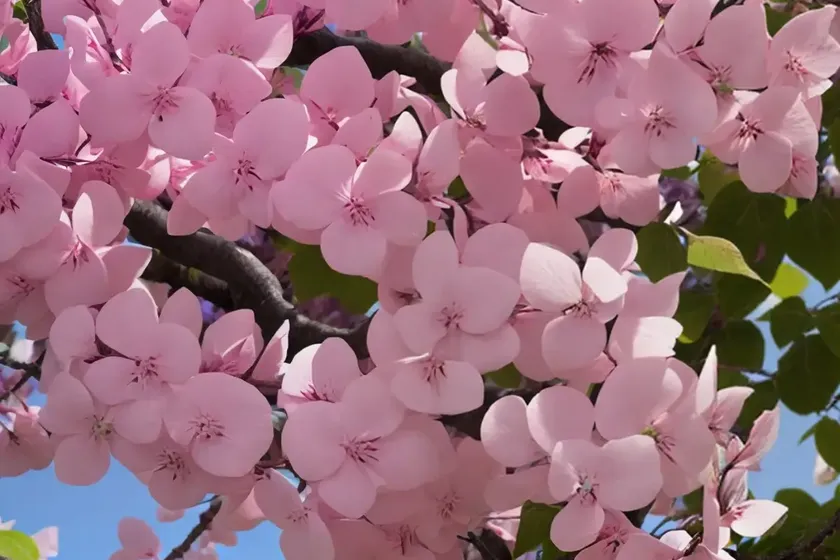
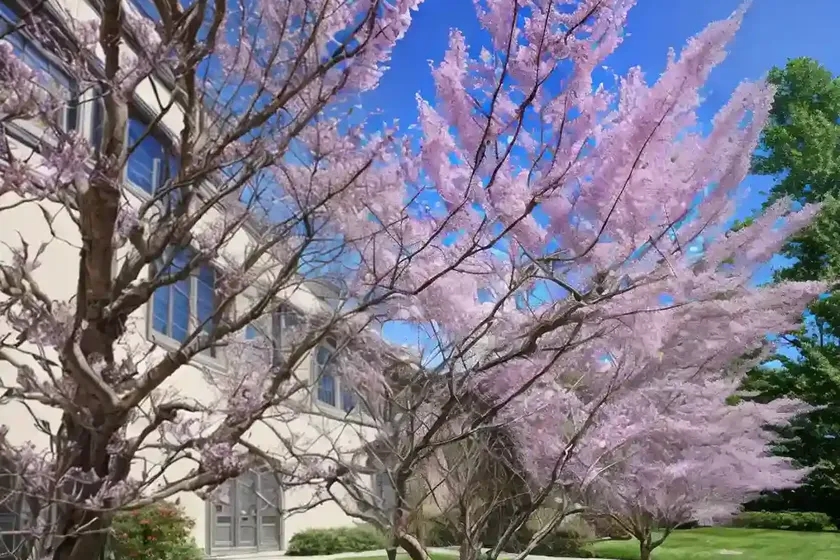
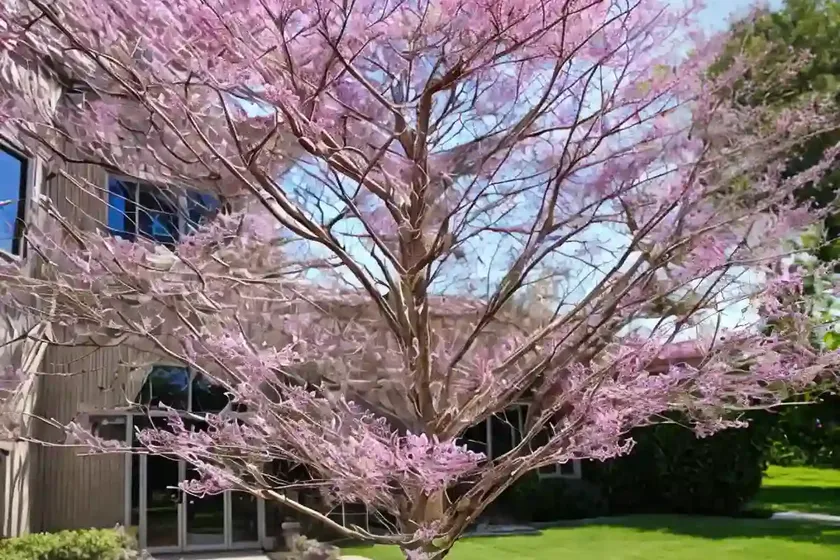
Cercis Canadensis ‘Merlot’, commonly known as Eastern Redbud, is a stunning deciduous tree native to eastern North America. It is beloved for its vibrant, distinctive foliage and delicate, pinkish-purple flowers that bloom in early spring before the leaves appear. This tree belongs to the Fabaceae family and can reach a height and spread of 20 to 30 feet, making it an excellent choice for home gardens, landscapes, and urban green spaces. The Eastern Redbud ‘Merlot’ is a popular cultivar admired for its compact size and colorful foliage, adding visual interest to any outdoor space.
Key Takeaways – Cercis Canadensis ‘Merlot’ (Eastern Redbud)
Culture
- Cercis Canadensis ‘Merlot’ is a versatile and adaptable tree that thrives in various climate zones, including USDA hardiness zones 5 to 9.
- Its vivid, heart-shaped foliage and abundant flowering make it a captivating addition to any garden or landscape.
- The Eastern Redbud ‘Merlot’ is well-suited for urban environments but also flourishes in rural settings as part of naturalized landscapes.
Uses
- The Eastern Redbud ‘Merlot’ is an exquisite ornamental tree, perfect for showcasing in home gardens, parks, and streetscapes.
- Its striking foliage and blossoms make it an excellent choice for beautifying outdoor spaces and providing visual appeal throughout the seasons.
Water
- Optimal watering practices are vital for the health and vitality of Cercis Canadensis ‘Merlot.’
- Consistent moisture is essential, especially during the tree’s establishment phase and periods of drought stress.
- Adequate irrigation supports healthy foliage and flower production, contributing to the tree’s overall well-being.
Sunlight
- Cercis Canadensis ‘Merlot’ thrives in locations with full to partial sunlight exposure.
- As a spring-blooming tree, it requires adequate sunlight to support robust flowering and promote lush foliage.
Fertilizer
- Cercis Canadensis ‘Merlot’ benefits from a balanced, slow-release fertilizer application in the early spring.
- Fertilizing aids in supporting the tree’s growth and flowering capabilities, enhancing its visual impact in the landscape.
Soil
- Well-drained, loamy soils are ideal for Cercis Canadensis ‘Merlot.’
- The tree is adaptable to various soil types but performs best in fertile, moisture-retentive soils that remain sufficiently aerated.
Pruning
- Pruning the Eastern Redbud ‘Merlot’ is recommended to maintain its desired form, remove dead or damaged branches, and encourage healthy growth.
- Pruning should be performed in late winter to early spring to stimulate optimal flowering and prevent excessive sap flow.
Propagation
- Cercis Canadensis ‘Merlot’ can be propagated through methods such as seed sowing, softwood cuttings, or grafting.
- Understanding the tree’s propagation requirements is essential to ensure successful reproduction and the preservation of desired cultivar traits.
Container Popularity
- The compact size and ornamental beauty of Cercis Canadensis ‘Merlot’ make it an appealing choice for container gardening.
- It serves as a captivating focal point on patios, decks, and urban spaces, showcasing its vibrant foliage and seasonal blooms.
Common Diseases
- While relatively resistant to diseases, Cercis Canadensis ‘Merlot’ may encounter issues such as fungal leaf spots or cankers under unfavorable environmental conditions.
- Proper cultural practices and preventive measures are crucial in safeguarding the tree’s health.
Disease Diagnosis
- Identifying and diagnosing potential diseases is essential in implementing timely and effective management strategies that protect the Eastern Redbud ‘Merlot’ from harm.
Common Pests
- The tree may be susceptible to pests such as caterpillars, scale insects, or borers, which can compromise its vigor and aesthetic appeal if left unaddressed.
- Monitoring for pest activity and implementing suitable control measures are essential in preserving the tree’s health.
Botanist’s Tips
- When selecting a planting site for Cercis Canadensis ‘Merlot,’ consider its mature size and ensure adequate space for root development and canopy expansion.
- Regularly inspect the tree for signs of stress, disease, or pest infestations, and take prompt action to address any issues that may arise.
- Adhering to proper watering, fertilizing, and pruning practices is crucial in maintaining the tree’s health and promoting its longevity.
Fun Facts
- In addition to its visual appeal, the Eastern Redbud ‘Merlot’ holds cultural and ecological significance as a native tree that supports local biodiversity and adds to the beauty of natural landscapes.
- The vibrant flowers of Cercis Canadensis ‘Merlot’ are not only aesthetically pleasing but also serve as a nectar source for pollinators, contributing to the ecological balance of its surroundings.
Links to External Resources
- Cercis Canadensis ‘Merlot’ Plant Profile – The United States National Arboretum
- Growing Redbuds in the Home Landscape – University of Arkansas Division of Agriculture
- Eastern Redbud – Missouri Botanical Garden
Now that we have a solid foundation of knowledge about Cercis Canadensis ‘Merlot’, let’s dive deeper into its care, planting, growth habits, and much more.
Eastern Redbud ‘Merlot’ Planting Guide
When cultivating Cercis Canadensis ‘Merlot’ in your garden or landscape, it’s essential to understand its specific planting requirements to ensure its successful establishment and long-term health.
Planting Season
The ideal time for planting Eastern Redbud ‘Merlot’ is in the early spring or late fall. These seasons allow the tree to acclimate to its new surroundings and establish its root system before periods of extreme heat or cold.
Soil Preparation
Before planting, prepare the soil by ensuring it is well-drained and free from compaction. Incorporating organic matter into the soil can improve its structure and fertility, providing an optimal environment for the tree’s roots to thrive.
Planting Depth
When setting the tree into the ground, position it at the same depth as it was previously grown in its nursery container. Avoid planting it too deeply, as this can lead to issues with root suffocation and reduced water uptake.
Watering Requirements
Post-planting, provide the tree with ample water to support its initial establishment. Consistent watering is crucial during the first growing season to encourage healthy root development and overall vigor.
Sunlight Needs
Select a planting site that receives full to partial sunlight, as this will promote healthy growth, robust flowering, and vibrant foliage on the Eastern Redbud ‘Merlot.’
Soil Drainage
Ensure the planting site offers well-drained soil to prevent waterlogging, which can adversely affect the tree’s root system and lead to various physiological issues.
Mulching
Applying a layer of organic mulch around the base of the tree helps conserve soil moisture, regulate soil temperature, and suppress weed growth, contributing to the overall health of the tree.
Support and Staking
Depending on the tree’s size and the planting conditions, providing temporary support and staking may be necessary to prevent wind damage and promote upright growth during the initial establishment phase.
Watering Requirements for Cercis Canadensis ‘Merlot’
Initial Establishment
- Proper watering is critical in the initial establishment of Cercis Canadensis ‘Merlot.’
- Ensure the tree receives adequate moisture as it acclimates to its new environment and develops its root system.
Ongoing Care
- After the tree has become established, continue to provide regular watering, particularly during dry spells, to sustain its health and vitality.
Seasonal Considerations
- Adjust watering frequency based on seasonal weather patterns, ensuring the tree’s moisture needs are met throughout the year.
Sunlight Needs for Eastern Redbud ‘Merlot’
Full Sun Exposure
- For optimal flowering, vibrant foliage, and overall growth, position the tree in a location that receives full sunlight for the majority of the day.
Partial Shade Tolerance
- While preferring full sun, the Eastern Redbud ‘Merlot’ can also tolerate partial shade, especially in regions with intense summer heat, where some shelter from the midday sun can be beneficial.
Best Soil for Cercis Canadensis ‘Merlot’
- Loamy, well-drained soils with good fertility are ideal for Cercis Canadensis ‘Merlot.’
- Consider incorporating organic matter into the soil to improve its structure and provide essential nutrients for the tree’s growth.
Cercis Canadensis ‘Merlot’ Cultivar Information
- The ‘Merlot’ cultivar is prized for its compact size, vibrant foliage, and profuse flowering, making it a standout selection for home gardens and landscapes.
Eastern Redbud ‘Merlot’ Growth Rate
- Cercis Canadensis ‘Merlot’ exhibits a moderate growth rate, gradually reaching its mature size over the course of several years.
Eastern Redbud ‘Merlot’ Flowering Time
- The Eastern Redbud ‘Merlot’ typically blooms in early spring, producing a breathtaking display of tiny, pinkish-purple flowers before its leaves emerge.
Cercis Canadensis ‘Merlot’ Mature Size
- At maturity, Cercis Canadensis ‘Merlot’ can attain a height and spread of 20 to 30 feet, forming a well-proportioned, visually appealing specimen in the landscape.
Eastern Redbud ‘Merlot’ Pruning Techniques
- Pruning the Eastern Redbud ‘Merlot’ is recommended to maintain its shape, remove dead or diseased branches, and promote robust flowering.
- Adopt proper pruning practices to avoid excessive sap flow and maximize the tree’s aesthetic appeal.
Cercis Canadensis ‘Merlot’ Winter Care
- In regions with cold winters, provide necessary protection for the tree during the dormant season to safeguard it from harsh weather conditions.
With a comprehensive understanding of the Eastern Redbud ‘Merlot’s planting and care requirements, let’s delve into its propagation, pruning guidelines, and common diseases and pests.
How to Propagate Cercis Canadensis ‘Merlot’
Cercis Canadensis ‘Merlot’ can be propagated through several methods, each offering opportunities to reproduce and share the tree’s desirable traits.
Propagation Techniques
- Seed Sowing: Collect mature seeds from the tree and sow them in well-draining soil to propagate new Eastern Redbud ‘Merlot’ plants.
- Softwood Cuttings: Utilize softwood cuttings taken from healthy, actively growing branches to propagate genetically identical clones of the tree.
- Grafting: Use grafting techniques to combine the ‘Merlot’ cultivar with compatible rootstocks, creating new trees with consistent qualities.
Propagation Considerations
- Pay attention to proper timing, environmental conditions, and appropriate techniques when propagating Cercis Canadensis ‘Merlot’ to improve the success rate of reproduction.
Eastern Redbud ‘Merlot’ Pruning Tips
Pruning is an essential aspect of caring for Cercis Canadensis ‘Merlot,’ enhancing its aesthetics, health, and structural integrity.
Pruning Objectives
- Shape the tree: Prune to maintain a balanced and visually appealing form that complements its surroundings.
- Remove dead/diseased branches: Regularly inspect the tree and promptly remove any compromised branches to prevent the spread of diseases and support overall vigor.
- Encourage flowering: Prune to optimize flowering potential and promote abundant blooms in the following spring.
Pruning Guidelines
- Timing: Prune the Eastern Redbud ‘Merlot’ in late winter to early spring, before the onset of new growth and flowering.
- Techniques: Employ proper pruning techniques to make clean, precise cuts that minimize stress and contribute to the tree’s well-being.
- Tools: Use sharp, sanitized pruning equipment to ensure the safety and health of the tree during pruning activities.
Cercis Canadensis ‘Merlot’ Diseases and Pests
As with any plant, Cercis Canadensis ‘Merlot’ may encounter certain diseases and pests, necessitating proactive management and care.
Common Diseases
- Fungal Leaf Spots: Watch for the development of fungal leaf spot diseases, which can affect the tree’s foliage under conditions of prolonged moisture and high humidity.
- Cankers: Monitor for the presence of cankers on branches or the trunk, as these can cause damage and compromise the tree’s health if left unresolved.
Disease Management
- Implement proper cultural practices, including adequate spacing, air circulation, and moisture management, to reduce the risk of fungal diseases and canker development in the Eastern Redbud ‘Merlot.’
Eastern Redbud ‘Merlot’ Pruning Schedule
- Perform routine inspections and pruning during the dormant season to address any diseased or damaged branches and maintain the tree’s overall health and structure.
Common Pests
- Caterpillars: Keep an eye out for caterpillars that may feed on the tree’s foliage, causing visible damage and potential defoliation.
- Scale Insects: Check for scale infestations, particularly on branches and twigs, and take appropriate measures to manage their presence.
- Borers: Monitor for signs of borers and implement control strategies to prevent them from affecting the tree’s vitality.
Pest Management
- Regularly inspect the tree for pest activity and adopt integrated pest management practices to address potential issues in a targeted and environmentally responsible manner.
Eastern Redbud ‘Merlot’ Companion Plants
Pairing Cercis Canadensis ‘Merlot’ with compatible companion plants can create visually appealing and ecologically beneficial combinations in the landscape.
Companion Planting Considerations
- Choose companion plants that complement the aesthetic qualities of the Eastern Redbud ‘Merlot’ and share similar cultural requirements for sunlight, moisture, and soil conditions.
Selecting Companions
- Consider incorporating spring-blooming bulbs, perennial ground covers, or foliage plants with contrasting textures and colors to create harmonious plant combinations in proximity to the Eastern Redbud ‘Merlot.’
Cercis Canadensis ‘Merlot’ Landscape Ideas
Incorporating Cercis Canadensis ‘Merlot’ into landscape designs offers opportunities to showcase its ornamental beauty and enhance the visual appeal of outdoor spaces.
Specimen Planting
- Utilize the Eastern Redbud ‘Merlot’ as a focal point in the landscape, highlighting its vibrant foliage and stunning spring blooms in prominent locations such as garden beds or open lawns.
Group Plantings
- Create visually impactful groupings of Cercis Canadensis ‘Merlot’ trees, either in clusters or in combination with other complementary plants, to establish eye-catching displays and naturalistic arrangements.
Seasonal Interest
- Consider the tree’s seasonal attributes, such as its spring flowering, summer foliage, and potential fall color, when integrating it into landscape designs to ensure year-round visual appeal.
Wildlife Habitat
- Recognize the ecological value of Cercis Canadensis ‘Merlot’ as a tree that provides food and habitat for local wildlife, incorporating it into landscape designs that support biodiversity and ecological balance.
Eastern Redbud ‘Merlot’ Winter Hardiness
The tree’s ability to withstand and thrive in winter conditions is an important consideration in regions that experience cold temperatures and inclement weather.
Winter Protection
- When planting Cercis Canadensis ‘Merlot’ in colder climates, ensure proper winter protection through mulching, windbreaks, and other measures that shield the tree from harsh environmental conditions.
Seasonal Adaptations
- Recognizing the tree’s natural adaptations to winter, including its dormancy and cold tolerance, assists in promoting its resilience and long-term survival in challenging climates.
Cercis Canadensis ‘Merlot’ Wildlife Attraction
The Eastern Redbud ‘Merlot’ serves as a valuable resource for wildlife, offering food, shelter, and habitat benefits that contribute to local ecological communities.
Pollinator-Friendly Qualities
- The tree’s early spring blooms attract pollinators such as bees and butterflies, supporting essential ecosystem services and promoting biodiversity in its surroundings.
Wildlife Habitats
- Create awareness of the tree’s role in providing nesting sites, shelter, and food sources for various wildlife species, fostering a deeper appreciation for its ecological significance.
Hedge Planting
When planted in close proximity, Cercis Canadensis ‘Merlot’ can contribute to the formation of hedges or natural screens, leveraging its ornamental and ecological attributes for landscape enhancement.
Root System
Understanding the tree’s root system and growth habit is essential in planning and managing its placement in urban environments, gardens, and other outdoor settings.
Root Development
Monitor and manage the tree’s root development to prevent issues with root encroachment, soil disturbance, or infrastructure damage in urban and residential landscapes.
How to Care for Redbud ‘Merlot’
Comprehensive care practices are crucial in promoting the health and longevity of Cercis Canadensis ‘Merlot’ throughout its growth and development.
Regular Maintenance
- Engage in routine care activities, including watering, fertilizing, pruning, and pest management, to sustain the tree’s well-being and aesthetic appeal.
Vigilant Monitoring
- Regularly monitor the tree for signs of stress, disease, or pest activity, and respond promptly to mitigate potential issues and support its overall vigor.
Year-Round Interest
- Recognize the tree’s year-round interest, encompassing its seasonal attributes, visual appeal, and ecological contributions, in creating engaging and sustainable landscapes.
Pollination Requirements
- Appreciate the tree’s importance as a pollinator-friendly plant, acknowledging its capacity to attract and support essential pollinators that contribute to the reproduction and diversity of plant species.
Eastern Redbud ‘Merlot’ Container Gardening Tips
Cercis Canadensis ‘Merlot’ is well-suited for container gardening, offering opportunities to showcase its vibrant foliage and spring blooms in diverse outdoor spaces.
Container Selection
- Choose appropriately sized containers with adequate drainage for planting Eastern Redbud ‘Merlot,’ ensuring they accommodate the tree’s root system and offer sufficient space for growth.
Soil Medium
- Utilize well-draining, nutrient-rich soil mixes for container cultivation, promoting healthy root development and overall vigor in the confined growing environment.
Seasonal Care
- Attend to the tree’s watering, fertilizing, and pruning needs in accordance with its growth patterns and seasonal requirements when utilizing containers for its cultivation.
Seasonal Bloom
- Celebrate the tree’s seasonal bloom in containers, utilizing its vibrant flowers and foliage to create focal points and captivating displays in urban and small-space gardens.
Cercis Canadensis ‘Merlot’ Leaf Characteristics
Understanding the unique attributes of the tree’s foliage allows for appreciation of its visual qualities and contributions to landscape aesthetics.
Leaf Shape
- Recognize the heart-shaped leaves of the Eastern Redbud ‘Merlot,’ appreciating their distinctive form and vibrant coloration as a key feature of the tree’s ornamental appeal.
Leaf Color Variation
- Embrace the potential for seasonal variation in leaf color, including the emergence of new foliage, changes in pigmentation, and the display of fall color in certain environmental conditions.
Ornamental Features
- Highlight the tree’s foliage as an ornamental asset,