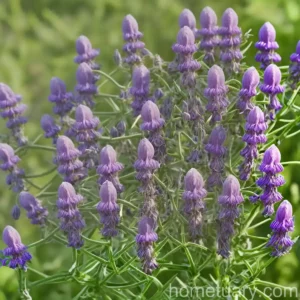
Burless Clover (Medicago Orbicularis): A Comprehensive Guide
Introduction to Burless Clover
When it comes to ornamental plants that also serve practical purposes, Burless Clover (Medicago Orbicularis) is a standout option. This clover species is native to the Mediterranean region and has gained popularity for its extensive uses and adaptability. In this comprehensive guide, we will explore the various aspects of Burless Clover, including its characteristics, cultivation, uses, and ecological significance.
What is Burless Clover (Medicago Orbicularis)?
Burless Clover, scientifically known as Medicago Orbicularis, is a species of clover that belongs to the legume family, Fabaceae. It is characterized by its rounded leaves and compact growth habit, making it a visually appealing addition to various landscapes. While it is primarily renowned for its ornamental value, Burless Clover also offers ecological benefits, such as nitrogen fixation and erosion control.
Key Takeaways – Burless Clover (Medicago Orbicularis)
Before delving into the specifics, let’s highlight the key takeaways related to Burless Clover:
- Scientific Name: Medicago Orbicularis
- Family: Fabaceae
- Common Names: Burless Clover, Clover Plant
- Native Habitat: Mediterranean region
- Uses: Ornamental landscaping, nitrogen fixation, erosion control
- Adaptability: Well-suited for diverse soil and climate conditions
- Conservation Status: Not Evaluated (NE) by the IUCN Red List
- Cultural Significance: Folklore, herbal remedies, landscape uses
Now that we have an overview, let’s delve into the specifics of cultivating, caring for, and utilizing Burless Clover.
Culture
Uses
Burless Clover (Medicago Orbicularis) serves various practical and ecological purposes due to its distinct characteristics. Some of its primary uses include:
-
Nitrogen Fixation: As a leguminous plant, Burless Clover has the ability to fix nitrogen, enriching the soil and promoting the growth of neighboring plants.
-
Erosion Control: The dense growth habit of Burless Clover makes it an effective ground cover, reducing soil erosion on slopes and bare areas.
-
Ornamental Landscaping: Its attractive, round-shaped leaves and low maintenance requirements make it a popular choice for decorative landscaping in gardens and public spaces.
-
Wildlife Habitat: The flowering and seed production of Burless Clover facilitate the provision of nectar and forage for pollinators and wildlife.
Water
Burless Clover is relatively drought-tolerant once established, but regular watering is essential, especially during dry spells. Adequate moisture is crucial during the establishment phase, and a well-draining soil is recommended to prevent waterlogging.
Sunlight
This species thrives in full sun to partial shade, making it adaptable to a wide range of light conditions. However, for optimal flowering and leaf development, it is best to provide it with at least six hours of direct sunlight per day. In hotter regions, partial shade during the peak afternoon hours can help prevent heat stress.
Fertilizer
Being a leguminous plant, Burless Clover has the ability to self-fertilize through nitrogen fixation. However, for enhanced growth and performance, an application of a balanced, slow-release fertilizer in early spring can provide an additional boost. Look for a fertilizer with a higher phosphorus content to promote root development and flowering.
Soil
The adaptability of Burless Clover extends to its soil preferences, as it can thrive in various soil types, ranging from sandy to loamy to clayey soils. However, a well-draining soil with a slightly acidic to neutral pH range is best for optimal growth. It is essential to avoid waterlogged or highly compacted soils, as these can hamper its development.
Pruning
Pruning requirements for Burless Clover are minimal, mainly focusing on deadheading spent flowers and removing any damaged or diseased foliage. This can help maintain its compact shape and promote continued flowering throughout the growing season.
Propagation
Burless Clover can be propagated through seed or division. For seed propagation, direct sowing in the early spring or late fall, depending on the climate, can help establish new plants. Division can be performed in the early spring, carefully separating the root system and replanting the divisions in suitable locations.
Container Popularity
Due to its compact growth habit and ornamental appeal, Burless Clover is well-suited for container gardening. It can be used as a stand-alone specimen in pots or combined with other compatible plants for visually striking mixed containers.
Common Diseases and Pests
Common Diseases
While Burless Clover is generally resilient, it can still be susceptible to certain diseases, particularly under unfavorable growing conditions. Some common diseases that may affect this plant include:
-
Powdery Mildew: This fungal disease can lead to the development of powdery white patches on the leaves, affecting overall plant health.
-
Anthracnose: Anthracnose can cause dark, sunken lesions on the leaves and stems, potentially leading to defoliation and stunted growth.
-
Root Rot: Excessive moisture or poorly draining soil can contribute to root rot, resulting in yellowing foliage and wilting.
Disease Diagnosis
Early detection and prompt action are key to managing and preventing the spread of diseases in Burless Clover. Regular inspection of the foliage for any signs of discoloration, spots, or unusual growth can aid in early diagnosis. Additionally, maintaining good air circulation and proper watering practices can help mitigate disease development.
Common Pests
Burless Clover can also face challenges from various pests, requiring vigilance and preventive measures to protect its vitality. Common pests that may target this plant include:
-
Aphids: These small, sap-sucking insects can gather on the undersides of leaves, leading to distorted growth and the transmission of viral diseases.
-
Leafhoppers: Leafhoppers can cause stippling on the leaves and, in larger populations, can impact the overall health and vigor of the plant.
-
Whiteflies: These tiny, white insects can cluster on the undersides of the leaves, causing yellowing and weakening of the foliage.
Botanist’s Tips
Burless Clover (Medicago Orbicularis) Care Tips
For successful cultivation and maintenance of Burless Clover, consider the following expert tips:
-
Planting Depth: When sowing seeds or transplanting, ensure that the planting depth is shallow, allowing the seeds or roots to establish and access adequate oxygen.
-
Mulching: Applying a layer of organic mulch around the base of the plant can help conserve moisture, suppress weeds, and maintain a more consistent soil temperature.
-
Companion Planting: Pairing Burless Clover with companion plants, such as low-growing herbs or compact flowering perennials, can create visually appealing combinations and promote ecological diversity.
-
Winter Protection: In colder climates, providing a layer of mulch or covering the plants with a frost cloth can help protect them from freezing temperatures and frost damage.
-
Regular Monitoring: Keep a watchful eye on the health and growth of Burless Clover, promptly addressing any signs of distress to maintain its vigor and ornamental appeal.
Fun Facts
-
The name “Burless Clover” stems from its ability to produce minimal burs or burr-like structures, making it less problematic for pets and clothing compared to some other clover species.
-
In folklore, Burless Clover has been associated with symbolism representing luck and prosperity, making it a popular addition to gardens and landscapes for its purported positive influence.
-
The origins of Burless Clover trace back to the Mediterranean region, where it has been historically valued for its ecological contributions and ornamental qualities.
Links to External Resources
For further exploration of Burless Clover (Medicago Orbicularis) and related topics, consider the following external resources:
- The Clover Plant: Medicago Orbicularis
- Burless Clover: Ornamental and Ecological Uses
- Growing Medicago Orbicularis: Cultivation Insights
Conclusion
In conclusion, Burless Clover (Medicago Orbicularis) stands as a versatile and adaptable plant species with a wide array of uses and benefits. Whether incorporated into ornamental landscapes or utilized for its ecological contributions, this clover species holds significant value in various contexts. By understanding its culture, common issues, and expert tips, enthusiasts and cultivators can harness the potential of Burless Clover to enhance their surroundings and promote ecological sustainability. For those intrigued by its ornamental charm or ecological significance, Burless Clover remains an intriguing subject for further exploration and utilization.
Incorporating Burless Clover into gardens, urban landscapes, and restoration projects can contribute to the promotion of biodiversity, soil fertility, and visual appeal. With its diverse uses, adaptability, and cultural significance, Burless Clover continues to captivate and inspire both horticultural enthusiasts and conservation-minded individuals, establishing its position as a valuable and multifaceted plant species.