Buddist Pine (Podocarpus Macrophyllus)
Plants have always been an integral part of human life, providing us with oxygen, food, and medicine while also enriching our surroundings with their.
Plants have always been an integral part of human life, providing us with oxygen, food, and medicine while also enriching our surroundings with their natural beauty. In this blog post, we will delve into the fascinating world of the Buddhist Pine, scientifically known as Podocarpus macrophyllus. This evergreen conifer has captured the hearts of plant enthusiasts and environmentalists alike, and we will explore its culture, uses, care tips, and much more.
What is Podocarpus macrophyllus?
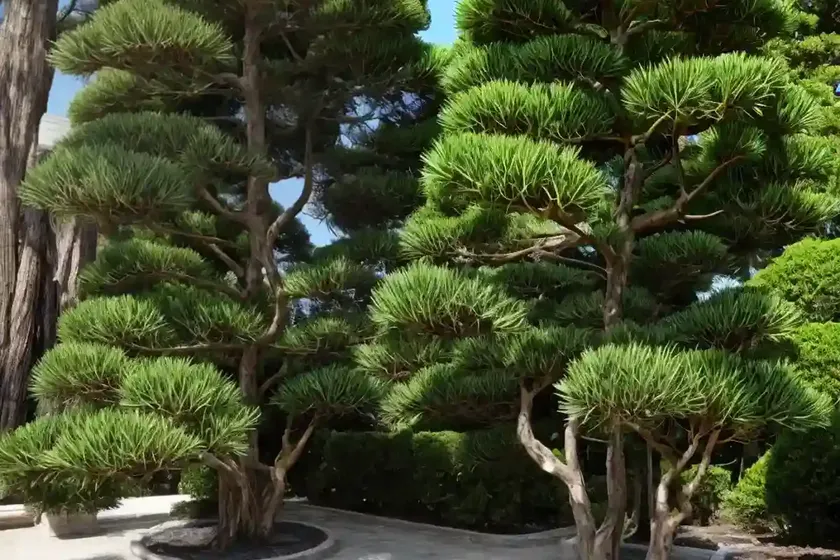
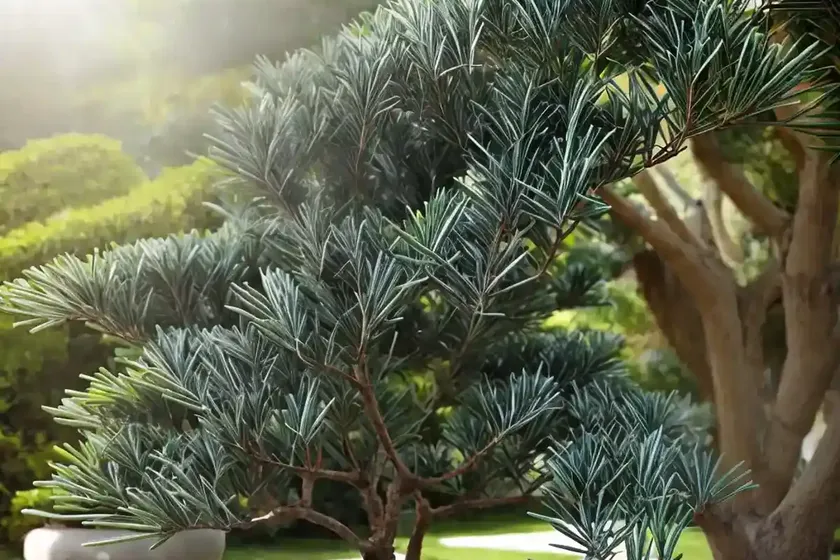
Podocarpus macrophyllus, commonly known as the Buddhist Pine, is a species of conifer in the Podocarpaceae family. It is native to countries in East Asia, including Japan, China, and Korea, where it is revered for its ornamental and cultural significance. The plant is characterized by its lush, leathery, dark green leaves and its elegant, upright growth habit. The Buddhist Pine can grow to impressive heights, making it a striking addition to landscapes and indoor spaces.
Key Takeaways – Buddhist Pine (Podocarpus macrophyllus)
Let’s dive into the key aspects of caring for the Buddhist Pine, including its culture, uses, water requirements, sunlight preferences, fertilizer needs, soil composition, pruning techniques, propagation methods, and more.
Culture
The Buddhist Pine holds profound cultural significance in East Asian countries, particularly in Japan and China, where it is revered for its association with Buddhist temples and gardens. It is commonly cultivated as an ornamental plant in these regions, symbolizing longevity, resilience, and beauty.
Uses
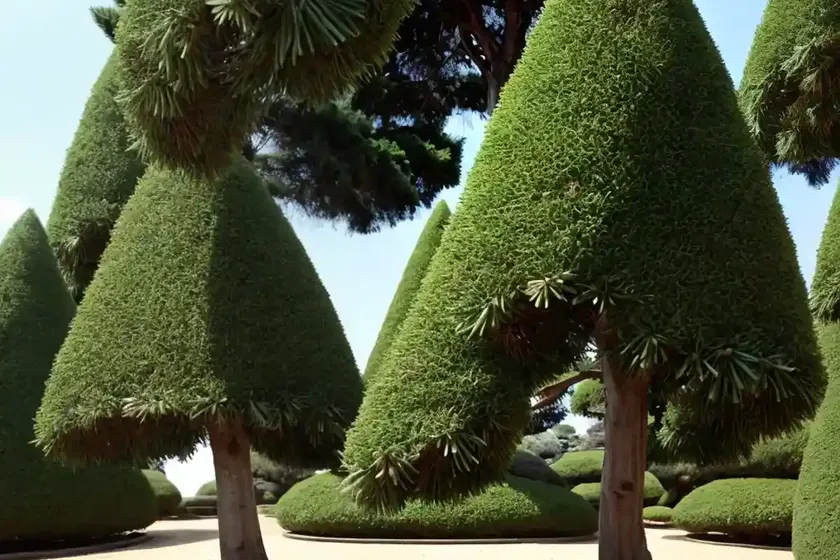
- Ornamental Purposes: The Buddhist Pine is highly prized as an ornamental tree for gardens, parks, and landscapes due to its elegant appearance and adaptability to various climatic conditions.
- Bonsai Cultivation: The plant’s graceful foliage and branching structure make it a popular choice for bonsai enthusiasts, as it responds well to bonsai techniques and can be sculpted into exquisite miniature trees.
- Indoor Décor: With proper care, the Buddhist Pine can thrive as an indoor plant, adding a touch of natural elegance to homes, offices, and indoor spaces.
Water
Proper watering is crucial for the health and vitality of the Buddhist Pine. Understanding its watering requirements is essential for providing an optimal growing environment.
- Watering Frequency: The Buddhist Pine generally prefers moist, well-drained soil. It is important to water the plant thoroughly, allowing excess water to drain away to prevent waterlogging.
- Soil Moisture Checks: Regularly monitor the moisture levels of the soil to avoid overwatering or underwatering, which can result in stress and potential damage to the plant.
Sunlight
Sunlight plays a pivotal role in the growth and development of the Buddhist Pine. By understanding its light preferences, one can create an ideal environment for the plant to thrive.
- Light Requirements: The Buddhist Pine thrives in bright, indirect light. While it can tolerate some shade, providing it with ample sunlight will promote healthy growth and vibrant foliage.
- Indoor Placement: When grown indoors, ensure that the plant receives sufficient natural light, such as placing it near a bright window or providing supplemental grow lights.
Fertilizer
Applying the right type and amount of fertilizer is essential for supporting the optimal growth and vigor of the Buddhist Pine.
- Fertilizer Types: Utilize a balanced, slow-release fertilizer formulated for woody plants to provide essential nutrients without causing rapid growth spurts.
- Fertilization Schedule: During the growing season, feed the Buddhist Pine with a diluted fertilizer solution every 4-6 weeks, ensuring that it does not receive excessive amounts of nutrients.
Soil
The choice of soil and its composition profoundly impacts the overall health and vitality of the Buddhist Pine.
- Soil Type: Plant the Buddhist Pine in well-draining, slightly acidic soil with a pH range of 5.5 to 6.5. A mixture of peat, pine bark, and perlite provides ideal growing conditions.
- Container Planting: When growing the Buddhist Pine in containers, ensure that the pots have adequate drainage holes to prevent waterlogging and soil compaction.
Pruning
Regular pruning helps maintain the desired shape, size, and overall appearance of the Buddhist Pine. Employing proper pruning techniques is essential for the plant’s health and aesthetics.
- Pruning Time: Prune the Buddhist Pine during the late winter or early spring to remove dead or diseased branches and to shape the plant as desired.
- Techniques: Use sharp, clean pruning shears to make precise cuts, ensuring that the natural form of the plant is preserved while promoting healthy new growth.
Propagation
Propagation allows enthusiasts to expand their collection of Buddhist Pines and share the plant’s beauty with others.
- Propagation Methods: The Buddhist Pine can be propagated from seeds, cuttings, or air layering. Each method requires specific techniques and care to ensure successful propagation.
- Seed Germination: If propagating from seeds, provide consistent moisture, warmth, and adequate light to encourage germination and the establishment of healthy seedlings.
Container Popularity
The Buddhist Pine’s adaptability to container growth has made it a popular choice for indoor and outdoor container gardening.
- Indoor Containers: When grown indoors, the Buddhist Pine adds a touch of natural elegance to interior spaces and thrives in well-lit areas with adequate humidity.
- Outdoor Containers: In outdoor settings, the plant can be showcased on patios, balconies, and garden landscapes, creating stunning focal points in decorative containers.
Common Diseases
Understanding the common diseases that affect the Buddhist Pine is crucial for implementing preventive measures and maintaining its health.
- Fungal Infections: The plant may be susceptible to fungal diseases, including root rot and leaf spot. Ensure proper ventilation and avoid overwatering to minimize the risk of fungal issues.
- Pest Infestations: Aphids, scales, and spider mites are potential pests that can affect the Buddhist Pine. Regular inspection and early intervention can help manage pest problems effectively.
Disease Diagnosis
Prompt and accurate diagnosis of diseases or health issues is essential for providing the appropriate care and treatment.
- Symptom Identification: Pay attention to visual cues such as leaf discoloration, wilting, or unusual growth patterns that may indicate underlying health concerns.
- Professional Consultation: If unsure about a specific issue affecting the plant, seek the guidance of a plant health specialist or horticulturist for expert diagnosis and advice.
Common Pests
While the Buddhist Pine is generally resistant to pests, occasional pest infestations may occur, requiring timely intervention.
- Pest Identification: Learn to identify common pests that target the Buddhist Pine, such as aphids, scales, and spider mites, through visual inspections and pest monitoring.
- Natural Control: Implement natural pest control methods, such as releasing predatory insects or using insecticidal soaps, to manage pest populations without harming the plant.
Botanist’s Tips
Glean valuable insights and tips from botanists to enhance your understanding of the Buddhist Pine and its care requirements.
- Expert Guidance: Seek advice from experienced botanists and horticultural experts to gain in-depth knowledge of the plant’s biology, ecology, and cultivation best practices.
- Networking Opportunities: Engage with botanists through workshops, seminars, and plant enthusiast groups to exchange ideas and stay updated on the latest research and developments.
Fun Facts
Discover intriguing and captivating facts about the Buddhist Pine that showcase its unique characteristics and cultural significance.
- Symbolism: In Asian cultures, the Buddhist Pine symbolizes longevity, endurance, and prosperity, making it a cherished plant in traditional customs and ceremonies.
- Historical Significance: The plant has been associated with Buddhist temples and gardens for centuries, embodying spiritual and aesthetic values in these settings.
Links to External Resources
Explore additional resources and information on the Buddhist Pine from reputable sources and organizations.
- Botanical Gardens and Arboretums: Visit local botanical gardens and arboretums to observe and learn about the diverse species of Podocarpus, including the macrophyllus variety.
- Horticultural Societies and Forums: Engage with plant enthusiasts and experts in horticultural societies and online forums to exchange knowledge and insights on the Buddhist Pine.
Conclusion
In conclusion, the Buddhist Pine (Podocarpus macrophyllus) stands as a testament to the beauty, resilience, and cultural significance of plants in our lives. By understanding its culture, uses, care tips, and historical significance, we gain a deeper appreciation for this remarkable species and its enduring presence in gardens, landscapes, and cultural traditions. Whether grown for its ornamental charm, historical symbolism, or ecological contributions, the Buddhist Pine continues to captivate our hearts and inspire our stewardship of the natural world.
References:
– Peter H. Raven, Ray F. Evert, Susan E. Eichhorn, Biology of Plants, 8th Edition.
– Royal Botanic Gardens, Kew: https://www.kew.org/
– American Horticultural Society: https://ahsgardening.org/
– The Morton Arboretum: https://www.mortonarb.org/


