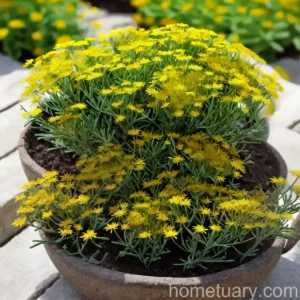
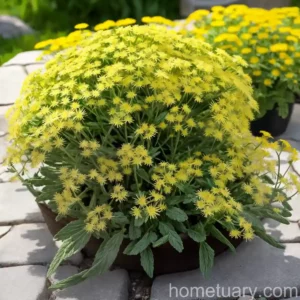
Sweet Coneflower (Rudbeckia subtomentosa ‘Henry Eilers’)
Rudbeckia subtomentosa ‘Henry Eilers,’ commonly known as Sweet Coneflower, is a delightful perennial plant that belongs to the Asteraceae family. This captivating plant is beloved for its stunning blooms, easy maintenance, and wildlife-friendly nature. The vibrant yellow hues of its flowers make it a popular choice among gardeners and landscape enthusiasts. In this comprehensive guide, we will explore the key characteristics, cultivation requirements, maintenance tips, and interesting facts about the sweet coneflower.
Plant Overview
Botanical Classification
- Family: Asteraceae
- Genus: Rudbeckia
- Species: subtomentosa
- Cultivar: ‘Henry Eilers’
Plant Characteristics
- Common Name: Sweet Coneflower
- Cultivar Variant: ‘Henry Eilers’
- Height: 3 to 6 feet
- Spread: 2 to 3 feet
- Bloom Time: Midsummer to early fall
- Flower Color: Bright yellow with dark brown centers
Origin
Rudbeckia subtomentosa ‘Henry Eilers’ is native to the central and eastern regions of North America, where it is commonly found in moist prairies, open woods, and along stream banks.
Key Takeaways
Culture
- Hardiness Zone: 4 – 9
- Plant Type: Herbaceous perennial
Uses
- Garden Beds and Borders: Its tall stature and vibrant blooms make it an excellent choice for adding vertical interest to perennial beds and borders.
- Cut Flowers: The long-lasting blooms of sweet coneflower make it a perfect candidate for cut flower arrangements.
- Wildlife Gardens: Its nectar-rich flowers attract butterflies, bees, and other pollinators, making it an ideal addition to wildlife-friendly garden spaces.
Water
- Watering Needs: Moderate
- Soil Moisture: Prefers moist, well-drained soil
Sunlight
- Sun Exposure: Full sun to partial shade
- Sun Requirements: Thrives in full sun
Fertilizer
- Fertilization: Requires minimal fertilization, particularly in nutrient-rich soils
Soil
- Soil Type: Well-drained, loamy soil
- pH: Neutral to slightly acidic (pH 5.5 – 7.0)
Pruning
- Pruning: Regular deadheading of spent blooms can promote prolonged flowering. Additional pruning is generally not necessary.
Propagation
- Propagation Methods: Division, seeds
- Best Time for Division: Spring or fall
- Seed Propagation: Direct sow in fall or early spring, or start seeds indoors 6-8 weeks before the last frost date.
Container Popularity
- Suitable for Containers: Can be grown in large containers with adequate drainage
- Container Size: Select a container that provides ample space for root development.
Common Diseases
- Potential Diseases: Susceptible to powdery mildew in humid conditions
- Disease Resistance: Generally resistant to major diseases
Disease Diagnosis
- Signs of Powdery Mildew: White, powdery patches on leaves
- Preventive Measures: Ensure proper air circulation and avoid overhead watering
Common Pests
- Pest Management: Relatively resistant to pests, occasional aphid infestations may occur
- Pest Control: Handpick or spray with a strong stream of water to remove aphids
Botanist’s Tips
- Ensure adequate air circulation around the plant to minimize the risk of powdery mildew.
- Incorporate a layer of organic mulch to help retain soil moisture, suppress weeds, and provide a gradual release of nutrients.
- Consider interplanting with other native perennials to create a diverse and ecologically beneficial landscape.
Fun Facts
- The specific epithet “subtomentosa” refers to the plant’s downy or woolly nature, particularly noticeable on the undersides of its leaves.
- ‘Henry Eilers’, the cultivar variant, is named after the late Henry Eilers, former manager of the St. Louis Audubon Center.
Links to External Resources
- Missouri Botanical Garden – Rudbeckia subtomentosa ‘Henry Eilers’
- University of Wisconsin-Madison Arboretum – Sweet Coneflower (Rudbeckia subtomentosa)
As we delve deeper into the wonderful world of Rudbeckia subtomentosa ‘Henry Eilers,’ we’ll explore its growth requirements, maintenance practices, propagation techniques, and its role in diverse garden settings. Whether you are a seasoned gardener or a beginner enthusiast, this guide will equip you with comprehensive knowledge to cultivate and appreciate the beauty of the sweet coneflower.
Cultivation
Growing Conditions
Soil Preferences
The sweet coneflower thrives in well-drained, loamy soil with a neutral to slightly acidic pH ranging from 5.5 to 7.0. It is essential to ensure adequate soil moisture while avoiding waterlogged conditions to prevent root rot and other moisture-related issues.
Sunlight Requirements
Rudbeckia subtomentosa ‘Henry Eilers’ exhibits a preference for full sun exposure. When planted in locations with at least 6 to 8 hours of direct sunlight daily, it can achieve optimal growth and prolific flowering.
Watering Needs
While established plants demonstrate good drought tolerance, consistent soil moisture is crucial, particularly during the plant’s establishment phase and prolonged periods of dry weather. Adequate watering helps promote healthy growth and abundant flowering.
Fertilization
The sweet coneflower does not demand heavy fertilization, especially in nutrient-rich soils. A balanced, slow-release fertilizer applied in early spring can provide the necessary nutrients for healthy growth and vibrant blooms.
Planting Guide
Planting Time
- Spring Planting: For container-grown specimens, spring is an excellent time to establish new plantings in the garden.
- Fall Planting: Fall planting allows the roots to establish before winter sets in, promoting robust growth in the following growing season.
Planting Depth and Spacing
- Depth: Plant at the same depth as it was growing in the container or nursery.
- Spacing: Provide ample space between individual plants, spacing them approximately 18 to 24 inches apart to accommodate their mature spread.
Propagation Methods
Division
- Best Time for Division: Early spring or fall
- Process:
- Carefully dig up the plant, ensuring the root system remains intact.
- Use a sharp, clean knife or garden spade to divide the plant into sections, each containing a portion of the root system and several healthy shoots.
- Replant the divisions at the appropriate depth and spacing, ensuring adequate soil firming around the roots.
Seed Propagation
- Seed Starting: Start seeds indoors 6-8 weeks before the last expected frost date in your region.
- Direct Sowing: Alternatively, seeds can be sown directly in the garden in fall or early spring.
- Sowing Depth: Lightly press the seeds into the soil surface, as they require light for germination.
The rewarding process of propagation enables gardeners to expand their sweet coneflower collection and share the beauty of this plant with friends and fellow enthusiasts.
Maintenance
Pruning Techniques
Deadheading
Regular deadheading of spent flowers is beneficial for prolonging the flowering period. Additionally, removing faded blooms can help maintain the plant’s neat appearance and divert energy into new growth and blooming.
Winter Care
In regions with cold winters, applying a layer of mulch around the base of the plant helps protect the roots from temperature extremes. This mulch layer also aids in moisture retention and provides insulation during winter dormancy.
Maximizing Blooms
To encourage continuous flowering and abundant blooms, incorporating a regular watering schedule and providing appropriate growing conditions are essential. Additionally, removing any damaged or withered blossoms can aid in stimulating the production of new flowers.
Soil Preparation
When preparing the planting area for sweet coneflowers, amending the soil with organic matter or compost can improve its structure and fertility. Proper soil preparation ensures an optimal environment for root development and overall plant vigor.
Best Practices
Companion Planting
Plant Combinations
Sweet coneflowers can be complemented by a diverse array of companion plants, including other native perennials, ornamental grasses, and pollinator-friendly species. Some excellent companion plant choices include:
- Monarda (Bee Balm): The vibrant blooms of Monarda attract pollinators and provide a striking color contrast when planted alongside the yellow flowers of the sweet coneflower.
- Echinacea (Coneflower): Echinacea’s enduring blooms and similar cultural requirements make it an ideal companion for Rudbeckia subtomentosa ‘Henry Eilers.’
Wildlife Attraction
The nectar-rich blooms of the sweet coneflower specifically appeal to butterflies, bees, and other pollinators, contributing to the biodiversity and ecological value of the surrounding area.
Mixed Perennial Beds
As part of mixed perennial beds, sweet coneflowers can serve as focal points or background elements, harmonizing with an assortment of flowering perennials, ornamental grasses, and foliage plants.
Landscape Design
Seasonal Interest
The stunning display of bright yellow flowers provides considerable seasonal interest, particularly during midsummer through early fall. Properly placed, sweet coneflowers can contribute to a dynamic and evolving landscape throughout the growing season.
Native Range
Rudbeckia subtomentosa, the parent species, is indigenous to the central and eastern regions of North America, where it thrives in a variety of natural habitats. Incorporating these native plants into garden designs helps support local ecosystems and promotes the conservation of native flora.
Water Conservation
The ecological adaptability of sweet coneflowers aligns well with water-conscious gardening practices. When established, they demonstrate good drought tolerance, reducing the need for extensive irrigation.
Medicinal Uses
The traditional medicinal properties of the sweet coneflower involve its utilization by indigenous peoples for various remedies. While not widely practiced today, historical accounts include its application in herbal preparations for addressing certain health concerns.
Blooming Season
Rudbeckia subtomentosa ‘Henry Eilers’ typically blooms from midsummer through early fall, offering an extended period of vibrant and cheerful floral displays. These long-lasting blossoms contribute to the plant’s appeal in a variety of landscape and garden settings.
Growing in Different Climates
Hardiness Range
With a hardiness range spanning USDA zones 4 to 9, sweet coneflowers exhibit adaptability to a diverse range of climatic conditions. Selecting regionally suited cultivars and providing adequate care can help ensure successful growth in various climates.
Full Sun Requirements
While Rudbeckia subtomentosa ‘Henry Eilers’ thrives in full sun, it can tolerate partial shade conditions. However, to achieve optimal flowering and overall vigor, providing at least 6 to 8 hours of direct sunlight daily is recommended.
Color Variations
While ‘Henry Eilers’ sweet coneflower showcases the classic yellow petals with dark brown centers, various cultivars and selections within the species may present subtle variations in color, petal shape, or overall flower size.
Wildlife Attraction
The ecological significance of sweet coneflowers extends to their capacity to attract and sustain diverse wildlife, particularly beneficial insects and pollinators. By incorporating these plants into garden landscapes, individuals can contribute to the preservation of local biodiversity.
Drought Tolerance
Rudbeckia subtomentosa ‘Henry Eilers’ exhibits commendable drought tolerance once established, making it an excellent candidate for water-wise and xeriscape gardening approaches. Its capacity to thrive in arid conditions enhances its appeal in landscapes with water conservation priorities.
Conclusion
In summary, the sweet coneflower (Rudbeckia subtomentosa ‘Henry Eilers’) embodies a captivating and versatile perennial plant that offers a wealth of ornamental, ecological, and horticultural value. From its striking floral displays to its contributions to wildlife habitats, this charming plant enriches gardening and landscaping experiences while supporting biodiversity and the wider ecosystem. By understanding its growth requirements, maintenance practices, and ecological benefits, individuals can derive immense satisfaction from cultivating and appreciating the enduring beauty of the sweet coneflower.
References
- Missouri Botanical Garden. “Rudbeckia subtomentosa ‘Henry Eilers’.” Plant Finder. https://www.missouribotanicalgarden.org/PlantFinder/PlantFinderDetails.aspx?kempercode=a874
- University of Wisconsin-Madison Arboretum. “Sweet Coneflower (Rudbeckia subtomentosa).” https://arboretum.wisc.edu/plants/sweet-coneflower-rudbeckia-subtomentosa/
As a plant scientist, I thoroughly enjoyed exploring the remarkable characteristics and cultivation essentials of the sweet coneflower (Rudbeckia subtomentosa ‘Henry Eilers’). Its significance in supporting pollinators, enhancing landscape aesthetics, and contributing to regional biodiversity underscores its enduring appeal in horticulture and conservation efforts. If you have further queries or wish to delve into specific aspects of this exceptional plant, feel free to explore additional resources or seek guidance from local horticultural professionals. Happy gardening!