Bromeliad (Bromeliaceae)
Bromeliads are a diverse and fascinating group of plants that belong to the Bromeliaceae family. This family includes over 3,000 species and an even larger.
Introduction to Bromeliads
Bromeliads are a diverse and fascinating group of plants that belong to the Bromeliaceae family. This family includes over 3,000 species and an even larger number of hybrids and cultivars, making it one of the most captivating plant families for enthusiasts and botanists alike. The Bromeliaceae family is known for its stunning foliage, vibrant flowers, and incredible adaptability to various growing conditions. In this comprehensive guide, we will delve into the various aspects of Bromeliad care, cultivation, and the numerous species and varieties that make up this unique plant family.
What is a Bromeliad?
Definition
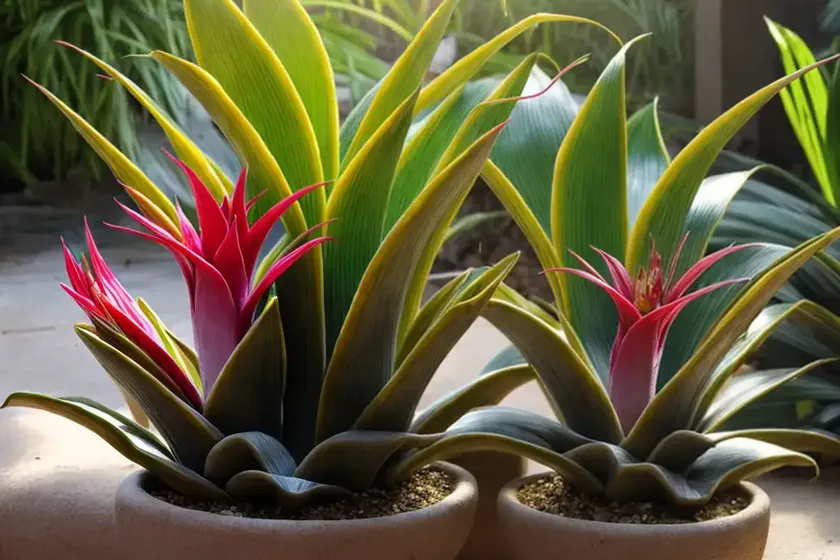
Bromeliads are a group of monocot flowering plants native primarily to the tropical and subtropical regions of the Americas. They are known for their diverse forms, ranging from highly ornamental and colorful to more understated and green. Bromeliads are typically found growing on trees (epiphytic), on rocks (saxicolous), or directly in the ground (terrestrial), and they are often characterized by their ability to collect and store water in their central rosettes or “tanks.”
Morphological Features
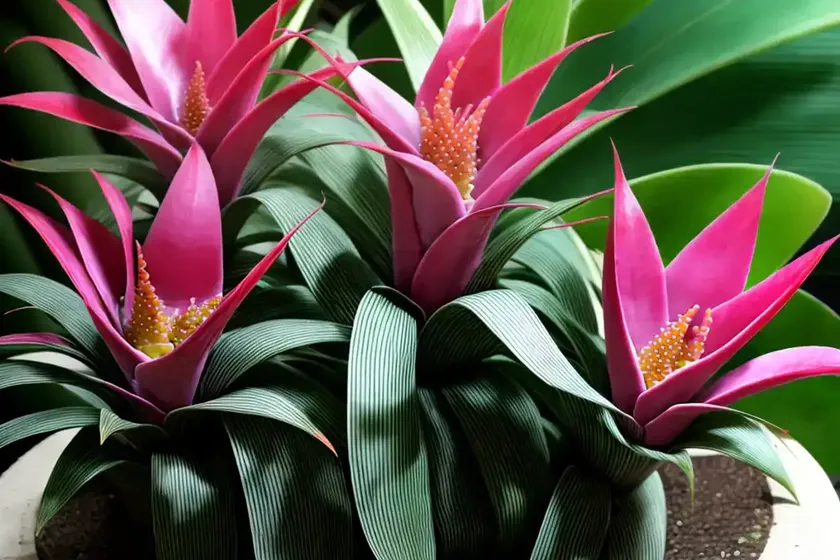
Morphologically, bromeliads are known for their rosette-forming leaves, which are arranged in a spiral or radial pattern. These leaves collect water, nutrients, and debris, forming a microhabitat that supports a diverse range of organisms, including insects, amphibians, and other small organisms that contribute to the plant’s ecosystem.
Flowers
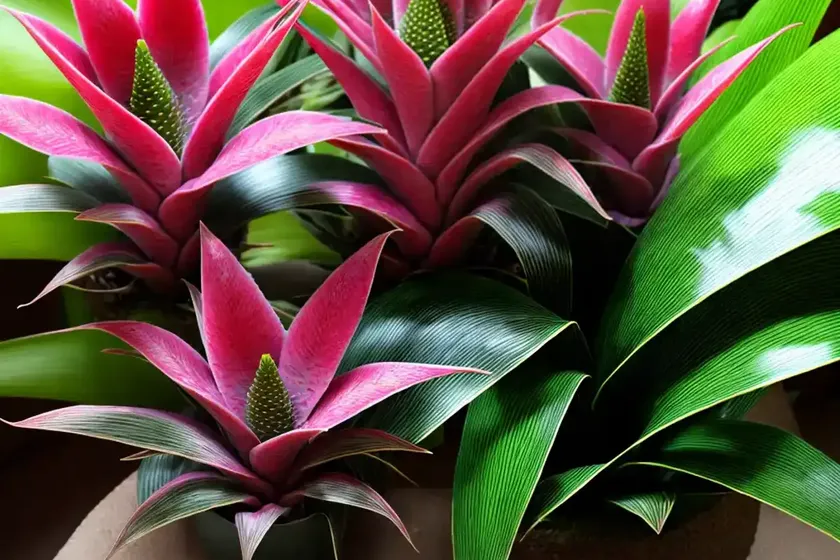
Bromeliads produce a wide variety of flower structures, colors, and inflorescences. The flowers can be brilliantly colored and long-lasting, making them an attractive ornamental feature. This diversity in flower structure and color serves to attract a wide range of pollinators, including hummingbirds, bats, and insects.
Distribution
Bromeliads are primarily found in Central and South America, with a few species extending into the southern United States. They are particularly prevalent in the Andean cloud forests, the Atlantic Forest of Brazil, and the Caribbean.
Key Takeaways – Bromeliad (Bromeliaceae)
Before we dive into the specifics of Bromeliad care and cultivation, let’s take a moment to highlight some key takeaways about these fascinating plants:
- Bromeliads belong to the Bromeliaceae family, which includes over 3,000 species and an extensive array of hybrids and cultivars.
- They are known for their striking foliage, vibrant flowers, and adaptability to diverse growing conditions.
- Bromeliads are well-suited for both indoor and outdoor cultivation, making them versatile additions to any home or garden.
- They possess unique water-holding structures, known as tanks, which contribute to their ability to thrive in various environments.
- The family Bromeliaceae exhibits a remarkable diversity in terms of species, flower structures, and ecological adaptations, making it a captivating subject of study for botanists and plant enthusiasts.
Culture
Uses
Bromeliads are valued for their aesthetic appeal, and as such, they are commonly cultivated as ornamental plants. Their striking foliage and vibrant flowers make them popular choices for adding color and texture to indoor and outdoor spaces. Additionally, certain species of bromeliads are utilized for their edible fruits or for fiber production.
Water
Bromeliads have a unique relationship with water, as many species are capable of collecting and storing water in their central rosettes. This adaptation is particularly beneficial in their native habitats, where they can endure dry periods by relying on the water stored in their tanks. In cultivation, it is important to imitate this natural behavior by ensuring that the central tanks are regularly filled with clean, non-chlorinated water.
Sunlight
In their natural habitats, bromeliads can be found in a range of light conditions, from full sun to dappled shade. When cultivating bromeliads, it is essential to provide them with the appropriate light levels based on their species and natural habitat. While some species thrive in full sun, others prefer more shaded conditions. Careful observation of the plant’s response to light will help determine the optimal placement for cultivation.
Fertilizer
Bromeliads have modest nutritional requirements, and excess fertilization can lead to damage or decline in their health. A balanced, water-soluble fertilizer can be applied to bromeliads at a diluted concentration during the growing season. It is important to avoid applying fertilizer directly to the central tanks, as this can lead to the accumulation of harmful salts.
Soil
Bromeliads exhibit a range of soil preferences, with some species thriving in terrestrial environments, while others prefer to grow as epiphytes or saxicolous plants. Terrestrial species benefit from a well-draining, aerated mix that allows their roots to breathe. For epiphytic species, a coarse, porous medium that mimics the bark of trees is preferred. Regardless of their growing habit, it is crucial to provide a substrate that does not hold excess water around the roots.
Pruning
Pruning requirements for bromeliads are generally minimal, as they do not require frequent trimming. However, removing dead or decaying foliage and spent flower spikes can help maintain the plant’s health and appearance. In some cases, offsets or pups can be removed from the mother plant for propagation purposes or to encourage the growth of the main plant.
Propagation
Bromeliads can be propagated through various methods, including division, seed sowing, and the removal of offsets or pups. Offsets are miniature versions of the parent plant that develop at the base and can be carefully separated and rooted to produce new plants. When propagating bromeliads from seeds, it is important to ensure that the seeds are fresh and that the propagation environment provides the necessary warmth and moisture for successful germination.
Container Popularity
The adaptability of bromeliads to container cultivation has contributed to their popularity among enthusiasts and gardeners. Their striking appearance, relatively compact size, and low-maintenance requirements make them ideal candidates for containers, both indoors and outdoors. Moreover, their ability to thrive as epiphytes allows for creative and unique container displays, such as mounting them on driftwood or arranging them in hanging baskets.
Common Diseases
Disease Diagnosis
Bromeliads are generally resilient to diseases, but they can occasionally fall victim to certain fungal, bacterial, or viral infections. Symptoms of disease in bromeliads may include leaf spots, rotting tissues, stunted growth, or discoloration. Proper diagnosis of plant diseases can be achieved through careful observation, noting the specific symptoms and patterns of progression. If a disease is suspected, it is important to promptly isolate the affected plant to prevent the spread of infection to other specimens in the collection.
Common Pests
Bromeliads are susceptible to infestations by common plant pests such as aphids, scales, mealybugs, and spider mites. These pests can cause damage to the plant by piercing the foliage and sucking out the sap, leading to weakened growth and the potential for the transmission of diseases. Regular monitoring and inspection of plants can help detect pest infestations early, allowing for timely intervention to prevent widespread damage.
Botanist’s Tips
For successful cultivation and care of bromeliads, consider the following expert tips:
- Understand the specific requirements of your bromeliad species regarding water, light, and temperature.
- Provide adequate air circulation to prevent the development of fungal and bacterial issues.
- Avoid overwatering and ensure that excess water is able to drain away from the roots to prevent rot.
- When fertilizing, use a balanced, water-soluble formula at a diluted concentration to avoid harming the plants.
- Regularly monitor for pests and diseases, and take proactive measures to address any issues that arise.
Fun Facts
As we explore the world of bromeliads, let’s uncover some intriguing and delightful facts about these remarkable plants:
- Bromeliads are able to thrive in a wide range of natural habitats, from rainforests and cloud forests to arid deserts and high-altitude environments.
- The central tanks of bromeliads create unique microhabitats that support a diverse community of organisms, including frogs, insects, and other plants.
- Bromeliads have been utilized by indigenous cultures for various purposes, such as food, fiber, and religious symbolism.
- Some bromeliad species are capable of absorbing water and nutrients through their leaves, a fascinating adaptation that enhances their ability to survive in nutrient-poor environments.
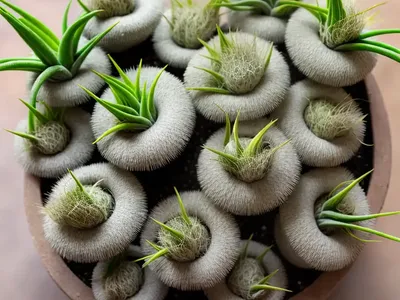
- The Bromeliaceae family encompasses an astonishing variety of forms and sizes, from tiny, delicate air plants to towering, leafy specimens.
Links to External Resources
For further exploration of Bromeliads and related topics, consider these valuable resources:
- Bromeliad Society International
- American Bromeliad Society
- Royal Horticultural Society – Bromeliads
- University of Florida – Bromeliads as Houseplants
Conclusion
In conclusion, Bromeliads, with their stunning foliage, diverse forms, and captivating ecology, present an enticing realm for botanists, horticulturists, and plant enthusiasts to explore. Whether grown as ornamentals in the home or garden, or studied for their ecological adaptations and cultural significance, these extraordinary plants continue to fascinate and inspire. By understanding their unique care requirements and appreciating their ecological role, we can further enrich our appreciation of the remarkable Bromeliaceae family.
By delving into the myriad facets of Bromeliads, we gain a deeper understanding of their inherent beauty, ecological significance, and cultural value. Whether they are gracing our living spaces with their vibrant hues or thriving in their natural habitats, bromeliads stand as testament to the wondrous diversity and resilience of the plant kingdom. As we continue to nurture and study these captivating plants, we unlock the secrets of their adaptation, growth, and beauty, perpetuating our awe and appreciation for the enigmatic Bromeliaceae family.
The captivating allure of bromeliads serves as a testament to the infinite wonders of the natural world, inspiring us to explore, conserve, and celebrate the diversity of our planet’s botanical treasures.
Remember to keep exploring and learning from the wondrous world of plants. Happy gardening and botanizing!