Flower Dust Plant (Kalanchoe Pumila)
Plants play a crucial role in our lives, not only for their aesthetic appeal but also for their ecological significance. One such marvel of nature is the.
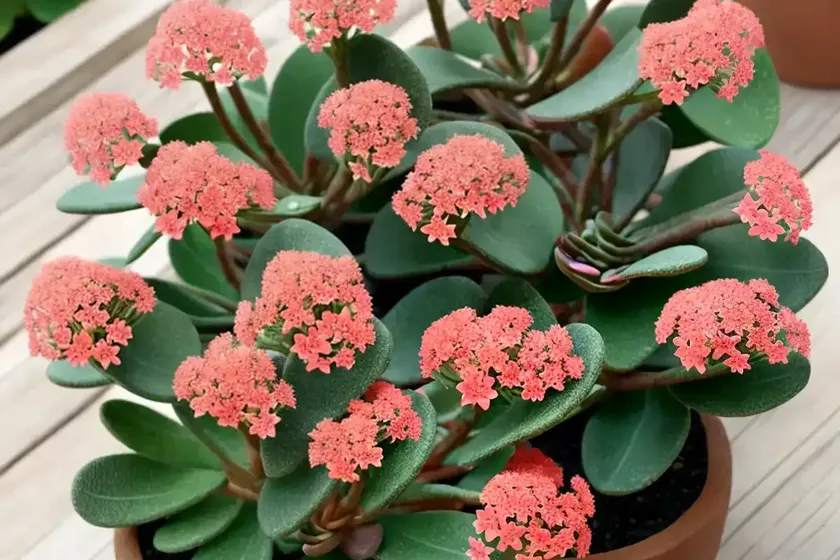
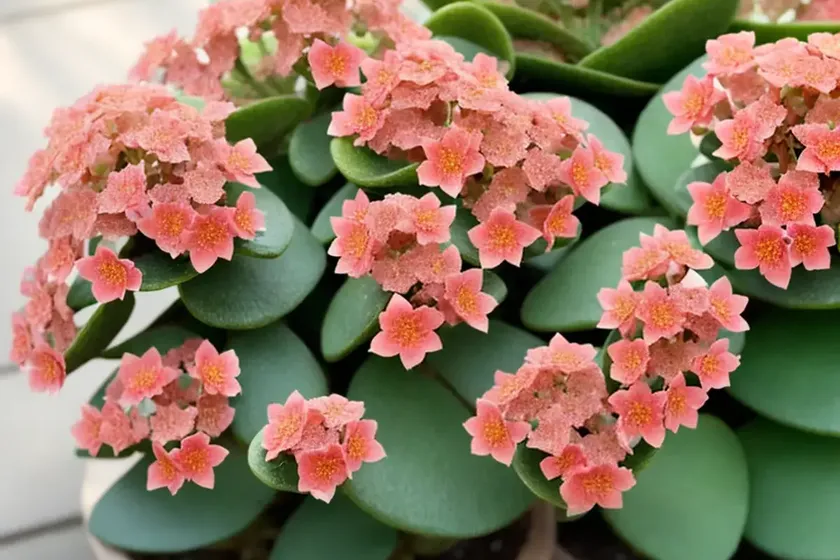
Plants play a crucial role in our lives, not only for their aesthetic appeal but also for their ecological significance. One such marvel of nature is the Flower Dust Plant, scientifically known as Kalanchoe Pumila. With its delicate blooms and easy-care nature, the Flower Dust Plant has captured the hearts of plant enthusiasts and gardeners around the world. In this comprehensive guide, we will delve into the world of the Flower Dust Plant, exploring its characteristics, cultivation, and potential uses.
What is the Flower Dust Plant (Kalanchoe Pumila)?
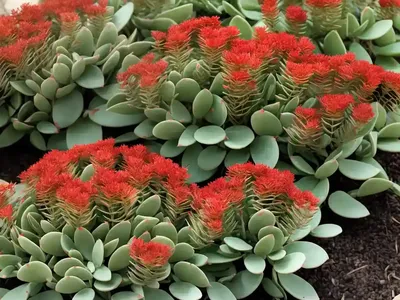
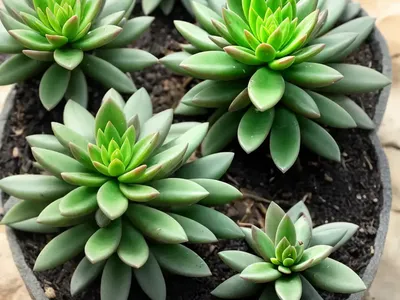
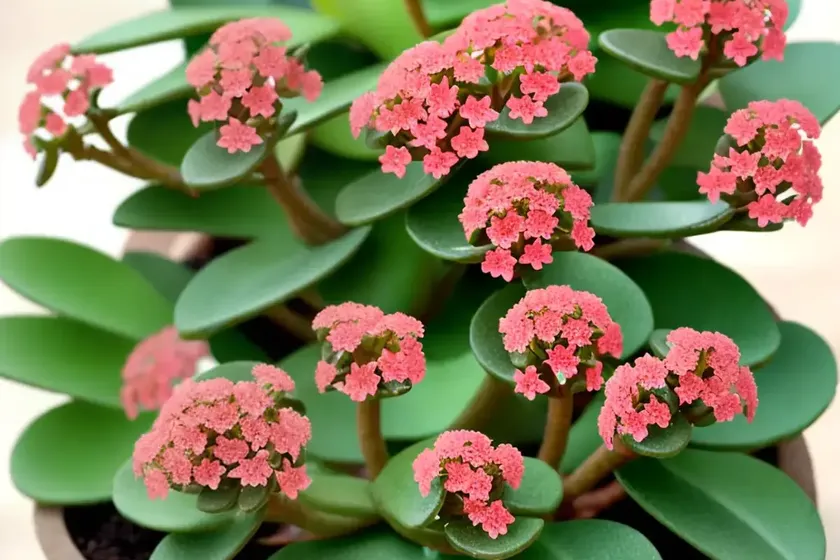
The Flower Dust Plant, or Kalanchoe Pumila, is a species of succulent plant belonging to the family Crassulaceae. Originating from Madagascar, it has gained popularity as a highly desirable ornamental plant due to its stunning foliage and vibrant, long-lasting flowers. The plant is characterized by its low-growing, spreading habit and clusters of small, star-shaped flowers.
Key Takeaways – Flower Dust Plant (Kalanchoe Pumila)
Before we delve into the specifics of caring for the Flower Dust Plant, let’s explore some key takeaways that will guide us through this comprehensive guide:
- Scientific Name: Kalanchoe Pumila
- Common Name: Flower Dust Plant
- Family: Crassulaceae
- Native Range: Madagascar
- Characteristics: Low-growing, spreading habit; small, star-shaped flowers
- Cultivation: Ideal as a houseplant or in gardens; suitable for container gardening
- Uses: Ornamental decoration, medicinal purposes, indoor and outdoor landscaping
- Care Requirements: Moderate water, ample sunlight, well-draining soil, occasional pruning
Plant Overview
| Characteristic | Details |
|---|---|
| Scientific Name | Kalanchoe Pumila |
| Common Name | Flower Dust Plant |
| Family | Crassulaceae |
| Native Range | Madagascar |
| Flowering Season | Spring to early summer |
| Growth Habit | Low-growing, spreading |
| Flower Characteristics | Small, star-shaped blooms |
| Ecological Benefits | Drought-tolerant, water conservation |
| Uses | Ornamental, medicinal, landscaping |
Now that we have a brief understanding of the Flower Dust Plant, let’s dive deeper into its cultivation, uses, care requirements, and interesting facts that revolve around this charming succulent.
Cultivation of the Flower Dust Plant (Kalanchoe Pumila)
Cultivating the Flower Dust Plant, or Kalanchoe Pumila, can be a rewarding experience for both novice and experienced gardeners. This section will cover the cultural considerations for nurturing and maintaining the plant, ensuring its healthy growth and vibrant blooms.
Uses
The Flower Dust Plant (Kalanchoe Pumila) holds several uses, making it a versatile addition to indoor and outdoor spaces. Its primary uses include:
-
Ornamental Decoration: The plant’s low-growing habit and bountiful, delicate flowers make it an appealing choice for ornamental decoration in both homes and gardens.
-
Medicinal Purposes: Certain species within the Kalanchoe genus, including Kalanchoe Pumila, are known for their potential medicinal properties. However, it’s essential to consult with a healthcare professional before using any plant for medicinal purposes.
-
Landscaping: The plant’s spreading nature makes it well-suited for creating groundcover in gardens and landscapes.
Water
Proper watering is essential for the health and vitality of the Flower Dust Plant. As a succulent, Kalanchoe Pumila is adapted to storing water in its leaves and can withstand periods of drought. However, it’s crucial to strike a balance to prevent overwatering, which can lead to root rot.
-
Watering Frequency: Allow the soil to dry out partially between watering sessions. In general, watering every 7-10 days during the growing season (spring and summer) is sufficient. Reduce the frequency to every 2-3 weeks during the dormant period (fall and winter).
-
Watering Technique: Apply water directly to the soil, avoiding wetting the foliage excessively. Ensure proper drainage in the container to prevent waterlogged conditions.
-
Moisture Monitoring: Check the moisture level of the soil by inserting a finger about an inch into the soil. If it feels dry, it’s time to water the plant.
Sunlight
Proper sunlight exposure is crucial for the Flower Dust Plant to thrive and produce an abundance of colorful blooms. As a sun-loving succulent, Kalanchoe Pumila has specific sunlight requirements for optimal growth.
-
Sunlight Needs: Place the plant in a location that receives bright, indirect sunlight for at least 6 hours a day. East or west-facing windows are ideal for indoor cultivation.
-
Outdoor Placement: In outdoor settings, provide the Flower Dust Plant with partial shade to protect it from intense midday sun, especially in regions with hot climates.
-
Light Conditions: Insufficient sunlight may result in leggy growth and reduced flowering. Adequate light exposure promotes compact growth and vibrant blooms.
Fertilizer
Fertilizing the Flower Dust Plant (Kalanchoe Pumila) is essential to provide the necessary nutrients for robust growth and prolific flowering. However, it’s crucial to use a balanced fertilizer and apply it judiciously to avoid potential issues such as fertilizer burn.
-
Fertilizing Schedule: During the active growing season (spring and summer), feed the plant with a balanced, water-soluble fertilizer every 4-6 weeks. Cease fertilization during the dormant period (fall and winter).
-
Dilution Strength: Dilute the fertilizer to half or quarter strength to prevent over-fertilization, which can harm the plant.
-
Application Method: Apply the fertilizer to the moistened soil, avoiding contact with the foliage to prevent burning.
Soil
The choice of soil directly impacts the health and vigor of the Flower Dust Plant. Providing well-draining soil that mimics its natural habitat is crucial for preventing waterlogged conditions and root rot.
-
Soil Type: Use a well-draining succulent or cacti potting mix with a balanced combination of organic matter, coarse sand, and perlite.
-
Container Drainage: Ensure the container has drainage holes to allow excess water to escape, reducing the risk of water accumulation at the root zone.
-
Soil pH: The ideal soil pH for the Flower Dust Plant ranges from slightly acidic to neutral (pH 6.0-7.0). It’s essential to select a potting mix that aligns with this pH range.
Pruning
Periodic pruning plays a significant role in maintaining the shape, promoting bushy growth, and rejuvenating the Flower Dust Plant. Proper pruning techniques contribute to the plant’s overall aesthetics and health.
-
Deadhead Spent Blooms: Remove faded or spent flowers to encourage continuous blooming and prevent seed formation, allowing the plant to redirect its energy into producing new blooms.
-
Trim Leggy Growth: If the plant exhibits leggy or elongated growth, particularly in indoor conditions, trim back the stems to promote compact, bushy growth.
-
Branch Maintenance: Prune diseased or damaged branches to prevent the spread of ailments and maintain the plant’s vigor.
Propagation
The propagation of the Flower Dust Plant (Kalanchoe Pumila) is relatively straightforward, offering enthusiasts the opportunity to expand their plant collection and share the beauty of this species with others.
-
Propagation Methods: The plant can be propagated through stem cuttings or leaf cuttings. Both methods are effective and yield new plants with identical characteristics to the parent plant.
-
Cutting Preparation: Select healthy, non-flowering stems or leaves and allow the cut ends to callus for a day or two before planting them in a well-draining propagation medium.
-
Propagation Medium: Utilize a well-draining propagation medium such as perlite, coarse sand, or a succulent potting mix to promote successful rooting.
Container Popularity
The Flower Dust Plant’s compact growth habit and vibrant blooms make it a popular choice for container gardening, both indoors and outdoors.
-
Indoor Containers: Thriving in containers, Kalanchoe Pumila adds charm to indoor spaces, such as windowsills, tabletops, and shelving units.
-
Outdoor Containers: In outdoor settings, the plant can be showcased in decorative pots, hanging baskets, or mixed container arrangements, enhancing the beauty of porches, patios, and garden landscapes.
Common Diseases and Pests
Caring for the Flower Dust Plant involves vigilance against potential diseases and pests that can detract from its beauty and vitality. Understanding common issues and their remedies is essential for maintaining a thriving plant.
Common Diseases
The Flower Dust Plant (Kalanchoe Pumila) may face certain diseases under unfavorable growing conditions or due to pathogenic factors. Recognizing the symptoms and implementing appropriate interventions are crucial for combatting these ailments.
-
Powdery Mildew: A fungal disease characterized by powdery, white patches on the foliage. It thrives in high humidity and can be prevented by providing adequate air circulation and avoiding overhead watering.
-
Root Rot: Often caused by overwatering or poorly-draining soil, resulting in the decay of the roots. Improving the soil’s drainage and adjusting the watering frequency can help prevent this issue.
-
Leaf Spot: Circular, dark spots on the leaves may indicate a bacterial or fungal infection. Remove and dispose of affected plant parts and ensure that the foliage remains dry during watering to mitigate this issue.
-
Crown or Stem Rot: Excessive moisture at the base of the plant can lead to the development of rot. Adjust watering practices and ensure the container has proper drainage to prevent this condition.
Disease Diagnosis
When observing any signs of disease on the Flower Dust Plant, it’s important to accurately diagnose the issue before implementing remedies. A vigilant approach facilitates prompt treatment and prevents the spread of diseases.
-
Symptom Identification: Carefully observe the foliage, stems, and flowers for any abnormal discoloration, spots, or wilting.
-
Moisture Assessment: Evaluate the moisture level of the soil and analyze the plant’s surroundings for potential contributors to fungal or bacterial growth.
-
Quarantine Measures: Isolate the affected plant to prevent the spread of diseases to other nearby plants.
Common Pests
Pests can pose a threat to the health and aesthetics of the Flower Dust Plant, requiring proactive measures to mitigate their impact and prevent infestations.
-
Aphids: These small, sap-sucking insects can cluster on the undersides of leaves, causing distortion and yellowing of the foliage. Use a strong jet of water or insecticidal soap to dislodge and control aphid populations.
-
Mealybugs: Mealybugs appear as white, cottony masses on the plant, primarily in leaf axils and on the stems. Physically remove them with a cotton swab dipped in alcohol or apply neem oil to combat these pests.
-
Spider Mites: These arachnids are tiny and may create fine webbing on the plant, particularly in dry conditions. Increase humidity and consider applying insecticidal soap to manage spider mite populations.
-
Scale Insects: Scale insects can appear as raised, brown bumps on the stems and leaves. Use a soft brush dipped in soapy water to remove these pests, and monitor the plant for recurring infestations.
Botanist’s Tips for Flower Dust Plant Care
Establishing optimal conditions for the Flower Dust Plant involves attention to detail and adherence to best practices. Here are some expert tips for nurturing and enjoying the beauty of Kalanchoe Pumila:
-
Balance Watering: Strive for consistent but moderate moisture levels, allowing the soil to partially dry between watering sessions.
-
Pruning Guidance: Regularly deadhead spent blooms and trim leggy growth to maintain the plant’s compact form and encourage continuous flowering.
-
Sunlight Management: Provide the plant with bright, indirect sunlight to promote robust growth and prolific flowering while protecting it from intense midday sun.
-
Pest Vigilance: Monitor the plant for signs of pests and diseases, implementing proactive measures for pest control and disease management as soon as issues arise.
-
Propagation Exploration: Embrace the joy of propagating new plants from cuttings, expanding your collection of Flower Dust Plants and sharing their beauty with fellow enthusiasts.
Fun Facts about the Flower Dust Plant
- The species name “Pumila” is derived from Latin, meaning “dwarf” or “small,” reflecting the plant’s compact growth habit.
- In its native habitat of Madagascar, Kalanchoe Pumila can be found growing in rocky outcrops and semi-arid regions, showcasing its adaptability to challenging conditions.
- The Flower Dust Plant is a popular choice for xeriscaping and dry landscape designs, given its drought-tolerant nature and low water requirements.
- Certain species within the Kalanchoe genus, including Kalanchoe Pumila, are known for their traditional medicinal uses, particularly in natural medicine practices.
Links to External Resources
- University of Florida IFAS Extension – Kalanchoe Pumila
- Missouri Botanical Garden – Kalanchoe Pumila Profile
In conclusion, the Flower Dust Plant (Kalanchoe Pumila) stands as a delightful addition to indoor and outdoor green spaces, bringing a touch of elegance with its charming blooms and low-maintenance care requirements. By understanding its unique characteristics and implementing best practices in cultivation and maintenance, plant enthusiasts can relish the beauty of this captivating succulent while creating appealing ornamental displays and landscapes.
The versatility of Kalanchoe Pumila, coupled with its ecological benefits and potential uses, further elevates its appeal as a treasured plant specimen, both in horticultural settings and in the realm of natural remedies. Whether adorning window sills as a delightful houseplant or gracing garden landscapes as a groundcover, the Flower Dust Plant continues to captivate with its enduring allure and vibrant presence.
Remember, embracing the journey of nurturing a Flower Dust Plant opens the door to a world of natural beauty, gratifying cultivation, and the joy of watching this remarkable succulent flourish in its rightful place within your botanical sanctuary.
So, whether you’re a seasoned plant enthusiast or just setting out on your green-thumb adventures, the Flower Dust Plant (Kalanchoe Pumila) awaits with its resplendent blooms and enchanting presence, ready to enrich your life in ways both aesthetically pleasing and ecologically significant. Happy gardening!
Keywords: Kalanchoe Pumila plant, Flower Dust Plant care, Flower Dust Plant indoor, Flower Dust Plant propagation, Kalanchoe Pumila characteristics, How to grow Kalanchoe Pumila, Flower Dust Plant watering, Flower Dust Plant sunlight needs, Kalanchoe Pumila varieties, Pruning Flower Dust Plant, Flower Dust Plant soil requirements, Kalanchoe Pumila diseases, Flower Dust Plant pests, Flower Dust Plant fertilization, Kalanchoe Pumila potting, Flower Dust Plant in gardens, Kalanchoe Pumila edibility, Flower Dust Plant medicinal uses, Flower Dust Plant toxicity, Kalanchoe Pumila natural habitat, Flower Dust Plant climate preferences, Kalanchoe Pumila flowering season, Flower Dust Plant indoor decoration, Flower Dust Plant DIY projects, Kalanchoe Pumila landscaping ideas, Flower Dust Plant hanging baskets, Best companion plants for Kalanchoe Pumila, Flower Dust Plant container gardening, Flower Dust Plant as a gift, Kalanchoe Pumila ecological benefits, Flower Dust Plant family (Crassulaceae) details, Kalanchoe Pumila leaf morphology, Flower Dust Plant root system, Flower Dust Plant in traditional medicine, Kalanchoe Pumila plant hardiness, Flower Dust Plant growth stages, Flower Dust Plant seasonal care, Kalanchoe Pumila as a houseplant, Flower Dust Plant pruning techniques, Flower Dust Plant natural remedies, Kalanchoe Pumila species classification, Flower Dust Plant native range, Flower Dust Plant cultivars, Kalanchoe Pumila landscape maintenance, Flower Dust Plant in coastal gardens, Flower Dust Plant as a groundcover, Kalanchoe Pumila water conservation, Flower Dust Plant professional landscaping, Flower Dust Plant flower arrangement ideas, Kalanchoe Pumila drought tolerance