Ionatha Guatemala (Ionantha Guatemala)
Plants are an integral part of our environment, offering numerous benefits ranging from aesthetic appeal and air purification to medicinal and ecological.
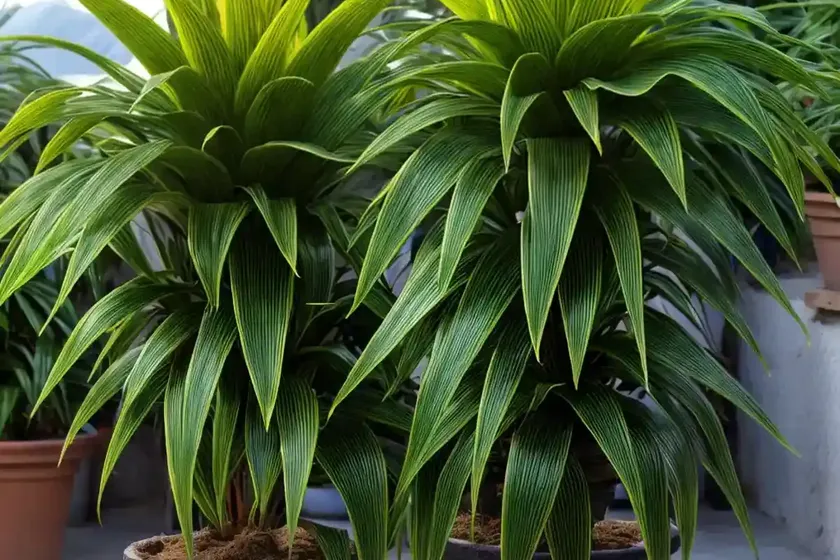
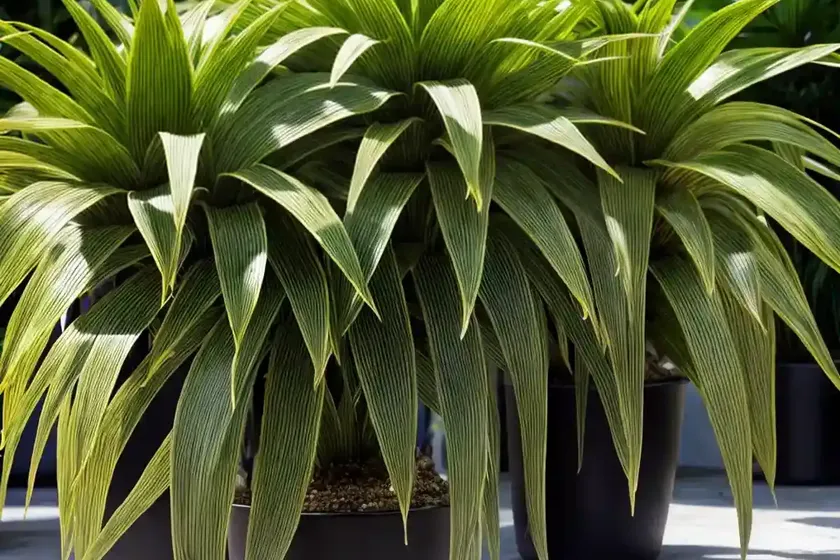
Plants are an integral part of our environment, offering numerous benefits ranging from aesthetic appeal and air purification to medicinal and ecological significance. Among the various plant species, Ionantha Guatemala (Ionantha guatemala) holds a special place due to its unique characteristics and versatility. In this comprehensive plant care guide, we will explore the various aspects of Ionantha Guatemala, including its cultural significance, uses, care requirements, common diseases, and much more!
What is Ionantha Guatemala (Ionantha guatemala)?
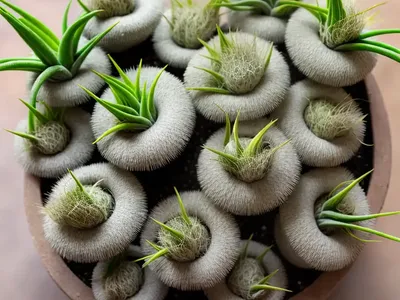
Ionantha Guatemala, scientifically known as Tillandsia Ionantha Guatemala, is a species of air plant belonging to the Bromeliaceae family. Native to Central America, particularly Guatemala and southern Mexico, this fascinating plant is an epiphyte, meaning it grows without the need for soil. Instead, it absorbs moisture and nutrients through its specialized leaves, making it a low-maintenance and versatile addition to any indoor or outdoor space.
Key Takeaways
To provide a quick overview, let’s highlight some key takeaways about Ionantha Guatemala before delving into its detailed care requirements:
- Plant Name: Ionantha Guatemala (Ionantha guatemala)
- Species: Tillandsia Ionantha Guatemala
- Family: Bromeliaceae
- Native Habitat: Central America – Guatemala, southern Mexico
- Plant Type: Epiphytic air plant
- Unique Feature: Grows without soil, absorbs moisture and nutrients through specialized leaves
Now that we have an introductory understanding of Ionantha Guatemala, let’s explore its various aspects to ensure optimal care and appreciation of this remarkable plant.
Culture
Understanding the cultural significance and historical uses of Ionantha Guatemala can provide valuable insights into its traditional importance and relevance in various practices.
Uses
-
Traditional: In its native regions, Ionantha Guatemala has been used in traditional practices, rituals, and ceremonies. Its unique appearance and symbolic value have made it a popular choice for cultural events and spiritual ceremonies.
-
Decorative: Due to its visually captivating appearance and adaptability, Ionantha Guatemala has gained popularity as a decorative plant in homes, offices, and event settings. Its ability to thrive without soil makes it an attractive and hassle-free addition to any space.
Water
One of the distinctive traits of Ionantha Guatemala is its water-absorbing capability, which allows it to thrive without the need for traditional watering methods. However, proper moisture levels are still crucial for its health and growth.
-
Misting: Regular misting with water is essential to maintain adequate moisture levels for Ionantha Guatemala. Using a fine mist spray, ensure that the plant’s leaves receive sufficient moisture, especially in dry or arid environments.
-
Submersion: Periodic submersion in water is recommended to provide thorough hydration. Submerge the plant in room temperature water for approximately 20-30 minutes, allowing it to absorb moisture through its specialized trichomes.
Sunlight
Ionantha Guatemala exhibits a preference for certain light conditions, and understanding its sunlight requirements is essential for promoting healthy growth and vibrant coloring.
-
Indirect Light: Position the plant in locations with bright, indirect light for a significant portion of the day. While it can tolerate some direct sunlight, prolonged exposure to intense rays may cause leaf damage.
-
Artificial Lighting: In indoor settings, supplemental artificial lighting can be beneficial, especially during shorter daylight periods. LED grow lights or fluorescent lamps can provide the necessary light spectrum for Ionantha Guatemala’s photosynthetic needs.
Fertilizer
Unlike traditional potted plants, Ionantha Guatemala relies on alternative methods of nutrient absorption, necessitating a tailored approach to fertilization.
-
Tillandsia Fertilizer: Utilize specialized air plant or bromeliad fertilizers designed to cater to the unique nutritional requirements of Tillandsia species. These fertilizers are typically diluted and applied through misting to ensure proper absorption.
-
Frequency: Apply fertilizer at diluted strengths approximately once a month during the growing season, reducing frequency during dormant periods. Over-fertilization can lead to leaf burn and detrimental effects, so it’s crucial to follow recommended guidelines.
Soil
Contrary to conventional plants, Ionantha Guatemala does not grow in soil and instead attaches itself to various substrates in its natural habitat. Understanding its preferred attachment methods is crucial for its well-being.
-
Mounting: Secure the plant to a porous substrate such as driftwood, cork bark, or decorative stones using non-toxic adhesives, wires, or specialized plant mounts. This mimics its natural growth habits and allows for efficient air circulation around the plant.
-
Aeration: Ensuring adequate aeration around the plant’s base is essential for preventing rot and fungal issues. Avoid fully enclosing the plant in non-breathable materials, opting for open or porous structures instead.
Pruning
As an air plant, Ionantha Guatemala does not require traditional pruning in the same manner as leafy or flowering plants. However, periodic maintenance is beneficial for its overall health and appearance.
-
Dead Leaf Removal: Gently remove dried or dead leaves from the plant by carefully pulling them downward. This promotes air circulation and prevents potential fungal growth.
-
Pup Separation: Over time, Ionantha Guatemala may produce offsets or “pups” around its base. These can be gently separated from the parent plant once they reach a substantial size, allowing them to develop independently.
Propagation
Understanding the propagation methods for Ionantha Guatemala is valuable for expanding your air plant collection and sharing its beauty with others.
-
Pup Division: As mentioned earlier, the offsets or pups produced by the parent plant can be separated once they have reached a reasonable size. Ensure that each pup has its root system or “pup-let” before detachment.
-
Seed Propagation: While less common and more time-consuming, Ionantha Guatemala can be propagated from seeds. This method, however, requires specific conditions and patience due to the plant’s unique growth habits.
Container
As an epiphytic plant, Ionantha Guatemala does not require traditional pots or containers. However, understanding suitable display options is crucial for its health and aesthetic appeal.
-
Glass Containers: Displaying Ionantha Guatemala in transparent glass containers or terrariums allows for optimal visibility and appreciation of its unique growth habits. Ensure that the container has good airflow and drainage to prevent moisture buildup.
-
Decorative Mounts: Incorporating the plant into decorative mounts such as driftwood, seashells, or decorative stones offers an artistic and naturalistic display option. Secure the plant firmly while allowing for air circulation around its base.
Popularity
The unique characteristics and low-maintenance nature of Ionantha Guatemala have contributed to its popularity among plant enthusiasts, decorators, and collectors. Its ability to thrive in diverse environments and its captivating aesthetic appeal have made it a sought-after addition to various settings.
Common Diseases
While generally resilient, Ionantha Guatemala can face certain health issues, necessitating prompt identification and intervention.
Disease Diagnosis
-
Rot Conditions: Excessive moisture and poor airflow can lead to rot, especially around the plant’s base. Symptoms include browning, mushy tissue, and unpleasant odors. Address rot promptly by adjusting your watering and aeration practices.
-
Fungal Infections: In humid or stagnant conditions, fungal issues such as powdery mildew or leaf spot can afflict the plant. Provide proper airflow and avoid water accumulation on the leaves to mitigate fungal problems.
Common Pests
Despite its resilient nature, Ionantha Guatemala may encounter pests that can impact its health and appearance.
-
Spider Mites: In dry or arid environments, spider mites can pose a threat to Ionantha Guatemala, leading to webbing and stippling on the plant’s leaves. Regular misting and maintaining appropriate humidity levels can deter spider mite infestations.
-
Mealybugs: These small, white insects can cluster at the base of the plant’s leaves, damaging its overall appearance. A cotton swab dipped in rubbing alcohol can be used to gently remove mealybugs while minimizing harm to the plant.
Botanist’s Tips
To enhance your care practices and appreciation for Ionantha Guatemala, consider these insightful tips from botanists and plant experts:
-
Air Circulation: Ensure proper air circulation around the plant to prevent moisture-related issues and promote overall health.
-
Observation: Regularly observe your Ionantha Guatemala to detect any changes in its appearance, signaling potential health concerns or growth patterns.
-
Room Climate: Consider the climate and environmental conditions of your space when determining the plant’s placement and care routine.
Fun Facts
Delving into the fascinating realm of Ionantha Guatemala brings forth intriguing and captivating facts that enrich our understanding and admiration for this distinctive plant:
-
Flower Spikes: During its blooming period, Ionantha Guatemala produces vibrant and often fragrant flower spikes, adding a delightful sensory experience to its visual appeal.
-
Adaptive Nature: As an epiphytic air plant, Ionantha Guatemala has evolved unique adaptations to thrive in various environments, making it a resilient and versatile species.
Links to External Resources
Expanding your knowledge and understanding of Ionantha Guatemala can be further enriched by exploring reliable external resources and expert insights:
-
The Air Plant Hub – A comprehensive resource for air plant enthusiasts, featuring care guides, product offerings, and community discussions.
-
Bromeliad Society International – An organization dedicated to the conservation and promotion of bromeliad species, offering valuable resources and publications on Tillandsia plants.
As we conclude this comprehensive plant care guide for Ionantha Guatemala, it is evident that this remarkable species holds immense value and potential for both ornamental and cultural significance. By embracing its unique growth habits and honoring its traditional uses, we can cultivate a deeper appreciation for the fascinating world of air plants and their diverse roles in our lives. Whether adorning our living spaces with natural charm or integrating them into spiritual and ceremonial practices, Ionantha Guatemala enriches our connection with the natural world and the plant kingdom.
Let us continue to nurture and celebrate the wonders of Ionantha Guatemala, fostering a harmonious relationship between humanity and the captivating realm of botanical diversity.