Alocasia Baginda (Alocasia Baginda ‘Dragon Scales’)
Alocasia Baginda ‘Dragon Scales’ is an exotic and stunning plant known for its unique foliage and striking appearance. This tropical gem has gained immense.
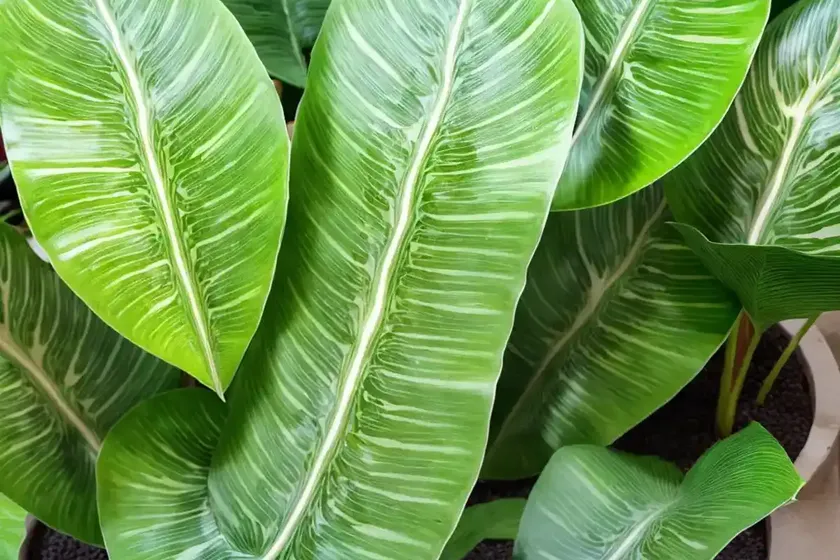
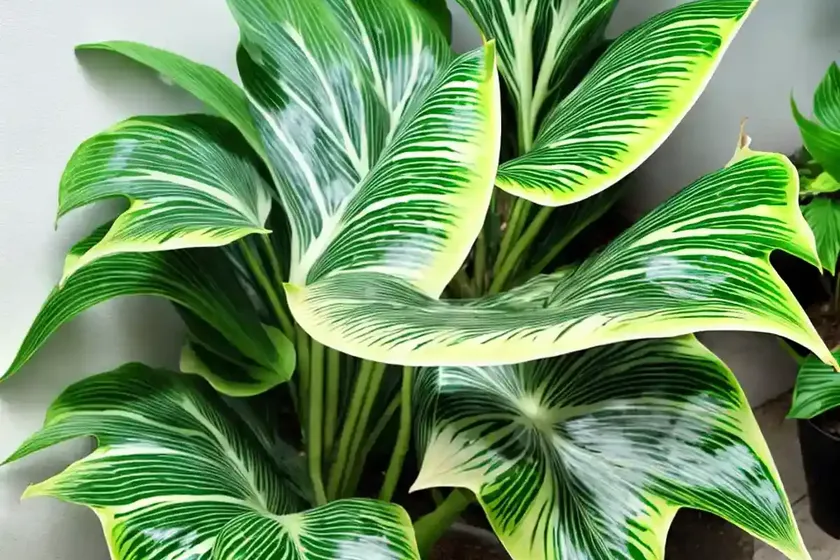
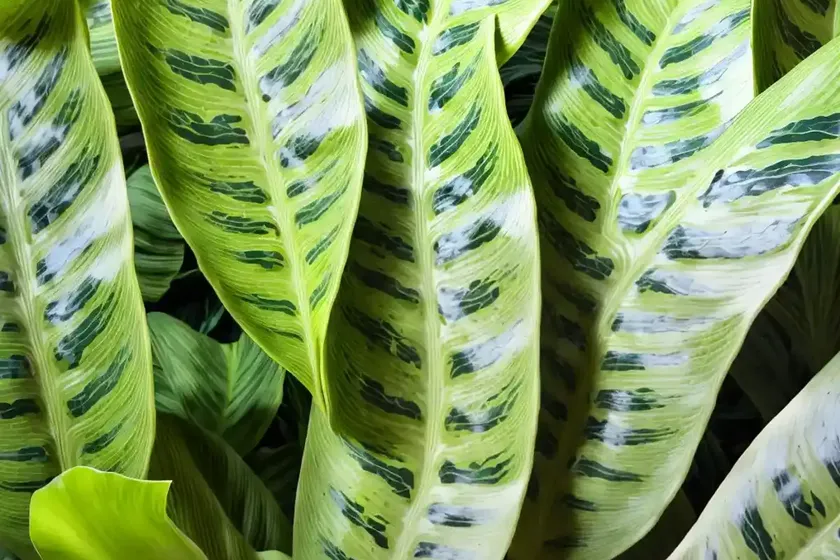
Alocasia Baginda ‘Dragon Scales’ is an exotic and stunning plant known for its unique foliage and striking appearance. This tropical gem has gained immense popularity among plant enthusiasts and interior decorators due to its mesmerizing leaves and impressive growth habits. In this comprehensive guide, we will delve into the captivating world of Alocasia Baginda ‘Dragon Scales’, exploring its care requirements, propagation techniques, common issues, and much more. Whether you are a seasoned plant parent or a beginner in the realm of gardening, this blog post will equip you with all the essential knowledge to nurture and appreciate this remarkable botanical wonder.
What Is Alocasia Baginda ‘Dragon Scales’?
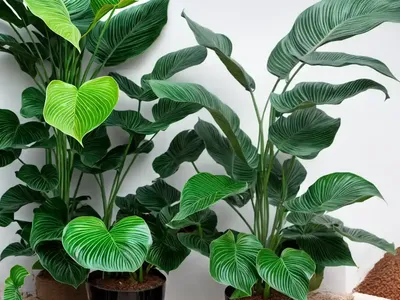
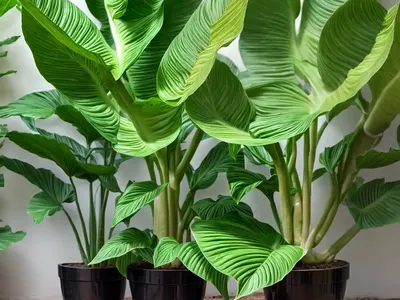
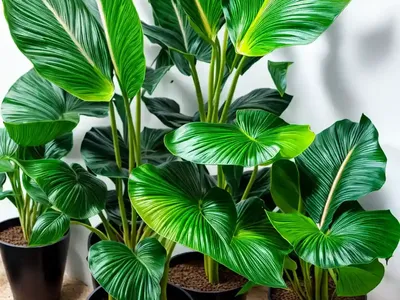
Alocasia Baginda ‘Dragon Scales’, also known as Alocasia Baginda, is a cultivar of the Alocasia species. It is revered for its unique foliage, which resembles the mesmerizing patterns and textures of dragon scales, hence its intriguing name. This plant is a member of the Araceae family, which encompasses a diverse array of aroids, including Alocasia, Anthurium, and Philodendron.
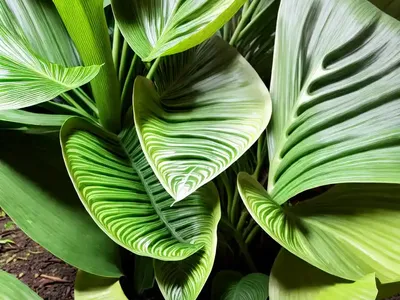
The striking visual appeal of Alocasia Baginda ‘Dragon Scales’ can be attributed to its intricately patterned leaves that display shades of green, purple, and silver, creating a captivating aesthetic. The distinct characteristics and growth habits of this plant have made it a sought-after choice for both indoor and outdoor settings, adding an element of elegance and tropical allure to any space.
Key Takeaways – Alocasia Baginda ‘Dragon Scales’
Before we immerse ourselves in the specifics of caring for Alocasia Baginda ‘Dragon Scales’, let’s take a glance at the key takeaways associated with this remarkable plant:
-
Unique Foliage: The distinguishing feature of Alocasia Baginda ‘Dragon Scales’ is its beautifully textured leaves that resemble the scales of a dragon, creating an enchanting visual impact.
-
Tropical Aesthetic: This plant brings a touch of the tropics to any environment, making it an ideal choice for individuals seeking to infuse their surroundings with a lush and exotic ambiance.
-
Interior Décor: Alocasia Baginda ‘Dragon Scales’ serves as an exquisite ornamental addition to indoor spaces, elevating the aesthetic appeal of homes, offices, and various indoor settings.
-
Cultural Significance: In addition to its ornamental value, Alocasia Baginda ‘Dragon Scales’ holds significance in various cultures and traditions, often symbolizing resilience and prosperity.
With these key takeaways in mind, let’s navigate through the essential aspects of caring for and appreciating the beauty of Alocasia Baginda ‘Dragon Scales’.
Culture
Uses
Alocasia Baginda ‘Dragon Scales’ serves a multitude of purposes owing to its aesthetic allure and cultural significance. Some of its primary uses include:
-
Ornamental Plant: The plant is primarily valued for its ornamental characteristics, enhancing the visual appeal of gardens, living spaces, and outdoor landscapes.
-
Symbolism: In certain cultures, Alocasia Baginda ‘Dragon Scales’ carries symbolic connotations related to protection, strength, and good fortune, making it a meaningful gift and decorative element.
-
Interior Décor: Its striking foliage and elegant growth habits position it as a preferred choice for interior designers and plant enthusiasts aiming to imbue indoor spaces with a tropical and sophisticated ambiance.
-
Educational Purposes: Alocasia Baginda ‘Dragon Scales’ also serves educational and botanical purposes, offering insights into the diverse world of aroids and their distinctive adaptations.
Water
Proper watering is crucial for the health and vitality of Alocasia Baginda ‘Dragon Scales’. As with many tropical plants, maintaining appropriate moisture levels is essential for its well-being. The following guidelines will assist in ensuring optimal watering practices for this captivating species:
-
Moderation: Alocasia Baginda ‘Dragon Scales’ thrives in slightly moist soil but is susceptible to root rot if overwatered. It is essential to strike a balance and avoid both waterlogged conditions and prolonged dryness.
-
Consistent Moisture: The plant appreciates consistently moist soil, especially during active growth periods. Regular monitoring of soil moisture and watering as needed is recommended to prevent dehydration.
-
Water Quality: Using quality water, free from excess salts and chemicals, is beneficial for Alocasia Baginda ‘Dragon Scales’. Consider utilizing distilled or filtered water to maintain optimal growing conditions.
-
Soil Drainage: Ensuring proper drainage in the plant’s pot or planting area is vital to prevent water accumulation, which can lead to root suffocation and subsequent health issues.
-
Hydration Frequency: During warmer months or periods of heightened growth, an increased watering frequency may be necessary. Conversely, reduced watering may be appropriate during the plant’s dormancy or resting phases.
By adhering to these watering principles, plant enthusiasts can foster thriving Alocasia Baginda ‘Dragon Scales’ specimens, supporting their overall vitality and visual appeal.
Sunlight
Appropriate sunlight exposure greatly influences the growth and aesthetics of Alocasia Baginda ‘Dragon Scales’. Understanding the plant’s sunlight requirements is fundamental for ensuring its well-being and optimizing its ornamental value. Consider the following recommendations when managing the sunlight exposure for this tropical beauty:
-
Indirect Light: Alocasia Baginda ‘Dragon Scales’ thrives in bright, indirect light, emulating its natural habitat beneath the forest canopy. This plant is well-suited for bright, well-lit spaces in homes, offices, or indoor environments, provided direct sunlight exposure is avoided.
-
Filtered Sunlight: Filtering direct sun rays through sheer curtains or by placing the plant near a north or east-facing window helps in providing the ideal light conditions. The plant benefits from a balance of sunlight and shade to prevent leaf scorching or sun damage.
-
Avoid Harsh Sun: Direct exposure to intense sunlight should be minimized, as it can cause leaf discoloration, wilting, or sunburn, compromising the plant’s overall health and aesthetic appeal.
-
Adaptation Period: When relocating the plant to a new environment, gradual acclimatization to the light conditions is advisable, allowing the plant to adjust and thrive in its new setting.
-
Seasonal Adjustments: Considering the shifting light patterns during different seasons, positioning the plant to receive suitable sunlight levels and adjusting its placement accordingly contributes to its long-term health.
By applying these sunlight guidelines, plant enthusiasts can create an optimal environment for their Alocasia Baginda ‘Dragon Scales’ to flourish, showcasing its captivating foliage and vibrant growth.
Fertilizer
The nutrient requirements of Alocasia Baginda ‘Dragon Scales’ play a pivotal role in its growth, leaf development, and overall vitality. A balanced and appropriate fertilization regimen is essential for promoting the plant’s ornamental value and sustaining its vigor. The following fertilizer-related recommendations offer valuable insights into nourishing and supporting the growth of this tropical delight:
-
Fertilizer Type: Utilize a well-balanced, water-soluble fertilizer formulated for tropical foliage plants, ensuring an even distribution of essential nutrients. Selecting a fertilizer with a balanced NPK ratio and additional micronutrients benefits the plant’s overall nutrition.
-
Application Frequency: During the plant’s active growing season, typically spring and summer, a bi-weekly or monthly fertilization schedule is beneficial. Reduced or no fertilization may be appropriate during the plant’s dormancy or resting phases.
-
Dilution and Strength: Dilute the fertilizer to half or quarter strength, as directed on the product label, to prevent the risk of root burn and excessive mineral accumulation in the soil.
-
Root Zone Application: Administer the fertilizer solution directly to the plant’s root zone, avoiding contact with the leaves to prevent foliage damage and discoloration.
-
Enhanced Formulations: Consider utilizing specialized fertilizers tailored to promote lush foliage, such as those containing increased levels of potassium, phosphorus, and micronutrients conducive to leaf development and coloration.
Soil
The choice of soil directly impacts the moisture retention, aeration, and nutrient availability for Alocasia Baginda ‘Dragon Scales’. Ensuring an appropriate and well-suited soil medium favorably influences the plant’s overall health and growth. The following soil-related guidelines provide valuable insights into optimizing the growing medium for this tropical gem:
-
Well-Draining Medium: Alocasia Baginda ‘Dragon Scales’ benefits from a well-draining, porous soil mixture that prevents excessive water retention and mitigates the risk of root rot. Incorporating components such as perlite, orchid bark, or coarse sand enhances the soil’s drainage capacity.
-
Organic Content: Select a soil mix enriched with organic matter, such as peat moss or compost, which contributes to moisture retention and supports the plant’s nutritional requirements.
-
Aeration and Fluffiness: A light and airy soil structure is conducive to the development of healthy root systems and supports optimal oxygen exchange. Avoid compacted or heavy soils that hinder aeration and impede root growth.
-
Acidic pH: A slightly acidic soil pH in the range of 5.5 to 6.5 is favorable for Alocasia Baginda ‘Dragon Scales’, creating an environment conducive to nutrient uptake and physiological processes.
-
Moisture Retention: While adequate drainage is essential, the soil should possess sufficient moisture retention capability to prevent rapid drying out, especially during the plant’s active growth periods.
By selecting and preparing an appropriate soil medium, plant enthusiasts can offer an optimal foundation for their Alocasia Baginda ‘Dragon Scales’, supporting its root health, nutrient uptake, and overall well-being.
Pruning
Pruning and maintenance practices are integral to managing the growth and appearance of Alocasia Baginda ‘Dragon Scales’, ensuring a tidy and visually appealing specimen. Proper pruning initiatives also aid in disease prevention and rejuvenating the plant’s aesthetic allure. The following pruning guidelines offer valuable insights into maintaining this tropical beauty:
-
Leaf Trimming: Periodically removing yellowing, damaged, or spent leaves promotes a tidy appearance and prevents the potential spread of diseases or pests. Use sanitized pruning shears to make clean cuts, minimizing damage to the remaining foliage.
-
Stem and Branch Trimming: Trimming overgrown or unruly stems or branches helps maintain the plant’s desired shape and size. Prune with precision to encourage bushier growth and enhance the plant’s overall aesthetic appeal.
-
Propagation: Pruning also serves as a means of obtaining cuttings for propagation, allowing plant enthusiasts to expand their Alocasia Baginda ‘Dragon Scales’ collection or share the plant’s beauty with others.
-
Sanitization: Ensuring that pruning tools are sanitized before use reduces the risk of introducing pathogens and contaminants to the plant, safeguarding its overall health.
By incorporating these prudent pruning practices, plant enthusiasts can effectively manage the growth and appearance of their Alocasia Baginda ‘Dragon Scales’, fostering a visually pleasing and well-maintained specimen.
Propagation
The propagation of Alocasia Baginda ‘Dragon Scales’ enables plant enthusiasts to expand their collection, share the plant with others, and perpetuate its ornamental legacy. Understanding and implementing suitable propagation techniques are essential for fostering healthy offspring and preserving the plant’s distinct characteristics. The following propagation methods offer valuable insights into reproducing this captivating species:
-
Division: Dividing the plant at the root level during repotting or as a standalone propagation initiative allows for the separation of offsets or rhizomes, which can be established as individual plants.
-
Rhizome Cuttings: Carefully selecting healthy rhizomes and sections of the plant’s underground stems for propagation facilitates the production of new plantlets, creating a means of expanding the plant’s presence.
-
Aerial Offsets: Alocasia Baginda ‘Dragon Scales’ may produce aerial offsets or bulbils on its stems, which can be carefully detached and propagated to foster new plants.
-
Optimal Conditions: Creating a supportive environment for the propagation process, including adequate humidity, warmth, and bright, indirect light, facilitates the successful establishment of new plantlings.
-
Rooting Medium: Providing a suitable rooting medium, such as a well-draining mix of perlite and peat moss, with consistent moisture levels accelerates the root development of propagated plantlets.
By embracing these propagation techniques, plant enthusiasts can perpetuate the presence of Alocasia Baginda ‘Dragon Scales’, celebrating its unique beauty and sharing its ornamental charm with fellow enthusiasts.
Container Popularity
The popularity of Alocasia Baginda ‘Dragon Scales’ as a container plant is attributed to its manageable size, striking aesthetics, and adaptability to indoor environments. The plant’s ornamental appeal and cultural significance make it a favored choice for container gardening enthusiasts and individuals aiming to infuse their living spaces with tropical elegance. Leveraging the plant’s popularity as a container specimen offers numerous benefits and opportunities for showcasing its beauty, such as:
-
Indoor Décor: Alocasia Baginda ‘Dragon Scales’ serves as a captivating interior décor element, adorning tables, shelves, and plant stands with its enchanting foliage and elegant presence.
-
Space Efficiency: The compact size of Alocasia Baginda ‘Dragon Scales’ makes it ideal for urban gardening, small apartments, or limited living spaces, offering a tropical touch without overwhelming spatial constraints.
-
Versatile Placement: Its container-friendly nature allows enthusiasts to position the plant strategically, adapting to light conditions and room aesthetics to optimize its visual impact.
-
Seasonal Flexibility: Container-grown Alocasia Baginda ‘Dragon Scales’ can be easily relocated outdoors during favorable weather conditions, offering the plant an expanded environment for growth and thriving.
By capitalizing on the popularity of Alocasia Baginda ‘Dragon Scales’ as a container plant, gardening enthusiasts can enjoy its ornamental allure, harness its versatility, and create thriving indoor and outdoor displays.
Common Diseases
Despite its resilience, Alocasia Baginda ‘Dragon Scales’ may be susceptible to certain diseases and physiological issues that can impact its vitality and ornamental value. Understanding the common diseases and associated symptoms equips plant enthusiasts to promptly diagnose and address these challenges, safeguarding the plant’s health. Exploring the following common diseases and their manifestations offers valuable insights into managing the well-being of Alocasia Baginda ‘Dragon Scales’:
-
Leaf Spot: Characterized by the presence of dark, water-soaked spots or lesions on the plant’s foliage, leaf spot diseases can arise from fungal or bacterial pathogens. Maintaining proper air circulation and avoiding overwatering minimizes the risk of leaf spot development.
-
Root Rot: Excessive soil moisture or poor drainage can lead to root rot, causing the plant’s roots to become mushy, discolored, and non-functional. Mitigating overwatering and ensuring well-draining soil conditions are essential for preventing this debilitating disease.
-
Powdery Mildew: The appearance of whitish, powdery patches on the plant’s leaves may indicate a powdery mildew infestation, typically stemming from high humidity and poor air circulation. Modifying the plant’s environment to improve airflow and reduce humidity levels discourages powdery mildew development.
-
Bacterial Blight: This disease is characterized by slimy, water-soaked lesions on the foliage, often leading to yellowing, wilting, and decline. Implementing proper watering practices and maintaining clean foliage helps prevent the spread of bacterial blight.
-
Viral Infections: Viral diseases in Alocasia Baginda ‘Dragon Scales’ can manifest as mottling, leaf distortion, and stunted growth. Minimizing the introduction of infected plant material and practicing stringent sanitation protocols reduce the risk of viral infections.
By recognizing these common diseases and prioritizing preventive measures, plant enthusiasts can uphold the health and vigor of their Alocasia Baginda ‘Dragon Scales’, preserving its visual appeal and botanical significance.
Disease Diagnosis
Diagnosing diseases in Alocasia Baginda ‘Dragon Scales’ involves attentive observation, thorough assessment, and proactive intervention to address potential health issues. By observing the plant’s symptoms and manifestations, individuals can accurately diagnose and respond to diseases, ensuring the plant’s long-term well-being. The following diagnostic considerations aid in identifying and addressing diseases in this tropical beauty:
-
Symptom Recognition: Pay close attention to leaf discolorations, lesions, wilting, or unusual growth patterns, as these indicators can signal underlying diseases or physiological abnormalities.
-
Environmental Assessment: Evaluate the plant’s growing conditions, including light exposure, moisture levels, and temperature, to identify potential stressors or imbalances contributing to disease development.
-
Pathogen Research: Familiarize yourself with the common pathogens affecting Alocasia Baginda ‘Dragon Scales’, such as fungi, bacteria, and viruses, to recognize their specific signs and symptoms.
-
Professional Consultation: Seeking guidance from horticulturists, plant pathologists, or experienced gardeners can provide valuable insights into disease diagnosis and management, offering tailored solutions for the plant’s health challenges.
-
Isolation and Quarantine: If a disease is suspected, promptly isolate the affected plant from other specimens to prevent potential spread and conduct a thorough investigation of its health.
Implementing these disease diagnosis practices empowers plant enthusiasts to address health issues proactively, preserving the vitality and ornamental value of their Alocasia Baginda ‘Dragon Scales’.
Common Pests
Alocasia Baginda ‘Dragon Scales’ may attract certain pests that can compromise its health and aesthetic appeal, necessitating vigilant monitoring and intervention to mitigate potential infestations. Recognizing common pests and embracing proactive control measures are essential for preserving the plant’s vitality and preventing pest-related damage. Exploring the following common pests and their management strategies offers valuable insights into safeguarding the well-being of this tropical gem:
-
Spider Mites: These tiny arachnids can infest Alocasia Baginda ‘Dragon Scales’, causing stippling, webbing, and overall decline. Regularly inspecting the plant’s foliage and administering appropriate miticides helps control spider mite populations.
-
Mealybugs: Mealybug infestations manifest as cottony masses on the plant’s leaves and stems, often leading to stunted growth and reduced vigor. Applying horticultural oil or insecticidal soap effectively targets and eradicates mealybug populations.
-
Aphids: Aphids may target Alocasia Baginda ‘Dragon Scales’, inducing curling of leaves, honeydew excretion, and general plant stress. Using natural predators, such as ladybugs, or deploying insecticidal treatments mitigates aphid infestations.
-
Scale Insects: The presence of armored or soft scale insects can impede the growth of Alocasia Baginda ‘Dragon Scales’, necessitating the application of horticultural oil or neem oil to combat and eliminate scale populations.
-
Thrips: Thrips cause stippling, discoloration, and deformation of the plant’s leaves, posing a threat to its overall health. Utilizing insecticidal treatments and maintaining optimal environmental conditions counteracts thrips infestations.
By proactively identifying and addressing common pest issues, plant enthusiasts can protect their Alocasia Baginda ‘Dragon Scales’ from pest-related damage, promoting its flourishing and sustaining its breathtaking aesthetic appeal.
Botanist’s Tips
Unveiling the captivating allure of Alocasia Baginda ‘Dragon Scales’ and nurturing its optimum growth involves embracing a botanical mindset and leveraging expert insights. Botanist-endorsed tips offer valuable recommendations for fostering healthy, thriving specimens of this tropical beauty, enabling enthusiasts to elevate their care practices and appreciation