Brazilian-tea (Stachytarpheta Jamaicensis)
Plants are fascinating creatures that add beauty to our surroundings and offer a plethora of benefits. One such remarkable plant is the Brazilian-tea.
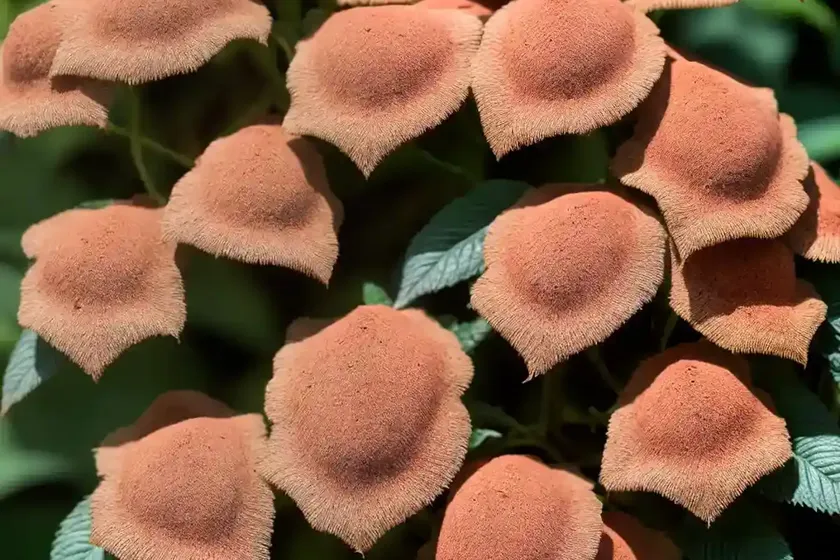
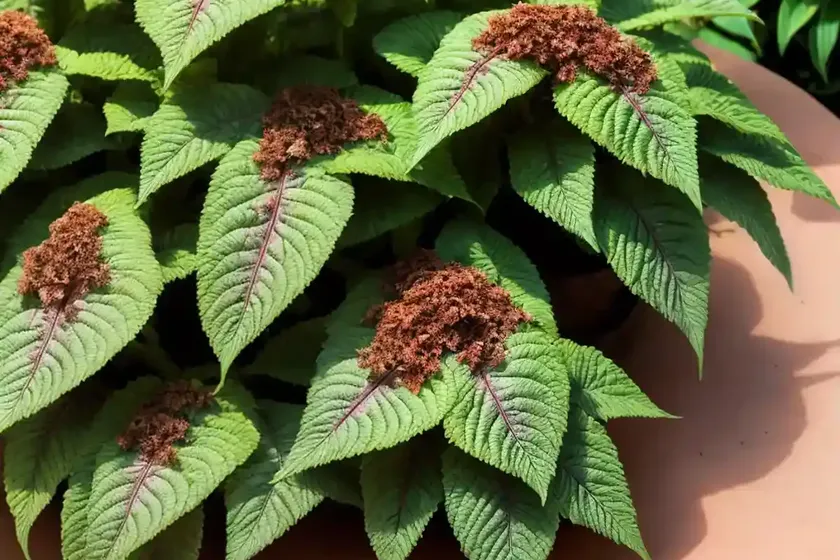
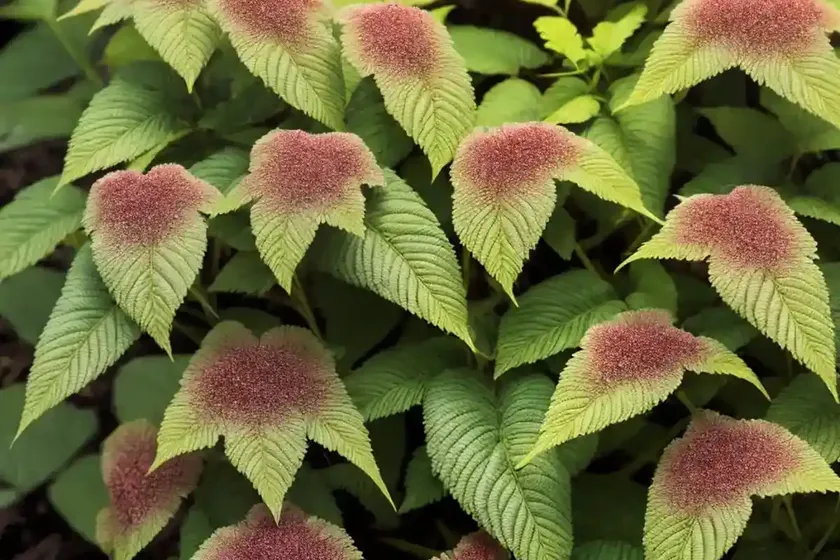
Introduction
Plants are fascinating creatures that add beauty to our surroundings and offer a plethora of benefits. One such remarkable plant is the Brazilian-tea, scientifically known as Stachytarpheta Jamaicensis. This plant holds many cultural, medicinal, and aesthetic values, making it a popular choice amongst plant enthusiasts. In this comprehensive guide, we will delve into the various aspects of Brazilian-tea, ranging from its cultural significance to its propagation methods, and everything in between.
What is Brazilian-tea (Stachytarpheta Jamaicensis)?
Brazilian-tea, or Stachytarpheta Jamaicensis, is a flowering plant species known for its vibrant purple flowers and rich cultural and medicinal uses. It belongs to the verbena family (Verbenaceae) and is native to tropical and subtropical regions of the Americas. The plant is renowned for its hardiness and adaptability, thriving in a variety of environmental conditions.
Key Takeaways
Before we delve into the specifics of Brazilian-tea care, let’s outline some key takeaways that we will cover in detail:
- Culture
- Uses
- Water
- Sunlight
- Fertilizer
- Soil
- Pruning
- Propagation
- Container Popularity
- Container Common Diseases
- Disease Diagnosis
- Common Pests
- Botanist’s Tips
- Fun Facts
- Links to External Resources
Now, let’s explore these aspects in detail.
Culture
The cultural significance of Brazilian-tea extends beyond its ornamental value. It has been used in traditional medicine and rituals in various cultures, owing to its abundant medicinal properties. Additionally, the plant’s vibrant flowers make it a popular choice for ornamental decoration in gardens and landscapes.
Uses
Medicinal Uses: Brazilian-tea has a long history of medicinal use in traditional practices. It is believed to possess anti-inflammatory, antimicrobial, and analgesic properties, making it a valuable herbal remedy for various ailments. Its leaves and roots are often used to make herbal infusions and decoctions for therapeutic purposes.
Ornamental Uses: With its striking purple flowers and lush green foliage, Brazilian-tea is a favorite among gardeners and landscapers. It adds vibrant color and visual interest to gardens, making it a sought-after ornamental plant.
Water
Proper watering is essential for the health and growth of Brazilian-tea plants. They thrive in moist but well-draining soil. It is important to water the plant regularly, especially during the initial stages of growth and flowering. However, it is equally important to avoid waterlogging, as excessive moisture can lead to root rot.
Sunlight
Brazilian-tea plants thrive in full sunlight to partial shade. Adequate sunlight is crucial for promoting healthy growth and abundant flowering. When grown indoors, place the plant in a location that receives bright, indirect sunlight for several hours a day.
Fertilizer
A balanced, all-purpose fertilizer can be applied to Brazilian-tea plants during the growing season to promote healthy growth and flowering. It is recommended to use a slow-release fertilizer or a diluted liquid fertilizer according to the manufacturer’s instructions. Avoid over-fertilization, as it can lead to excessive vegetative growth at the expense of flowering.
Soil
The ideal soil for Brazilian-tea should be well-draining, loamy, and rich in organic matter. A slightly acidic to neutral pH is preferred. If the soil is heavy and poorly draining, amending it with organic matter such as compost or peat moss can improve its texture and drainage.
Pruning
Regular pruning is beneficial for Brazilian-tea plants to maintain their shape, promote bushier growth, and encourage continuous flowering. Pruning should be done in early spring, removing dead or damaged branches and spent flowers. This practice helps rejuvenate the plant and keep it looking tidy and healthy.
Propagation
Brazilian-tea can be propagated by seeds or stem cuttings. Softwood cuttings taken in spring or early summer usually root quickly in a well-draining rooting medium. Seeds can be sown directly in the garden or started indoors and transplanted once the seedlings are established.
Container Popularity
Growing Brazilian-tea in containers is a popular choice for many gardeners, especially those with limited outdoor space. The plant’s compact size and vibrant flowers make it a delightful addition to container gardens, balconies, and patios.
Common Diseases
As with any plant, Brazilian-tea is susceptible to certain diseases and pests. Common diseases that may affect Brazilian-tea include leaf spot, powdery mildew, and root rot. Proper cultural practices and proactive monitoring can help prevent these issues.
Disease Diagnosis
Diagnosing plant diseases can be challenging, as different pathogens manifest in similar symptoms. It is important to closely inspect the plant for signs of disease, including discolored or spotted leaves, stunted growth, and wilting. If disease is suspected, it is advisable to consult with a plant health specialist for accurate diagnosis and treatment recommendations.
Common Pests
Brazilian-tea plants may attract pests such as aphids, spider mites, and whiteflies. Regularly inspecting the plant for signs of pest infestation and implementing appropriate pest management strategies, such as neem oil or insecticidal soap, can help keep the pests at bay.
Botanist’s Tips
- Temperature: Brazilian-tea plants thrive in warm temperatures and are sensitive to frost. Protect them from cold drafts and provide adequate warmth, especially during the winter months.
- Mulching: Applying a layer of organic mulch around the base of the plant can help conserve soil moisture, suppress weed growth, and provide insulation during temperature fluctuations.
- Companion Plants: Consider planting Brazilian-tea alongside other flowering companions, such as salvias, marigolds, and lantanas, to create a vibrant and visually appealing garden bed.
Fun Facts
- Brazilian-tea is also known by various common names, including Blue Snakeweed and Jamaica Vervain.
- It has been traditionally used as a natural dye for coloring fabrics in some cultures.
- The plant’s nectar-rich flowers attract pollinators, such as butterflies and hummingbirds, making it a valuable addition to pollinator gardens.
Links to External Resources
For further exploration of Brazilian-tea and related topics, the following external resources may be valuable:
- The Herbal Resource – Stachytarpheta Jamaicensis
- University of Florida IFAS Extension – Stachytarpheta Jamaicensis
- Missouri Botanical Garden – Stachytarpheta Jamaicensis
Conclusion
In conclusion, Brazilian-tea (Stachytarpheta Jamaicensis) is a versatile and enchanting plant that offers a myriad of cultural, medicinal, and aesthetic benefits. Understanding its care requirements, propagation methods, and potential challenges is essential for nurturing healthy and thriving Brazilian-tea plants. Whether grown for its medicinal properties, ornamental allure, or environmental contributions, Brazilian-tea continues to captivate plant enthusiasts and enrich diverse landscapes and gardens. With the right care and attention, Brazilian-tea can grace gardens with its dazzling display of purple flowers and enrich traditional herbal practices with its medicinal prowess.


