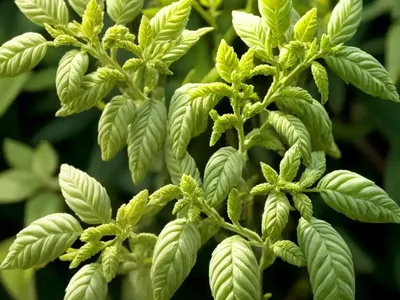
Aloysia Polystachya (Aloysia Polystachya)
Aloysia Polystachya, colloquially known as Aloysia or upright vervain, is a stunning and versatile plant that can bring both aesthetic and functional value.
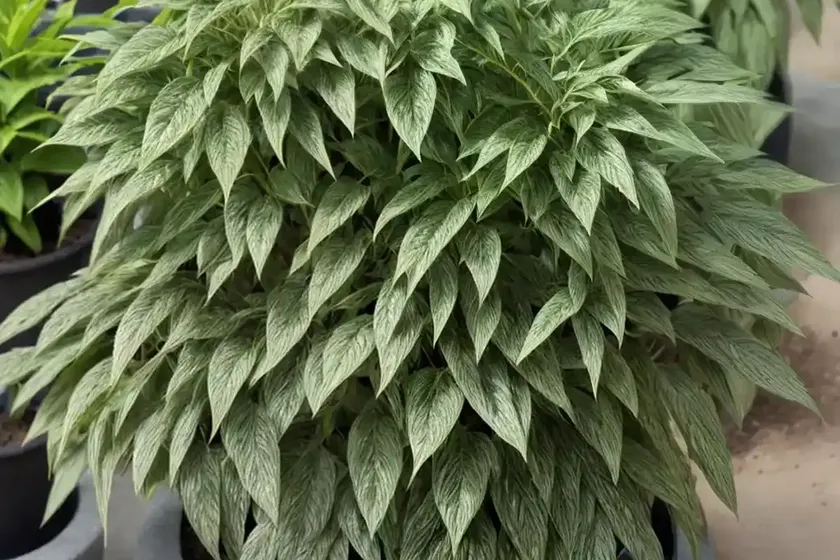
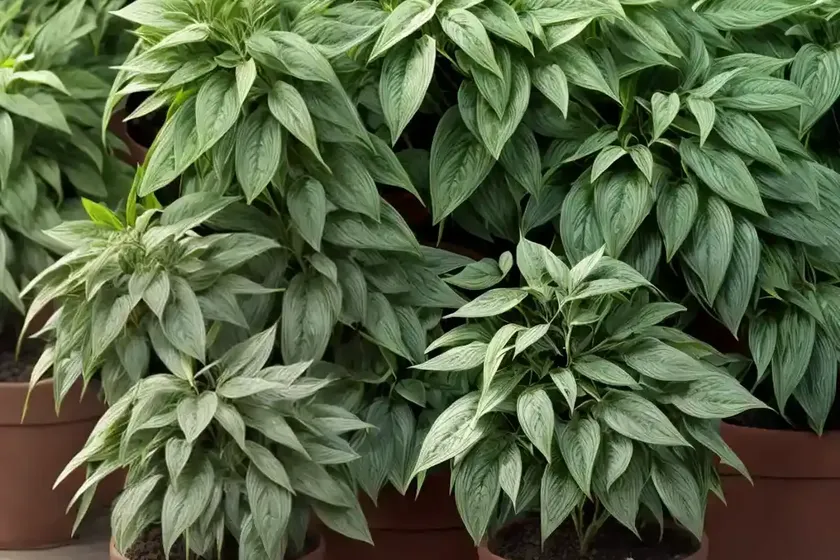
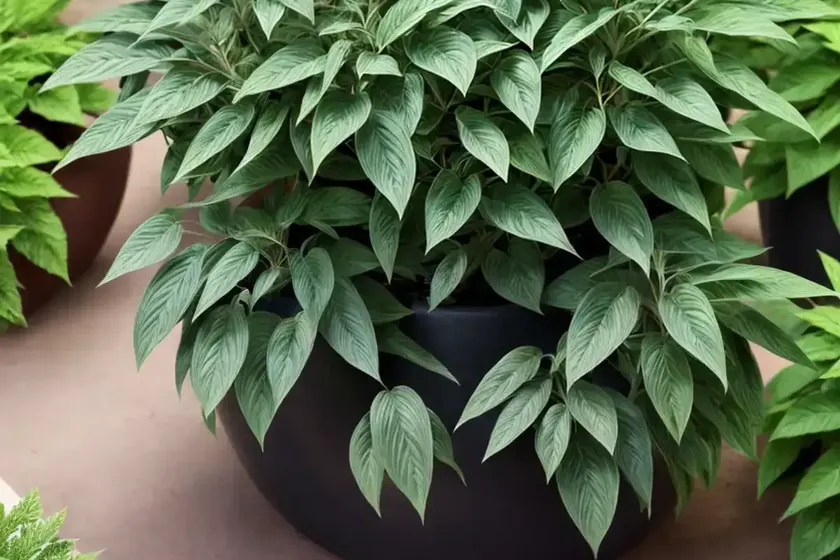
Aloysia Polystachya, colloquially known as Aloysia or upright vervain, is a stunning and versatile plant that can bring both aesthetic and functional value to any garden. This comprehensive guide will provide you with everything you need to know to successfully cultivate and care for Aloysia Polystachya, enabling you to harness its beauty and harness its various uses.
What is Aloysia Polystachya?
Aloysia Polystachya belongs to the Verbenaceae family and is native to southern Brazil, Uruguay, and northern Argentina. This deciduous shrub is particularly prized for its aromatic leaves, which emit a delightful lemon fragrance when crushed.
The plant boasts numerous small, white flowers that are tightly packed in cylindrical spikes, giving it a unique and visually appealing appearance. With its upright growth habit and attractive foliage, Aloysia Polystachya is a favorite among gardeners and plant enthusiasts globally.
Key Takeaways – Aloysia Polystachya
Before diving into the specifics of cultivating and maintaining Aloysia Polystachya, here are a few key takeaways to keep in mind:
- Scientific Name: Aloysia Polystachya
- Common Names: Aloysia, Upright Vervain
- Family: Verbenaceae
- Native Region: Southern Brazil, Uruguay, Northern Argentina
- Characteristics: Deciduous shrub with fragrant lemon-scented leaves and small, white flowers arranged in cylindrical spikes.
Now that we’ve established a basic understanding of Aloysia Polystachya, let’s delve into the intricacies of caring for this exceptional plant.
Culture
Uses
Aloysia Polystachya holds significance for various purposes, making it a valuable addition to any garden. Some of its most common uses include:
-
Aromatic Benefits: The leaves of Aloysia Polystachya contain essential oils that emit a delightful lemon scent, making them a popular choice for aromatherapy and perfumery.
-
Culinary Uses: The leaves can be used to infuse teas, imparting a refreshing citrus flavor, and can also be added to salads, desserts, and savory dishes.
-
Medicinal Properties: Aloysia Polystachya has been traditionally used to alleviate symptoms of anxiety, insomnia, and indigestion due to its calming and digestive properties.
-
Bee Attractor: The fragrant flowers of Aloysia Polystachya attract bees and other pollinators, making it a valuable addition to any pollinator garden.
Water
Aloysia Polystachya has moderate water requirements and should be watered regularly, especially during hot and dry periods. However, it is essential to avoid overwatering, as this can lead to root rot and other water-related issues.
Watering Tips:
– Water deeply and allow the soil to partially dry out between waterings.
– Be attentive to the plant’s water needs during the growing season and adjust your watering schedule accordingly.
Sunlight
When it comes to sunlight, Aloysia Polystachya thrives in full sun to partial shade. Providing ample sunlight is crucial for promoting healthy growth and robust flowering.
Sunlight Requirements:
– Plant in a location that receives at least 6 hours of sunlight daily.
– Ensure adequate air circulation around the plant to prevent diseases and encourage optimal growth.
Fertilizer
Applying a balanced fertilizer can support the growth and development of Aloysia Polystachya, especially when planted in nutrient-poor soils. Opt for a slow-release fertilizer to provide a steady supply of nutrients over an extended period.
Fertilization Tips:
– Apply fertilizer in early spring before the growing season begins.
– Avoid over-fertilization, as this can lead to excessive foliage growth at the expense of flower production.
Soil
Aloysia Polystachya thrives in well-draining, moderately fertile soil. It is adaptable to a range of soil types but performs best in loamy soil with a slightly acidic to neutral pH.
Soil Preparation:
– Ensure good drainage to prevent waterlogging and root rot.
– Incorporate organic matter such as compost or well-rotted manure to improve soil structure and fertility.
Pruning
Pruning plays a vital role in shaping and maintaining the health of Aloysia Polystachya. Regular pruning helps to control the plant’s size, stimulate new growth, and enhance its overall appearance.
Pruning Guidelines:
– Prune in late winter or early spring before new growth emerges.
– Remove any dead, damaged, or diseased branches to maintain plant health.
– Encourage bushy growth by selectively pruning to shape the plant as desired.
Propagation
Aloysia Polystachya can be propagated through various methods, including stem cuttings, division, and seed sowing. Each propagation technique offers its own unique set of benefits and considerations.
Propagation Methods:
– Stem Cuttings: Harvest semi-ripe cuttings in late spring or early summer and root them in a well-draining propagation medium.
– Division: Divide established clumps in early spring to create new plants and rejuvenate older specimens.
– Seed Sowing: Sow seeds in a seed-starting mix in early spring and provide optimal conditions for germination.
Container Popularity
Due to its compact growth habit and adaptability, Aloysia Polystachya is well-suited for container cultivation. It thrives in containers filled with well-draining potting mix and can be adorned with its fragrant foliage and flowers on patios, balconies, or within indoor spaces.
Common Diseases
Aloysia Polystachya is generally resilient to diseases, but there are a few common issues to be mindful of, including:
- Powdery Mildew: This fungal disease can occur in humid conditions, causing a powdery white coating on the leaves.
- Root Rot: Overwatering or poorly drained soil can lead to root rot, causing the plant to wilt and decline.
Disease Diagnosis
When diagnosing diseases in Aloysia Polystachya, it is essential to closely inspect the plant for any signs of unusual discoloration, distortion, or wilting. Early intervention and appropriate treatment can help mitigate the impact of diseases and prevent their spread.
Common Pests
While Aloysia Polystachya is relatively resistant to pests, it may occasionally encounter challenges from the following:
- Aphids: These small, sap-sucking insects can cause stunted growth and deformities in new growth.
- Spider Mites: Infestations by spider mites can result in stippled, discolored leaves and a weakened overall appearance.
Botanist’s Tips
As a plant scientist, here are some additional tips to maximize the success of growing Aloysia Polystachya:
- Companion Planting: Pair Aloysia Polystachya with other fragrant, pollinator-attracting plants such as lavender, salvia, and coneflowers.
- Seasonal Care: Monitor the plant’s water, sunlight, and nutrition needs throughout the changing seasons to provide optimal care.
- Garden Design: Incorporate Aloysia Polystachya into ornamental borders, herb gardens, or mixed perennial beds for a dynamic and sensory-rich landscape.
Fun Facts
- Aloysia Polystachya is revered for its role in traditional herbal medicine and is believed to possess a range of therapeutic properties, including its ability to alleviate stress and promote relaxation.
- The aromatic leaves of Aloysia Polystachya can be used to make a delightful herbal tea, providing a soothing and citrus-infused beverage.
- In addition to its horticultural and culinary uses, Aloysia Polystachya has been historically employed as a natural insect repellent due to its potent fragrance.
Links to External Resources
For further information on Aloysia Polystachya, consider exploring the following resources:
- Royal Horticultural Society – Aloysia Polystachya
- Missouri Botanical Garden – Aloysia Polystachya
- University of Florida IFAS Extension – Aloysia Polystachya
- North Carolina State University – Aloysia Polystachya Fact Sheet
In conclusion, Aloysia Polystachya stands as a captivating and multifaceted plant that boasts a rich tapestry of uses and benefits. By embracing the proper cultural practices and care guidelines outlined in this comprehensive growing guide, you can cultivate a thriving and aromatic display of Aloysia Polystachya in your own garden.
With its captivating fragrance, culinary potential, and ornamental charm, Aloysia Polystachya exemplifies the interwoven beauty and utility that hallmark exceptional plant species. Whether you seek to harness its aromatic leaves for herbal teas, attract pollinators to your garden, or simply revel in the joy of its visual allure, Aloysia Polystachya undoubtedly offers a wealth of opportunities for botanical appreciation and practical application.
As you embark on your journey of growing and nurturing Aloysia Polystachya, may this comprehensive guide serve as a guiding beacon, empowering you to unlock the full potential of this remarkable plant and reap the bountiful rewards it has to offer.