The Enigmatic Brahma Kamal (Saussurea Obvallata): A Fascinating Journey into the World of a Himalayan Beauty
What is Plant “Brahma Kamal” (Saussurea Obvallata)?
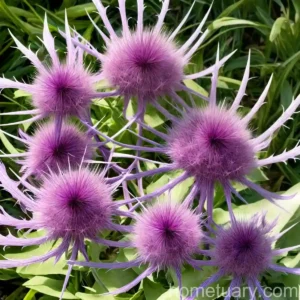
Brahma Kamal, scientifically known as Saussurea Obvallata, is an enchanting and revered flower native to the Himalayan region. This rare and mystical plant has garnered significant attention due to its cultural, medicinal, and ecological significance. Often referred to as the “Queen of Himalayan Flowers,” the Brahma Kamal holds a special place in the folklore and traditions of the region, making it a subject of fascination for botanists, horticulturists, and nature enthusiasts.
Key Takeaways – Brahma Kamal (Saussurea Obvallata)
Let’s delve deeper into the captivating world of Brahma Kamal to explore its growing conditions, cultural significance, medicinal uses, and much more. Throughout this comprehensive guide, we will uncover the intrinsic details of this extraordinary plant, offering insights into its care, symbolism, and ecological aspects.
Culture
The Brahma Kamal plant holds immense cultural and religious significance in the Himalayan region, especially in Hinduism and Buddhism. It is widely revered as a sacred flower and is often associated with various myths and legends. The flower is named after Lord Brahma, the creator in Hindu mythology, further accentuating its cultural symbolism.
Uses
Brahma Kamal is valued for its aesthetic appeal and spiritual symbolism, making it an integral part of religious ceremonies, traditional practices, and cultural festivities in the Himalayan region. It is often used in offerings, decorations, and as a symbol of purity and auspiciousness.
Growing Conditions
To ensure the successful cultivation of Brahma Kamal, it is essential to understand its specific growing requirements, including water, sunlight, fertilizer, soil, and pruning techniques. Let’s explore these essential factors in detail:
Water
Brahma Kamal thrives in well-drained and moist soil. However, it is crucial to avoid overwatering, as excessive moisture can lead to root rot. Maintaining moderate soil moisture levels is essential for the healthy growth of this exquisite plant.
Sunlight
In its natural habitat, Brahma Kamal is accustomed to partial to full sunlight, making it important to provide adequate light conditions for its cultivation. The plant typically flourishes in regions with abundant sunlight, although it can also thrive in partial shade.
Fertilizer
When cultivating Brahma Kamal, it is advisable to use a balanced, all-purpose fertilizer to promote healthy growth and prolific blooming. Application of fertilizer during the plant’s active growth phases can significantly enhance its overall vitality and flowering potential.
Soil
Well-draining, loamy soil with a slightly acidic to neutral pH is ideal for cultivating Brahma Kamal. The soil should be rich in organic matter and should provide optimal aeration to support the plant’s root development and nutrient uptake.
Pruning
Pruning is a crucial aspect of Brahma Kamal care, as it helps maintain the plant’s shape, promote branching, and remove any damaged or diseased parts. Regular pruning can stimulate new growth and contribute to the overall vigor and aesthetics of the plant.
Propagation
Understanding the propagation methods for Brahma Kamal is essential for expanding its cultivation and preserving its genetic diversity. The following methods are commonly employed for propagating this revered plant:
-
Seed Propagation: Growing Brahma Kamal from seeds requires careful handling and specific germination conditions. It is important to provide the seeds with adequate moisture, warmth, and light to facilitate successful germination.
-
Division: Dividing the plant’s rhizomes is an effective method for multiplying Brahma Kamal. This technique involves separating the rhizomes and replanting them to establish new plants, thereby contributing to the plant’s propagation and conservation efforts.
Container Popularity
In recent years, the cultivation of Brahma Kamal in containers has gained popularity among gardening enthusiasts. Growing Brahma Kamal in containers allows for greater control over its growing conditions and provides an opportunity to appreciate its unparalleled beauty up close.
Common Diseases
While Brahma Kamal is resilient to many diseases, it is important to be aware of potential threats to its health and implement preventive measures to ensure its well-being. Common diseases that may affect Brahma Kamal include:
-
Powdery Mildew: This fungal disease can manifest as a powdery white coating on the plant’s leaves and stems, leading to reduced photosynthetic activity and overall decline in plant health.
-
Leaf Spot: Leaf spot diseases, caused by various fungal pathogens, can result in the formation of dark, necrotic spots on the plant’s foliage, potentially impacting its vitality and aesthetic appeal.
Disease Diagnosis
Prompt and accurate diagnosis of plant diseases is essential for implementing effective treatment measures and safeguarding the health of Brahma Kamal. Analyzing the symptoms and understanding the underlying causes of diseases can facilitate targeted disease management strategies.
Common Pests
Maintaining vigilance against potential pest infestations is crucial for protecting Brahma Kamal from damage and ensuring its continuous growth and blooming. Common pests that may pose a threat to Brahma Kamal include:
-
Aphids: These small, sap-sucking insects can weaken the plant by draining its vital fluids, leading to stunted growth and distorted leaves.
-
Spider Mites: Infestations of spider mites can result in visible webbing on the plant, along with yellowing and stippling of the foliage, ultimately affecting the plant’s overall health.
Botanist’s Tips
As a plant scientist, I offer the following tips for cultivating and caring for Brahma Kamal:
-
Consistent Monitoring: Regularly monitor the plant for any signs of stress, disease, or pest infestations, and take timely action to address any issues that may arise.
-
Optimal Growing Conditions: Ensure that the plant receives the right balance of water, sunlight, and nutrients to support its growth and blooming. Maintaining ideal growing conditions is essential for the plant’s overall well-being.
-
Cultural Significance: Recognize and appreciate the cultural and spiritual significance of Brahma Kamal, and consider incorporating its symbolism and folklore into your interactions with the plant.
Fun Facts
The world of Brahma Kamal is filled with intriguing and captivating details, including its folklore, adaptations, and ecological relationships. Here are some fascinating fun facts about this remarkable Himalayan flower:
-
Cultural Symbolism: In Hinduism, Brahma Kamal is revered as a symbol of purity, and its blossoming is considered highly auspicious, often associated with divine blessings and spiritual significance.
-
Ecological Adaptations: Brahma Kamal has evolved various adaptations to thrive in its high-altitude habitat, including resistance to extreme temperatures and the ability to withstand rugged, mountainous terrain.
Links to External Resources
To further expand your knowledge and appreciation for Brahma Kamal, I recommend exploring the following external resources:
- The Cultural Significance of Brahma Kamal
- Medicinal Properties of Saussurea Obvallata
- Conservation Efforts for Himalayan Flora
Conclusion
The Brahma Kamal (Saussurea Obvallata) stands as a testament to the fascinating intersection of culture, ecology, and horticulture. Its alluring beauty, cultural symbolism, and medicinal significance make it a plant of profound importance, instilling a sense of wonder and reverence in all those who encounter it. By nurturing an understanding of its growing conditions, cultural symbolism, and ecological adaptations, we can foster a deeper appreciation for this enchanting Himalayan marvel and contribute to its conservation and preservation for generations to come.
I hope this journey into the world of Brahma Kamal has piqued your curiosity and kindled an enduring fascination for this extraordinary Himalayan flower.