Banksia (Banksias)
Banksias, commonly known as Banksia, are a genus of around 170 plant species in the family Proteaceae. These unique and fascinating plants are native to.
Introduction to Banksia
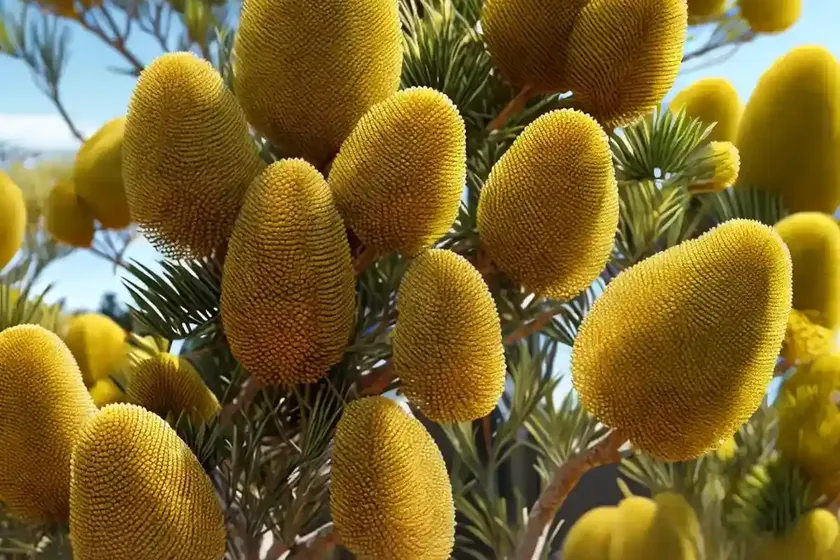
Banksias, commonly known as Banksia, are a genus of around 170 plant species in the family Proteaceae. These unique and fascinating plants are native to Australia and are recognized for their distinctive flower spikes and serrated leaves. They are highly valued in horticulture due to their adaptability and striking visual appeal.
In this comprehensive guide, we will delve into the various aspects of Banksias, including their culture, uses, water, sunlight, fertilizer, soil, pruning, propagation, and more. Furthermore, we will explore the common diseases and pests that affect Banksias, along with botanist-recommended tips and fun facts. Let’s embark on an exciting journey to discover the captivating world of Banksias!
What is Banksia (Banksias)?
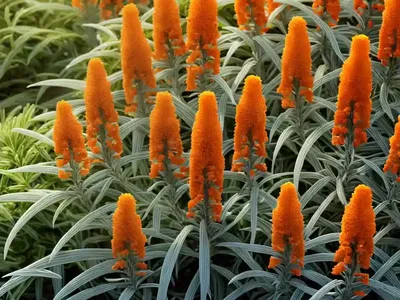
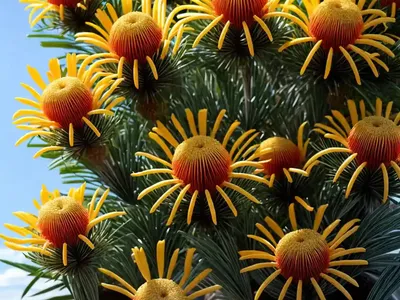
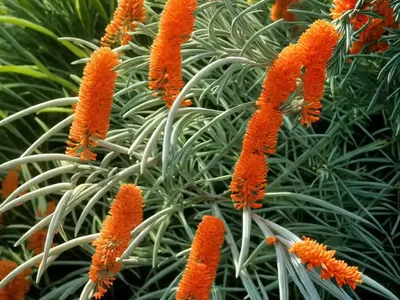
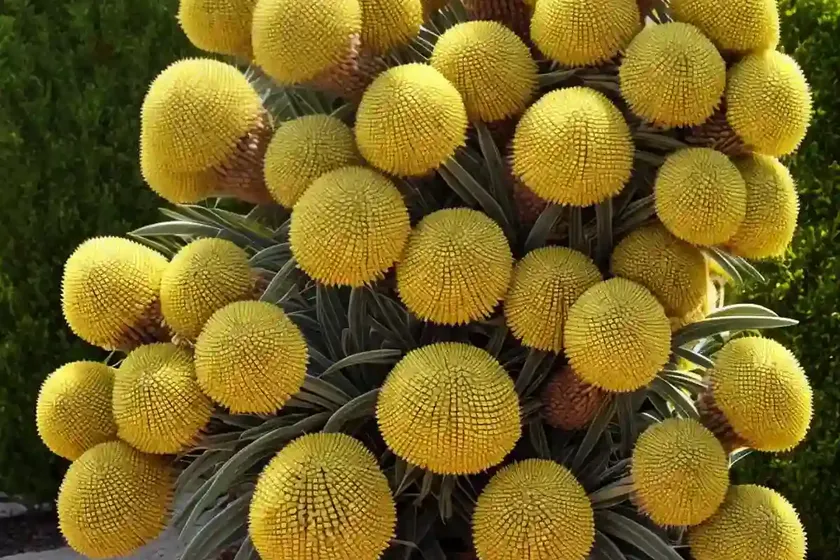
Banksias are a diverse group of plants, ranging from prostrate shrubs to trees, with species suitable for a wide array of landscaping and gardening purposes. They are renowned for their cylindrical flower spikes, which are comprised of numerous individual flowers and are often adorned with a display of colors ranging from vibrant oranges and reds to muted earthy tones. These blooms are not only visually stunning but also play a crucial role in supporting local wildlife, particularly nectar-feeding birds and insects.
Key Takeaways
Before diving into the specific details related to Banksias, let’s take a look at some key takeaways that will provide an overview of the essential aspects associated with these fascinating plants.
Key Takeaways – Banksia (Banksias)
-
Banksia flower: Banksia species are known for their unique and visually striking flower spikes that are composed of numerous individual flowers. These blooms come in a wide range of colors and are highly attractive to nectar-feeding wildlife.
-
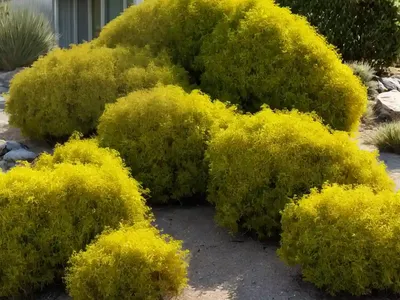
Banksia plant: Banksias encompass a diverse range of plant forms, including shrubs and trees, making them suitable for various landscaping and gardening applications.
-
Banksia cultivation: Cultivating Banksias requires attention to their specific cultural requirements, including sunlight, water, soil, and fertilizer preferences.
-
Banksia care: Proper care and maintenance practices are essential for ensuring the health and vitality of Banksias, including pruning, propagation, and disease management.
-
Banksia wildlife habitat: Banksias play a crucial role in supporting local wildlife, acting as a source of nectar and providing habitat for a diverse range of organisms.
With these key takeaways in mind, let’s explore the intricate details related to the cultivation and care of Banksias, along with their ecological significance and horticultural uses.
Culture
Cultivating Banksias involves understanding and addressing their specific cultural requirements, including aspects such as water, sunlight, fertilizer, and soil preferences.
Uses
Banksias are valued for their remarkable ornamental value, making them ideal for landscaping and gardening applications. Additionally, their nectar-rich flowers and foliage serve as an essential food source and habitat for various wildlife species, contributing to the ecological vitality of natural and cultivated habitats.
Water
Proper irrigation is crucial for the successful growth of Banksias, especially during the establishment phase. While Banksias are known for their tolerance to dry conditions, it is important to provide regular watering, particularly during periods of prolonged drought. However, it is equally essential to ensure well-draining soil to prevent waterlogged conditions, which can be detrimental to the plants’ root systems.
Sunlight
Banksias thrive in full sun to partial shade, with most species exhibiting excellent tolerance to direct sunlight. Adequate exposure to sunlight is essential for promoting robust growth and vibrant flowering in Banksias.
Fertilizer
When it comes to fertilizing Banksias, it is important to use a low-phosphorus, slow-release fertilizer specifically formulated for native Australian plants. Additionally, applying a layer of organic mulch around the base of the plants can provide a steady supply of nutrients while aiding in moisture retention and weed suppression.
Soil
Banksias prefer well-draining, slightly acidic to neutral soils. Soil that is rich in organic matter and has good aeration capacity is conducive to the healthy growth of Banksias. It is essential to avoid waterlogged or compacted soils, as these conditions can lead to root rot and other detrimental effects on plant health.
Pruning
Pruning is an important aspect of Banksia care, particularly for shaping the plants, removing dead or diseased growth, and enhancing flowering. It is advisable to prune Banksias after the flowering period to promote a more compact and bushy growth habit. However, care should be taken to avoid excessive pruning, as this can negatively impact the plant’s natural form and flowering potential.
Propagation
Banksias can be propagated from seeds as well as cuttings. Seed propagation involves collecting ripe seed pods, extracting the seeds, and sowing them in a well-draining seed-raising mix. Cuttings can be taken from semi-hardwood or hardwood stems and treated with a rooting hormone to enhance their rooting potential. Both methods require adequate moisture and protection from extreme environmental conditions to facilitate successful propagation.
Container Popularity
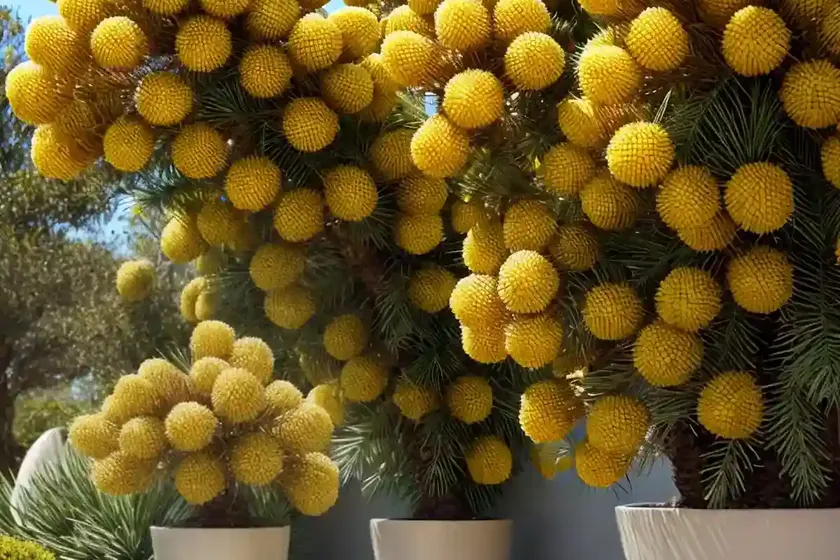
Banksias can be grown in containers, making them a popular choice for patio, balcony, and small-space gardening. When cultivating Banksias in containers, it is crucial to ensure that the pots have sufficient drainage holes and are filled with a well-draining potting mix suitable for native plants. Additionally, regular monitoring of moisture levels and appropriate fertilization are essential for sustaining the health and vigor of container-grown Banksias.
Common Diseases
While Banksias are relatively resilient to many pests and diseases, they can be susceptible to certain issues under specific environmental conditions or cultural practices. It is important for plant enthusiasts to be aware of the common diseases that can affect Banksias and implement effective management strategies to mitigate their impact.
Disease diagnosis
Some of the common diseases that can affect Banksias include root rot, leaf spot, and collar rot. These diseases are often associated with overwatering, poor soil drainage, or fungal pathogens. Symptoms such as wilting, yellowing of leaves, and lesions on foliage can indicate the presence of these diseases, necessitating prompt diagnosis and treatment.
Common Pests
Banksias are generally resilient to most pests; however, certain insects such as scale, aphids, and borers can pose a threat to their health and vitality. Regular monitoring of the plants for signs of pest infestation, including distorted growth, sticky honeydew, or visible insects, is crucial for early detection and appropriate pest management.
Botanist’s Tips
- When choosing a location for planting Banksias, ensure that it offers adequate sunlight and well-draining soil to promote healthy growth.
- Water newly planted Banksias regularly to facilitate root establishment, gradually transitioning to a more sparing irrigation regimen as the plants mature.
- Prune Banksias selectively, focusing on removing dead, damaged, or congested branches to enhance their overall form and floral display.
- Propagate Banksias in early spring to maximize their rooting potential under favorable environmental conditions.
Fun Facts
- Banksias are an important part of Australian flora, with various species being integral to the country’s unique ecological landscapes.
- The flower spikes of Banksias are popular for floral arrangements and crafts due to their unusual and captivating appearance.
- Banksias are known for their resilience to drought, making them valuable components of xeriscapes and water-wise gardens.
With their rich cultural significance, captivating floral displays, and ecological contributions, Banksias continue to captivate plant enthusiasts and nature lovers worldwide. By understanding and embracing the specific needs and attributes of Banksias, individuals can foster a deeper appreciation for these remarkable plants.
Links to External Resources
For further information and resources related to Banksias, consider exploring the following external links:
- Australian Native Plants Society (Australia)
- Wildflower Society of Western Australia
- Australian National Botanic Gardens
With a wealth of resources available, enthusiasts can delve deeper into the world of Banksias and expand their knowledge and appreciation for these unique plants.
Conclusion
In conclusion, Banksias represent a fascinating and diverse group of plants with an array of cultural, horticultural, and ecological significance. By embracing their unique attributes and understanding their specific cultivation and care requirements, individuals can enrich their garden spaces and contribute to the preservation of these valuable Australian natives.
The beauty of Banksias, from their captivating flower spikes to their ecological contributions, continues to inspire and enchant individuals around the world. With the insights and knowledge shared in this comprehensive guide, plant enthusiasts can embark on a rewarding journey of cultivating, appreciating, and preserving the captivating world of Banksias.