Mexican Ageratum (Ageratum houstonianum): A Comprehensive Guide
In the world of vibrant and diverse plant species, the Mexican ageratum (Ageratum houstonianum) stands out for its lush and captivating appearance. This unique plant has garnered attention for its ornamental value, as well as its various cultural and medicinal uses. As a plant scientist with a passion for understanding and promoting the cultivation of diverse plant species, my aim is to provide a comprehensive guide to the Mexican ageratum, covering its characteristics, cultivation, uses, and much more. This guide will serve as a valuable resource for gardening enthusiasts, botany researchers, and anyone interested in the intriguing world of plant life.
What is the Mexican Ageratum (Ageratum houstonianum)?
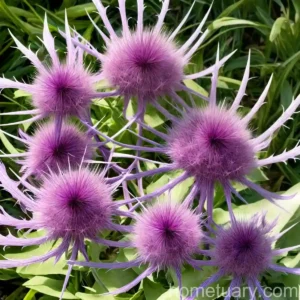
The Mexican ageratum, scientifically known as Ageratum houstonianum, is a species of flowering plants in the family Asteraceae. It is native to Mexico and Central America and is commonly referred to as the floss flower or blue mink. The plant is characterized by its fluffy, powder puff-like flowers that come in shades of blue, purple, and white. The Mexican ageratum is an annual plant, meaning it completes its life cycle, from germination to seed production, within one growing season.
Key Takeaways – Mexican Ageratum (Ageratum houstonianum)
Before delving into the specifics of the Mexican ageratum, it’s essential to highlight the key takeaways associated with this fascinating plant. From its cultural significance to its essential cultivation requirements, here are the key points to remember about the Mexican ageratum:
- Plant Name: Mexican ageratum (Ageratum houstonianum)
- Uses: Ornamental, medicinal
- Water: Moderate
- Sunlight: Full to partial sun
- Fertilizer: Balanced, water-soluble fertilizer
- Soil: Well-draining, fertile
- Pruning: Regular deadheading
- Propagation: Seeds, cuttings
- Container Popularity: Well-suited for container gardening
- Common Diseases: Powdery mildew, damping-off
- Common Pests: Aphids, spider mites
Now, let’s explore each of these aspects in greater detail to gain a comprehensive understanding of the Mexican ageratum.
Culture
Uses
The Mexican ageratum is primarily cultivated for its ornamental value, adding a touch of elegance and vibrancy to gardens, landscapes, and floral arrangements. The fluffy, dome-shaped flower clusters make it an attractive choice for borders, edging, and mass plantings. Additionally, the plant has been utilized in traditional medicine for its purported healing properties, leading to its inclusion in herbal remedies for various ailments.
Growing Conditions
Water
Proper watering is crucial for the health and vigor of Mexican ageratum plants. While the plant requires consistent moisture, it is essential to avoid overwatering, which can lead to root rot and other fungal diseases. Aim to water the plants deeply, allowing the soil to dry slightly between watering sessions. A layer of organic mulch can help retain soil moisture and regulate the plant’s water requirements.
Sunlight
The Mexican ageratum thrives in full to partial sun, requiring at least 6 hours of direct sunlight daily for optimal growth and flower production. When grown in partial shade, the plant may exhibit reduced flowering and a more leggy growth habit. Therefore, it is best to position Mexican ageratum in a location with ample sunlight to promote robust and abundant blooms.
Fertilizer
To support healthy growth and prolific flowering, Mexican ageratum plants benefit from regular feeding with a balanced, water-soluble fertilizer. Apply the fertilizer according to the manufacturer’s instructions, typically every 4-6 weeks during the growing season. Avoid excess nitrogen, as it can result in lush foliage at the expense of flower production.
Soil
The Mexican ageratum thrives in well-draining, fertile soil with a slightly acidic to neutral pH. Incorporating organic matter such as compost or well-rotted manure into the soil prior to planting can enhance its fertility and structure. Additionally, maintaining good soil aeration is essential for preventing waterlogging, which can undermine the plant’s health.
Maintenance
Pruning
Regular deadheading, the practice of removing spent flowers, is essential for prolonging the blooming period of Mexican ageratum. This encourages the plant to redirect its energy into producing new flowers rather than seed development. Additionally, pruning back leggy growth and trimming straggly stems can help maintain a compact and tidy appearance.
Propagation
Mexican ageratum can be propagated from seeds or cuttings. When propagating from seeds, sow them directly into the garden bed after the last frost date, as the plant is sensitive to cold temperatures. For propagation by cuttings, select healthy, non-flowering stems and root them in a well-draining potting mix. Provide consistent moisture and warmth to encourage root development.
Container Popularity
The Mexican ageratum’s compact growth habit and attractive flowers make it well-suited for container gardening. Whether grown in individual pots or combined with other annuals in mixed planters, the plant adds a delightful pop of color to porches, patios, and balconies. When cultivating Mexican ageratum in containers, ensure proper drainage and provide adequate space for root development.
Common Challenges
Common Diseases
Powdery Mildew
Mexican ageratum is susceptible to powdery mildew, a fungal disease characterized by the powdery white growth on leaves and stems. To prevent powdery mildew, ensure proper air circulation around the plants, avoid overhead watering, and remove and destroy any infected plant material. Fungicidal sprays may be applied as a preventative measure.
Damping-off
Damping-off, caused by various soilborne fungi, can lead to the sudden wilting and death of young Mexican ageratum seedlings. To minimize the risk of damping-off, use sterile, well-draining potting mix when starting seeds indoors, and maintain appropriate moisture levels to discourage fungal growth.
Common Pests
Aphids
Aphids, tiny soft-bodied insects, may infest Mexican ageratum plants, particularly on the undersides of leaves and tender stems. A strong jet of water or insecticidal soap can be used to dislodge and control the aphid population. Encouraging natural predators, such as ladybugs and lacewings, can also help keep aphids in check.
Spider Mites
Spider mites, known for their webbing and stippled appearance on leaves, can damage Mexican ageratum plants by piercing and feeding on the plant cells. Introduce predatory mites or use insecticidal sprays to manage spider mite infestations. Regularly misting the plants can create a less favorable environment for spider mites.
Botanist’s Tips
- When selecting Mexican ageratum cultivars for your garden, consider factors such as mature plant height, flower color, and growth habit to ensure they align with your aesthetic and space requirements.
- To encourage branching and compact growth, pinch back the growing tips of Mexican ageratum plants when they are 6-8 inches tall, promoting the development of additional flowering stems.
- Incorporate Mexican ageratum in wildlife-friendly gardens to attract pollinators such as butterflies and bees, contributing to a thriving and biodiverse outdoor ecosystem.
Fun Facts
- The fluffy flower clusters of Mexican ageratum are often likened to small tufts of cotton, adding a whimsical and playful touch to garden landscapes.
- In traditional medicine, Mexican ageratum has been used to alleviate symptoms of coughs, fevers, and minor skin ailments, demonstrating its historical significance beyond its ornamental value.
Links to External Resources
To further enrich your knowledge and appreciation of Mexican ageratum and its cultivation, consider exploring the following resources:
- Royal Horticultural Society – Ageratum
- University of Florida IFAS Extension – Ageratum Production Guide
- Missouri Botanical Garden – Ageratum houstonianum
In conclusion, the Mexican ageratum (Ageratum houstonianum) stands as a captivating addition to gardens and landscapes, exuding charm and allure with its delicate flower clusters and lush foliage. By understanding its cultural significance, essential growing conditions, and potential challenges, enthusiasts can cultivate this unique plant with confidence, ushering in an abundance of vibrant blooms and ornamental beauty. Embrace the allure of Mexican ageratum and unlock the potential of this delightful flowering species in your own gardening endeavors.