Scrub Palmetto (Sabal etonia): A Comprehensive Guide
What is Plant: Scrub Palmetto (Sabal etonia)
Scrub palmetto, scientifically known as Sabal etonia, is an evergreen palm species that belongs to the family Arecaceae. This species is native to the southeastern region of the United States, particularly in Florida. Known for its striking appearance and resilient nature, scrub palmetto has garnered attention not only from gardening enthusiasts but also from plant scientists and conservationists. With its unique characteristics and diverse uses, understanding its cultivation requirements and ecological role is essential for both preservation and horticultural purposes.
Key Takeaways – Scrub Palmetto (Sabal etonia)
Before delving into the extensive care and cultivation guidelines for scrub palmetto, it’s crucial to understand the key takeaways associated with this unique plant species. The following points provide a brief overview of the fundamental aspects of scrub palmetto:
- Scientific Name: Sabal etonia
- Common Name: Scrub palmetto
- Native Habitat: Southeastern United States, particularly in Florida
- Characteristics: Evergreen, palmate leaves, slow growth habit
- Uses: Landscaping, wildlife habitats, medicinal properties
- Adaptations: Drought tolerance, fire adaptations, coastal habitat preference
- Conservation Status: Endangered in certain areas
- Key Growing Conditions: Well-draining soil, moderate water, and full sunlight
Understanding these key takeaways provides a foundational knowledge of the species, serving as a springboard for in-depth insights into its cultivation and ecological significance.
Culture
Uses
The scrub palmetto, notable for its ornamental and ecological value, serves a multitude of purposes, making it a versatile and sought-after plant species. The following are some of its primary uses:
- Landscaping: Due to its striking appearance and low maintenance requirements, scrub palmetto is often utilized in landscaping, particularly in coastal and tropical-themed gardens.
- Wildlife Habitats: Its dense foliage provides shelter and nesting sites for various wildlife species, contributing to the diversity and sustainability of ecosystems.
- Medicinal Properties: Historically, the indigenous people of Florida used parts of the scrub palmetto for medicinal purposes, attributing properties such as anti-inflammatory and diuretic effects to the plant.
The diverse utility of scrub palmetto underscores its significance both in horticulture and the preservation of natural ecosystems.
Water
In its natural habitat, scrub palmetto is accustomed to well-draining, sandy soils that are typical of coastal and scrub habitats. Therefore, it exhibits a degree of tolerance to dry conditions, making it suitable for regions with lower water availability. When cultivating scrub palmetto, it is essential to strike a balance between providing adequate moisture while ensuring that the soil does not become waterlogged. This can be achieved by following these general irrigation guidelines:
- Establishment Period: During the initial establishment phase, regular watering is crucial to promote root development and overall plant health.
- Mature Plants: Once established, scrub palmetto generally requires minimal supplemental watering, relying on natural rainfall to sustain its water needs.
Striking a balance between providing adequate moisture without promoting waterlogged conditions is crucial for the successful cultivation of scrub palmetto.
Sunlight
In its native habitat, scrub palmetto thrives in full sunlight or partial shade, adapting to a range of light conditions. When cultivated in a garden or landscape setting, providing the optimal sunlight exposure is vital for its growth and overall appearance. The following are essential considerations regarding sunlight requirements:
- Full Sunlight: Ideally, scrub palmetto should be situated in an area that receives ample sunlight throughout the day, promoting vigorous growth and robust foliage.
- Partial Shade: While tolerant of full sunlight, scrub palmetto can also adapt to partial shade, making it suitable for various garden environments.
By ensuring that scrub palmetto receives the appropriate sunlight exposure, its overall health and aesthetic appeal can be maintained effectively.
Fertilizer
As a relatively low-maintenance plant species, scrub palmetto generally requires minimal fertilization when grown in suitable soil conditions. In its native habitat, it thrives in nutrient-poor, sandy soils, showcasing its capacity to adapt to low-fertility environments. However, in garden settings or areas with impoverished soil, supplemental fertilization can aid in promoting growth and overall vigor. When considering fertilizer application for scrub palmetto, the following guidelines should be observed:
- Minimal Fertilization: In most cases, scrub palmetto does not necessitate regular fertilization, particularly if it is planted in well-draining, nutrient-balanced soil.
- Balanced Formula: When fertilization is deemed necessary, a balanced, slow-release fertilizer with a formulation such as 10-10-10 can be applied during the growing season to provide essential nutrients without promoting excessive growth.
By exercising restraint in fertilization practices and prioritizing the use of balanced, slow-release formulations, the healthy growth and development of scrub palmetto can be sustained effectively.
Soil
The soil composition and structure play a pivotal role in the successful cultivation of scrub palmetto, influencing its overall health and resilience. Given its native habitat in sandy, well-draining soils, replicating these conditions in a garden or landscape environment is essential to ensure optimal growth. The following soil considerations are vital when cultivating scrub palmetto:
- Well-Draining: Scrub palmetto is highly intolerant of waterlogged conditions, emphasizing the need for well-draining soils to facilitate proper root aeration and prevent moisture-related issues.
- Sandy Composition: Emulating its native habitat, sandy or loamy soils that allow for efficient water percolation and root development are well-suited for this species.
- pH Level: While tolerant of a range of pH levels, slightly acidic to neutral soils (pH 5.0-7.0) are generally preferred by scrub palmetto.
Prioritizing the use of well-draining, sandy soils with a slightly acidic to neutral pH fosters an environment conducive to the healthy growth and development of scrub palmetto.
Pruning
Pruning requirements for scrub palmetto are relatively minimal, owing to its slow growth habit and naturally tidy appearance. However, periodic maintenance pruning can be beneficial for enhancing its aesthetic appeal and removing any damaged or withered foliage. The following are essential considerations when undertaking pruning for scrub palmetto:
- Old Foliage Removal: As the lower fronds of scrub palmetto naturally senesce over time, periodic removal of old or browned fronds can promote air circulation and prevent the accumulation of debris within the canopy.
- Minimalistic Approach: When pruning scrub palmetto, it is advisable to adopt a minimalistic approach, primarily focusing on the removal of dead or unsightly foliage while preserving the plant’s natural form.
By adhering to a minimalistic pruning approach and addressing the removal of old or damaged fronds, the overall health and appearance of scrub palmetto can be maintained effectively.
Propagation
The propagation of scrub palmetto can be achieved through various methods, each offering unique advantages and considerations. From seed propagation to division, understanding the diverse techniques for expanding the population of scrub palmetto is integral to both horticultural and conservation efforts. The following propagation methods are commonly employed for scrub palmetto:
- Seed Propagation: Collecting and germinating seeds from mature scrub palmetto plants is a viable method for producing new individuals, with attention to factors such as moisture and temperature regulation during germination.
- Division: Dividing established clumps of scrub palmetto can yield multiple new plants, providing a straightforward and efficient means of propagation.
Employing appropriate propagation methods and understanding the specific requirements for each technique can facilitate the successful multiplication of scrub palmetto for various applications.
Container Popularity
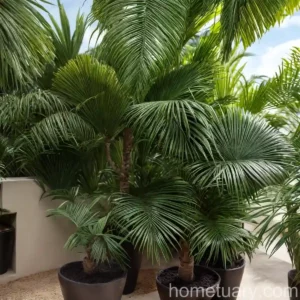
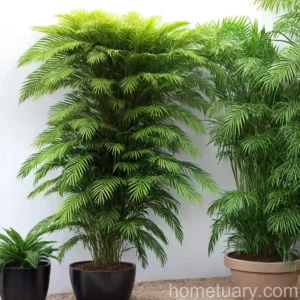
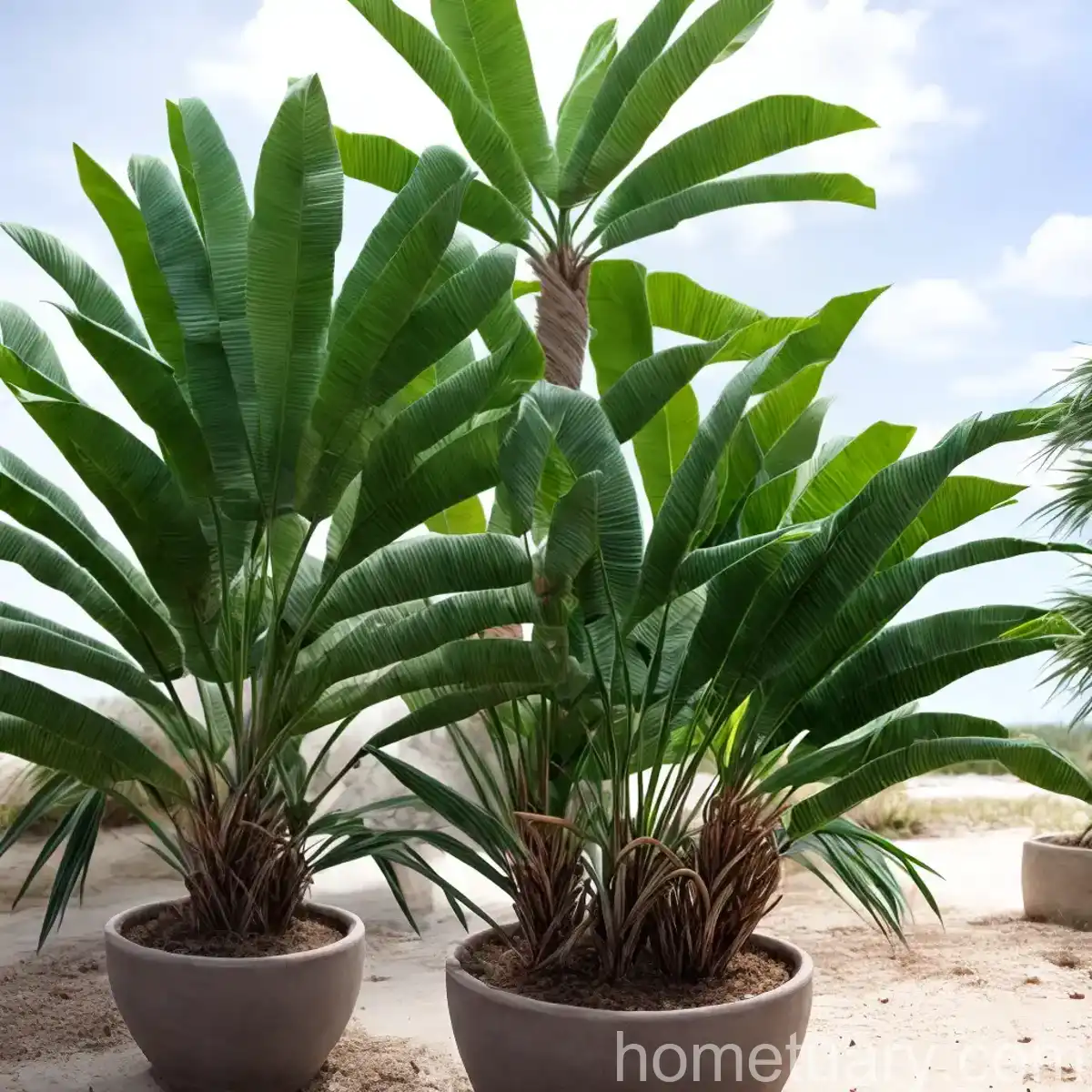
Given its ornamental attributes and adaptability to container cultivation, scrub palmetto has gained popularity in the realm of container gardening. Whether utilized for patios, balconies, or indoor settings, the use of containers offers flexibility and aesthetic appeal when incorporating scrub palmetto into diverse environments. The following factors contribute to the popularity of scrub palmetto in container gardening:
- Aesthetic Appeal: The striking foliage and architectural form of scrub palmetto make it an attractive addition to container displays, enhancing visual interest and adding a touch of tropical elegance.
- Adaptability: Due to its moderate growth rate and relatively compact size, scrub palmetto can thrive in containers, adapting well to the confined root space and environmental conditions typical of container gardening.
Utilizing appropriate containers and providing adequate care can enable the successful cultivation of scrub palmetto in various container settings, enhancing the diversity and charm of garden displays.
Common Diseases
While scrub palmetto exhibits resilience and adaptability, it is susceptible to certain diseases and ailments that can compromise its health and vigor. Understanding these common diseases and implementing preventative measures is essential in preserving the optimal condition of this species. The following are notable diseases that can affect scrub palmetto:
- Bud Rot: Caused by various fungal pathogens, bud rot can lead to the decay and discoloration of the apical meristem, resulting in stunted growth and overall decline.
- Ganoderma Butt Rot: This fungal disease can cause the decay of the lower trunk and roots, often manifesting as conk formations and wood decomposition, posing a significant threat to plant health.
- Pencil Point Disease: Characterized by the dieback and necrosis of fronds, this physiological disorder can impact the aesthetic appeal and vitality of scrub palmetto.
By familiarizing oneself with the symptoms and preventive measures for these common diseases, proactive steps can be taken to safeguard the health and longevity of scrub palmetto.
Disease Diagnosis
Diagnosing diseases in scrub palmetto requires a discerning eye and an understanding of the characteristic symptoms exhibited by various ailments. By observing the plant’s overall appearance and conducting targeted assessments, accurate diagnoses can be made, guiding the implementation of appropriate control measures. The following diagnostic considerations are essential for identifying and addressing diseases in scrub palmetto:
- Symptom Recognition: Familiarizing oneself with the specific symptoms associated with common diseases, such as discoloration, necrosis, and tissue decay, facilitates the accurate diagnosis of ailments.
- Pathogen Inspection: In cases of fungal diseases, inspecting the affected tissues for characteristic fungal structures or signs of decay can aid in identifying the responsible pathogens.
By honing the ability to recognize symptoms and conducting thorough plant inspections, effective disease diagnosis and intervention can be achieved, ensuring the continued well-being of scrub palmetto.
Common Pests
In addition to diseases, scrub palmetto can fall prey to various pests that can compromise its vitality and aesthetic appeal. From insect herbivores to mite infestations, understanding the potential pests and their associated impacts is essential for implementing targeted pest management strategies. The following are notable pests that can affect scrub palmetto:
- Palmetto Weevils: These destructive beetles can inflict damage to the apical meristem and trunk, potentially leading to the death of the plant if left unchecked.
- Spider Mites: Infestations of spider mites can cause stippling and necrosis of foliage, impacting the overall aesthetic appeal and vigor of scrub palmetto.
- Scales: Scale insects can congregate on the fronds of scrub palmetto, feeding on plant sap and potentially causing stress and decline.
By being vigilant and proactive in pest monitoring and management, the impact of these common pests on scrub palmetto can be mitigated effectively.
Botanist’s Tips
As a plant species with distinctive characteristics and ecological significance, scrub palmetto presents opportunities for both horticultural and botanical endeavors. Embracing these tips from a botanist’s perspective can enhance the understanding and appreciation of this unique species, furthering its conservation and horticultural value. The following botanist’s tips offer valuable insights into the cultivation and preservation of scrub palmetto:
- Native Habitat Observations: By studying scrub palmetto in its natural habitat, valuable insights into its ecological interactions, growth habits, and adaptations can be gleaned, informing cultivation practices.
- Conservation Efforts: Participating in conservation initiatives and habitat restoration projects can contribute to the protection and preservation of scrub palmetto populations, aligning with botanical stewardship principles.
By embracing these botanist’s tips and actively engaging in the study and preservation of scrub palmetto, its ecological significance and horticultural potential can be upheld effectively.
Fun Facts
Uncovering intriguing and noteworthy aspects of scrub palmetto adds depth to the understanding and appreciation of this plant species, enriching the horticultural and botanical experience. The following fun facts offer a glimpse into the captivating world of scrub palmetto, highlighting its unique attributes and ecological contributions:
- Living Fossils: As a member of the ancient Arecaceae family, scrub palmetto exemplifies the enduring nature of palm species, representing a living link to prehistoric flora.
- Wildlife Importance: Scrub palmetto serves as a valuable resource for diverse wildlife, offering food, shelter, and nesting sites for numerous species, contributing to the biodiversity of ecosystems.
By embracing these fun facts and delving into the captivating qualities of scrub palmetto, a deeper appreciation for its role in the natural world can be cultivated, fostering enthusiasm for its conservation and horticultural utilization.
Links to External Resources
- Sabal etonia: An Endangered Palm from the Southeastern United States – Florida Natural Areas Inventory provides an in-depth overview of Sabal etonia, including its ecological significance and conservation status.
- Growing Palms: Sabal etonia – Palmpedia offers valuable insights into the cultivation and horticultural aspects of Sabal etonia, providing practical guidelines for enthusiasts.
- Florida Native Plant Society – The Florida Native Plant Society offers resources and information related to native plants, including Sabal etonia, fostering a deeper understanding of indigenous flora.
Conclusion
In conclusion, scrub palmetto (Sabal etonia) stands as a captivating and ecologically important palm species native to the southeastern United States, particularly in Florida. From its diverse uses in landscaping and wildlife habitats to its intriguing adaptations and conservation significance, scrub palmetto embodies a plant of substantial horticultural and botanical value. By adhering to the outlined guidelines and considerations, enthusiasts and conservationists alike can appreciate, propagate, and preserve the unique qualities of this remarkable species, furthering its impact in both natural and cultivated settings. With a deeper understanding of its ecology, cultivation, and significance, scrub palmetto unveils a world of botanical wonder, enriching the horticultural landscape and contributing to the preservation of native flora.
By embracing these botanist’s tips and actively engaging in the study and preservation of scrub palmetto, its ecological significance and horticultural potential can be upheld effectively.
The blog post provides comprehensive insights into the cultivation, ecology, and significance of scrub palmetto (Sabal etonia), encompassing essential topics such as its growing conditions, uses, common diseases, and conservation status. It aims to serve as a valuable resource for plant enthusiasts, botanists, and conservationists seeking in-depth information about this unique palm species.