Cupressus Sempervirens (Italian Cypress)
Plants play a significant role in our lives, and understanding their characteristics and requirements can improve our ability to care for and appreciate.

Plants play a significant role in our lives, and understanding their characteristics and requirements can improve our ability to care for and appreciate them. In this comprehensive guide, we will explore the various aspects of Cupressus sempervirens, commonly known as the Italian Cypress. From its cultural significance and uses to its growth requirements and potential challenges, we will delve into the world of this remarkable plant species. By the end of this guide, you will have a deep understanding of Italian Cypress and be well-equipped to cultivate and maintain this beautiful tree.
What is Cupressus sempervirens (Italian Cypress)?
Cupressus sempervirens, widely known as Italian Cypress, is an evergreen coniferous tree that belongs to the Cupressaceae family. Native to the eastern Mediterranean region, including Greece, Italy, Turkey, and Cyprus, it has been cultivated for centuries and holds cultural significance in various civilizations.
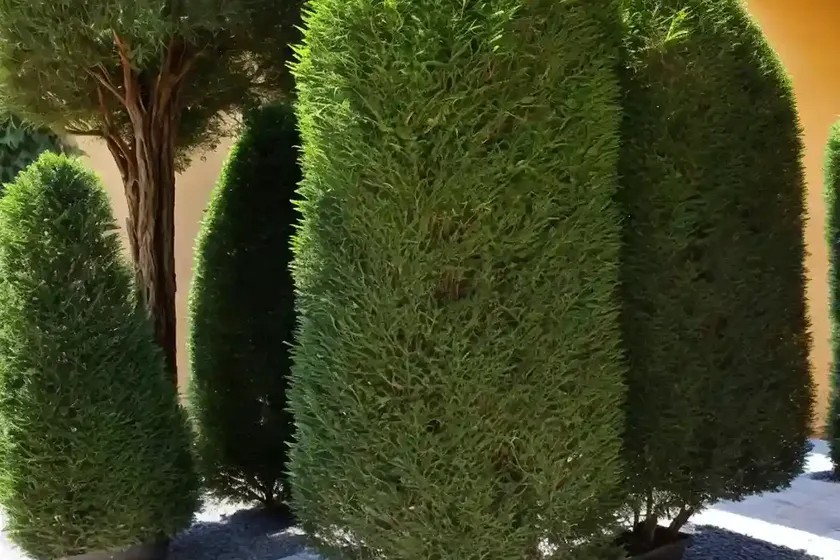
The Italian Cypress is recognized for its tall, slender stature and columnar growth habit. It typically features dark green, scale-like leaves and small, round cones, adding to its ornamental appeal. Due to its distinctive appearance and adaptability to different environments, it is a popular choice for landscaping, particularly in regions with a Mediterranean climate.
Key Takeaways – Cupressus sempervirens (Italian Cypress)
Before delving into the specific aspects of Italian Cypress, let’s outline some key takeaways related to its characteristics and cultivation:
- Scientific Name: Cupressus sempervirens
- Common Name: Italian Cypress
- Family: Cupressaceae
- Native Habitat: Eastern Mediterranean region
- Growth Habit: Tall, columnar, evergreen tree
- Significance: Culturally and ornamentally significant
- Uses: Landscaping, privacy screens, ornamental purposes
- Climate Preference: Mediterranean, preferring warm and dry conditions
- Growth Rate: Moderate to fast
- Maintenance: Low maintenance, requiring minimal care
Now that we have a general understanding of Italian Cypress, let’s explore its various aspects in detail.
Culture
Understanding the cultural significance and uses of Italian Cypress can provide valuable insights into its historical, aesthetic, and practical applications. The cultural context of this plant sheds light on its enduring appeal and relevance in different societies.
Uses
Italian Cypress boasts a rich history of cultural and practical uses, making it a versatile and revered plant in various contexts. Some of its primary uses include:
-
Landscaping: Italian Cypress is widely utilized in landscaping to create formal and symmetrical designs, particularly in Mediterranean-inspired gardens and estates. Its tall and narrow form adds vertical interest and structure to landscapes.
-
Privacy Screens: Due to its dense foliage and upright growth habit, Italian Cypress is favored for creating natural privacy screens and windbreaks. It offers an elegant and natural alternative to traditional fences and walls.
-
Ornamental Purposes: The striking appearance of Italian Cypress, with its dark green foliage and towering presence, makes it a popular choice for ornamental plantings in parks, estates, and public spaces. It often serves as a focal point in garden designs.
-
Cultural Significance: This tree holds cultural and symbolic significance in several Mediterranean cultures. It has been associated with longevity, immortality, and remembrance, and is often featured in art, literature, and historical landscapes.
Water
Effective watering is essential for the health and vitality of Italian Cypress. Understanding its water requirements and best practices for watering can contribute to the successful cultivation of this tree.
Water Needs
Italian Cypress thrives in well-drained soil and generally prefers moderate water levels. While it can tolerate drought conditions once established, it benefits from regular watering, particularly during its initial establishment and growth phases. Adequate moisture is crucial for supporting healthy root development and foliage growth.
-
Establishment Phase: Newly planted Italian Cypress trees require consistent and thorough watering to encourage root establishment. It is advisable to water them deeply immediately after planting and throughout the first year to facilitate healthy growth.
-
Mature Trees: Once established, Italian Cypress trees are relatively drought tolerant and can withstand periods of reduced irrigation. However, during prolonged dry spells or hot temperatures, supplementary watering may be necessary to maintain their vigor and prevent water stress.
-
Watering Frequency: It is recommended to water Italian Cypress deeply and infrequently, allowing the soil to partially dry out between watering sessions. This promotes deep root growth and resilience to dry conditions.
Sunlight
As an evergreen species, Italian Cypress is highly dependent on sunlight for its growth and vitality. Understanding its sunlight requirements and ideal exposure can contribute to its overall health and appearance.
Sunlight Needs
Italian Cypress exhibits a preference for full sun exposure, thriving in locations with ample sunlight throughout the day. Adequate sunlight is essential for promoting robust growth, maintaining vibrant foliage, and achieving the characteristic upright form of this tree.
-
Full Sun: To ensure optimal performance, Italian Cypress should be planted in locations that receive direct sunlight for the majority of the day. Full sun exposure encourages dense foliage, uniform growth, and overall vigor.
-
Shade Tolerance: While Italian Cypress prefers full sun, it can tolerate partial shade to some extent. However, prolonged or deep shade can lead to reduced growth, sparse foliage, and a less defined form.
-
Southern Exposure: Planting Italian Cypress in south-facing positions can maximize sunlight exposure, particularly in regions with mild to moderate climates. This can enhance its growth and visual appeal.
Fertilizer
Proper fertilization is instrumental in supporting the growth, vigor, and overall health of Italian Cypress. Understanding its fertilization requirements and best practices can contribute to the successful cultivation of this tree.
Fertilization Guidelines
Italian Cypress benefits from periodic fertilization, particularly during its early years of establishment and growth. Providing essential nutrients can enhance its foliage color, promote robust growth, and support its long-term vitality.
-
Timing: It is advisable to fertilize Italian Cypress in early spring, just before the onset of new growth, to coincide with its natural growth cycle. Applying fertilizer at this time allows the tree to utilize the nutrients for active growth and development.
-
Fertilizer Type: A balanced, slow-release fertilizer formulated for evergreen trees can effectively meet the nutritional needs of Italian Cypress. Select a fertilizer with a balanced ratio of nitrogen, phosphorus, and potassium, as well as micronutrients.
-
Application Method: When applying fertilizer to Italian Cypress, distribute it evenly within the tree’s dripline, which corresponds to the outer edge of the canopy. Water the tree thoroughly after fertilization to facilitate nutrient absorption.
-
Frequency: As a low-maintenance tree, Italian Cypress generally requires annual fertilization to sustain its growth and resilience. However, the specific fertilizer schedule may vary based on the quality of the soil and the tree’s individual needs.
Soil
The quality and composition of the soil profoundly impact the growth, health, and overall performance of Italian Cypress. Understanding its soil preferences and best practices for soil management is crucial for successful cultivation.
Soil Preferences
Italian Cypress thrives in well-drained, moderately fertile soil with a slightly acidic to neutral pH range. The soil characteristics that best support its growth and vitality include:
-
Drainage: Good soil drainage is critical for Italian Cypress, as it prevents waterlogging and root suffocation. Sandy or loamy soils with excellent drainage properties are well-suited for this tree.
-
Texture: The soil should exhibit a moderately to freely draining texture, allowing excess moisture to flow through easily. Avoid heavy clay soils or compacted substrates, as they can impede root development and aeration.
-
pH Level: Italian Cypress prefers a slightly acidic to neutral pH range, ideally between 6.0 and 7.5. Testing the soil pH can help determine if any amendments are necessary to optimize its growing conditions.
-
Nutrient Content: While Italian Cypress is relatively adaptable to soil fertility levels, supplementing the soil with organic matter or balanced fertilizers can enhance its nutrient availability and support healthy growth.
Pruning
Pruning plays a significant role in maintaining the shape, structure, and overall appearance of Italian Cypress. Understanding the principles and techniques of pruning can contribute to the tree’s long-term health and visual appeal.
Pruning Techniques
Italian Cypress benefits from regular pruning to manage its growth, encourage density, and maintain its characteristic columnar form. Proper pruning techniques can promote a well-balanced and elegant silhouette.
-
Timing: The best time to prune Italian Cypress is during the late winter or early spring, before the onset of new growth. This allows the tree to recover efficiently and minimizes the risk of excessive sap bleeding.
-
Formative Pruning: Young Italian Cypress trees can be shaped and trained through formative pruning, which involves the selective removal of lateral branches and early interventions to establish the desired structure.
-
Thinning: As Italian Cypress matures, periodic thinning of the foliage can help maintain a uniform and balanced appearance. Remove congested or crossing branches to improve air circulation and light penetration.
-
Height Management: When pruning Italian Cypress for height control, it is essential to avoid cutting into old wood or non-leafy branches, as they may not regenerate new growth. Focus on trimming the tips of the branches to limit vertical growth.
Propagation
The propagation of Italian Cypress involves the reproduction of new plants from seeds or cuttings, enabling the expansion of its population and the introduction of specific varieties. Understanding the propagation methods for Italian Cypress can facilitate its cultivation and conservation.
Propagation Methods
Italian Cypress can be propagated through both seeds and cuttings, each method offering distinct advantages and considerations. The following are the primary propagation techniques for Italian Cypress:
-
Seed Propagation: Italian Cypress produces small, spherical cones that contain seeds. To propagate through seeds, collect mature cones and extract the seeds. Sow the seeds in well-drained soil in a sheltered location, providing protection from excessive moisture and extreme temperatures. Germination may take several weeks to months, and the resulting seedlings can be transplanted once they develop sufficient root systems.
-
Cutting Propagation: Propagating Italian Cypress through cuttings involves the collection of semi-hardwood or softwood cuttings from healthy, established trees. The cuttings are typically taken in late spring or early summer and treated with a rooting hormone before being planted in a suitable growing medium. With proper care and favorable conditions, the cuttings can root and develop into new plants.
Container Popularity
Italian Cypress is well-suited for container cultivation, offering versatility and aesthetic appeal for various outdoor and indoor settings. Understanding its suitability for container growth and the associated considerations can expand its potential as a container plant.
Container Considerations
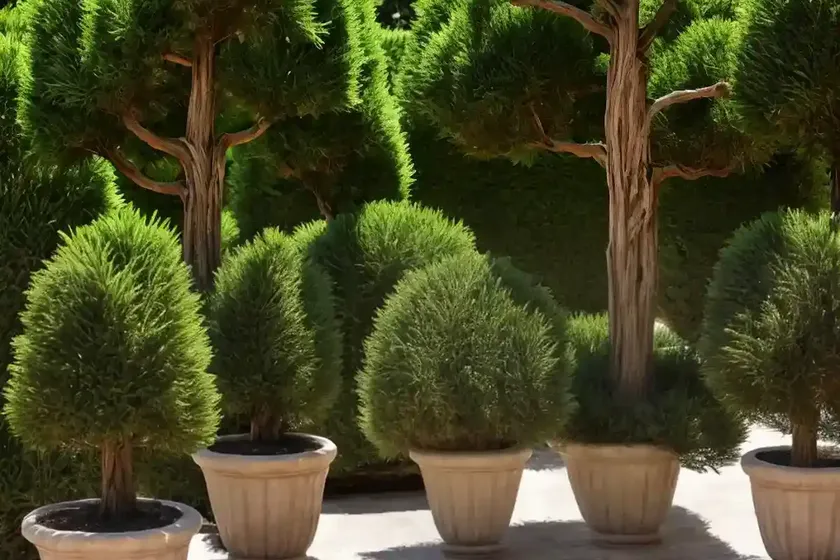
Italian Cypress can thrive in containers, making it a popular choice for urban gardens, patios, and courtyards. When cultivated in containers, several key considerations contribute to its successful growth and maintenance:
-
Container Size: Select containers that provide ample room for the root system to establish and expand. Consider the mature size of Italian Cypress and choose containers with sufficient depth and width to accommodate its growth.
-
Drainage: Ensure that the containers have adequate drainage holes to prevent waterlogging and root rot. Consider using well-draining potting mix and incorporating gravel or perlite at the bottom of the containers to enhance drainage.
-
Watering: Container-grown Italian Cypress may require more frequent watering than those planted in the ground, as containers can dry out faster. Monitor the soil moisture regularly and water the tree when the top inch of the soil becomes dry.
-
Placement: Position the containers in locations that receive ample sunlight, preferably in full sun for the majority of the day. Provide adequate air circulation around the containers to promote healthier growth.
Common Diseases
Despite its resilience, Italian Cypress is susceptible to certain diseases that can negatively impact its health and appearance. Recognizing common diseases and adopting preventive measures are essential for safeguarding the vitality of this tree.
Disease Diagnosis
Several diseases can affect Italian Cypress, causing symptoms such as discoloration, wilting, and foliage decline. Being able to identify and diagnose these diseases is critical for implementing timely interventions. Some common diseases to watch out for include:
-
Canker Diseases: Various fungal and bacterial pathogens can cause cankers on the branches and trunk of Italian Cypress, leading to sunken lesions, dieback, and overall decline. Canker diseases often thrive in humid or wet conditions, making proper air circulation and pruning practices important for prevention.
-
Cypress Canker: This disease, caused by the fungal pathogen Seiridium cardinale, can result in branch dieback, resin bleeding, and eventual decline of the tree. Pruning out affected branches and optimizing growing conditions can help manage cypress canker.
-
Seiridium Canker: Caused by the fungus Seiridium cupressi, this disease can lead to browning and shedding of foliage, branch dieback, and overall weakening of Italian Cypress. Aggressive pruning of affected branches and promoting tree vigor can help mitigate the impact of Seiridium canker.
-
Root Rot: Excessive soil moisture and poor drainage can create a conducive environment for root rot pathogens, leading to root decay, stunted growth, and wilting of the tree. Improving soil drainage and avoiding overwatering can reduce the risk of root rot in Italian Cypress.
Common Pests
Italian Cypress is generally resistant to pests, but certain insect species can pose a threat to its health and vitality. Identifying common pests and implementing appropriate pest management strategies is crucial for preserving the well-being of this tree.
Pest Identification
While Italian Cypress is relatively resilient to pest infestations, some common pests that may target this tree include:
-
Aphids: These small, sap-feeding insects can cluster on the foliage of Italian Cypress, causing leaf distortion, honeydew production, and indirect damage through the transmission of viruses. Spraying the tree with a strong jet of water or applying insecticidal soap can help control aphid populations.
-
Spider Mites: Spider mites are tiny arachnids that can infest Italian Cypress, particularly in dry and hot conditions. Their feeding activity leads to stippling, discoloration, and webbing on the foliage. Regularly hosing down the tree and maintaining adequate humidity levels can deter spider mite infestations.
-
Scale Insects: Scale insects can attach themselves to the stems and foliage of Italian Cypress, feeding on plant sap and causing yellowing, wilting, and premature leaf drop. Applying horticultural oil or insecticidal solutions can aid in controlling scale infestations.
-
Bagworms: While less common, bagworms can occasionally affect Italian Cypress, creating spindle-shaped bags on the branches and consuming foliage. Physical removal of the bags and pesticide applications can help manage bagworm populations.
Botanist’s Tips
Drawing on the expertise of botanists and horticultural professionals can offer invaluable insights into the cultivation, care, and appreciation of Italian Cypress. Here are some expert tips that can enhance your experience with this remarkable tree:
-
Site Selection: When planting Italian Cypress, carefully consider the site conditions, ensuring it receives adequate sunlight and has well-drained soil. Avoid waterlogged or overly compacted areas, as they can hinder the tree’s performance.
-
Pruning Best Practices: Practice cautious and thoughtful pruning, focusing on maintaining the natural form and uniformity of Italian Cypress. Avoid excessive trimming of the central leader and main branches, as this can disrupt the tree’s desired shape.
-
Disease Prevention: Emphasize preventive measures to minimize the risk of diseases, such as optimizing air circulation, avoiding overhead watering, and regularly inspecting the tree for signs of potential pathogens.
-
Pest Monitoring: Routinely monitor Italian Cypress for signs of pest activity, promptly addressing any infestations to prevent widespread damage. Implementing integrated pest management strategies can help maintain the tree’s health without relying heavily on chemical interventions.
Fun Facts
Exploring the fascinating and lesser-known aspects of Italian Cypress can deepen your appreciation for this iconic tree. Here are some intriguing fun facts about Italian Cypress that showcase its remarkable attributes and cultural significance:
-
Symbolism: Italian Cypress has been associated with symbols of mourning, eternity, and endurance in various cultures, often featuring prominently in cemeteries and sacred sites.
-
Mediterranean Influence: Italian Cypress is deeply rooted in Mediterranean landscapes and has been celebrated in art, literature, and architecture throughout history, embodying the timeless allure of the region.
-
Aesthetic Value: The striking appearance of Italian Cypress, with its towering height and slender silhouette, adds a sense of elegance and grandeur to gardens, estates, and public spaces.
-
Historical Context: Italian Cypress has adorned ancient landscapes, serving as a staple in formal gardens, villas, and monumental settings, reflecting its enduring legacy and historical significance.
Links to External Resources
For further exploration and detailed information on Italian Cypress, consider referring to the following external resources:
-
Italian Cypress: The Icon of the Mediterranean Landscape: This comprehensive resource provides in-depth insights into the characteristics, uses, and cultivation of Italian Cypress, accompanied by stunning visuals and practical tips.
-
Growing Italian Cypress in Containers: This article offers practical advice on successfully growing Italian Cypress in containers, outlining the specific considerations and techniques for container cultivation.
-
Diseases and Pests of Italian Cypress: The Royal Horticultural Society’s guide on Italian Cypress diseases and pests provides a detailed overview of common issues, diagnostic characteristics, and management strategies.
-
Cupressus sempervirens: Characteristics and Growing Tips: This resource delves into the unique characteristics of Italian Cypress and offers practical growing tips for cultivating and maintaining this iconic tree.
-
Symbolism and Cultural References of Italian Cypress: Explore the cultural significance and symbolism of Italian Cypress in folklore, mythology, and historical traditions, shedding light on its enduring cultural impact.
By incorporating these external resources into your exploration of Italian Cypress, you can gain a broader understanding of its cultural, horticultural, and historical dimensions.
In conclusion, Italian Cypress (Cupressus sempervirens) stands as a timeless and iconic tree, characterized by its slender form, evergreen foliage, and enduring significance in Mediterranean landscapes and beyond. By delving into its cultural uses, growth requirements, and unique characteristics, we have gained a deeper appreciation for this majestic tree. Whether gracing formal gardens, providing privacy screens, or symbolizing cultural heritage, Italian Cypress continues to captivate us with its elegance and resilience, embodying the enduring allure of the Mediterranean region.
As we continue to nurture and celebrate Italian Cypress, let us draw inspiration from its timeless presence and cultural significance, ensuring its enduring legacy for generations to come.
This guide is intended to enrich your understanding of Italian Cypress and serve as a resource for cultivating and appreciating its remarkable qualities. The information provided is based on horticultural expertise and the renowned characteristics of Cupressus sempervirens. For specific cultivation advice and localized recommendations, consulting with professional horticulturists or botanical experts is recommended.
In this comprehensive guide, we have covered various aspects of Cupressus sempervirens (Italian Cypress), including its cultural uses, growth requirements, and the challenges it may face