The Versatile Boxwood (Buxus sempervirens ‘Appalachian Pyramid’): A Comprehensive Guide
Introduction
Boxwood, scientifically known as Buxus sempervirens ‘Appalachian Pyramid’, is a popular evergreen plant admired for its versatility, resilience, and timeless elegance. As a plant scientist, I have had the delight of studying and cultivating this remarkable species, and in this comprehensive guide, I will delve into the various aspects of cultivating and caring for the Appalachian Pyramid boxwood.
What is Boxwood (Buxus sempervirens ‘Appalachian Pyramid’)?
Boxwood, with the scientific name Buxus sempervirens ‘Appalachian Pyramid’, is a species of evergreen shrub belonging to the Buxaceae family. It is indigenous to southern Europe, northern Africa, and western Asia and has been cultivated for centuries for its ornamental and functional uses.
Key Takeaways:
- Boxwood Plant: A versatile evergreen shrub, highly valued for its ornamental, functional, and landscaping applications.
- Buxus sempervirens ‘Appalachian Pyramid’: A specific variety celebrated for its distinctive pyramidal growth habit.
- Boxwood Varieties: The boxwood genus encompasses various cultivars, each with unique characteristics and growth habits.
- Appalachian Pyramid Boxwood: This particular variety is renowned for its erect, pyramidal structure, making it ideal for formal gardens and sculpted hedges.
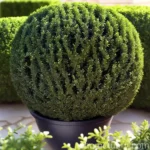
- Boxwood Shrub: A compact, dense shrub with small, rounded, leathery leaves and a slow growth rate.
- Boxwood Landscaping: Widely incorporated in landscape design for its durability, year-round interest, and low maintenance nature.
- Boxwood Care: Requires specific attention to soil, sunlight, water, and pruning for optimal growth and health.
Now, let’s explore the culture, uses, and specific care requirements for the boxwood (Buxus sempervirens ‘Appalachian Pyramid’) in more detail.
Culture
Uses
Ornamental Landscaping:
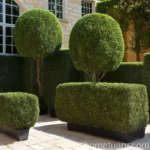
- Boxwood is highly prized for its versatility in landscaping, often used to define garden borders, create formal hedges, and craft topiaries due to its dense foliage and manageable growth.
Architectural Accents:
- Its compact and sculptural nature makes it an ideal choice for adding architectural interest to gardens, patios, and walkways.
Foundation Plantings:
- Boxwood is frequently employed as a foundation plant, enhancing the visual appeal of homes and structures by providing a lush green backdrop.
All-Season Interest:
- With its evergreen foliage, boxwood is highly valued for its ability to maintain visual interest in landscapes throughout the year, especially during winter when many other plants are dormant.
Water
- Watering Needs: Boxwood plants require regular watering, especially during the establishment phase and in dry periods. Adequate moisture is essential to support healthy growth and minimize stress. However, they are sensitive to waterlogging, so ensuring well-draining soil is crucial to prevent root rot.
Sunlight
- Sun Requirements: Boxwood thrives in partial shade to full sun. It prefers well-lit areas but can also tolerate shade, making it adaptable to a variety of growing conditions. However, it is essential to avoid prolonged exposure to harsh, direct sunlight, particularly in regions with intense summer heat.
Fertilizer
- Fertilization: To promote optimal growth and vigor, boxwood benefits from regular fertilization. Applying a balanced, slow-release fertilizer in spring or early summer can provide the necessary nutrients for healthy foliage and ample growth.
Soil
- Soil Preferences: Boxwood thrives in well-draining, slightly acidic to slightly alkaline soil with good fertility. Amending the soil with organic matter, such as compost or well-rotted manure, can enhance its structure and nutrient content, supporting robust growth.
Pruning
- Pruning Techniques: Regular pruning is essential for maintaining the desired shape, density, and size of boxwood plants. It is best to prune boxwood in late spring or early summer to encourage new growth and maintain its form. Sharp, clean pruning tools should be used to ensure precise cuts and minimize the risk of disease transmission.
Propagation
- Propagation Methods: Boxwood can be propagated through various techniques, including stem cuttings, layering, and seed propagation. Each method offers its unique advantages and challenges, allowing for flexibility in propagating new plants from existing specimens.
Container Popularity
- Boxwood in Containers: Due to its compact growth habit, boxwood is well-suited for container cultivation, adding greenery to patios, balconies, and urban spaces. The use of boxwood in containers enables mobility and facilitates creative arrangements in garden designs.
Common Diseases
- Boxwood Diseases: Boxwood is susceptible to various diseases, including fungal infections such as boxwood blight, leaf spot, and root rot. Proper cultural care, vigilant monitoring, and prompt intervention are essential for preventing and managing these diseases effectively.
Disease Diagnosis
- Identifying Symptoms: Early detection of disease symptoms, such as leaf discoloration, wilting, or dieback, is crucial for accurate diagnosis and timely treatment. Consultation with a plant health specialist or diagnostic laboratory may be necessary for confirmation and tailored management strategies.
Common Pests
- Boxwood Pests: Boxwood is often targeted by pests such as boxwood leafminers, mites, and psyllids, which can cause foliage damage and compromise plant health. Regular monitoring and proactive pest control measures are vital for preserving the vitality of boxwood specimens.
Botanist’s Tips
- Cultural Vigilance: Regular observation, maintenance, and care practices are fundamental for nurturing healthy, resilient boxwood plants.
- Integrated Pest Management: Incorporating preventive measures, natural predators, and targeted control methods can effectively manage pest populations without harming beneficial organisms.
- Disease Resistance: Selecting disease-resistant boxwood cultivars and promoting overall plant health through proper cultural practices can mitigate the risk of infections.
Fun Facts
- Boxwood has been cultivated since ancient times and holds historical significance in various cultures, symbolizing enduring strength and timeless beauty.
- The wood of the boxwood plant is highly valued for its fine grain and durability, often used in wood carving, musical instruments, and decorative arts.
- Boxwood foliage is fragrant when crushed, emitting a distinct, pleasant aroma that adds to its allure in gardens and landscapes.
Now that we have covered essential aspects of the boxwood (Buxus sempervirens ‘Appalachian Pyramid’), let’s delve into additional topics, including specific care requirements, disease and pest management, and exciting gardening ideas.
Links to External Resources
To delve deeper into the world of boxwood cultivation, care, and landscaping, consider exploring the following external resources:
- American Boxwood Society: A valuable source of information on boxwood cultivation, research, and conservation efforts.
- The Spruce – Boxwood Plant Profile: An informative guide to growing and caring for boxwood plants in various garden settings.
- Royal Horticultural Society (RHS) – Boxwood Diseases: A comprehensive resource on identifying, preventing, and managing common boxwood diseases.
- University of Maryland Extension – Boxwood Pests: An in-depth overview of boxwood pests, their identification, and integrated pest management strategies.
In conclusion, the boxwood (Buxus sempervirens ‘Appalachian Pyramid’) stands as a quintessential plant cherished for its aesthetic appeal, adaptability, and enduring allure. Whether employed as a formal hedge, sculpted topiary, or foundational accent, its versatility and charm continue to captivate gardeners, landscapers, and botanical enthusiasts alike. By embracing the insights shared in this guide and exploring the wealth of resources available, you can cultivate and cherish the timeless elegance of the Appalachian Pyramid boxwood in your own garden or landscape design.
Remember to practice care and vigilance while nurturing your boxwood plants, and may they grace your outdoor spaces with enduring beauty and green resplendence throughout the seasons. Happy gardening!