Bougainvillea ‘La Jolla’)
Bougainvillea ‘La Jolla’ is an enchanting and vibrant plant that adds a touch of elegance to any landscape or container garden. Its brilliant and abundant.
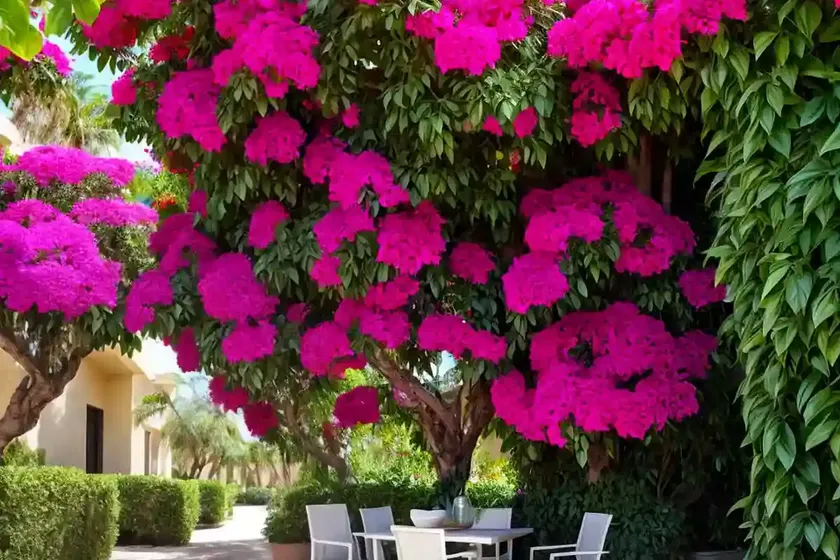
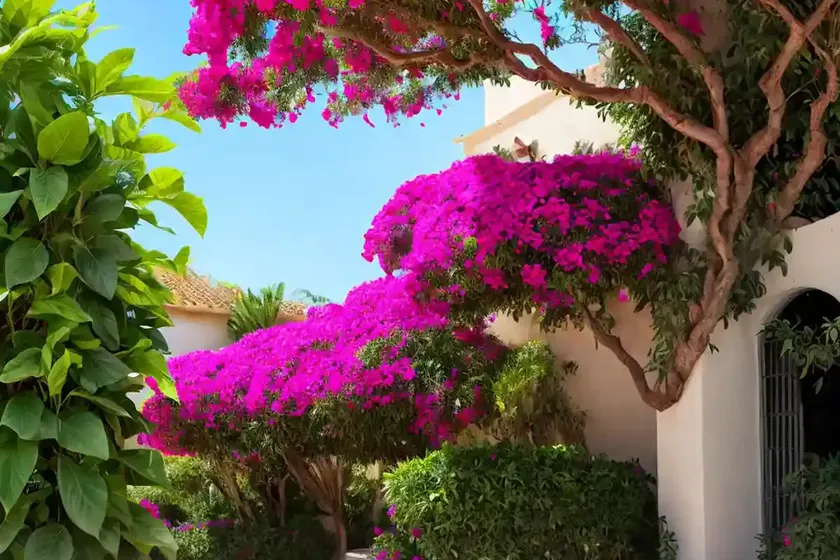
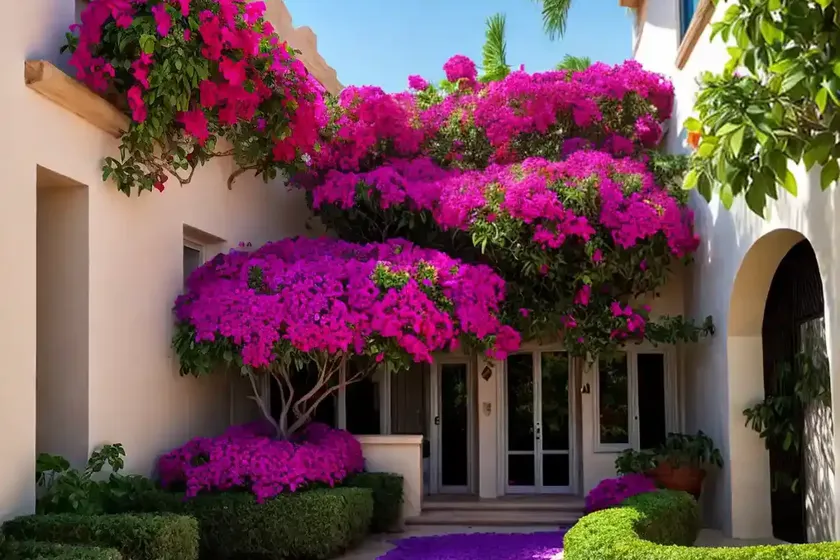
Bougainvillea ‘La Jolla’ is an enchanting and vibrant plant that adds a touch of elegance to any landscape or container garden. Its brilliant and abundant display of colorful bracts, combined with its versatile growth habits, makes it a prized addition to gardens worldwide. In this comprehensive guide, we will explore the intricacies of caring for and cultivating Bougainvillea ‘La Jolla’, from planting and propagation to maintenance tips and disease control. Whether you are a seasoned gardener or a novice enthusiast, this article will equip you with the knowledge and insights to nurture this stunning plant with confidence.
What is Bougainvillea ‘La Jolla’?
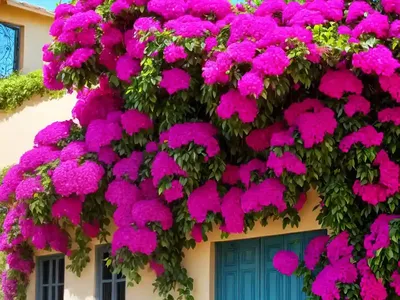
Bougainvillea ‘La Jolla’ is a cultivar of Bougainvillea, a genus of flowering plants native to South America, particularly Brazil. This species is renowned for its vibrant and papery bracts, which are often mistaken for flower petals. The actual flowers, small and white, are surrounded and accentuated by these brilliantly colored bracts, which can range from shades of pink, purple, red, and orange, creating a stunning visual display.
The ‘La Jolla’ variety specifically is known for its compact and trailing growth habit, making it ideal for cascading over fences, trellises, or spilling gracefully from hanging baskets and containers. Its ability to tolerate a range of environmental conditions, coupled with its stunning visual allure, has made Bougainvillea ‘La Jolla’ a beloved choice for gardeners seeking to inject a vibrant burst of color and charm into their outdoor spaces.
Key Takeaways
Before delving into the specifics of caring for Bougainvillea ‘La Jolla’, let’s summarize some key takeaways:
- Bougainvillea ‘La Jolla’ is a stunning cultivar of Bougainvillea, known for its vibrant and abundant display of papery bracts in shades of pink, purple, red, and orange.
- It is a versatile plant, with a compact and trailing growth habit, making it suitable for various landscape and container gardening applications.
- The plant is generally low-maintenance, thriving in warm climates and exhibiting excellent drought tolerance once established.
With these key points in mind, let’s embark on a journey to understand the finer details of caring for this captivating plant.
Culture
The culture and care of Bougainvillea ‘La Jolla’ encompass several fundamental aspects, including watering, sunlight exposure, fertilization, soil requirements, pruning, and propagation techniques. By optimizing these elements to suit the plant’s needs, you can ensure its vitality and visual appeal while minimizing the risk of disease and pest infestations.
Uses
Bougainvillea ‘La Jolla’ offers an array of uses in both residential and commercial landscaping. Some common applications include:
- Garden Borders: The cascading and trailing growth habit of ‘La Jolla’ makes it an excellent choice for delineating garden borders and edging pathways. Its vibrant bracts serve as a natural focal point, adding a touch of elegance to the landscape.
- Container Gardening: When potted in containers, ‘La Jolla’ can elevate the aesthetics of patios, balconies, and outdoor living spaces. Its versatility in containers allows for creative placement and landscape design.
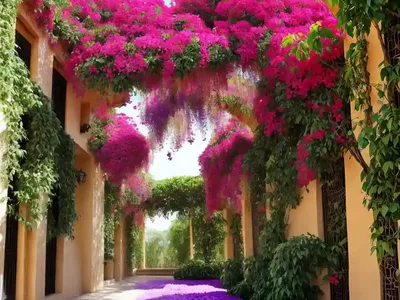
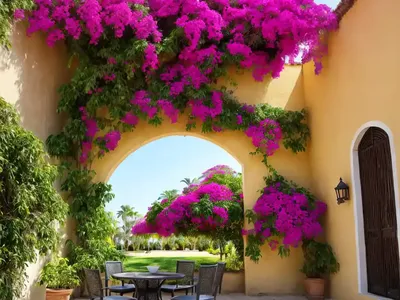
- Arbors and Trellises: By training the plant to grow on arbors and trellises, you can create captivating natural arches and screens, infusing the surroundings with color and visual interest.
- Erosion Control: The robust growth and extensive root system of ‘La Jolla’ make it effective for controlling soil erosion on slopes and embankments.
Understanding the diverse uses of Bougainvillea ‘La Jolla’ empowers you to integrate it seamlessly into your landscape, maximizing its ornamental value and practical benefits.
Water
Proper watering is essential for the health and vigor of Bougainvillea ‘La Jolla’. While the plant exhibits excellent drought tolerance once established, it benefits from regular watering, especially during periods of active growth and flowering. Here are some essential watering guidelines for ‘La Jolla’:
- Established Plants: Once the plant is established, typically after the first few months of growth, it can thrive with minimal irrigation. Water deeply but infrequently, allowing the soil to dry out slightly between waterings to promote a robust root system.
- Container-Grown Plants: Container-grown ‘La Jolla’ may require more frequent watering, as the confined space can lead to quicker soil drying. Check the moisture level of the soil regularly and water when the top inch feels dry to the touch.
- Avoid Overwatering: While ‘La Jolla’ appreciates consistent moisture, overwatering can lead to root rot and other fungal diseases. Ensure proper drainage in the soil to prevent waterlogging, especially in container plantings.
Understanding the plant’s water needs and establishing a balanced watering routine is crucial for maintaining its vitality and bloom production.
Sunlight
Bougainvillea ‘La Jolla’ thrives in full sunlight and requires ample exposure to thrive and produce an abundance of colorful bracts. When selecting a site for planting or positioning containers, prioritize locations with the following sunlight considerations:
- Full Sun: Provide ‘La Jolla’ with at least 6-8 hours of direct sunlight daily to encourage robust growth and prolific blooming. Insufficient sunlight can result in leggy growth and diminished flowering.
- Southern Exposure: South-facing locations are ideal for maximizing sunlight exposure, especially in cooler climates where the plant can benefit from increased warmth and light intensity.
- Shade Protection: While ‘La Jolla’ appreciates full sun, it can benefit from some protection during extreme heatwaves, particularly in regions with scorching summer temperatures. Ensure adequate airflow and ventilation to prevent humidity-related issues.
By prioritizing optimal sunlight exposure, you can ensure that your Bougainvillea ‘La Jolla’ thrives and captivates with its vibrant floral display.
Fertilizer
Appropriate fertilization is key to supporting the vigorous growth and blooming of Bougainvillea ‘La Jolla’. By providing essential nutrients in the right balance, you can encourage lush foliage and abundant bract production. Consider the following fertilizer recommendations for ‘La Jolla’:
- Balanced Fertilizer: Use a balanced, all-purpose fertilizer with a moderate to high phosphorus content (the second number in the N-P-K ratio) to promote flowering. Look for formulations like 10-10-10 or 5-10-5, which provide a balanced blend of nitrogen, phosphorus, and potassium, along with micronutrients.
- Application Frequency: Apply fertilizer to ‘La Jolla’ every 4-6 weeks during the growing season, from spring to early fall. Cease fertilization in late fall and winter to allow the plant to enter a period of dormancy.
- Avoid Excessive Nitrogen: While nitrogen is important for foliage growth, an excess can lead to reduced blooming and excessive vegetative development at the expense of flowers. Select a fertilizer with a lower nitrogen content to prioritize flowering.
Through strategic fertilization, you can enhance the visual impact of Bougainvillea ‘La Jolla’ and promote its overall health and resilience.
Soil
The choice of soil is pivotal in creating an optimal growing environment for Bougainvillea ‘La Jolla’. Well-draining and nutrient-rich soil is essential to prevent waterlogged conditions and support the plant’s nutritional needs. Consider the following soil guidelines for ‘La Jolla’:
- Well-Draining Mix: Use a well-draining potting mix or amend the garden soil with organic matter such as compost or peat moss to improve drainage. ‘La Jolla’ is susceptible to root rot if subjected to consistently soggy soil conditions.
- Slightly Acidic pH: Aim for a slightly acidic soil pH in the range of 6.0 to 6.5, which facilitates optimal nutrient uptake and promotes healthy root development.
- Aeration and Structure: Ensure that the soil provides adequate aeration and structure, allowing the roots to breathe and expand freely. Compacted or heavy soils should be amended to enhance porosity.
By selecting the right soil and ensuring proper drainage, you can lay the foundation for robust growth and flourishing blooms in Bougainvillea ‘La Jolla’.
Pruning
Pruning plays a vital role in shaping and maintaining the ornamental appeal of Bougainvillea ‘La Jolla’. By employing proper pruning techniques, you can manage its size, encourage bushy growth, and promote abundant flowering. Here are some essential pruning guidelines for ‘La Jolla’:
- Timing: Prune ‘La Jolla’ during the late winter or early spring, just before the onset of new growth. Avoid pruning in fall, as this can remove the developing flower buds and diminish the following year’s blooming display.
- Deadheading: Remove spent bracts and faded flowers regularly to stimulate continuous blooming and prevent the plant from redirecting energy into seed production.
- Shape Control: Trim and shape ‘La Jolla’ as desired to maintain a tidy and compact appearance. You can prune to control its size and guide its growth habit, especially in container plantings.
- Pruning Tools: Use sharp, clean pruning shears to make precise cuts, minimizing the risk of tearing or damaging the plant tissue.
By incorporating regular pruning into your maintenance routine, you can sculpt Bougainvillea ‘La Jolla’ into a visually appealing and well-structured specimen.
Propagation
Propagating Bougainvillea ‘La Jolla’ allows you to expand your plant collection and share its beauty with others. While the process may require some patience and attentive care, successful propagation can yield new plants for your garden. Consider the following propagation methods for ‘La Jolla’:
- Cuttings: Propagation through stem cuttings is a popular and reliable method for ‘La Jolla’. Select healthy, non-flowering stems and take 6-8 inch cuttings with at least two nodes. Remove the lower leaves, dip the cut end in rooting hormone, and plant the cuttings in a well-draining rooting medium.
- Warmth and Moisture: Place the cuttings in a warm, humid environment with indirect light. Ensure consistent moisture levels and provide bottom heat if possible to promote root development.
- Transplanting: Once the cuttings have developed a healthy root system, carefully transplant them into individual containers or outdoor sites, acclimating them gradually to direct sunlight and outdoor conditions.
By mastering the art of propagation, you can expand your Bougainvillea ‘La Jolla’ collection and share its beauty with fellow gardening enthusiasts.
Container Popularity
Bougainvillea ‘La Jolla’ is exceptionally well-suited for container gardening, offering versatility and visual impact in various outdoor settings. Its cascading and compact growth habit, combined with its vibrant bracts, makes it an enticing choice for container plantings. Here are some factors contributing to its popularity in containers:
- Aesthetic Appeal: The vibrant and abundant bracts of ‘La Jolla’ add a splash of color and visual appeal to container gardens, balconies, and patios, enhancing the overall aesthetics of the space.
- Portability: Container-grown ‘La Jolla’ can be easily moved and repositioned, allowing for flexibility in design and layout. It is well-suited for temporary installations or seasonal displays.
- Limited Space Requirements: The compact growth habit of ‘La Jolla’ makes it suitable for smaller containers, enabling gardeners with limited space to enjoy its beauty and charm.
By embracing container gardening, you can integrate Bougainvillea ‘La Jolla’ into various outdoor spaces, from small urban balconies to expansive patio settings, and elevate their visual appeal.
Common Diseases
Bougainvillea ‘La Jolla’ is generally resilient to diseases, but certain environmental conditions and management practices can predispose it to specific issues. By recognizing common diseases and their associated symptoms, you can take proactive measures to mitigate their impact and preserve the plant’s health. Here are some common diseases that may affect ‘La Jolla’:
| Disease | Symptomatology | Management |
|---|---|---|
| Powdery Mildew | White, powdery patches on the leaves and stems, often accompanied by leaf distortion and decreased vigor. | Improve air circulation, avoid overhead watering, apply fungicidal sprays as necessary. |
| Leaf Spot | Circular to angular brown spots on the leaves, potentially leading to defoliation and diminished plant vigor. | Remove and dispose of infected plant material, practice proper sanitation, apply fungicidal treatments if required. |
| Root Rot | Soft, discolored roots and a general decline in plant health. The plant may exhibit wilting and yellowing of foliage. | Ensure well-draining soil, moderate watering, and avoid waterlogging. Consider using fungicidal drenches as a preventive measure. |
Vigilant monitoring, proper sanitation, and appropriate cultural practices can significantly reduce the incidence of diseases in Bougainvillea ‘La Jolla’, safeguarding its vitality and longevity.
Disease Diagnosis
Diagnosing diseases in Bougainvillea ‘La Jolla’ involves careful observation of symptoms and a systematic evaluation of environmental conditions and management practices. When confronted with unusual changes in the plant’s health, consider the following diagnostic steps:
- Symptom Identification: Note the specific symptoms observed, such as leaf discoloration, spots, or unusual growth patterns. Document the progression and distribution of symptoms.
- Environmental Assessment: Evaluate the growing conditions, including sunlight exposure, watering practices, and soil drainage. Assess any recent changes or fluctuations in environmental factors.
- Cultural Review: Review the plant’s cultural history, including fertilization routines, pruning schedules, and recent pest activity. Identify any potential stressors or deviations from standard care practices.
By conducting a thorough disease diagnosis, you can pinpoint the underlying factors contributing to the plant’s health issues and implement targeted solutions to restore its vitality.
Common Pests
While Bougainvillea ‘La Jolla’ is relatively resistant to pests, certain insect species can pose a threat to its health and aesthetics. Recognizing common pests and implementing effective pest control measures is essential for safeguarding the plant. Here are some key pests that may affect ‘La Jolla’:
| Pest | Symptomatology | Management |
|---|---|---|
| Aphids | Presence of small, sap-sucking insects on the undersides of leaves, often leading to distorted growth and honeydew secretion. | Use insecticidal soaps, introduce natural predators like ladybugs, and promote a healthy garden ecosystem. |
| Scale Insects | Small, immobile pests on the stems and foliage, appearing as waxy or shell-like protrusions. They can cause yellowing and stunted growth. | Prune and dispose of heavily infested plant parts, use horticultural oils, and introduce biological control agents where applicable. |
| Spider Mites | Fine webbing on the foliage, stippling of leaves, and overall decline in plant vigor. They are often more prevalent in dry and dusty conditions. | Increase humidity levels, rinse foliage regularly, and apply insecticidal treatments if mite populations are extensive. |
By monitoring for signs of pest activity and intervening promptly, you can prevent pest infestations from compromising the health and aesthetics of Bougainvillea ‘La Jolla’.
Botanist’s Tips
As botanical enthusiasts and caretakers of Bougainvillea ‘La Jolla’, embracing the following expert tips can enhance our stewardship of this captivating plant. Consider incorporating these insights into your care and cultivation practices:
- Selective Pruning for Shape: When pruning ‘La Jolla’ for shape and size control, utilize selective cuts to maintain its natural form and prevent excessive shearing, which can limit flowering and disrupt its architectural beauty.
- Root Zone Protection: Protect the root zone of ‘La Jolla’ from excessive disturbance and compaction. Consider applying a layer of organic mulch to conserve moisture and insulate the soil, promoting a healthy rhizosphere environment.
- Companion Planting: Integrate complementary companion plants, such as low-growing annuals or ground covers, to accentuate the brilliant bracts of ‘La Jolla’ and create striking floral combinations within the landscape.
By incorporating these botanist’s tips into your care routine, you can foster the health, longevity, and visual impact of Bougainvillea ‘La Jolla’ in your garden.
Fun Facts
Uncover some intriguing and lesser-known facts about Bougainvillea ‘La Jolla’ that celebrate its botanical charm and global appeal:
- Natural Bougainvillea Hybrids: Bougainvillea ‘La Jolla’ is part of a diverse genus that encompasses numerous hybrid varieties, each showcasing a rich palette of bract colors and growth habits. Their genetic diversity contributes to the enchanting allure of the genus.
- Historical Significance: Bougainvillea plants, including ‘La Jolla’, are named after the French navigator Louis Antoine de Bougainville, who encountered them during his voyages to South America in the 18th century. The plants were later introduced to various regions worldwide, leaving an indelible horticultural legacy.
- Traditional Medicine: In some cultures, Bougainvillea bracts and flower extracts have been utilized for their medicinal properties, incorporating them into herbal remedies for conditions such as inflammation and as a natural source of antioxidants.
Unearthing these fun facts about Bougainvillea ‘La Jolla’ enriches our appreciation for its botanical significance and global heritage, underscoring its enduring popularity and charm.
Links to External Resources
For further insights and in-depth knowledge on Bougainvillea ‘La Jolla’ care and cultivation, explore the following external resources:
- Bougainvillea: A Comprehensive Guide
- Pruning Techniques for Bougainvillea
- Container Gardening Tips for Bougainvillea
- Disease Control and Prevention in Bougainvillea
- Companion Planting Ideas for Bougainvillea
By delving into these external resources, you can broaden your understanding of Bougainvillea ‘La Jolla’ and enhance your proficiency in its care and cultivation.
Conclusion
Bougainvillea ‘La Jolla’ encapsulates the timeless allure and vibrancy of the genus, captivating gardeners and horticultural enthusiasts with its resplendent bracts and versatile growth habits. Through a holistic approach to care and cultivation, encompassing watering, sunlight exposure, fertilization, soil management, pruning, and propagation, you can nurture ‘La Jolla’ to its full ornamental potential while averting common diseases and pest challenges.
By integrating the expert insights and botanist’s tips shared in this comprehensive guide, you can embark on a fulfilling journey of tending to Bougainvillea ‘La Jolla’, transforming your landscape and outdoor spaces with its brilliant cascade of colors and enduring botanical charm.
Discover the timeless beauty and enchanting allure of Bougainvillea ‘La Jolla’ as you embark on this botanical odyssey, cultivating a living masterpiece