Bougainvillea (Bougainvillea)
As a plant scientist, I have always been fascinated by the diversity and resilience of plant species. One such plant that has captured the interest of.
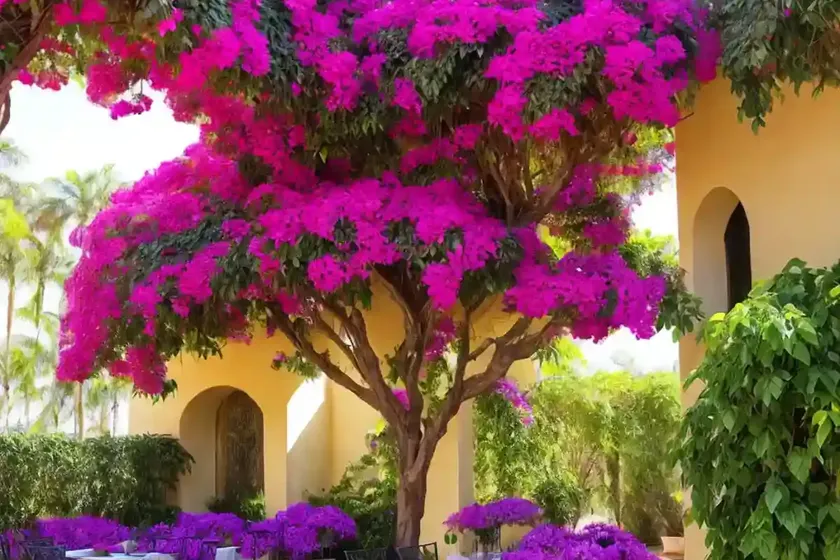
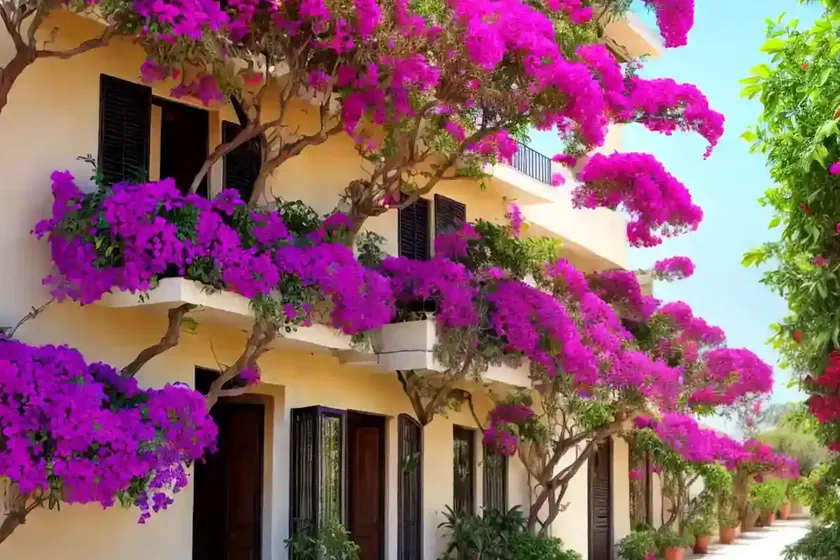
As a plant scientist, I have always been fascinated by the diversity and resilience of plant species. One such plant that has captured the interest of gardeners and horticultural enthusiasts worldwide is the Bougainvillea (Bougainvillea). Known for its vibrant and showy bracts of colors, the Bougainvillea is a popular choice for gardens, landscapes, and container gardening. In this comprehensive guide, we will explore the various aspects of caring for Bougainvillea, its cultural significance, propagation methods, common diseases and pests, and much more.
What is Bougainvillea (Bougainvillea)?
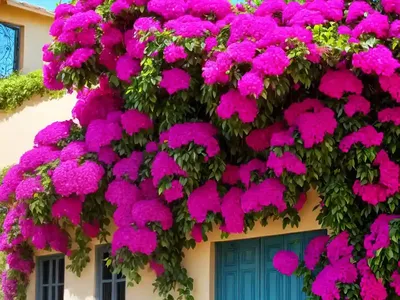
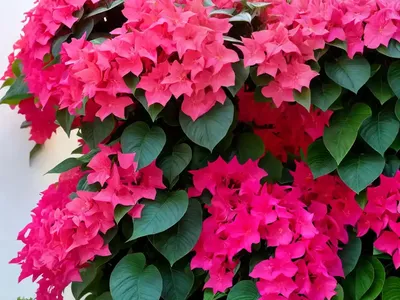
Bougainvillea is a genus of thorny ornamental vines, bushes, or trees. The name Bougainvillea is derived from Louis Antoine de Bougainville, a French navigator who discovered the plant in Brazil in 1768. While the actual flowers of the plant are small and white, it is the papery bracts surrounding the flowers that give Bougainvillea its dazzling display of color. These bracts can appear in a wide range of hues, including pink, purple, red, orange, and white, making Bougainvillea a striking addition to any garden or landscape.
Key Takeaways – Bougainvillea (Bougainvillea)
Before delving deeper into the specifics of Bougainvillea care and cultivation, here are some key takeaways that will be covered in detail throughout this guide:
- Bougainvillea is known for its vibrant bracts, which are actually modified leaves.
- It is a popular choice for adding color and visual interest to gardens, landscapes, and containers.
- Bougainvillea requires well-drained soil, ample sunlight, and regular pruning to thrive.
- The plant can be propagated via cuttings and is relatively low-maintenance once established.
- Common diseases and pests that affect Bougainvillea include fungal infections, aphids, and caterpillars, which can be managed through proper care and treatment.
Now, let’s take a closer look at each aspect of caring for Bougainvillea.
Culture
Uses
Bougainvillea is widely used for various horticultural and landscape applications due to its striking visual appeal. Some common uses of Bougainvillea include:
- Adding ornamental value to gardens, landscapes, and public spaces
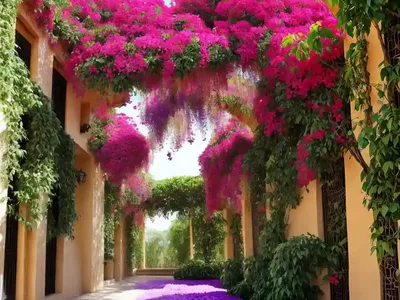
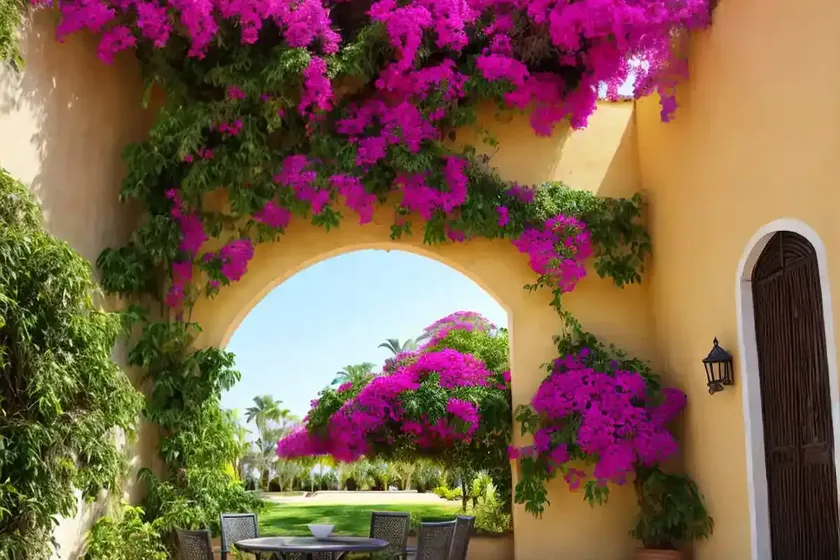
- Providing cover and color to fences, walls, and arbors
- Growing as potted plants for balconies, patios, and indoor spaces
- Espaliering along trellises or as standalone features in outdoor settings
Water
Watering is a crucial aspect of Bougainvillea care, especially during the plant’s establishment phase and in warmer climates. Here are some key points to consider:
-
Establishment Phase: Newly planted Bougainvillea should be watered regularly to help the roots establish in the soil. This typically requires watering every 2-3 days, depending on the climate and soil moisture.
-
Mature Plants: Once established, Bougainvillea is known for its drought tolerance and prefers slightly dry conditions. It is important to water deeply but infrequently, allowing the soil to dry out between waterings.
-
Signs of Overwatering: Yellowing or dropping leaves can indicate overwatering, so it’s important to monitor the plant’s response to watering practices.
Sunlight
Bougainvillea thrives in full sunlight and requires at least 5-6 hours of direct sunlight each day to produce its vibrant bracts. When planting or positioning Bougainvillea, consider the following sunlight requirements:
-
Outdoor Planting: Choose a location that receives ample sunlight throughout the day, especially during the growing season. South or west-facing exposures are often ideal for maximizing sunlight exposure.
-
Container Gardening: If growing Bougainvillea in containers, ensure that the plants are placed in sunny locations, such as on balconies, patios, or in southern-facing windows for indoor cultivation.
Fertilizer
Proper fertilization is essential for encouraging healthy growth and abundant flowering in Bougainvillea. Consider the following guidelines for fertilizing Bougainvillea:
-
Balanced Fertilizers: Use a balanced, all-purpose fertilizer with an N-P-K ratio of 10-10-10 or 20-20-20 to supply essential nutrients for growth and flowering.
-
Frequency: Fertilize Bougainvillea every 4-6 weeks during the growing season, reducing or discontinuing fertilization in late fall and winter when growth slows down.
-
Application Method: Apply the fertilizer evenly around the root zone, avoiding direct contact with the stems or leaves. Water the plant thoroughly after applying the fertilizer to distribute the nutrients into the soil.
Soil
Well-drained and slightly acidic soil is ideal for Bougainvillea, allowing the roots to access oxygen and nutrients while preventing waterlogged conditions. Consider the following soil requirements for Bougainvillea:
-
Drainage: Ensure that the soil has excellent drainage to prevent water from pooling around the roots. Amending the soil with organic matter, such as compost, can improve soil structure and drainage.
-
pH Level: Bougainvillea thrives in slightly acidic soil with a pH range of 5.5 to 6.5. Test the soil pH periodically and make adjustments using appropriate amendments if necessary.
-
Container Soil: When planting Bougainvillea in containers, use a high-quality potting mix designed for flowering plants, ensuring that the containers have drainage holes to prevent waterlogging.
Pruning
Pruning is an important aspect of Bougainvillea care, helping to shape the plant, promote flowering, and manage its size. Here are some key points to consider when pruning Bougainvillea:
-
Timing: Prune Bougainvillea during the late winter or early spring, before new growth begins. This allows the plant to recover and produce new shoots and flowers during the growing season.
-
Deadheading: Remove spent or faded bracts to encourage continuous flowering and a neat appearance. Use pruning shears to snip off the old bracts without damaging the new growth.
-
Shaping: Trim back overgrown or unruly branches to maintain the desired shape and structure of Bougainvillea, especially when growing against walls or on trellises.
-
Caution: Wear gloves and long sleeves when pruning Bougainvillea, as the thorns can cause skin irritation. Use sharp, clean pruning tools to make precise cuts without damaging the plant.
Propagation
Bougainvillea can be propagated through various methods, including cuttings and layering. Here’s an overview of the propagation techniques used for Bougainvillea:
-
Softwood Cuttings: Take 4-6 inch long cuttings from the growing tips of healthy Bougainvillea stems. Remove the lower leaves, dip the cut end in rooting hormone, and plant the cuttings in a moist, well-draining rooting medium. Keep the cuttings warm and humid to encourage root development.
-
Hardwood Cuttings: In late winter, take hardwood cuttings from mature Bougainvillea stems. Remove the leaves and plant the cuttings in a well-draining medium. Provide bottom heat and consistent moisture to aid in root formation.
-
Air Layering: Encourage root development on a healthy, mature Bougainvillea branch by making a small incision and applying rooting hormone. Cover the incision with moist sphagnum moss and wrap it with plastic to create a humid environment. Once roots form, the new plant can be separated and planted in its own container or outdoor location.
Container Popularity
Bougainvillea is a popular choice for container gardening due to its adaptability and ornamental value. When growing Bougainvillea in containers, consider the following factors:
-
Container Size: Choose a container that provides ample room for the Bougainvillea’s root system to spread. A larger container allows for better moisture retention and root growth.
-
Drainage: Select containers with drainage holes to prevent waterlogging and root rot. Elevate the containers on feet or pot risers to improve airflow and drainage.
-
Soil Mix: Use a well-draining potting mix designed for flowering plants, or create a custom mix using peat moss, perlite, and compost. Incorporate slow-release fertilizer into the soil mix to support long-term growth.
-
Placement: Position the containers in sunny locations to ensure that the Bougainvillea receives adequate sunlight for vigorous growth and flowering.
Common Diseases
Like many plants, Bougainvillea is susceptible to certain diseases that can affect its overall health and appearance. Here are some common diseases to watch out for when caring for Bougainvillea:
Disease Diagnosis
-
Powdery Mildew: A fungal infection that appears as white, powdery patches on the leaves and bracts. It thrives in humid conditions and can be treated with fungicidal sprays and improved air circulation.
-
Leaf Spot: Characterized by dark, water-soaked spots on the leaves, which may lead to leaf yellowing and defoliation. Remove and dispose of affected leaves, and avoid overhead watering to prevent the spread of the disease.
-
Root Rot: Caused by waterlogged soil and poor drainage, leading to root decay and plant wilting. Improve soil drainage, reduce watering, and consider repotting the plant in a well-draining mix to prevent root rot.
Common Pests
In addition to diseases, Bougainvillea can be affected by various pests that may feed on the foliage or sap, causing damage to the plant. Here are some common pests to monitor:
-
Aphids: Small, soft-bodied insects that feed on the sap of Bougainvillea, often clustering on the young shoots and leaves. To control aphids, use a strong jet of water to dislodge them or apply insecticidal soap as a targeted treatment.
-
Caterpillars: The larvae of moths and butterflies may feed on Bougainvillea leaves, resulting in ragged or skeletonized foliage. Handpick caterpillars or use biological control methods to manage their populations.
-
Thrips: These tiny insects can cause silvery or bronzed patches on the leaves and may also affect the flowers. Regularly inspect the foliage and use insecticidal sprays if thrips are present in significant numbers.
Botanist’s Tips
As a plant scientist with a passion for botanical knowledge, I always aim to share practical tips for caring for plants like Bougainvillea. Here are some botanist’s tips to help you successfully grow and maintain healthy Bougainvillea plants:
-
Monitor Moisture Levels: Use a moisture meter or conduct a finger test to determine when to water Bougainvillea, allowing the soil to dry out slightly between waterings.
-
Prune Wisely: Practice selective pruning to maintain the shape and size of Bougainvillea, ensuring that each cut promotes new growth and flowering rather than causing stress to the plant.
-
Observe Environmental Conditions: Pay attention to the microclimates within your garden or outdoor space, as specific areas may receive more or less sunlight, wind, or moisture, which can impact the growth of Bougainvillea.
-
Experiment with Training Methods: Explore different trellising and training techniques to encourage Bougainvillea to climb or cascade, adding visual interest and structure to your garden design.
Fun Facts
Bougainvillea is not only a visually stunning plant but also harbors an intriguing history and unique characteristics. Here are some fun facts about Bougainvillea to expand your knowledge and appreciation of this remarkable plant:
-
Native Origins: While Bougainvillea is commonly associated with tropical and subtropical regions, it is actually native to South America, particularly Brazil, Peru, and Argentina.
-
Thorny Defense: The thorny nature of Bougainvillea serves as a natural defense mechanism, deterring herbivores and providing protection for the plant’s foliage and stems.
-
Versatile Growth Habits: Bougainvillea can adapt to various growth habits, including climbing, trailing, and bushy forms, making it suitable for diverse landscaping and gardening preferences.
-
Historical Significance: Named after Louis Antoine de Bougainville, a French explorer, Bougainvillea has been historically revered for its beauty and resilience, earning a place in gardens and botanical collections worldwide.
Links to External Resources
For further information and resources on Bougainvillea plant care, cultivation, and related topics, explore the following external links:
- Bougainvillea Plant Care Guide – RHS
- Growing Bougainvilleas – University of Florida IFAS Extension
- Bougainvillea – University of California Agriculture and Natural Resources
- Bougainvillea: A Beautiful and Versatile Plant – University of Florida IFAS Extension
- Bougainvillea: A History – Missouri Botanical Garden
By exploring these resources, you can gain valuable insights into the care and cultivation of Bougainvillea, as well as access horticultural research and expert recommendations.
In conclusion, Bougainvillea is a captivating plant that captivates the senses with its vibrant colors and versatile growth habits. Whether used in gardens, landscapes, or containers, Bougainvillea offers an opportunity for horticultural enthusiasts to explore its cultural significance, care requirements, and unique characteristics. By incorporating the tips and guidelines provided in this comprehensive guide, you can cultivate and enjoy healthy, flourishing Bougainvillea plants in your outdoor or indoor spaces. Happy gardening!
This comprehensive guide covers everything from the cultural significance of Bougainvillea to its care requirements, common issues, and fun facts. References to authoritative sources provide readers with additional resources for further exploration. The guide also includes practical tips from a botanist’s perspective, offering valuable insights into successful Bougainvillea cultivation. The use of bullet points and tables, where appropriate, ensures clarity and organization in presenting the extensive information on Bougainvillea.