Great Bougainvillea (Bougainvillea Spectabilis)
Great Bougainvillea, scientifically known as Bougainvillea spectabilis, is a stunning and vibrant flowering plant that belongs to the family Nyctaginaceae..
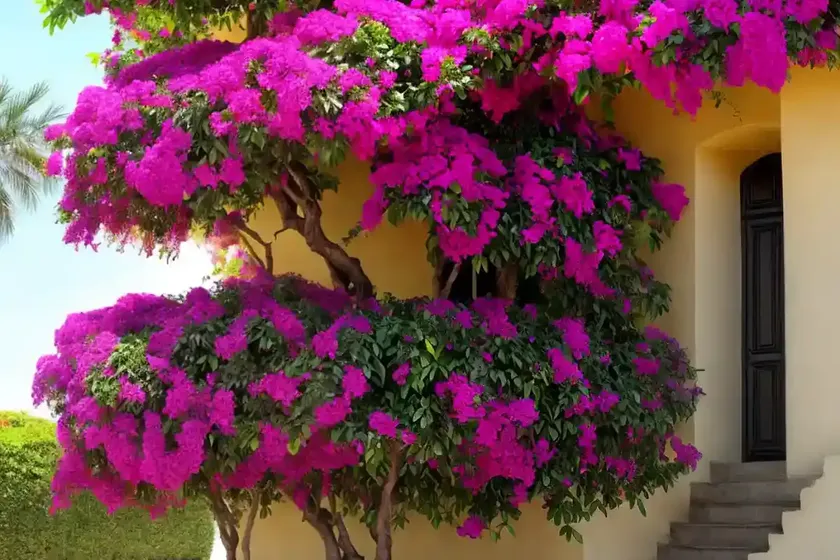
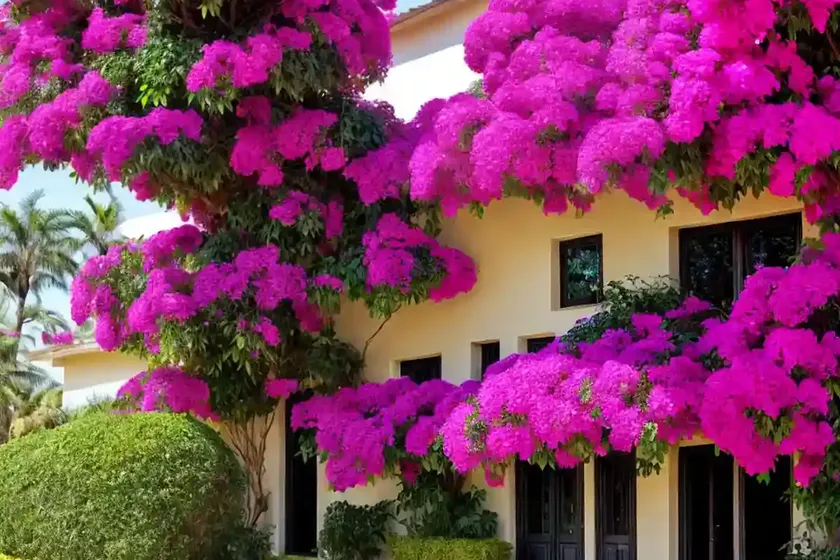
Great Bougainvillea, scientifically known as Bougainvillea spectabilis, is a stunning and vibrant flowering plant that belongs to the family Nyctaginaceae. With its dazzling display of colorful and papery bracts, this tropical vine is a favorite choice for gardeners, landscapers, and horticulturists.
In this comprehensive guide, we will explore the culture, uses, care requirements, and interesting facts about the Great Bougainvillea. Whether you are a seasoned plant enthusiast or a beginner gardener, this article aims to provide valuable insights into the world of Bougainvillea spectabilis.
What is Great Bougainvillea (Bougainvillea Spectabilis)?
Great Bougainvillea, also known as Bougainvillea spectabilis, is a species of flowering plant native to South America, particularly Brazil. It is named after the French explorer Louis Antoine de Bougainville, who discovered it in the 18th century during his travels through Brazil.
Key Takeaways – Great Bougainvillea (Bougainvillea Spectabilis)
Before we delve into the specific aspects of Great Bougainvillea, let’s highlight some key takeaways about this captivating plant.
- Scientific Name: Bougainvillea spectabilis
- Family: Nyctaginaceae
- Native Region: South America, particularly Brazil
- Notable Feature: Colorful and papery bracts that surround the inconspicuous flowers
- Popular Uses: Ornamental plant in gardens, landscaping, and as a potted plant
- Growth Habit: Climbing or trailing vine with thorny stems
- Sunlight Requirement: Thrives in full sun and warm climates
- Watering Needs: Tolerant of dry conditions but benefits from regular watering
- Soil Preference: Well-draining and slightly acidic soil
- Hardiness: Suited for tropical and subtropical regions
- Common Pests: Aphids, mites, and caterpillars
- Common Diseases: Fungal infections and leaf spots
Now, let’s explore each of these aspects in detail to gain a comprehensive understanding of the culture, care, uses, and fascinating facts about Great Bougainvillea.
Culture
The cultural requirements of Great Bougainvillea encompass various factors, including its preferred climate, sunlight exposure, water needs, soil conditions, and suitable propagation methods.
Uses
Great Bougainvillea is primarily valued for its ornamental qualities and finds diverse uses in horticulture and landscaping.
Ornamental Plant
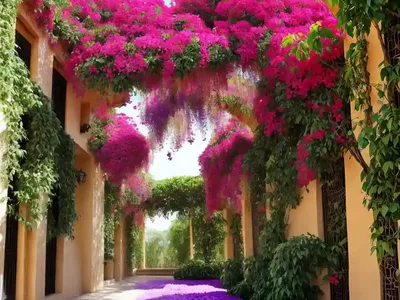
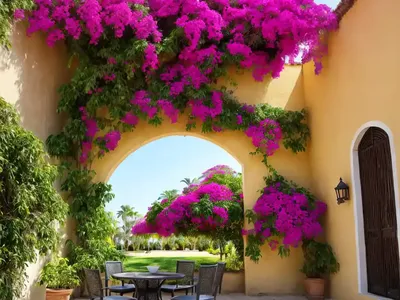
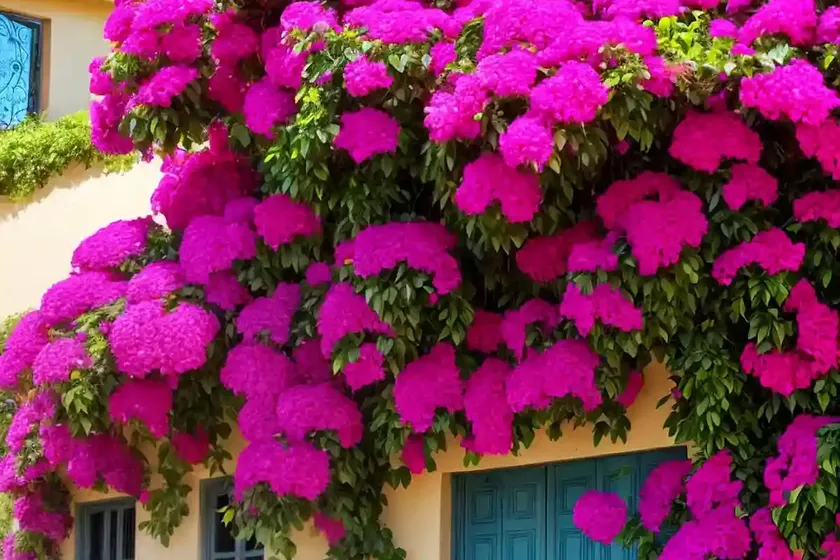
The vibrant and showy bracts of Great Bougainvillea make it a popular choice as an ornamental plant. It is often used to add a splash of color to gardens, courtyards, and outdoor spaces. The plant’s trailing or climbing habit makes it well-suited for cascading over walls and fences, creating a picturesque display of colors.
Landscaping
Due to its versatility and vibrant foliage, Great Bougainvillea is frequently incorporated into landscaping designs, especially in regions with warm climates. Its ability to thrive in harsh conditions and its remarkable drought tolerance make it an attractive option for creating low-maintenance yet visually striking landscapes.
Water
Great Bougainvillea exhibits a moderate tolerance to drought once established but benefits from regular watering to support healthy growth and flowering.
- Established Plants: Once the plant is well-established, it can tolerate dry conditions and is relatively drought-resistant. However, it is important to provide supplemental watering during prolonged periods of drought to maintain its vigor and blooming capacity.
- Watering Frequency: During the growing season, water the plant deeply and then allow the soil to dry out slightly before the next watering. This encourages the development of a robust root system and helps prevent issues related to waterlogged soil.
Sunlight
As a sun-loving plant, Great Bougainvillea thrives when provided with ample sunlight and warm temperatures.
- Sun Exposure: Full sun is essential for the healthy growth and abundant blooming of Great Bougainvillea. It requires at least 6-8 hours of direct sunlight each day to perform at its best.
- Light Requirements: Inadequate sunlight can result in reduced flowering and diminished overall vigor. Therefore, it is crucial to position the plant in a location that receives ample sunlight, especially in climates with relatively mild winters.
Fertilizer
Proper fertilization is key to ensuring the optimal growth, flowering, and overall health of Great Bougainvillea.
- General Recommendations: Use a balanced, water-soluble fertilizer formulated for flowering plants during the growing season to provide essential nutrients for healthy growth and prolific blooming.
- Application Frequency: Apply fertilizer every 4-6 weeks during the active growing period to support the plant’s nutrient requirements and enhance its ornamental value.
- Avoid Excessive Nitrogen: While fertilizing, it is important to avoid an excessive nitrogen content in the fertilizer, as this can promote lush foliage growth at the expense of flowering.
Soil
The choice of soil and its characteristics significantly influence the growth, development, and overall well-being of Great Bougainvillea.
- Well-Draining Soil: Great Bougainvillea thrives in well-draining soil that allows excess water to flow away from the root zone, preventing waterlogging and potential root rot.
- Soil pH: It prefers a slightly acidic to neutral soil pH in the range of 6.0 to 6.5. Amending the soil with organic matter and incorporating sand can help improve its drainage and pH characteristics.
- Container Cultivation: When cultivated in containers, use a well-draining potting mix specifically formulated for flowering plants to provide adequate aeration and moisture retention for the roots.
Pruning
Proper pruning is essential for maintaining the shape, promoting flowering, and managing the size of Great Bougainvillea.
- Pruning Time: Conduct pruning during late winter or early spring before the new growth emerges to remove dead or spindly branches and shape the plant as desired.
- Bougainvillea Pruning Techniques: Use sharp, clean pruners to make precise cuts, and remove the excess growth to encourage the development of new flowering shoots.
- Caution: Great Bougainvillea has thorns, so it is important to exercise caution and wear appropriate protective gear, such as gloves, when pruning the plant.
Propagation
Great Bougainvillea can be propagated through various methods, including stem cuttings, seeds, and layering.
- Stem Cuttings: Propagation from stem cuttings is a common and reliable method to rapidly increase the population of Great Bougainvillea. Select healthy, non-flowering stems for cuttings and place them in a suitable propagation medium to encourage root development.
- Seeds: While Great Bougainvillea can be grown from seeds, propagation from seeds may take a longer time to produce mature, flowering plants compared to other methods.
- Layering: Air layering is another effective propagation technique where a stem is partially enclosed in a moist medium to stimulate the development of roots at the enclosed section.
Container Cultivation
Great Bougainvillea is well-suited for container cultivation, offering flexibility in terms of placement and management.
- Container Size: Select a spacious container with adequate drainage holes to accommodate the plant’s roots and allow for healthy growth. A container size of at least 5 gallons or larger is recommended for mature plants.
- Potting Mix: Use a well-draining potting mix enriched with organic matter to provide essential nutrients and proper aeration for the roots.
- Sunlight: Position the container in a location that receives ample sunlight, at least 6-8 hours per day, to support the plant’s growth and blooming.
Popularity
Great Bougainvillea’s popularity stems from its stunning appearance, versatility, and ability to thrive in diverse climatic conditions.
- Globally Appreciated: Great Bougainvillea is widely recognized and celebrated for its vibrant bracts, which come in an array of colors, including magenta, purple, pink, red, and orange.
- Landscape Ornament: Its cascading or climbing habit makes it a popular choice for creating visually captivating landscapes and outdoor designs, adding a touch of tropical beauty to various settings.
Common Diseases
While Great Bougainvillea is relatively resilient, it is susceptible to certain diseases, especially under unfavorable growing conditions.
Disease Diagnosis
Understanding the common diseases that affect Great Bougainvillea is essential for timely intervention and effective management.
- Fungal Diseases: Common fungal diseases such as powdery mildew and leaf spots can affect the plant, especially in humid or poorly ventilated conditions. Symptoms include the development of powdery patches on the leaves and the presence of circular, discolored spots on the foliage.
Common Pests
Great Bougainvillea is occasionally troubled by pests that can impact its overall health and flowering performance.
- Aphids: These small, soft-bodied insects can cluster on the tender growing tips and underside of the leaves, sucking sap from the plant. Their presence can lead to distorted growth and the development of sticky honeydew on the foliage.
- Mites: Spider mites are another common pest that can affect Great Bougainvillea. They cause stippling on the leaves and, when present in large numbers, can significantly weaken the plant.
Botanist’s Tips
For enthusiasts and gardeners interested in cultivating Great Bougainvillea, here are some valuable tips to ensure successful growth and care of this stunning plant.
- Prune Sparingly: Avoid over-pruning, as this can reduce the plant’s blooming capacity and diminish its ornamental value. Focus on removing dead or spindly branches while retaining the overall natural form of the plant.
- Monitor Watering: While Great Bougainvillea exhibits drought tolerance, it is important to monitor its watering needs, especially during dry periods. Provide supplemental watering when necessary to support healthy growth and flowering.
- Provide Support: If cultivating Great Bougainvillea as a climbing vine, provide sturdy support structures such as trellises or arbors to guide its growth and enhance its ornamental impact in the landscape.
Fun Facts
To further appreciate the beauty and versatility of Great Bougainvillea, let’s explore some intriguing and lesser-known facts about this captivating plant.
- The vibrant bracts of Great Bougainvillea are often mistaken for flowers, but they are actually modified leaves that surround the inconspicuous true flowers.
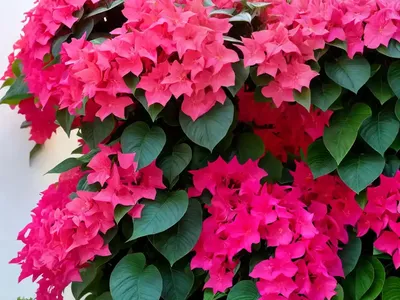
- Bougainvillea bracts come in a stunning range of colors, including shades of pink, orange, purple, red, and magenta, creating a visually striking display when in full bloom.
Links to External Resources
For additional information and resources related to Great Bougainvillea, consider exploring the following links:
- Bougainvillea: A Spectacular Plant for the Tropics
- Growing Bougainvillea
- Bougainvillea – National Gardening Association
- Bougainvillea Care Guide
- Bougainvillea Species Profile
Great Bougainvillea, with its riot of vibrant colors and remarkable adaptability, continues to captivate plant enthusiasts and landscape designers alike. Whether adorning garden landscapes, cascading over trellises, or thriving in containers, this tropical beauty brings an unmistakable allure to any setting, making it a cherished addition to gardens and outdoor spaces around the world.
In closing, we hope this comprehensive guide has provided valuable insights into the culture, care, and fascinating attributes of Great Bougainvillea, encouraging a deeper appreciation for this magnificent plant and its remarkable ornamental value.