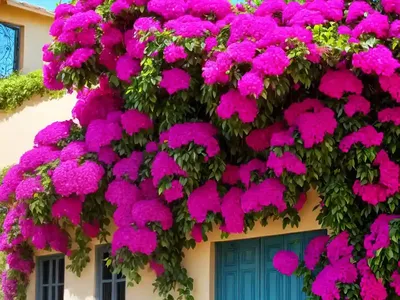
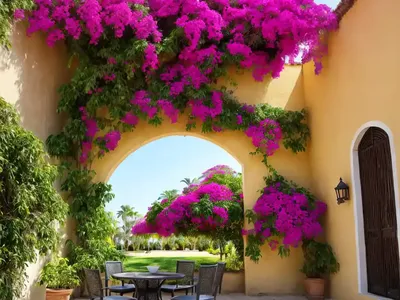
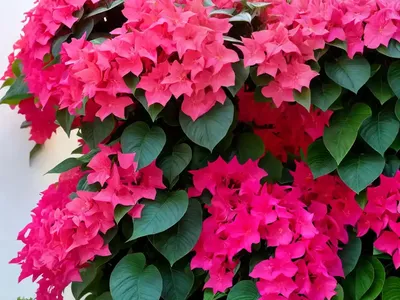
Paper-flower (Bougainvillea Glabra)
When it comes to ornamental plants, the paper-flower plant, or Bougainvillea glabra, stands out with its vibrant and colorful bracts that add a touch of.
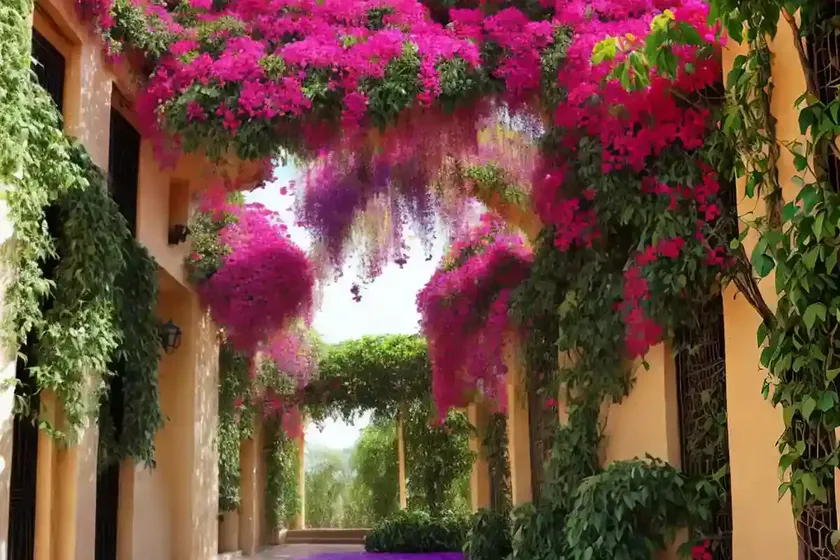
Introduction
When it comes to ornamental plants, the paper-flower plant, or Bougainvillea glabra, stands out with its vibrant and colorful bracts that add a touch of beauty to any garden or landscape. This plant is known for its drought tolerance and longevity, making it a popular choice in many regions around the world. In this comprehensive guide, we will delve into the various aspects of the paper-flower plant, from its cultural requirements to its propagation methods, common diseases and pests, and interesting facts. Whether you’re a seasoned gardener or a beginner looking to add some color to your garden, this guide will equip you with the knowledge to care for and appreciate the stunning Bougainvillea glabra.
What is the Paper-Flower Plant (Bougainvillea glabra)?
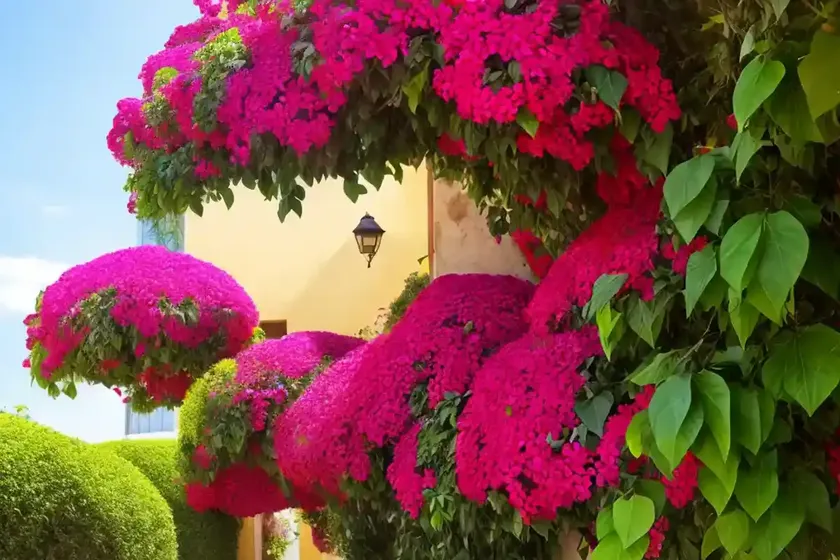
The paper-flower plant, scientifically known as Bougainvillea glabra, is a species of flowering plant native to South America, including Brazil, Peru, and Argentina. It belongs to the Nyctaginaceae family and is renowned for its vibrant and papery bracts, which are often mistaken for its flowers. The true flowers of the Bougainvillea are small and usually white, while the bracts that surround them come in an array of hues, including pink, red, purple, orange, and white.
Bougainvillea glabra is a vigorous, evergreen, woody vine that can grow up to 30 feet in height when left unpruned. Its rapid growth and thorny nature make it an excellent choice for creating natural barriers and providing privacy in gardens and landscapes. Additionally, its ability to tolerate various soil conditions and its resistance to drought make it a low-maintenance yet visually striking plant.
Key Takeaways – Paper-Flower (Bougainvillea glabra)
Before we dive into the specific care requirements for the paper-flower plant, let’s take a quick look at the key takeaways of Bougainvillea glabra:
- Common Name: Paper-Flower
- Scientific Name: Bougainvillea glabra
- Family: Nyctaginaceae
- Native Region: South America
- Notable Feature: Vibrant, papery bracts that resemble flowers
- Growth Habit: Vigorous, woody vine
- Bract Colors: Pink, red, purple, orange, white
- Special Characteristics: Drought-tolerant, thorny, rapid growth
With these key points in mind, let’s explore the various aspects of caring for and appreciating the beauty of the Bougainvillea glabra.
Culture
Water
Proper watering is crucial for the health and vibrancy of the paper-flower plant. While Bougainvillea glabra is known for its drought tolerance, it still requires regular watering, especially during the growing season. However, it’s important to allow the soil to dry out between watering sessions to prevent waterlogged conditions, which can lead to root rot.
- Young Plants: Newly planted or potted paper-flower plants should be watered thoroughly after planting to help establish their root systems. After the initial watering, allow the soil to dry out slightly before watering again.
- Mature Plants: Once established, mature Bougainvillea glabra plants should be watered deeply but infrequently. Water them when the soil feels dry to the touch, and be mindful of extended dry periods, especially during the hot summer months.
It’s worth noting that overwatering can cause the paper-flower plant to produce an abundance of foliage at the expense of colorful bracts. Therefore, a balanced watering approach is essential for encouraging the characteristic vibrant display of Bougainvillea glabra.
Sunlight
Paper-flower plants thrive in full sun, meaning they require at least 6 to 8 hours of direct sunlight per day to flourish. Placing them in a sunny location not only promotes robust growth and abundant flowering but also intensifies the colors of their iconic bracts. While Bougainvillea glabra can tolerate partial shade, it may result in fewer blooms and less vivid bract colors.
When selecting a site for planting or positioning potted paper-flower plants, prioritize areas that receive ample sunlight throughout the day. In regions with scorching summers, some afternoon shade can provide relief from the intense heat without compromising the plant’s overall health and blooming potential.
Soil
The paper-flower plant is relatively adaptable when it comes to soil types, thriving in well-draining soils with a slightly acidic to neutral pH. Whether in the ground or in containers, the ideal soil for Bougainvillea glabra should be loose, fertile, and capable of allowing excess water to escape, preventing waterlogged conditions.
To enhance soil drainage and aeration, consider amending heavy soils with organic matter, such as compost or well-rotted manure, before planting new paper-flower specimens. This helps create an optimal growing environment for the plant’s roots and supports healthy growth and development.
Fertilizer
Proper fertilization is essential for promoting the vigorous growth and prolific flowering of the paper-flower plant. Bougainvillea glabra benefits from regular applications of balanced, slow-release fertilizers that provide essential nutrients without promoting excessive foliage growth at the expense of flowers.
When fertilizing the paper-flower plant, consider the following guidelines:
- Frequency: Apply fertilizer every 4 to 6 weeks during the growing season, which typically spans from spring to early fall.
- Type: Choose a fertilizer with a balanced NPK ratio, such as 10-10-10 or 20-20-20, to ensure that the plant receives a consistent supply of nitrogen, phosphorus, and potassium.
- Application: Distribute the fertilizer evenly around the root zone of the plant, avoiding direct contact with the stems or foliage. Water the plant thoroughly after fertilization to help the nutrients penetrate the soil and reach the roots effectively.
It’s important to note that excessive fertilization can lead to rampant vegetative growth and diminished flowering, so it’s best to adhere to the recommended feeding schedule and dosage for optimal results.
Uses
The paper-flower plant, with its stunning bracts and versatile growth habit, has numerous practical and aesthetic uses in gardens, landscapes, and various settings. Here are some common applications of Bougainvillea glabra:
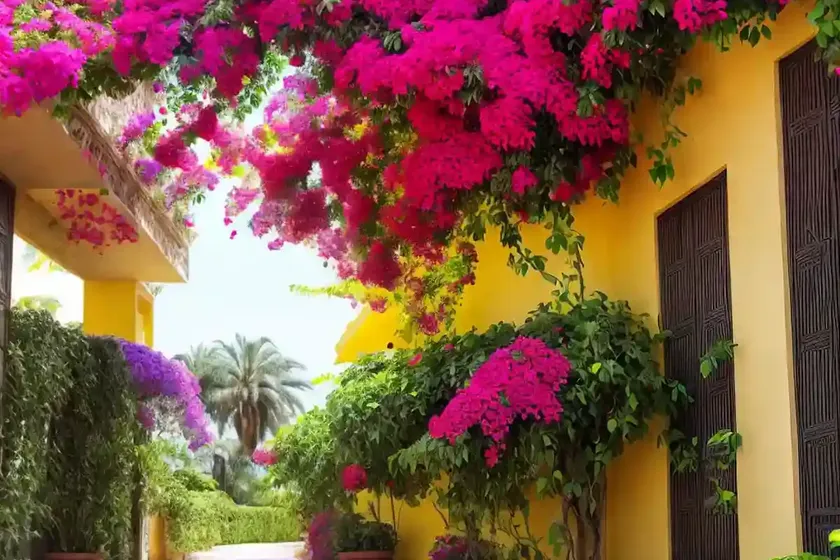
- Garden Ornament: Paper-flower plants serve as excellent ornamental additions to gardens, where their colorful bracts provide eye-catching displays and contribute to the overall aesthetic appeal of the landscape.
- Privacy Screen: Due to their rapid growth and thorny nature, paper-flower plants are often utilized as natural privacy screens, creating barriers and boundaries within outdoor spaces.
- Container Gardening: Bougainvillea glabra thrives in containers, making it an ideal choice for beautifying patios, balconies, and other outdoor areas with limited ground space.
- Vine Trellising: With proper support, the vigorous growth of the paper-flower plant can be trained to climb trellises, arbors, and fences, adding vertical interest and creating green backdrops.
- Erosion Control: In regions prone to soil erosion, the robust root system and fast growth of Bougainvillea glabra make it a valuable asset for stabilizing slopes and preventing erosion.
- Attracting Pollinators: Although the bracts of Bougainvillea glabra are the main attraction, the plant’s inconspicuous flowers still provide nectar for various pollinators, including bees and butterflies.
As a multi-functional plant with both practical and ornamental uses, the paper-flower plant has become a staple in many landscapes and gardening schemes, contributing to its widespread popularity and appeal.
Pruning
Proper pruning is a key aspect of maintaining the health, shape, and blooming potential of the paper-flower plant. Regular pruning not only helps control the size and spread of Bougainvillea glabra but also encourages new growth and enhances the overall appearance of the plant.
When to Prune
Pruning can be carried out at various times of the year, depending on the specific objectives and the local climate. In general, the best times to prune the paper-flower plant are:
- Spring: After the last frost has passed, prune to shape and remove any dead or damaged branches before the onset of the growing season.
- Midsummer: To encourage a second flush of blooms, perform light pruning during midsummer to remove spent flower bracts and stimulate new growth.
Pruning Techniques
When pruning the paper-flower plant, use sharp, clean pruning shears to make precise cuts and minimize the risk of damage or disease. Follow these techniques for effective and proper pruning:
- Deadheading: Remove spent or faded bracts and flowers by snipping them off just above a leaf node or bud to encourage new growth and repeat flowering.
- Thinning: Thin out dense or overcrowded growth by selectively removing older, less productive branches to improve air circulation and light penetration.
- Shaping: Trim the outermost branches to maintain the desired form and size of the paper-flower plant, creating a tidy and visually appealing appearance.
By employing these pruning techniques at the appropriate times, gardeners can ensure that their Bougainvillea glabra remains healthy, vibrant, and in prime condition for displaying its signature colorful bracts throughout the growing season.
Propagation
The propagation of the paper-flower plant can be achieved through various methods, providing opportunities for gardeners to multiply their Bougainvillea glabra specimens and share their beauty with others. Whether through seeds, cuttings, or layering, propagating the paper-flower plant offers a rewarding experience and the chance to witness the growth and development of new plants.
Seed Propagation
While Bougainvillea glabra can be grown from seeds, this method is relatively slower and less commonly practiced due to the time it takes for the plants to reach maturity and produce vibrant bracts. However, if you’re interested in growing paper-flower plants from seeds, here’s how to go about it:
- Seed Collection: Collect mature, dry seeds from an existing paper-flower plant, ensuring that they are fully developed and viable for germination.
- Seed Preparation: Before sowing, scarify the seeds by gently rubbing them with sandpaper to break the hard outer shell and enhance germination rates.
- Sowing: Plant the scarified seeds in small pots filled with well-draining potting mix and place them in a warm, sunny location that receives indirect sunlight.
- Germination: Keep the soil consistently moist but not waterlogged, and provide warmth to facilitate the germination process, which can take several weeks.
Cutting Propagation
Propagating Bougainvillea glabra from cuttings is the most common and effective method, offering a high success rate and faster results compared to seed propagation. Here’s how to propagate the paper-flower plant from cuttings:
- Cutting Selection: Choose healthy, non-flowering stems that are 4 to 6 inches long and free of any signs of disease or damage.
- Preparation: Make a clean, angled cut just below a leaf node, and remove any leaves from the lower half of the cutting to reduce water loss and encourage root formation.
- Rooting Medium: Dip the cut end of the stem in a rooting hormone powder to stimulate root development, and plant the cutting in a well-draining potting mix or a mix of perlite and peat moss.
- Propagation Environment: Place the potted cutting in a warm, bright location with indirect sunlight and maintain consistent moisture levels, avoiding waterlogging.
- Root Development: Monitor the cutting for new growth and root development, and gently tug on the stem after a few weeks to check for resistance, indicating successful rooting.
Layering
Layering is another propagation method that is well-suited to the trailing and climbing habits of Bougainvillea glabra, allowing gardeners to create new plants from existing ones without severing the stems. Follow these steps to propagate the paper-flower plant through layering:
- Stem Selection: Identify a healthy, flexible stem near the base of the paper-flower plant and gently remove the leaves from a section that will be buried in the soil.
- Wound the Stem: Create a small wound or remove a thin strip of bark from the buried section of the stem to promote the formation of roots.
- Soil Contact: Bury the wounded section of the stem in a prepared planting hole, ensuring that it makes direct contact with the soil and is held in place with a small stake or rock.
- Rooting: Wait for the buried section to produce roots, regularly checking for signs of new growth and maintaining consistent soil moisture to support root development.
- Separation: Once the layered stem has developed a robust root system, carefully separate it from the parent plant and transplant it into its own container or planting site.
By exploring these propagation methods and experimenting with different techniques, gardeners can expand their collection of paper-flower plants and share the beauty of Bougainvillea glabra with fellow plant enthusiasts and gardening enthusiasts.
Container Popularity
The paper-flower plant’s adaptability to container cultivation has contributed to its popularity among gardeners, urban dwellers, and individuals with limited outdoor space. When grown in containers, Bougainvillea glabra serves as a versatile and vibrant addition to patios, balconies, and other outdoor settings, offering a wealth of benefits and aesthetic appeal.
Advantages of Container Cultivation
The popularity of growing paper-flower plants in containers can be attributed to several advantages and practical considerations, including:
- Limited Space: Container gardening allows individuals with small outdoor areas, such as balconies or terraces, to enjoy the beauty of Bougainvillea glabra without needing expansive garden beds or landscapes.
- Portability: Containers offer the flexibility to move and rearrange the plants as desired, providing options to optimize sun exposure, airflow, and visual impact.
- Climate Control: In regions with harsh winters or extreme weather conditions, container-grown paper-flower plants can be brought indoors or placed in sheltered locations to protect them from adverse effects.
- Decorative Element: The colorful bracts of Bougainvillea glabra add visual interest and a touch of natural beauty to outdoor living spaces, enhancing the overall ambiance and aesthetics.
When selecting containers for growing paper-flower plants, opt for spacious pots with adequate drainage holes to promote healthy root growth and prevent waterlogging. Additionally, consider using well-draining potting mixes and incorporating a layer of mulch to retain moisture and protect the roots from extreme temperatures.
Common Diseases
While the paper-flower plant is generally resilient and low-maintenance, it can still be susceptible to certain diseases, particularly under unfavorable growing conditions or when exposed to stress factors. Recognizing and addressing common diseases promptly is crucial for preserving the health and vigor of Bougainvillea glabra, ensuring that it continues to thrive and produce its iconic bracts.
Disease Diagnosis
Several common diseases can affect the paper-flower plant, manifesting as visible symptoms or changes in its overall health. Gardeners should familiarize themselves with the following diseases and their telltale signs to facilitate early diagnosis and targeted treatment:
- Powdery Mildew: Identified by the presence of white, powdery patches on the leaves, stems, and flowers, powdery mildew can weaken the paper-flower plant and hinder its growth and blooming.
- Leaf Spot: Leaf spot diseases cause dark, round lesions or spots on the foliage, potentially leading to defoliation and reduced photosynthetic capacity in Bougainvillea glabra.
- Root Rot: Excessive moisture and poorly drained soils can trigger root rot, characterized by wilting, yellowing, or browning of the leaves and weakened overall plant vigor.
Treatment and Prevention
To combat and prevent common diseases in the paper-flower plant, gardeners can implement various measures and best practices to maintain the plant’s health and vitality:
- Cultural Practices: Ensure proper spacing between plants, promote good air circulation, and avoid overcrowding to minimize the risk of disease spread and development.
- Sanitation: Remove and dispose of any diseased or fallen plant material, including leaves and flowers, to prevent the accumulation of pathogens and the recurrence of diseases.
- Fungicidal Sprays: Apply targeted fungicidal sprays or horticultural oils as recommended to combat specific diseases, following the manufacturer’s instructions for safe and effective use.
By incorporating these disease management strategies into their care routines, gardeners can safeguard the vibrancy and resilience of the paper-flower plant, preserving its iconic bracts and maintaining its overall visual appeal.
Common Pests
In addition to diseases, the paper-flower plant may encounter various pests that can impact its growth, appearance, and overall vitality. Vigilant monitoring and proactive pest management are essential for protecting Bougainvillea glabra from potential infestations and minimizing the risk of damage to the plant.
Common Pests
Gardeners should be attentive to the following common pests that may target the paper-flower plant and take appropriate measures to address infestations promptly:
- Aphids: Small, soft-bodied insects that congregate on new growth and undersides of leaves, sucking sap and causing distortion or yellowing of foliage.
- Spider Mites: Nearly microscopic pests that infest the undersides of leaves and create fine webbing, leading to stippled, discolored foliage and diminished plant vigor.
- Scale Insects: Often found on stems and leaf undersides, scale insects excrete sticky honeydew and weaken the paper-flower plant through sap extraction, resulting in stunted growth and yellowing leaves.
Pest Control Strategies
To effectively manage and control common pests affecting Bougainvillea glabra, gardeners can employ integrated pest management (IPM) strategies and non-chemical controls to minimize reliance on pesticides. Here are some recommended approaches for dealing with common pests:
- Natural Predators: Encourage the presence of beneficial insects and natural predators, such as ladybugs and lacewings, which feed on aphids and other small pests.
- Horticultural Oils: Apply horticultural oils or insecticidal soaps to suffocate and disrupt the life cycles of pests while minimizing harm to beneficial insects.
- Physical Removal: Handpick larger pests, such as scale insects, and gently scrub infested areas with a soft brush and soapy water to dislodge and remove them from the plant.
By combining these pest control strategies with regular monitoring and attention to the health of the paper-flower plant, gardeners can maintain a balanced and harmonious growing environment while protecting Bougainvillea glabra from potential pest-related stress and damage.
Botanist’s Tips
As a plant scientist with a passion for understanding and appreciating the natural world, I would like to offer some practical tips and insights for cultivating and caring for the paper-flower plant, drawing from my knowledge and experience in plant biology and horticulture. These botanist’s tips aim to enhance the connection between gardeners and Bougainvillea glabra, promoting a deeper understanding of its unique characteristics and fostering a harmonious partnership between humans and plants.
Tip 1: Embrace the Versatility
One of the most remarkable aspects of the paper-flower plant is its versatility in various settings and growing conditions. Whether as a sprawling vine, a compact container specimen, or a vibrant landscape feature, Bougainvillea glabra adapts and thrives, offering a wealth of possibilities for