Bog Bilberry (Vaccinium Uliginosum)
Plants are an essential part of our ecosystem and play a crucial role in maintaining the balance of nature. Amongst the diverse flora, the bog bilberry.
Introduction
Plants are an essential part of our ecosystem and play a crucial role in maintaining the balance of nature. Amongst the diverse flora, the bog bilberry (Vaccinium uliginosum) stands out as a fascinating and valuable plant species. In this comprehensive guide, we will explore the various aspects of the bog bilberry, including its cultural significance, uses, growth conditions, care, and ecological impact.
What is Bog Bilberry (Vaccinium uliginosum)
Description
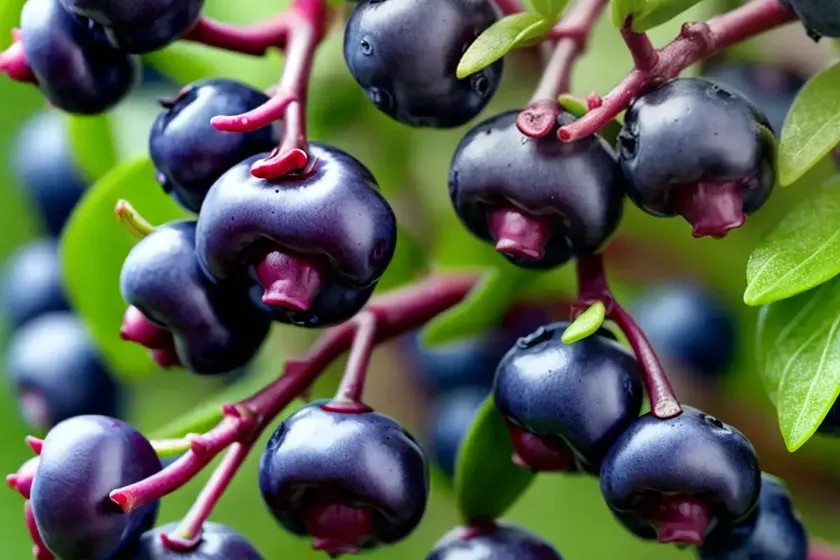
The bog bilberry, scientifically known as Vaccinium uliginosum, is a species of flowering plant in the heath family Ericaceae. It is native to several regions, including Northern Europe, Asia, and North America. This deciduous shrub typically grows to a height of 10-60 cm, forming dense colonies. The plant’s leaves are oval, alternate, and have finely serrated margins.
Habitat
Bog bilberry is predominantly found in wet, acidic soils, often in marshes, bogs, and wetlands. It thrives in cool to moderate climates and is known for its resilience in harsh environmental conditions. The plant plays a vital role in the ecosystem, providing food and habitat for various wildlife species.
Flowering and Fruiting
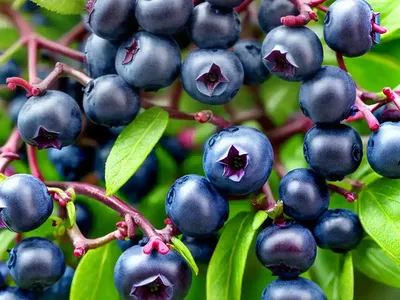
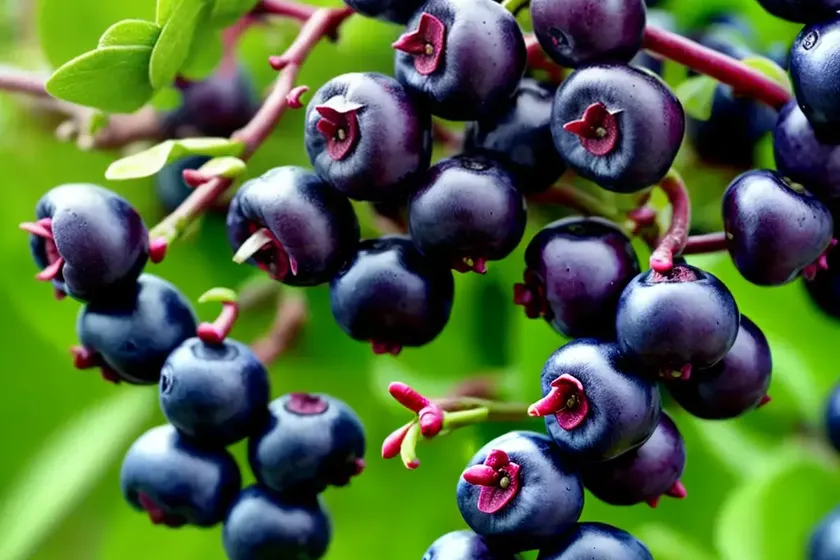
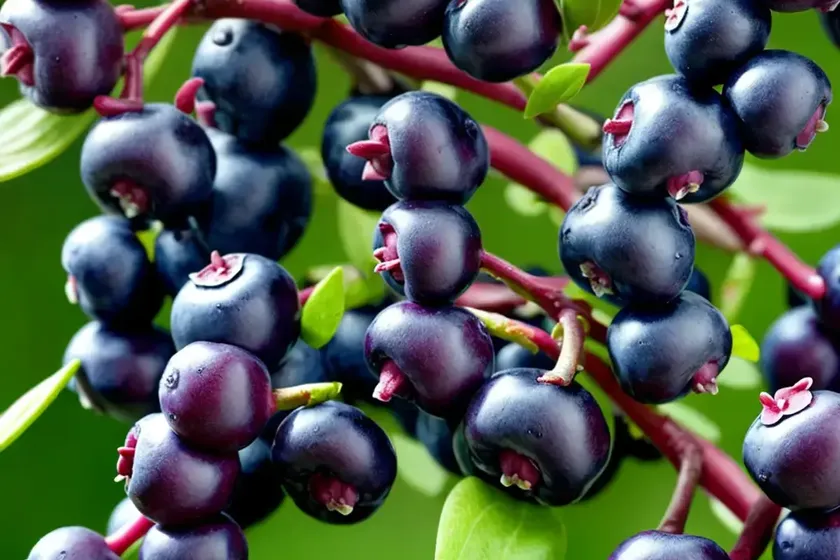
During the flowering season, the bog bilberry produces small, bell-shaped, white to pinkish flowers that bloom in clusters. These blossoms transform into edible, dark blue berries that are known for their unique flavor and nutritional benefits.
Ethnobotanical Significance
The bog bilberry has been a significant plant in various cultures, contributing to traditional medicine, folklore, and culinary practices. Its berries have been widely used for their medicinal properties and as a source of natural dye.
Key Takeaways – Bog Bilberry (Vaccinium uliginosum)
Before delving into the detailed aspects of the bog bilberry, here are the key takeaways that will be explored in depth in this guide:
- Health Benefits: The nutritional and medicinal advantages of consuming bog bilberry.
- Properties: Unique characteristics and properties of Vaccinium uliginosum.
- Growing Conditions: The optimal environmental conditions for cultivating bog bilberry.
- Cultivation Tips: Best practices for growing and caring for bog bilberry plants.
- Uses: The diverse applications of Vaccinium uliginosum, including culinary and medicinal uses.
- Species Information: Understanding the biology and taxonomy of the bog bilberry.
- Gardening: Tips for incorporating bog bilberry into your garden or landscape.
- Nutritional Value: The nutritional composition and value of bog bilberry berries.
- Habitat: The natural habitat requirements for cultivating bog bilberry.
- Plant Care: Essential care guidelines for maintaining healthy bog bilberry plants.
Now, let’s explore each of these aspects in detail to gain a comprehensive understanding of the bog bilberry and its significance.
Culture
Ethnobotanical and Folklore Significance
Bog bilberry holds immense cultural and ethnobotanical significance in various regions where it is found. The plant has historical roots in traditional medicine and cultural practices, and its berries have been utilized for their medicinal properties and as a natural dye. In folklore and mythology, the bog bilberry often symbolizes resilience, abundance, and healing.
Culinary Uses
From a culinary standpoint, bog bilberry berries have long been utilized in traditional recipes, lending their distinct flavor and nutritional benefits to pies, jams, juices, and desserts. The berries are known for their rich anthocyanin content, imparting both color and antioxidants to dishes.
Traditional Medicine
The traditional medicinal uses of bog bilberry encompass a wide array of conditions, drawing on its anti-inflammatory, antioxidant, and astringent properties. The berries have been utilized to support eye health, improve circulation, and alleviate gastrointestinal discomfort, among other applications.
Natural Dye
The deep blue pigment found in bog bilberry berries has been historically used as a natural dye, imparting vibrant hues to textiles and artworks. This traditional dyeing practice highlights the versatile applications of the plant beyond its culinary and medicinal uses.
Uses
Nutritional Value
Bog bilberry berries are not only prized for their unique flavor but also for their nutritional content. They are rich in antioxidants, particularly anthocyanins, which contribute to their deep blue color and provide several health benefits. The berries also contain vitamins C and E, as well as dietary fiber, making them a valuable addition to a balanced diet.
Medicinal Properties
The medicinal properties of bog bilberry have been recognized for centuries, and contemporary research continues to unveil new insights into its potential health benefits. Studies have highlighted its anti-inflammatory, antioxidant, and antimicrobial properties, suggesting its potential in supporting various aspects of human health.
Natural Remedies
Beyond its direct consumption, bog bilberry has been incorporated into various natural remedies and herbal preparations. Extracts from the plant have been used in tinctures, teas, and topical formulations, offering potential benefits for skin health, immune support, and overall well-being.
Water
Watering Requirements
Bog bilberry, as its name suggests, has an affinity for moist environments. When cultivated, it is essential to maintain consistently moist soil to mimic its natural habitat. However, it is crucial to avoid waterlogging, as excessive moisture can lead to root rot and other detrimental effects.
Soil Moisture Management
To manage soil moisture effectively, consider using well-draining, acidic soil that retains moisture without becoming waterlogged. Mulching around the base of the plant can also help retain soil moisture and suppress weed growth, contributing to the overall health of the bog bilberry.
Sunlight
Light Requirements
In its natural habitat, bog bilberry thrives in partially shaded to fully shaded conditions, often found in the understory of forested areas. When cultivating bog bilberry, it is essential to provide dappled sunlight or partial shade to mimic its natural environment.
Shading Techniques
In regions with intense sunlight, providing shade cloth or situating the plants near taller vegetation can help create the optimal light conditions for bog bilberry cultivation.
Fertilizer
Nutrient Requirements
Bog bilberry exhibits a preference for acidic soils with low nutrient levels. When considering fertilization, it is important to use low-nitrogen, acidic fertilizers sparingly, if at all. Excessive nitrogen can lead to excessive vegetative growth at the expense of fruit production.
Organic Amendments
In lieu of traditional fertilizers, incorporating organic matter such as pine needles, composted bark, or leaf mold can help maintain soil acidity and provide slow-release nutrients tailored to the plant’s preferences.
Soil
Soil Acidity
Acidic soil is a fundamental requirement for the successful cultivation of bog bilberry. The ideal pH range for the plant typically falls between 4.0 and 5.5, with a strong preference for soil with lower pH levels.
Acidic Soil Modification
If the natural soil pH is higher than the desired range, consider incorporating elemental sulfur or acidic organic materials to gradually adjust the soil acidity over time.
Soil Texture
In addition to acidity, bog bilberry benefits from well-draining, sandy or loamy soil with good moisture retention. High organic matter content in the soil contributes to the plant’s overall health and productivity.
Pruning
Maintenance Pruning
While bog bilberry typically has a compact growth habit, occasional maintenance pruning can help manage plant shape and remove any damaged or diseased branches.
Harvest Pruning
Harvest pruning is particularly relevant to bog bilberry cultivation, where the removal of older stems can stimulate new growth and fruit production. This practice can lead to increased yields and healthier, more vigorous plants.
Propagation
Propagation Methods
Bog bilberry can be propagated through various methods, including seed propagation, division, and softwood cuttings. Each technique offers distinct advantages and is suited to different circumstances, from large-scale propagation to home gardening.
Seed Propagation
Propagation from seeds is a common method for increasing bog bilberry populations, particularly in habitat restoration and conservation efforts. Germination rates can be improved by stratifying the seeds, mimicking the natural environmental conditions necessary for sprouting.
Division
Dividing established bog bilberry plants is an effective way to propagate the species while maintaining the genetic characteristics of the parent plant. This method is often used in garden settings to multiply desirable cultivars.
Softwood Cuttings
Softwood cuttings offer a rapid propagation method, allowing for the creation of new bog bilberry plants in a relatively short timeframe. This technique is particularly useful for producing uniform, healthy plants for landscape or commercial cultivation.
Container Popularity
Container Gardening
Although bog bilberry is naturally found in wetland environments, it is possible to grow the plant in containers, providing proper moisture and soil conditions are maintained. Container gardening allows for greater control over the cultivation environment and is particularly useful for individuals without suitable outdoor planting areas.
Patio and Balcony Gardening
For urban and space-limited settings, bog bilberry can thrive in large containers on patios and balconies, bringing its unique characteristics and potential harvests closer to urban dwellers.
Watering Considerations
Container-grown bog bilberry plants require careful management of soil moisture, as containers can either retain too much water or dry out quickly. Monitoring soil moisture levels and providing consistent, appropriate watering is crucial for successful container cultivation.
Common Diseases
Fungal Diseases
Bog bilberry is susceptible to certain fungal diseases, particularly in conditions of high humidity or prolonged moisture. Common diseases include leaf spot, powdery mildew, and various root rots.
Disease Prevention
To minimize the risk of fungal diseases, it is essential to provide good air circulation, manage soil moisture effectively, and avoid overhead watering to prevent prolonged leaf wetness. Selecting disease-resistant cultivars can also contribute to disease prevention.
Disease Diagnosis
Symptoms
Diagnosing diseases in bog bilberry plants involves observing and identifying specific symptoms, which can include discoloration, lesions, wilting, and abnormal growth patterns. Accurately identifying the symptoms is crucial in determining the appropriate course of action for disease management.
Treatment Options
Treatment for fungal diseases in bog bilberry can include the use of fungicidal sprays, cultural practices to improve plant health, and the removal of infected plant material to prevent the spread of pathogens.
Common Pests
Insect Pests
Bog bilberry can be affected by various insect pests, including aphids, mites, and caterpillars. These pests can cause damage to the foliage, affect plant growth, and reduce fruit quality.
Integrated Pest Management
Implementing integrated pest management (IPM) practices can help control and manage insect pests effectively. This approach involves the use of natural predators, cultural practices, and selective pesticide application to minimize pest damage while avoiding negative impacts on non-target organisms.
Botanist’s Tips
Ecosystem Integration
From a botanical perspective, incorporating bog bilberry into natural ecosystems and landscapes can contribute to biodiversity, habitat restoration, and wildlife conservation. Its value extends beyond its immediate uses, playing a role in supporting and enriching the surrounding environment.
Conservation Efforts
Bog bilberry conservation efforts are important in preserving this species, especially in regions where its natural habitats are threatened by human activities, habitat loss, and climate change. Participating in conservation projects, promoting habitat preservation, and supporting ethical cultivation practices are essential for ensuring the longevity of bog bilberry populations.
Fun Facts
- In certain cultures, bog bilberry has been associated with folklore and traditional customs, often symbolizing abundance, healing, and protection.
- Bog bilberry is also known as “bog blueberry” or “tundra bilberry,” reflecting its prevalence in boggy and subarctic regions.
- The dark blue pigments found in the berries have been historically used as natural dyes for textiles and artworks, showcasing the plant’s multiple uses.
- Bog bilberry is a key food source for several wildlife species, playing an essential role in their diet and contributing to the overall biodiversity of their habitats.
Links to External Resources
For further information on the topics discussed in this guide, here are some valuable external resources:
- Cultivation of Vaccinium uliginosum as a Commercial Crop
- Bog Bilberry: A Traditional Medicinal Plant with Health Benefits
- Vaccinium uliginosum: Potential Ecological Impact and Conservation Efforts
- Traditional Uses and Folklore Significance of Bog Bilberry
- Culinary and Nutritional Aspects of Bog Bilberry
In conclusion, the bog bilberry (Vaccinium uliginosum) is a remarkable plant with a rich history, diverse uses, and ecological significance. Understanding its cultural, culinary, and ecological roles can provide valuable insights into biodiversity, sustainability, and traditional knowledge. Whether cultivated for its berries, integrated into ecological restoration projects, or celebrated for its cultural significance, the bog bilberry represents a fascinating and valuable component of our natural world.