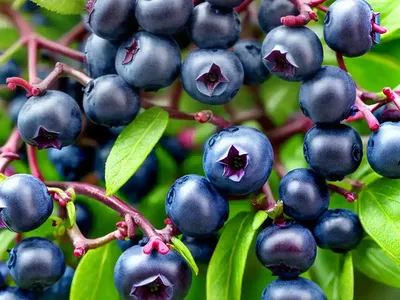
Blueberry Bush (Cyanococcus)
The blueberry bush, scientifically known as Cyanococcus, is a delectable and nutritional fruit-bearing shrub that has captivated gardeners and plant.
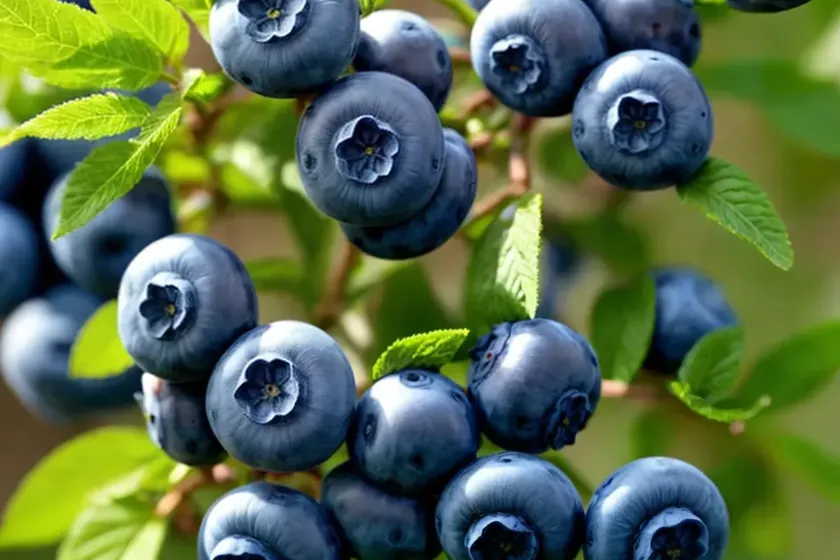
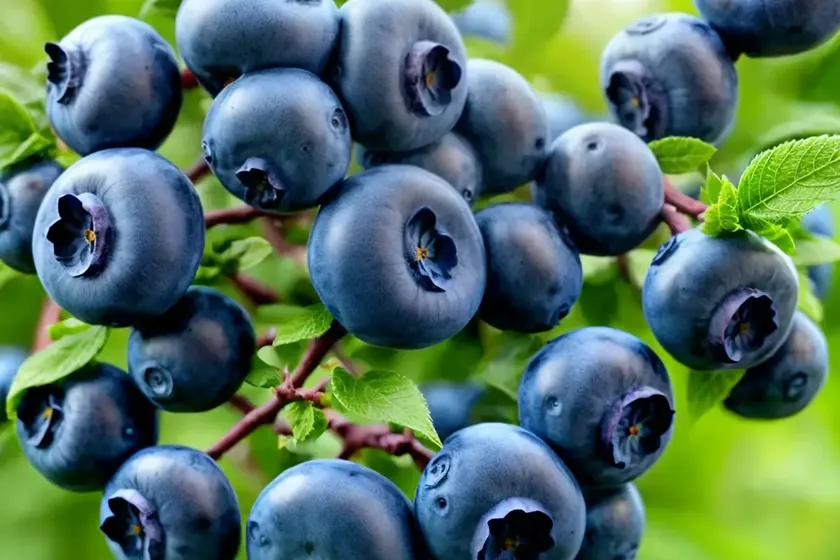
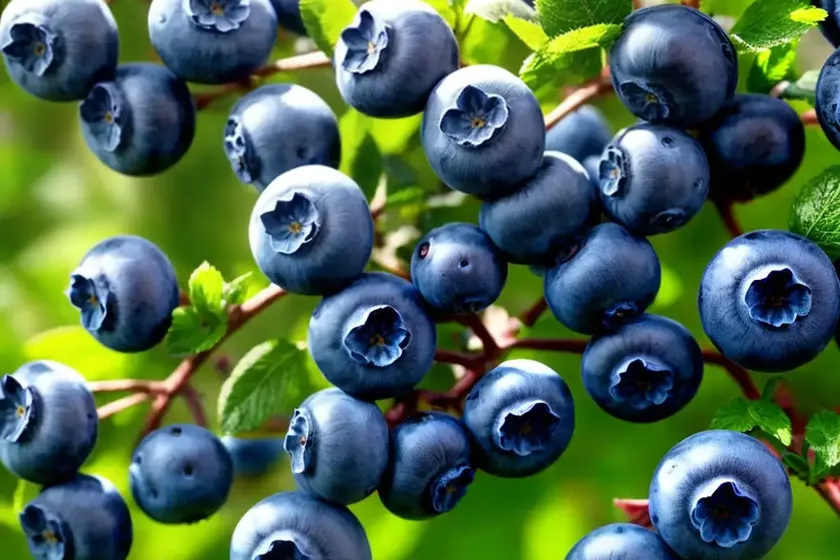
The blueberry bush, scientifically known as Cyanococcus, is a delectable and nutritional fruit-bearing shrub that has captivated gardeners and plant enthusiasts for decades. With its charming white flowers, vibrant green foliage, and delicious fruits, the blueberry bush is a versatile and rewarding addition to any garden or landscape. In this comprehensive guide, we will walk through everything you need to know about the cultivation, care, and maintenance of blueberry bushes.
Understanding the Blueberry Bush
Blueberry bushes belong to the genus Vaccinium and are native to North America. They are primarily known for their delicious and nutrient-rich blueberries which are often incorporated into a wide array of culinary delights, including pies, jams, and smoothies. These bushes are prized for their ornamental qualities as well, and they can add aesthetic appeal to gardens and landscapes with their delicate white blossoms in spring, lush green foliage in summer, and vibrant red foliage in fall.
Blueberry bushes are perennial plants, meaning they live for more than two years, and can thrive for decades with proper care. Depending on the variety, these bushes can range in size from compact, dwarf cultivars to larger, more vigorous types. Their versatility in size makes them suitable for various gardening scenarios, including containers, hedgerows, and ornamental beds.
With the right growing conditions and care regimen, blueberry bushes can be highly productive, and their fruits are celebrated for their high levels of antioxidants and vitamins. They are also known for being relatively low-maintenance, making them an attractive option for both experienced and novice gardeners.
Key Takeaways – Blueberry Bush (Cyanococcus)
Before delving into the specific aspects of cultivating and caring for blueberry bushes, here are some key takeaways that will guide our exploration of this delightful plant.
- Blueberry bushes are valued for their delicious fruits and ornamental qualities.
- They belong to the genus Vaccinium and are native to North America.
- With proper care, blueberry bushes can live for decades and provide bountiful harvests.
- They are relatively low-maintenance and can thrive in various gardening settings.
- The fruits of the blueberry bush are renowned for their high antioxidant content and nutritional benefits.
Now that we have a foundational understanding of the blueberry bush, let’s delve into the specifics of cultivating and caring for these delightful plants.
Culture
Uses
The blueberry bush is celebrated for its dual-purpose nature, offering both ornamental appeal and delicious fruits.
- Ornamental Appeal: Blueberry bushes are adorned with delicate white flowers in spring, lush green foliage in summer, and vibrant red leaves in fall, making them an attractive addition to any garden or landscape.
- Fruit Production: One of the primary uses of blueberry bushes is the production of delicious and nutritious fruits. Depending on the variety, blueberries can be enjoyed fresh, frozen, or incorporated into a variety of culinary creations.
Water
Proper watering is essential for the health and productivity of blueberry bushes. They require consistent moisture, especially during the fruit development stage. Here’s a breakdown of their water requirements:
- Regular Watering: Blueberry bushes thrive in consistently moist soil. While they don’t tolerate waterlogged conditions, they also don’t respond well to dry spells. Aim to keep the soil consistently moist, especially during periods of fruit development and hot weather.
- Deep Watering: When irrigating blueberry bushes, focus on deep watering rather than frequent shallow watering. This encourages the development of a deep and robust root system, which is crucial for the long-term health of the plant.
Sunlight
The right amount of sunlight is essential for the growth and fruit production of blueberry bushes. Understanding their sunlight preferences will contribute to their overall health and productivity.
- Full Sun: Blueberry bushes thrive in full sun, which is defined as at least six hours of direct sunlight per day. In locations with intense afternoon sun, providing some light afternoon shade can be beneficial, especially in regions with hot summers.
- Partial Shade: While blueberry bushes do best in full sun, they can tolerate partial shade, particularly in regions with scorching summers. However, the fruit yield may be reduced in shaded conditions.
Fertilizer
Proper fertilization is crucial for the overall health and productivity of blueberry bushes. By understanding their specific nutritional needs, gardeners can ensure that these plants receive the essential nutrients for robust growth and fruit production.
- Acidic Soil: Blueberry bushes thrive in acidic soil with a pH level between 4.5 and 5.5. It is essential to maintain this acidic environment to facilitate nutrient uptake and overall plant health.
- Fertilizer Formulation: When fertilizing blueberry bushes, it is important to use a fertilizer specifically formulated for acid-loving plants, often referred to as “azalea” or “rhododendron” fertilizer. These formulations are designed to provide the essential nutrients while maintaining acidic soil conditions.
- Timing: Fertilize blueberry bushes in early spring before new growth emerges and again in late spring or early summer to support fruit development. Avoid fertilizing late in the growing season, as it can promote late-season growth that may be susceptible to frost damage.
Soil
Understanding the soil requirements of blueberry bushes is essential for creating an optimal growing environment for these plants. Here are the key considerations related to soil:
- Acidic pH: Blueberry bushes thrive in acidic soil with a pH level between 4.5 and 5.5. It is crucial to test the soil pH and, if necessary, amend it to achieve the ideal acidic conditions. Adding elemental sulfur or acidic organic materials such as peat moss can help lower the pH of the soil.
- Well-Draining: While blueberry bushes require consistently moist soil, they are susceptible to root rot in waterlogged conditions. Therefore, it is important to ensure that the soil is well-draining to prevent excessive water retention.
- Organic Matter: Incorporating organic matter such as compost, leaf mold, or pine bark mulch into the soil can improve its structure and nutrient content, creating an ideal growing medium for blueberry bushes.
Pruning
Pruning is an essential aspect of blueberry bush care, contributing to the plant’s overall health, fruit production, and aesthetic appeal.
- Removal of Dead Wood: Regularly remove any dead, damaged, or diseased wood from the blueberry bush. This promotes air circulation, reduces the risk of disease, and encourages new growth.
- Thinning: Thinning out crowded branches and canes can help improve sunlight penetration and air circulation within the plant, promoting better fruit development and overall vigor.
- Annual Pruning: Blueberry bushes benefit from annual pruning to maintain an open and balanced growth habit. This typically involves selective removal of older wood and unproductive branches to encourage new growth and fruiting wood.
Propagation
Propagating blueberry bushes allows gardeners to expand their plant collection or replace older plants with younger, more vigorous specimens. There are several methods for propagating blueberry bushes, including:
- Softwood Cuttings: Propagating blueberry bushes from softwood cuttings involves taking young, tender shoots from the current season’s growth and rooting them in a suitable growing medium.
- Hardwood Cuttings: Hardwood cuttings, taken from mature, dormant wood in late winter, can also be used to propagate blueberry bushes. Rooting hormone may be applied to enhance the chances of successful rooting.
- Division: In mature blueberry bushes, division can be used to propagate new plants. This involves carefully separating sections of the plant, each with its own root system, and transplanting them to new locations.
Container Popularity
Blueberry bushes are well-suited for container gardening, making them an ideal option for gardeners with limited space or those looking to grow blueberries on patios, balconies, or even indoors.
- Dwarf Varieties: Compact, dwarf varieties of blueberry bushes are especially popular for container gardening. These cultivars are well-suited to confined spaces and can thrive in containers on patios and balconies.
- Adaptability: Blueberry bushes can adapt well to container growth, provided that they receive adequate sunlight, water, and nutrients. Their ornamental qualities and productivity make them a charming addition to container gardens.
Common Diseases
Understanding the potential diseases that can affect blueberry bushes is crucial for maintaining their health and productivity. Several common diseases can impact these plants, including:
- Powdery Mildew: Powdery mildew is a fungal disease that can affect the foliage of blueberry bushes, leading to a white, powdery coating on the leaves. Proper air circulation and fungicidal treatments can help manage this disease.
- Anthracnose: Anthracnose, caused by fungal pathogens, can result in brown lesions on leaves and fruits. Pruning affected plant parts and applying fungicidal sprays can aid in managing this disease.
- Mummy Berry: Mummy berry is a fungal disease that affects blueberry fruits, causing them to shrivel and become discolored. Implementing proper sanitation practices and applying fungicidal treatments can help control this disease.
- Botrytis Blight: Also known as gray mold, botrytis blight causes grayish-brown spots on leaves and fruits. Removing and destroying affected plant parts and ensuring proper air circulation can contribute to disease management.
Disease Diagnosis
Diagnosing diseases in blueberry bushes involves careful observation, examination of plant symptoms, and, in some cases, laboratory analysis. By paying close attention to the following aspects, gardeners can identify and address potential disease issues:
- Foliage Symptoms: Leaf spots, discoloration, abnormal growth, and powdery coatings on the foliage may indicate fungal or bacterial diseases.
- Fruit Symptoms: Abnormal fruit development, lesions, discoloration, or signs of decay can signal potential disease issues in blueberry bushes.
- Stem and Branch Symptoms: Cankers, lesions, or dieback in stems and branches may indicate fungal or bacterial diseases affecting the vascular system of the plant.
Once potential disease symptoms are identified, it is imperative to take prompt action to address the issue and prevent its spread to other parts of the plant.
Common Pests
Blueberry bushes are susceptible to various pests that can impede their growth and fruit production. Identifying and managing these pests is crucial for maintaining the health and vitality of the plants. Common pests that can affect blueberry bushes include:
- Blueberry Maggots: The larvae of the blueberry maggot fly feed on blueberry fruits, causing them to become infested and inedible. Monitoring for adult flies and implementing fruit bagging or insecticidal treatments can help manage this pest.
- Japanese Beetles: These voracious feeders can skeletonize blueberry leaves and cause significant damage to the foliage. Handpicking, insecticidal sprays, or the use of pheromone traps can aid in controlling Japanese beetle populations.
- Spotted Wing Drosophila: This invasive fruit fly can lay eggs in ripening blueberry fruits, leading to infestation and spoilage. Monitoring for adult flies and implementing insecticidal treatments can help manage this pest.
- Aphids: Aphids can infest blueberry bushes, feeding on the sap of the plants and causing leaf distortion and sticky honeydew secretion. Insecticidal sprays or natural predators can help control aphid populations.
By monitoring for these pests and implementing targeted management strategies, gardeners can help protect their blueberry bushes from pest-related damage.
Botanist’s Tips
As a botanist, I have had the privilege of studying and cultivating blueberry bushes in various settings. Based on my experience and research, here are some valuable tips for successful blueberry bush cultivation and care:
- Soil Testing: Before planting blueberry bushes, it is essential to conduct a soil test to assess the pH and nutrient levels. This information will guide amendments and fertilization practices, ensuring an optimal growing environment for the plants.
- Mulching: Applying a thick layer of organic mulch around the base of blueberry bushes can help retain soil moisture, regulate soil temperature, and suppress weed growth. Additionally, certain mulches, such as pine bark mulch, can contribute to maintaining acidic soil conditions.
- Cross-Pollination: Many blueberry varieties benefit from cross-pollination for optimal fruit set and yield. When planting multiple blueberry bushes, select varieties that are compatible for cross-pollination, ensuring a bountiful harvest.
- Bird Protection: Birds are notorious for raiding blueberry bushes for their delicious fruits. Implementing bird netting or using scare tactics can help deter avian visitors and safeguard the ripening fruits.
Fun Facts
To conclude our exploration of blueberry bushes, here are some fascinating and delightful facts about these charming plants:
- Native American Tradition: Native American tribes revered blueberries for their nutritional and medicinal properties. Blueberries were incorporated into traditional recipes and were used for various medicinal purposes.
- Wild Blueberries: In addition to cultivated varieties, wild blueberries are prized for their intense flavor and are often sought after by foragers and berry enthusiasts.
- Commercial Cultivation: The cultivation of highbush blueberries for commercial production began in the early 20th century, leading to the widespread availability of this beloved fruit.
- Antioxidant Richness: Blueberries are renowned for their high levels of antioxidants, including anthocyanins, which contribute to their vibrant color and potential health benefits.
Links to External Resources
To further enhance your knowledge and understanding of blueberry bush cultivation and care, I recommend exploring the following external resources:
- University of Maine – Growing Blueberries in the Home Garden
- North Carolina State University – Blueberry Pruning and Training
- University of Georgia – Blueberry Pest Management
- Oregon State University – Blueberry Cultivars for Oregon
In conclusion, the blueberry bush (Cyanococcus) is a versatile and rewarding plant that offers both ornamental beauty and delicious fruits. By understanding its specific cultural requirements, common diseases and pests, and essential care practices, gardeners can cultivate thriving blueberry bushes and enjoy bountiful harvests of these delectable, nutrient-rich fruits. Happy gardening!