Blue Sanicle (Sanicula caerulescens): A Comprehensive Guide
Introduction
When it comes to the world of plants, there are countless species that have been utilized for medicinal, horticultural, and cultural purposes for centuries. One such plant that has a rich history of traditional use is the blue sanicle, scientifically known as Sanicula caerulescens. In this comprehensive guide, we will explore the various facets of this fascinating plant, from its cultural and medicinal uses to its cultivation requirements and ecological significance.
What is Blue Sanicle?
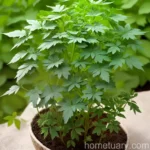
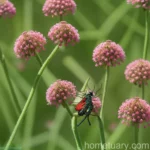
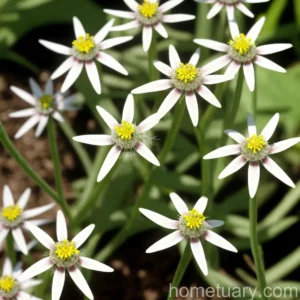
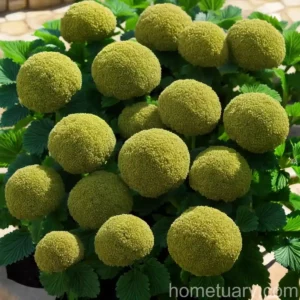
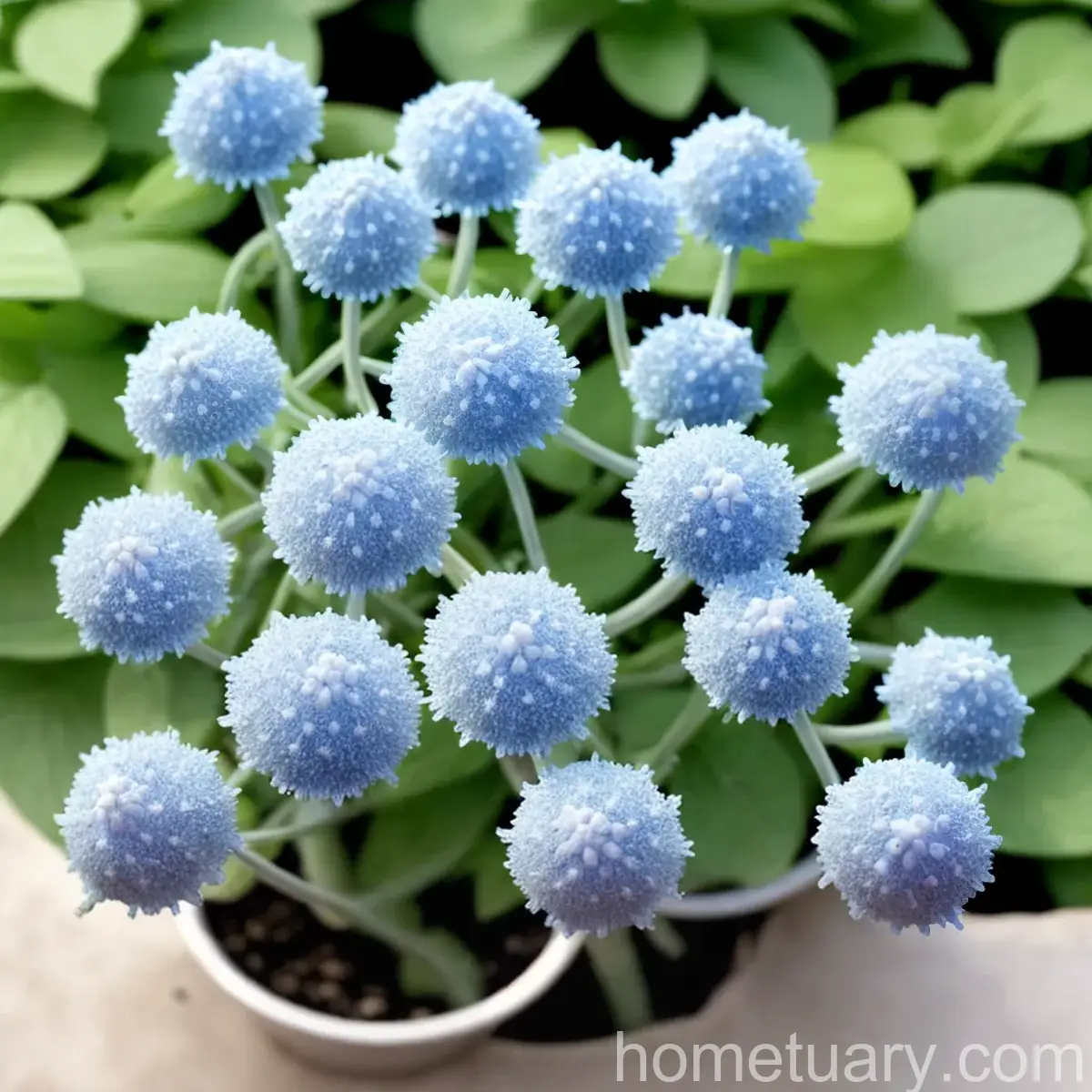
Blue sanicle, or Sanicula caerulescens, is a herbaceous perennial plant that belongs to the family Apiaceae. Also known as the “big blue sanicle,” this species is native to North America and can be found in diverse habitats, from moist woodlands to mountain slopes. The plant is characterized by its distinct lobed leaves and clusters of tiny blue flowers that bloom in spring and early summer.
Key Takeaways
Before delving further into the details of blue sanicle, let’s summarize some of the key takeaways about this plant:
- Scientific Name: Sanicula caerulescens
- Common Names: Blue sanicle, big blue sanicle
- Plant Family: Apiaceae
- Habitat: Native to North America, found in diverse habitats including woodlands and mountain slopes
- Distinct Features: Lobed leaves, clusters of tiny blue flowers
- Growing Season: Blooms in spring and early summer
- Cultural and Medicinal Uses: Historically utilized for its medicinal properties and cultural significance
Now that we have a basic understanding of blue sanicle, let’s delve into the various aspects of this plant, including its cultural uses, cultivation requirements, and ecological significance.
Culture
Uses
Blue sanicle has been historically valued for its diverse uses, ranging from medicinal applications to its symbolic significance in cultural practices. Some of the key uses of blue sanicle include:
- Medicinal Purposes: The plant has been utilized in traditional herbal medicine for treating various ailments, including respiratory conditions, digestive issues, and skin ailments.
- Symbolic Significance: In some indigenous cultures, blue sanicle holds symbolic importance and is incorporated into rituals and traditional healing practices.
Cultivation
Water
When it comes to cultivating blue sanicle, providing the right amount of water is crucial for its growth and overall health. The plant thrives in moist, well-drained soil and prefers consistent moisture, especially during the growing season. While it can tolerate periods of dryness, it is important to avoid waterlogged conditions that can lead to root rot.
Sunlight
Blue sanicle generally prefers partial shade to full shade conditions. It is well suited for woodland gardens or shaded areas where it can receive dappled sunlight. When grown in full sun, the plant may require more frequent watering to maintain adequate moisture levels.
Fertilizer
As a woodland species, blue sanicle doesn’t typically require heavy fertilization. A light application of balanced organic fertilizer in the spring can support its growth. However, it is essential to avoid excessive fertilization, especially high-nitrogen fertilizers, as this can negatively impact the plant’s overall health.
Soil
Blue sanicle thrives in rich, well-drained soil that is slightly acidic to neutral in pH. It is important to amend the soil with organic matter, such as compost or leaf mold, to improve its texture and nutrient content. Additionally, incorporating a layer of mulch around the plant can help maintain soil moisture and provide a favorable environment for root development.
Pruning
Pruning blue sanicle is relatively minimal, primarily focusing on the removal of dead or damaged foliage. Removing spent flowers after blooming can also promote a tidy appearance and potentially encourage a second flush of blooms. However, the plant generally requires minimal pruning beyond routine maintenance.
Propagation
Blue sanicle can be propagated through seed or division. Collecting seeds from mature plants and sowing them in a prepared seedbed can yield new seedlings. Additionally, dividing established clumps in early spring can also facilitate the propagation of blue sanicle.
Container Popularity
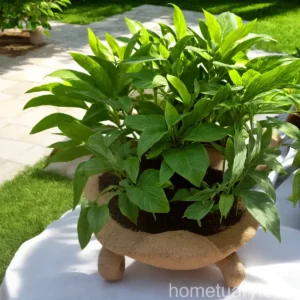
While blue sanicle is primarily grown in garden beds or naturalized settings, it can also thrive in containers when provided with the appropriate growing conditions. Container gardening can be a suitable option for individuals with limited space or those looking to showcase this unique plant on patios and shaded areas.
Common Diseases
Blue sanicle is relatively resistant to many common plant diseases, but it can be susceptible to issues such as powdery mildew in conditions of poor air circulation and high humidity. Regular monitoring of the plant for signs of disease and addressing any underlying environmental factors can help prevent and manage potential disease problems.
Disease Diagnosis
Diagnosing diseases in blue sanicle involves carefully inspecting the foliage and stems for any signs of abnormal discoloration, powdery growth, or other symptoms. It is important to accurately identify the specific disease affecting the plant to implement targeted management strategies effectively.
Common Pests
While blue sanicle is generally resistant to most pests, it may occasionally be affected by aphids or spider mites. These pests can be mitigated through measures such as insecticidal soaps or horticultural oils. Regularly inspecting the plant for signs of pest infestation can aid in early detection and control.
Botanist’s Tips
Understanding the natural habitat and ecological preferences of blue sanicle can provide valuable insights for its successful cultivation. Observing the plant in its native environment and studying its interactions with other species can offer practical knowledge for gardeners and botanists.
Fun Facts
To add a touch of intrigue and fascination to our exploration of blue sanicle, here are some captivating fun facts about this plant:
- The genus name Sanicula is derived from the Latin word “sanus,” meaning healthy, alluding to the plant’s historical medicinal uses.
- Blue sanicle has been utilized by indigenous cultures for its purported healing properties and has been part of traditional remedies for various ailments.
- In folklore and traditional beliefs, blue sanicle has been associated with symbolism related to healing, protection, and spiritual significance.
These fun facts serve as delightful anecdotes that further enrich the allure of blue sanicle and its cultural and ecological significance.
Conclusion
In conclusion, the blue sanicle (Sanicula caerulescens) stands as a captivating plant with a rich tapestry of cultural, medicinal, and ecological importance. From its traditional uses in herbal medicine to its cultivation requirements and environmental significance, this herbaceous perennial continues to fascinate botanists, horticulturalists, and enthusiasts alike. Embracing the depth of knowledge surrounding blue sanicle allows us to appreciate the intricate relationships between plants and human societies, as well as the diverse ecosystems in which they thrive.
With a deeper understanding of blue sanicle’s characteristics, uses, and cultivation, we can foster a greater appreciation for the interconnectedness of plants and our natural world.
Links to External Resources
For additional insights and in-depth information about blue sanicle, explore the following external resources:
- USDA Plants Database
- North Carolina State University Extension – Apiaceae (Carrot Family)
- Missouri Botanical Garden – Gardening Help
These resources offer valuable botanical knowledge and practical guidance for enthusiasts, researchers, and horticulturalists interested in delving deeper into the world of blue sanicle and related plant species.
In a world brimming with diverse plant life, blue sanicle comes forth as a captivating embodiment of traditional wisdom, ecological resilience, and cultural significance. By nurturing an understanding of this remarkable plant, we embark on a journey of discovery that celebrates the inherent beauty and value of nature’s botanical treasures.