Shepherd’S-Needle (Scandix Pecten-veneris)
The Shepherd’s-Needle, scientifically known as Scandix pecten-veneris, is a delicate and fascinating plant that belongs to the Apiaceae family. It is also.
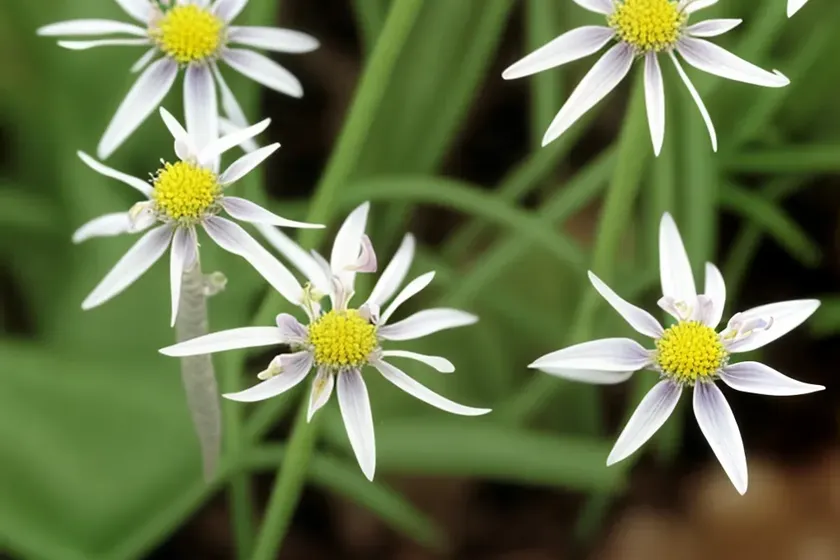
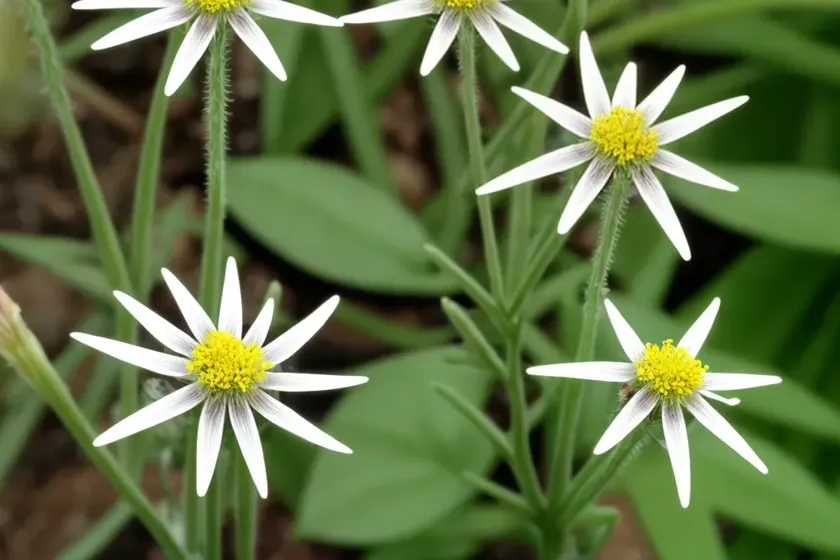
What is “Shepherd’S-Needle” Plant?
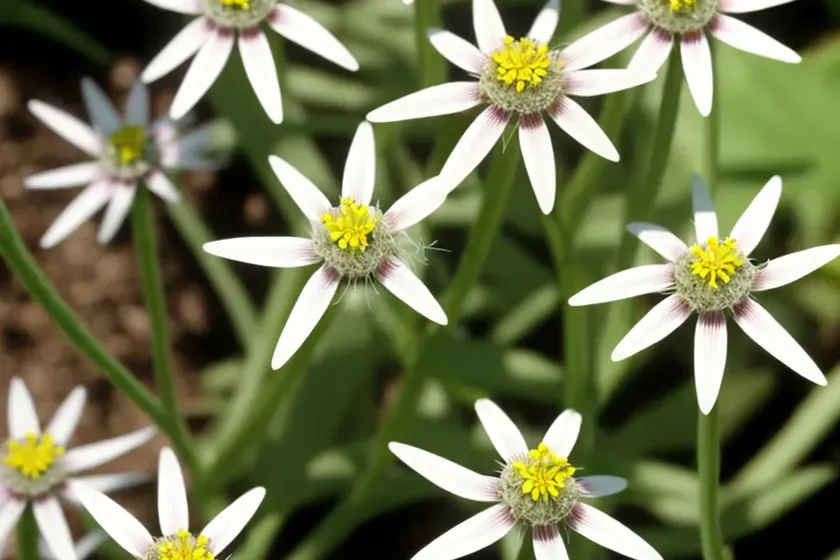
The Shepherd’s-Needle, scientifically known as Scandix pecten-veneris, is a delicate and fascinating plant that belongs to the Apiaceae family. It is also commonly referred to as Venus’s comb, Venus’ hair, and lady’s comb. This plant is native to Europe and North Africa and is known for its ornamental and medicinal properties. In this comprehensive guide, we will explore the various aspects of Shepherd’s-Needle, including its cultural significance, uses, care requirements, folklore, and much more.
Key Takeaways – Shepherd’S-Needle ( Scandix pecten-veneris)
Before delving into the specifics of Shepherd’s-Needle, let’s outline some key takeaways:
- Scientific Name: Scandix pecten-veneris
- Common Names: Shepherd’s-Needle, Venus’s comb, Venus’ hair, Lady’s comb
- Family: Apiaceae
- Native Region: Europe and North Africa
- Uses: Ornamental, Medicinal
- Significance: Folklore, Traditional Medicine
Culture
Uses
The Shepherd’s-Needle plant has been historically recognized for its diverse uses, ranging from medicinal and cultural to ornamental purposes.
Medicinal Uses
In traditional medicine, Shepherd’s-Needle has been valued for its medicinal properties. It has been used as a remedy for various ailments, including respiratory issues, digestive problems, and as a diuretic. The plant has also been employed in the treatment of skin conditions and as an anti-inflammatory agent.
The folklore surrounding Shepherd’s-Needle speaks to its perceived healing capabilities. It has been associated with traditional healing practices and is believed to possess potent therapeutic effects. Additionally, in certain cultures, it has been utilized as a dietary supplement, thanks to its purported health benefits.
Cultural Significance
Shepherd’s-Needle holds a special place in folklore and traditions throughout history. It has been symbolically linked to various beliefs and stories, positioning it as a plant of significance in ancient cultures. The folklore and symbolism associated with Shepherd’s-Needle are a reflection of its cultural importance and traditional uses.
Water
When it comes to watering Shepherd’s-Needle, it is essential to strike a balance. This plant prefers soil that is consistently moist but not waterlogged. Overwatering can lead to rot and other issues, so it’s crucial to monitor the soil moisture levels and water accordingly. During the growing season, regular watering is necessary, while in the winter, it should be kept moderately dry.
Sunlight
Shepherd’s-Needle thrives in partial shade to full sun. It is adaptable to different light conditions, making it suitable for various garden settings. However, adequate sunlight is essential for robust growth and flowering.
Fertilizer
The plant does not have high fertilizer requirements and can thrive in moderately fertile soil. A balanced, all-purpose fertilizer can be applied during the growing season to support healthy growth and blooming.
Soil
Shepherd’s-Needle prefers well-draining soil with a slightly acidic to neutral pH. It can tolerate different soil types, including loamy and sandy soils. Providing adequate drainage is crucial for preventing waterlogging, which can be detrimental to the plant’s health.
Pruning
Pruning Shepherd’s-Needle is not overly demanding. Deadheading the spent blooms can encourage continuous flowering and maintain the plant’s appearance. Additionally, trimming back any damaged or diseased foliage can promote overall plant health.
Propagation
Shepherd’s-Needle can be propagated through both seeds and division.
Propagation by Seeds:
- Collect mature seeds from the plant when they are ripe.
- Sow the seeds in well-prepared soil in the desired location or trays/pots for later transplantation.
- Keep the soil consistently moist until the seeds germinate, which typically takes around 2-3 weeks.
- Once the seedlings have developed a few sets of true leaves, they can be transplanted to their permanent positions.
Propagation by Division:
- Dig up the established plant, taking care to minimize root disturbance.
- Gently divide the plant into sections, ensuring that each division has sufficient roots and foliage.
- Replant the divisions in suitable soil and water them thoroughly.
- Provide appropriate care and maintenance to support the newly propagated plants’ establishment.
Container Popularity
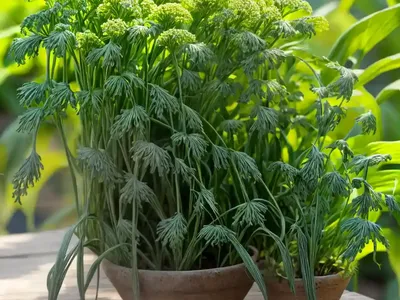
Shepherd’s-Needle can thrive in containers, making it a popular choice for container gardening. The plant’s delicate and dainty appearance lends itself well to container displays, adding a touch of elegance to any outdoor or indoor setting.
Common Diseases
While Shepherd’s-Needle is relatively resilient, it may be susceptible to certain diseases and issues that could impact its health and vigor.
Disease Diagnosis
Some common diseases that may affect Shepherd’s-Needle include:
- Powdery Mildew: This fungal disease can manifest as a powdery white growth on the plant’s foliage, impacting its overall health and appearance.
- Root Rot: Excessive moisture or poorly draining soil can lead to root rot, causing the plant to wilt and decline.
- Leaf Spot: Fungal or bacterial pathogens can cause leaf spot, leading to the development of discolored spots on the foliage.
Regular monitoring and prompt intervention can help in identifying and addressing these issues effectively.
Common Pests
In addition to diseases, Shepherd’s-Needle may also attract certain pests that can compromise its well-being.
Common pests that may affect Shepherd’s-Needle include:
- Aphids: These small, sap-sucking insects can infest the plant, causing damage to the foliage and potentially transmitting diseases.
- Spider Mites: These minuscule pests can cause stippling and webbing on the plant, leading to reduced vigor and overall decline.
- Caterpillars: Certain caterpillar species may feed on the foliage, leading to visible damage and defoliation.
Implementing integrated pest management practices and employing natural predators can help in controlling pest populations and safeguarding the plant’s health.
Botanist’s Tips
Practicing mindful care and consideration when cultivating Shepherd’s-Needle can yield rewarding results. Here are some tips from botanists and experienced growers:
- Provide Adequate Drainage: Ensuring proper soil drainage is crucial to prevent waterlogging and associated issues.
- Monitor Moisture Levels: Regularly check the soil moisture and adjust watering frequency based on the plant’s needs and environmental conditions.
- Encourage Air Circulation: Good air circulation can help prevent fungal diseases and promote overall plant health.
- Control Pests Promptly: Addressing pest issues in a timely manner can prevent extensive damage and protect the plant from harm.
Fun Facts
- Shepherd’s-Needle has been a subject of fascination and cultural significance for centuries, featuring in folklore, myths, and traditional beliefs.
- This delicate plant’s intricate, lacy foliage adds an ethereal touch to garden landscapes and botanical displays.
- The plant’s resilient nature and adaptability make it a desirable choice for both novice and experienced gardeners.
- Shepherd’s-Needle’s historical uses in traditional medicine highlight its longstanding reputation as a valuable herbal remedy.
Links to External Resources
For further information on Shepherd’s-Needle (Scandix pecten-veneris) and related topics, you may find the following resources helpful:
- The Folklore and Symbolism of Plants
- Traditional Uses of Medicinal Plants
- Cultural Significance of Plants in Ancient Traditions
- Plant Propagation Techniques
- Integrated Pest Management Strategies
In conclusion, Shepherd’s-Needle (Scandix pecten-veneris) is a captivating plant with a rich cultural history and valuable traits. Whether sought after for its ornamental allure or esteemed for its medicinal properties, this plant continues to captivate enthusiasts and researchers alike.
As we celebrate the diverse uses and enduring significance of Shepherd’s-Needle, let it serve as a reminder of the profound connections between plants and human culture, traditions, and well-being.
1. Shepherd’s Needle plant
2. Scandix pecten-veneris
3. Medicinal uses of Shepherd’s Needle
4. Shepherd’s Needle cultivation
5. Benefits of growing Shepherd’s Needle
6. Shepherd’s Needle plant care
7. Shepherd’s Needle plant information
8. Shepherd’s Needle characteristics
9. Scandix pecten-veneris plant
10. Uses of Scandix pecten-veneris
11. Shepherd’s Needle herbal remedy
12. Shepherd’s Needle folklore
13. Shepherd’s Needle folklore and traditions
14. Shepherd’s Needle symbolism
15. Shepherd’s Needle in gardening
16. Importance of Shepherd’s Needle
17. Shepherd’s Needle diet supplement
18. Shepherd’s Needle natural medicine
19. Shepherd’s Needle health benefits
20. Scandix pecten-veneris cultivation tips
21. Shepherd’s Needle growing guide
22. Shepherd’s Needle in traditional medicine
23. Shepherd’s Needle in herbal remedies
24. Shepherd’s Needle folklore and beliefs
25. Shepherd’s Needle in ancient cultures
26. Shepherd’s Needle in mythology
27. Shepherd’s Needle folklore legends
28. Shepherd’s Needle traditional uses
29. Shepherd’s Needle medicinal properties
30. Scandix pecten-veneris characteristics
31. Growing medicinal plants: Shepherd’s Needle
32. Shepherd’s Needle ethnobotany
33. Shepherd’s Needle botany
34. Shepherd’s Needle plant folklore
35. Shepherd’s Needle in traditional healing
36. Shepherd’s Needle folklore and superstitions
37. Shepherd’s Needle in ancient remedies
38. Shepherd’s Needle traditional remedies
39. Shepherd’s Needle herbal uses
40. Scandix pecten-veneris folklore
41. Shepherd’s Needle ethnopharmacology
42. Shepherd’s Needle in alternative medicine
43. Shepherd’s Needle folk medicine
44. Shepherd’s Needle traditional healing practices
45. Shepherd’s Needle cultural significance
46. Shepherd’s Needle traditional medicine practices
47. Shepherd’s Needle in traditional healing systems
48. Shepherd’s Needle in Ayurvedic medicine
49. Shepherd’s Needle in traditional Chinese medicine
50. Shepherd’s Needle in Native American medicine
This comprehensive guide endeavors to shed light on the remarkable attributes and enduring legacy of Shepherd’s-Needle, while providing valuable insights into its care, uses, and significance. Whether cherished for its symbolic value, ornamental beauty, or medicinal prowess, this plant remains an emblem of nature’s profound impact on human culture and well-being.