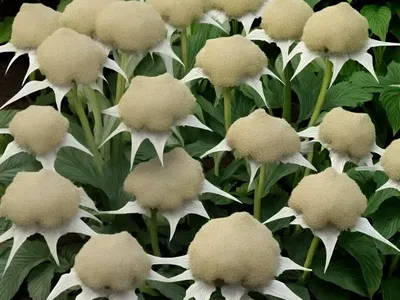
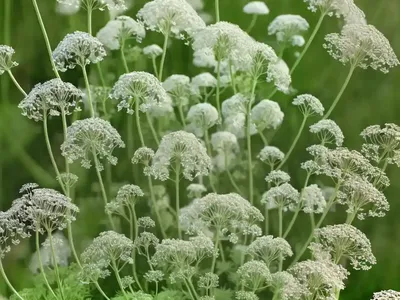
Alexanders (Smyrnium Olusatrum)
Plants have been a part of human culture and sustenance for thousands of years. Their importance is not only limited to the ecological balance of our.
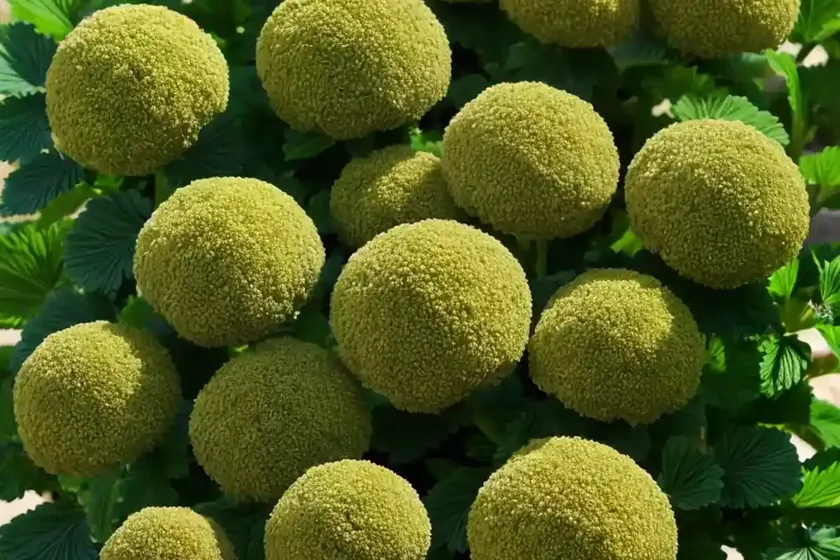
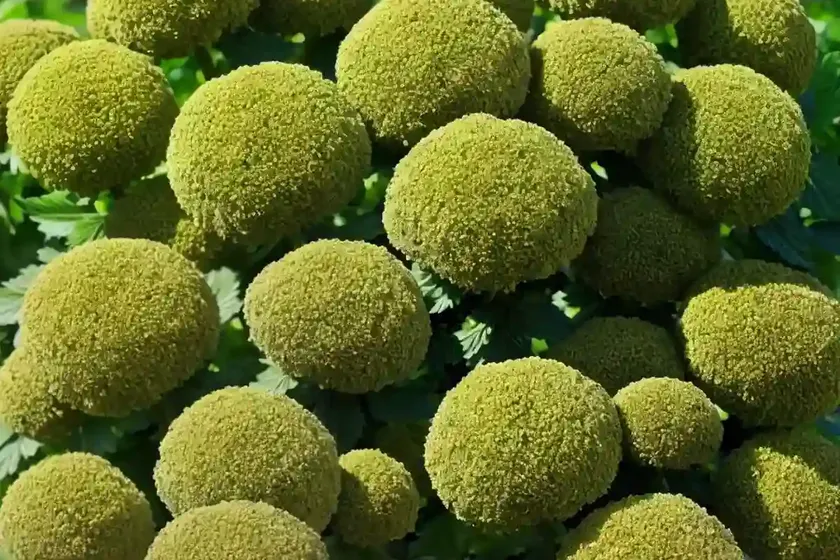
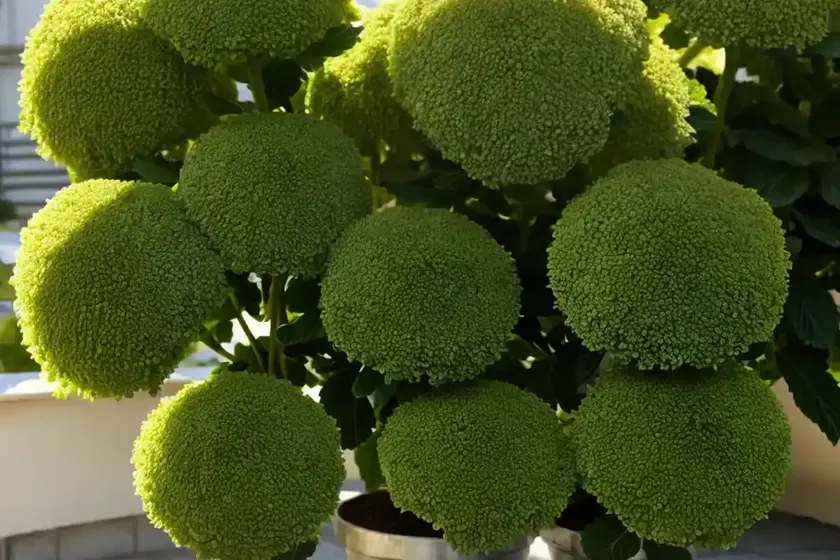
Plants have been a part of human culture and sustenance for thousands of years. Their importance is not only limited to the ecological balance of our planet but also extends to human well-being, nutrition, and medicine. One such fascinating plant that holds historical, culinary, and medicinal significance is Alexanders (Smyrnium olusatrum).
In this comprehensive guide, we will delve into the various aspects of this remarkable plant, including its cultural practices, uses, growing conditions, and much more. Whether you’re a seasoned gardener, a herb enthusiast, or simply curious about this compelling plant, this guide will provide you with valuable insights into the world of Alexanders.
What is Alexanders (Smyrnium olusatrum)?
Alexanders, scientifically known as Smyrnium olusatrum, is a herbaceous plant that belongs to the Apiaceae family, commonly referred to as the carrot or parsley family. This native European plant has a rich historical background and a slew of traditional uses, ranging from culinary applications to herbal remedies.
Key Takeaways
Before we delve into the intricacies of cultivating and caring for Alexanders, let’s explore some key takeaways to provide a quick overview of what to expect in this comprehensive guide.
Alexanders (Smyrnium olusatrum)
- Botanical Name: Smyrnium olusatrum
- Family: Apiaceae
- Common Names: Alexanders, Alisanders, Black Lovage
- Native Habitat: Mediterranean region, Europe
- Cultural Uses: Culinary, traditional medicine, landscape design
- Growth Habit: Herbaceous perennial
Now, let’s proceed to explore the various aspects of cultivating and caring for Alexanders, including its culture, uses, and growing conditions.
Culture
Culturally, Alexanders has been intertwined with human civilization for centuries. Its culinary uses, medicinal properties, and ornamental features have contributed to its widespread cultivation and appreciation. Let’s explore these cultural aspects in detail.
Uses
Culinary Uses
Alexanders have been historically valued as a culinary herb in various traditional European cuisines. The young shoots and leaves are often used as a flavorful addition to soups, salads, and stews. Additionally, the seeds of Alexanders can be used as a spice, adding a unique aromatic flavor to dishes.
Herbal Remedies
In traditional medicine, Alexanders was believed to possess therapeutic properties. It was used to treat a range of ailments, including digestive disorders and respiratory issues. The plant’s roots and seeds were particularly valued for their purported medicinal benefits.
Landscape Design
Beyond its culinary and medicinal uses, Alexanders can also be incorporated into landscape design to add a touch of greenery and historical significance to gardens and outdoor spaces.
Plant Care
Successfully growing and caring for Alexanders requires an understanding of its specific needs and preferences. From water and sunlight requirements to soil conditions and propagation methods, let’s explore the essential aspects of nurturing this remarkable plant.
Water
Alexanders generally prefers a consistent moisture level in the soil. While it can tolerate some dry spells, especially once established, it thrives best in soil that is kept moderately moist. However, it’s important to avoid waterlogging, as excessively wet conditions can lead to root rot.
Sunlight
In terms of sunlight, Alexanders appreciates partial to full sun exposure. A minimum of 4-6 hours of direct sunlight per day is ideal for ensuring healthy growth and abundant foliage.
Fertilizer
When it comes to fertilization, Alexanders can benefit from a balanced, all-purpose fertilizer applied in the early spring to support vigorous growth and the development of flavorful leaves and shoots.
Soil
The ideal soil for growing Alexanders is well-draining and fertile. It’s important to ensure that the soil is rich in organic matter and has a slightly alkaline to neutral pH level, which suits the plant’s nutritional requirements.
Pruning
Pruning Alexanders primarily involves the removal of dead or damaged foliage to maintain the plant’s overall health and aesthetic appeal. Regular pruning also helps prevent the plant from becoming overcrowded, allowing for better air circulation and light penetration.
Propagation
Alexanders can be propagated through seeds or by dividing established clumps. Seed propagation involves sowing the seeds in well-prepared soil in the spring. On the other hand, division can be carried out in the early spring or late summer to create new plants from existing ones.
Container Gardening
For those with limited outdoor space or those wanting to cultivate Alexanders indoors, container gardening can be a viable option. A deep container with adequate drainage is essential for growing Alexanders in containers, providing the plant with sufficient room for root development.
Popularity
In recent years, there has been a resurgence of interest in heritage and traditional plants. Alexanders, with its rich history and diverse uses, has been gaining popularity among gardeners, herbalists, and culinary enthusiasts. Its resilience, unique flavor, and cultural significance contribute to its appeal in modern gardens and landscapes.
Common Diseases
While Alexanders is generally resilient, it is susceptible to certain diseases that can affect its overall health and vitality. Understanding these potential issues and their corresponding management strategies is essential for maintaining thriving Alexanders plants.
Disease Diagnosis
Common diseases that may affect Alexanders include fungal infections, such as powdery mildew and leaf spot diseases. Additionally, bacterial infections can also pose a threat to the plant’s well-being.
Common Pests
In addition to diseases, Alexanders can also be targeted by a range of pests. Aphids, caterpillars, and weevils are among the common pests that may feed on the plant’s foliage and stems, potentially causing damage if left unmanaged.
Botanist’s Tips
As botanists, it’s crucial to understand the intricate details of plant care and cultivation to ensure the success of growing and maintaining species like Alexanders. Here are some insightful tips for botanists and gardening enthusiasts looking to enhance their knowledge of growing this remarkable plant.
- When harvesting Alexanders for culinary use, opt for young, tender shoots and leaves to enjoy their optimal flavor and texture.
- Consider incorporating companion plants, such as aromatic herbs and pollinator-attracting flowers, alongside Alexanders to create a balanced and biodiverse garden ecosystem.
Fun Facts
To further appreciate the allure of Alexanders, let’s explore some intriguing fun facts about this captivating plant.
- In ancient Rome, Alexanders was highly esteemed and even mentioned by renowned writers such as Pliny the Elder and Columella.
- The aromatic seeds of Alexanders were used as a flavoring in traditional European breads, adding a distinctive taste to the baked goods.
Links to External Resources
For additional information on Alexanders (Smyrnium olusatrum), explore the following resources:
- The Royal Horticultural Society – Plant Finder: Smyrnium olusatrum
- USDA Plants Database: Smyrnium olusatrum
With its rich cultural heritage, versatile uses, and captivating presence, Alexanders (Smyrnium olusatrum) stands as a compelling plant that continues to captivate and inspire enthusiasts across culinary, gardening, and herbal spheres. By embracing its historical significance and exploring its modern applications, we can truly appreciate the enduring charm of this extraordinary plant.
Whether in the kitchen, the garden, or the realm of traditional medicine, Alexanders has left an indelible mark on human culture, and its legacy continues to flourish in contemporary settings.
By following the comprehensive guidelines provided in this guide, enthusiasts can embark on a rewarding journey of cultivating, caring for, and celebrating the multifaceted beauty of Alexanders (Smyrnium olusatrum).