Sea Holly (Eryngium planum ‘Blue Glitter’)
Sea holly, scientifically known as Eryngium planum ‘Blue Glitter’, is a stunning perennial plant that belongs to the Apiaceae family. This captivating plant is characterized by its spiky, metallic blue flowers and spiny foliage, making it an excellent addition to both gardens and landscapes. In this comprehensive guide, we will delve into the various aspects of sea holly, from its cultural requirements to its uses, propagation methods, and common diseases and pests.
Key Takeaways – Sea Holly (Eryngium planum ‘Blue Glitter’)
As we explore the characteristics and care requirements of sea holly (Eryngium planum ‘Blue Glitter’), we will cover the following key aspects:
- Culture
- Uses
- Water Requirements
- Sunlight Needs
- Fertilization
- Soil Preferences
- Pruning Techniques
- Propagation Methods
- Container Gardening
- Popularity
- Common Diseases
- Disease Diagnosis
- Common Pests
- Botanist’s Tips
- Fun Facts
What is Sea Holly?
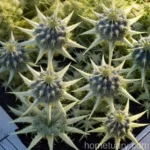
Sea holly is a stunning perennial plant known for its metallic blue flowers and spiny, thistle-like foliage. The plant belongs to the Eryngium genus, which includes around 250 species of flowering plants distributed mainly in Europe, Asia, and the Americas. The species name, Eryngium planum, is indicative of its flat, or non-spiny leaves compared to some other species within the genus. The cultivar name ‘Blue Glitter’ specifically refers to the variety known for its striking blue flowers and remarkable ornamental value.
Sea holly has gained popularity in gardens and landscaping for its unique appearance and resilience. It is well-suited for various planting schemes, including coastal and wildlife gardens, Mediterranean-style gardens, and mixed borders. Additionally, sea holly serves as an excellent cut flower, adding an intriguing texture and color to floral arrangements.
I will now provide insight into the essential requirements for successful sea holly cultivation, including cultural practices, uses, and care guidelines.
Culture
Cultural practices play a pivotal role in the successful cultivation of sea holly. From the type of soil to its water and sunlight needs, understanding its cultural requirements ensures healthy growth and vibrant blooms.
Water
Sea holly is known for its drought tolerance once established, making it an ideal choice for water-wise gardens. When nurturing sea holly plants, it’s crucial to strike a balance, providing adequate moisture without creating waterlogged conditions. As a general guideline, it is recommended to water newly planted sea holly until the roots establish themselves. Once established, the plant thrives in well-draining soil and may require occasional watering during prolonged dry spells.
Sunlight
This perennial plant thrives in full sun, thriving in at least six hours of direct sunlight per day. Adequate sunlight not only encourages robust growth but also intensifies the striking blue color of its flowers, contributing to its visual appeal.
Fertilizer
Sea holly generally does not require substantial fertilization. However, for optimal growth and flowering, a balanced, slow-release fertilizer can be applied in spring. It is advisable to avoid excessive fertilization, as this may result in excessive foliage growth at the expense of flowering.
Soil
Well-draining, sandy, or loamy soil is preferable for sea holly, mimicking its natural habitat. Clay soils should be amended with organic matter to improve drainage. It is crucial to ensure that the soil is not overly fertile, as sea holly is adapted to less fertile conditions.
Uses
Sea holly serves multiple functions in a garden or landscape setting, enhancing its appeal and ecological value.
Ornamental Use
The most common use of sea holly is for ornamental purposes. Its spiny, thistle-like foliage and striking blue flowers contribute to its visual appeal, making it an attractive option for borders, rock gardens, and naturalistic planting schemes.
Cut Flowers
Sea holly’s unique flowers make it a sought-after addition in cut flower arrangements. Its metallic blue color and architectural form add interest and texture to floral displays, both fresh and dried.
Wildlife Gardens
The nectar-rich blooms of the sea holly attract pollinators, such as bees and butterflies, making it a valuable addition to wildlife-friendly gardens. Its spiky foliage can also provide shelter for small insects and invertebrates.
Coastal Gardens
Due to its tolerance to salt spray and coastal conditions, sea holly is often a preferred choice for coastal gardens, where it thrives in the challenging maritime environment.
Pruning
Pruning is an integral part of sea holly maintenance, ensuring its vigor and shape, while also prolonging its flowering period.
Deadheading
Removal of spent flowers, or deadheading, can encourage prolonged blooming and prevent self-seeding. This practice also promotes the development of additional flowering stems, prolonging the ornamental appeal of the plant.
Winter Care
In late fall or early spring, pruning may entail cutting back the spent flower stems and removing any damaged or unsightly foliage. Additionally, it is advisable to divide clumps every few years to rejuvenate the plant and maintain its vigor.
Propagation
Sea holly can be propagated through various methods, including seeds, division, and basal cuttings.
Seed Propagation
Propagating sea holly from seeds involves sowing the seeds in a well-draining seed-starting mix. The seeds can be sown indoors in late winter to early spring or directly sown in the garden once the threat of frost has passed. It’s important to note that sea holly seeds may exhibit variable germination rates, and stratifying the seeds by chilling them for a few weeks can enhance germination success.
Division
Established sea holly plants can benefit from periodic division, typically every three to five years, to rejuvenate the plant and prevent overcrowding. Dividing the clumps in early spring or fall can yield multiple plants, each with the potential to thrive in new locations.
Basal Cuttings
Basal cuttings from healthy and established plants can also be used to propagate sea holly. By selecting and rooting basal shoots, new plants with genetic similarity to the parent can be obtained.
Container Gardening
Sea holly’s tolerance to drought and its ornamental appeal make it an excellent candidate for container gardening.
Container Selection
When growing sea holly in containers, select a large pot with adequate drainage holes to prevent waterlogging. The well-draining potting mix, combined with good air circulation, promotes healthy root development and overall plant vigor.
Care in Containers
In container settings, watering requirements may differ from those of garden-grown sea holly. Regular monitoring of moisture levels and adjusting watering frequency accordingly is crucial for optimal growth. Fertilization may also be necessary, as nutrients can become depleted more rapidly in containers.
Popularity
The unique characteristics and versatility of sea holly have contributed to its popularity in gardens and landscapes.
Gardeners’ Favorite
Gardeners have long admired sea holly for its ornamental appeal, emphasizing its striking blue flowers and drought tolerance as key attributes.
Landscape Value
Sea holly’s adaptability to various planting schemes, from seaside gardens to mixed borders, has made it a favored choice for landscape designers seeking textural contrast and visual interest.
Common Diseases and Pests
Despite its resilience, sea holly can still be susceptible to certain diseases and pests. Being aware of these potential concerns enables prompt identification and intervention.
Common Diseases
Sea holly is generally resistant to most diseases. However, overwatering and poorly drained soil can lead to root rot, while excessive moisture can encourage fungal diseases, such as powdery mildew.
Disease Diagnosis
Diagnosing diseases in sea holly involves monitoring changes in foliage color, texture, and overall plant health. Prompt action, such as adjusting watering practices or applying appropriate fungicidal treatments, can mitigate disease progression.
Common Pests
Aphids and spider mites are among the common pests that may infest sea holly. Regular inspection of the plants and implementing targeted control measures are essential for pest management.
Botanist’s Tips
Botanist’s tips serve as valuable insights for successfully growing and maintaining sea holly.
- Choose well-draining soil to prevent waterlogging and root rot.
- Avoid excessive fertilization, as this can lead to lush foliage at the expense of flowers.
- Provide ample sunlight to promote vigorous growth and intense flower coloration.
- Regularly deadhead spent flowers to encourage prolonged blooming and prevent self-seeding.
- Monitor for pest infestations and diseases, addressing any issues promptly to prevent further damage.
Fun Facts
Sea holly is not only an eye-catching plant in gardens and landscapes but also harbors intriguing facts:
- The unique structure and color of its flower heads make them popular in the floral industry for use in both fresh and dried arrangements.
- Several species of Eryngium, including sea holly, are known for their use in herbal medicine and traditional remedies, highlighting their potential medicinal properties.
Links to External Resources
For further information on sea holly, its cultivation, and uses, consider the following external resources:
- Royal Horticultural Society (RHS) – Eryngium
- Missouri Botanical Garden – Eryngium planum
- University of Vermont Extension – Growing Sea Holly
In conclusion, sea holly (Eryngium planum ‘Blue Glitter’) is a captivating perennial plant that offers ornamental value, ecological benefits, and a touch of intrigue to diverse garden settings. By understanding its cultural requirements, potential uses, and maintenance practices, gardeners can successfully cultivate and appreciate the unique allure of sea holly in their own landscapes.
To conclude, this comprehensive guide explores the various facets of sea holly (Eryngium planum ‘Blue Glitter’), offering insights into its cultural requirements, uses, and maintenance practices. From its stunning visual appeal to its resilience and versatility, sea holly stands as a captivating addition to gardens and landscapes, adding texture, color, and ecological value.
Disclaimer: The information provided in this blog post is for educational and informational purposes only. It is essential to consult local horticultural resources and professionals for specific recommendations and guidance tailored to your geographical location and growing conditions.