Blue Myrtle-Cactus (Myrtillocactus Geometrizans)
Plants have always captivated human curiosity and fascination. One such intriguing plant is the Blue Myrtle-Cactus (Myrtillocactus geometrizans). This.

Introduction
Plants have always captivated human curiosity and fascination. One such intriguing plant is the Blue Myrtle-Cactus (Myrtillocactus geometrizans). This plant belongs to the Cactaceae family and showcases unique characteristics that make it a standout in the plant kingdom. In this comprehensive plant guide, we will delve into the various aspects of the Blue Myrtle-Cactus, including its description, care tips, cultivation, uses, and much more.
Blue Myrtle-Cactus Description
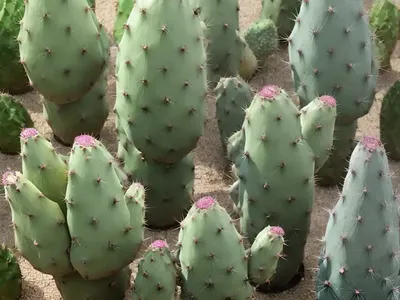
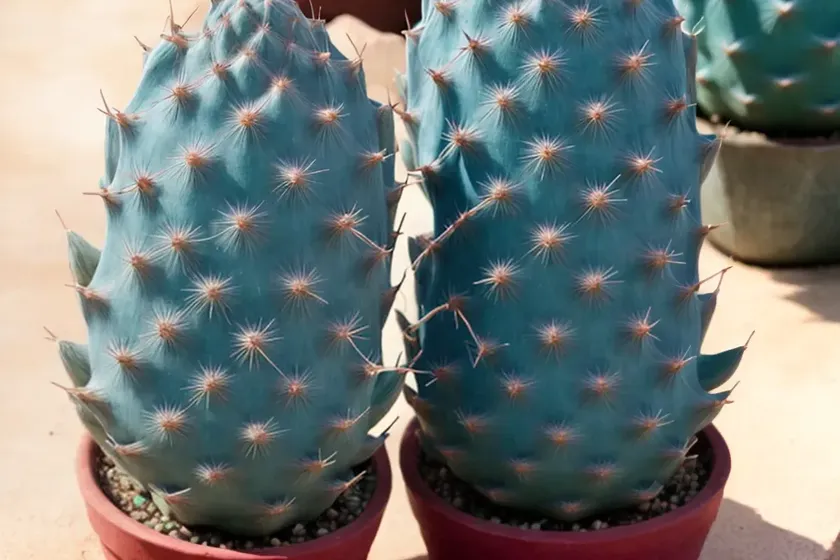
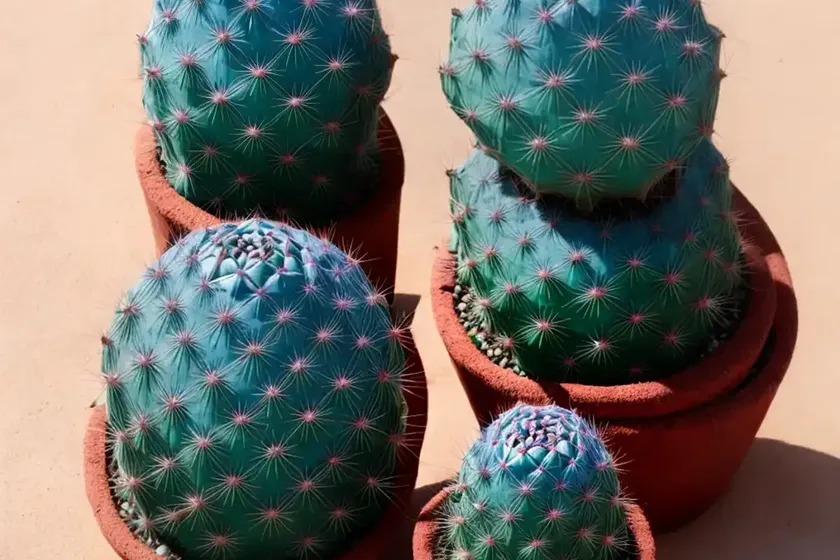
The Blue Myrtle-Cactus, scientifically known as Myrtillocactus geometrizans, is a species of cactus native to central and northern Mexico. It is commonly referred to as the Bilberry Cactus due to the resemblance of its fruit to the wild bilberry. This striking succulent features bluish-green stems and can reach heights of up to 4 meters. Its stems are adorned with small clusters of spines and aerial roots, adding to its unique aesthetic appeal. The Blue Myrtle-Cactus is also known for its vibrant, showy flowers that bloom from late spring to early summer.
Key Takeaways – Blue Myrtle-Cactus (Myrtillocactus geometrizans)
The Blue Myrtle-Cactus (Myrtillocactus geometrizans) is a plant that offers an array of unique characteristics and features. This section will provide a summarized overview of the key takeaways related to this captivating cactus.
Culture
- The Blue Myrtle-Cactus thrives in arid and semi-arid regions and is well-adapted to dry, desert-like conditions.
- It is a slow-growing plant that requires minimal maintenance, making it an ideal choice for low-maintenance landscapes and gardens.
Uses
- This cactus species serves ornamental purposes, adding a striking visual element to gardens, landscapes, and xeriscapes.
- In its native regions, the Blue Myrtle-Cactus is utilized for its edible fruits and may also have medicinal uses.
Water
- The Blue Myrtle-Cactus is drought-tolerant and prefers well-draining soil to prevent waterlogged conditions that may lead to root rot.
- During the growing season, it requires occasional watering, while in winter, it should be given minimal to no water.
Sunlight
- It thrives in full sun to partial shade and should be provided with ample sunlight for optimal growth and flowering.
Fertilizer
- Minimal fertilization is necessary for the Blue Myrtle-Cactus, and it is best to use a balanced, low-nitrogen fertilizer during the active growing season.
Soil
- Well-draining, sandy, or gravelly soil is essential for the Blue Myrtle-Cactus to prevent water accumulation around its roots.
Pruning
- Pruning is generally not required for this cactus, except for the removal of dead or damaged stems.
Propagation
- The Blue Myrtle-Cactus can be propagated from stem cuttings, which should be allowed to callus before being planted in a suitable growing medium.
Container Popularity
- Due to its slow growth and adaptability to container cultivation, the Blue Myrtle-Cactus is a popular choice for container gardening.
Container Common Diseases
- Although relatively resistant to diseases, the Blue Myrtle-Cactus may occasionally be affected by fungal diseases due to excess moisture.
Disease Diagnosis
- Yellowing or softening of stems may indicate potential fungal infections, while brown, sunken lesions can be a sign of bacterial infections.
Common Pests
- Spider mites and scale insects are among the common pests that may affect the Blue Myrtle-Cactus, particularly when grown indoors.
Botanist’s Tips
- Ensure proper drainage to prevent waterlogging, provide adequate sunlight, and avoid overwatering to maintain the health of the Blue Myrtle-Cactus.
Fun Facts
- The Blue Myrtle-Cactus produces small, spherical fruits that resemble wild bilberries, hence its common name, Bilberry Cactus.
Now that we have outlined the key takeaways regarding the Blue Myrtle-Cactus, let’s delve deeper into its various aspects to gain a comprehensive understanding of this fascinating plant.
Blue Myrtle-Cactus (Myrtillocactus geometrizans) – In-Depth Analysis
Description
The Blue Myrtle-Cactus, scientifically classified as Myrtillocactus geometrizans, is a species of columnar cactus that belongs to the Cactaceae family. This striking succulent is native to the central and northern regions of Mexico, where it thrives in arid and semi-arid habitats. The Blue Myrtle-Cactus is characterized by its bluish-green, columnar stems that can reach heights of up to 4 meters, with diameters ranging from 10 to 20 centimeters. The stems are segmented, and each segment features small clusters of spines and aerial roots.
One of the most captivating features of the Blue Myrtle-Cactus is its vibrant, showy flowers that typically bloom from late spring to early summer. The flowers, which emerge from the tips of the stems, are bell-shaped and come in various shades of pink, red, and purple, adding a stunning visual element to the plant. Following the flowering period, the Blue Myrtle-Cactus produces small, spherical fruits that are reminiscent of wild bilberries, hence its common name, Bilberry Cactus. These fruits are edible and may be consumed when ripe.
Myrtillocactus geometrizans Care Tips
Caring for the Blue Myrtle-Cactus involves understanding its specific requirements regarding water, sunlight, soil, and maintenance practices. By adopting the appropriate care tips, you can ensure the optimal health and growth of this intriguing cactus.
Watering Needs
The Blue Myrtle-Cactus is well-suited to arid environments and, as such, displays excellent drought tolerance. When it comes to watering, it is crucial to strike a balance to prevent overwatering, which can lead to root rot. During the active growing season, typically spring and summer, the Blue Myrtle-Cactus should be watered occasionally, allowing the soil to dry out between waterings. In contrast, during the winter months, it is best to reduce watering frequency to simulate the plant’s natural dormancy period.
Understanding the watering needs of the Blue Myrtle-Cactus is vital for maintaining its health and preventing issues related to waterlogged conditions. Overwatering can lead to root rot and other problems, so it is essential to monitor the soil moisture levels and adjust the watering frequency accordingly.
Sunlight Requirements
In its native habitat, the Blue Myrtle-Cactus thrives in full sun exposure and is well-adapted to intense sunlight and high temperatures. When cultivated in other regions, it is crucial to provide the plant with ample sunlight to promote healthy growth and flowering. Position the Blue Myrtle-Cactus in a location where it can receive at least 6 to 8 hours of direct sunlight each day. Inadequate sunlight may result in elongated, weakened stems and reduced flowering.
Understanding the sunlight requirements of the Blue Myrtle-Cactus is essential for creating an optimal growing environment. By providing adequate sunlight, you can support the plant’s natural growth processes and encourage the development of vibrant flowers.
Soil Preferences
The Blue Myrtle-Cactus thrives in well-draining soil that replicates the gritty, sandy conditions of its native habitat. A suitable growing medium for this cactus should be formulated to provide excellent drainage and aeration, preventing water accumulation around the roots. It is advisable to use a cactus or succulent potting mix that consists of a combination of sand, perlite, and peat to ensure proper drainage and root health.
Understanding the soil preferences of the Blue Myrtle-Cactus is fundamental for creating an environment that supports its growth and development. By using a well-draining potting mix, you can safeguard the plant against issues associated with waterlogged soil.
Pruning Techniques
The Blue Myrtle-Cactus generally requires minimal pruning, as it naturally maintains its compact, columnar form. However, occasional pruning may be necessary to remove dead or damaged stems, promoting the plant’s overall aesthetic appearance and health. When performing pruning, it is essential to use sterilized pruning tools to prevent the spread of diseases and infections.
Understanding the pruning techniques for the Blue Myrtle-Cactus enables you to maintain the plant’s shape and health while removing any diseased or decaying portions. By practicing proper pruning, you can contribute to the overall well-being and visual appeal of this captivating cactus.
Propagation Methods
The Blue Myrtle-Cactus can be propagated from stem cuttings, making it relatively straightforward to expand your cactus collection. To propagate the plant, select a healthy, mature stem and carefully cut it into sections using a clean, sharp knife or shears. The cuttings should then be allowed to callus for a few days before being planted in a suitable growing medium. It is advisable to use a well-draining, sandy soil mix for the propagation process and to provide the cuttings with adequate warmth and indirect sunlight until they establish roots.
Understanding the propagation methods for the Blue Myrtle-Cactus empowers you to create new plants from existing specimens, further exploring and appreciating the unique characteristics of this cactus. By following proper propagation techniques, you can successfully propagate the Blue Myrtle-Cactus and enhance your collection of succulents.
Pruning Techniques
The Blue Myrtle-Cactus generally requires minimal pruning, as it naturally maintains its compact, columnar form. However, occasional pruning may be necessary to remove dead or damaged stems, promoting the plant’s overall aesthetic appearance and health. When performing pruning, it is essential to use sterilized pruning tools to prevent the spread of diseases and infections.
Understanding the pruning techniques for the Blue Myrtle-Cactus enables you to maintain the plant’s shape and health while removing any diseased or decaying portions. By practicing proper pruning, you can contribute to the overall well-being and visual appeal of this captivating cactus.
Potting Recommendations
Due to its slow growth and adaptability to container cultivation, the Blue Myrtle-Cactus is a popular choice for growing in pots and containers. When selecting a container for this cactus, it is essential to choose one with adequate drainage holes to prevent water accumulation. A well-draining potting mix designed for cacti and succulents should be used to provide the plant with the appropriate growing medium. Additionally, it is advisable to select a pot that allows for sufficient space for the plant’s root system to develop and expand.
Understanding the potting recommendations for the Blue Myrtle-Cactus is crucial for optimizing its growth and health when grown in containers. By selecting the right pot and using a suitable potting mix, you can create a conducive environment for the Blue Myrtle-Cactus to thrive.
Pest Control
The Blue Myrtle-Cactus is relatively resistant to pests and diseases, particularly when grown in optimal conditions. However, certain pests may pose a threat to the plant, and it is essential to be mindful of potential issues and adopt appropriate pest control measures when necessary.
Common Pests
Spider mites and scale insects are among the common pests that may affect the Blue Myrtle-Cactus, especially when grown indoors or in greenhouse environments. These pests can cause damage to the plant by feeding on its tissues and disrupting its overall health. Regular monitoring of the plant for signs of pest infestations, such as stippled or discolored foliage, webbing, or the presence of scale insects, is crucial for early detection and intervention.
Pest Control Measures
To address pest infestations, various pest control measures can be employed, ranging from non-chemical methods to targeted insecticide applications. Pruning and removing affected plant parts, enhancing air circulation around the plant, and maintaining proper hygiene are effective non-chemical approaches to controlling pests. In cases of severe infestations, the use of horticultural oils, insecticidal soaps, or specific insecticides labeled for use on cacti and succulents may be necessary. It is important to follow the recommended application rates and safety guidelines when using chemical control methods to protect the health of the plant and the surrounding environment.
Understanding the common pests that may affect the Blue Myrtle-Cactus and being prepared to implement appropriate pest control measures is essential for safeguarding the plant against potential pest-related issues. By adopting timely and effective pest control strategies, you can preserve the health and vitality of the Blue Myrtle-Cactus in your growing space.
Common Diseases
The Blue Myrtle-Cactus is generally resistant to diseases, particularly when cultivated in well-draining soil and provided with appropriate growing conditions. However, certain fungal and bacterial diseases may sporadically affect the plant, and it is essential to be vigilant about disease prevention and early diagnosis.
Disease Diagnosis
Yellowing or softening of the stems may indicate potential fungal infections, such as stem rot, which can be triggered by excessive moisture and poor drainage. Brown, sunken lesions on the stems may be a sign of bacterial infections, necessitating prompt intervention to prevent the spread of the disease. Regularly inspecting the plant for any unusual symptoms, such as discoloration, softening, or lesions, is crucial for early disease diagnosis and treatment.
Disease Treatments
To address fungal diseases, it is essential to improve air circulation around the plant and modify watering practices to reduce moisture levels. Removing affected plant parts and adjusting the growing conditions can help alleviate fungal issues. In the case of bacterial infections, the affected areas should be carefully pruned and disposed of, and the plant should be provided with optimal growing conditions to support its recovery. Applying preventive measures, such as avoiding overhead watering and minimizing humidity levels, can help mitigate the risk of disease development.
Understanding the common diseases that may affect the Blue Myrtle-Cactus and being equipped to implement appropriate disease treatments is essential for maintaining the plant’s overall health and vigor. By identifying and addressing potential diseases in a timely manner, you can effectively protect the Blue Myrtle-Cactus from the detrimental effects of fungal and bacterial infections.
Conclusion
The Blue Myrtle-Cactus (Myrtillocactus geometrizans) stands out as a captivating and resilient plant that offers unique aesthetics and minimal maintenance requirements. Its striking visual appeal, stunning flowers, and edible fruits make it an attractive choice for ornamental and xeriscape landscapes. By understanding the specific care tips, cultivation practices, and potential pest and disease issues associated with this cactus, you can create an optimal growing environment that supports its health and vitality. Whether grown outdoors in arid gardens or indoors as a potted specimen, the Blue Myrtle-Cactus exemplifies the remarkable adaptability and beauty of succulent plants.
In this comprehensive guide, we have explored the various aspects of the Blue Myrtle-Cactus, providing insights into its description, care tips, cultivation practices, and maintenance requirements. By gaining in-depth knowledge of this fascinating plant, you can appreciate its distinctive traits and cultivate it successfully in various growing environments.
References
- An introduction to the Cactaceae: https://www.researchgate.net/publication/257195469_An_introduction_to_the_Cactaceae
- Cacti and succulents for the landscape: https://edis.ifas.ufl.edu/publication/EP335
- Strategies of drought tolerance in cactus and agave: https://www.frontiersin.org/articles/10.3389/fpls.2018.01088/full