Cassava (Manihot Esculenta)
Cassava (Manihot esculenta) is a versatile and resilient plant that holds significant cultural, nutritional, and economic value across various regions of.
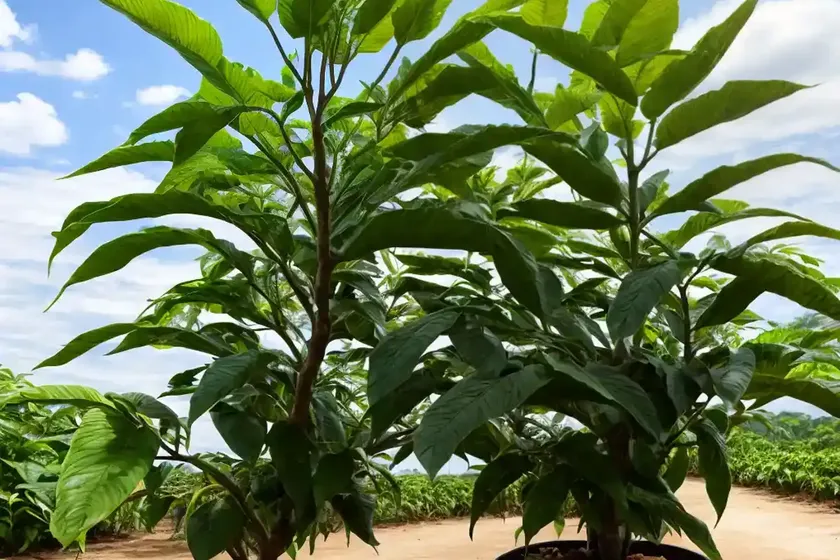
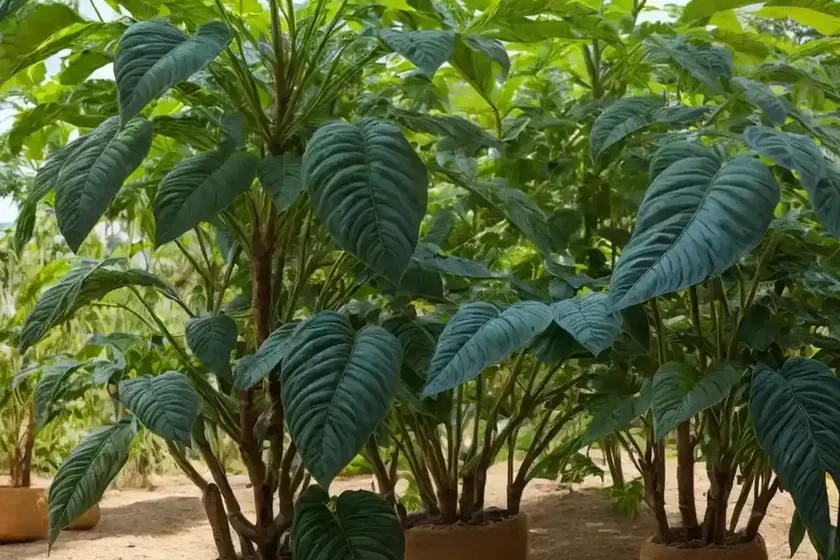
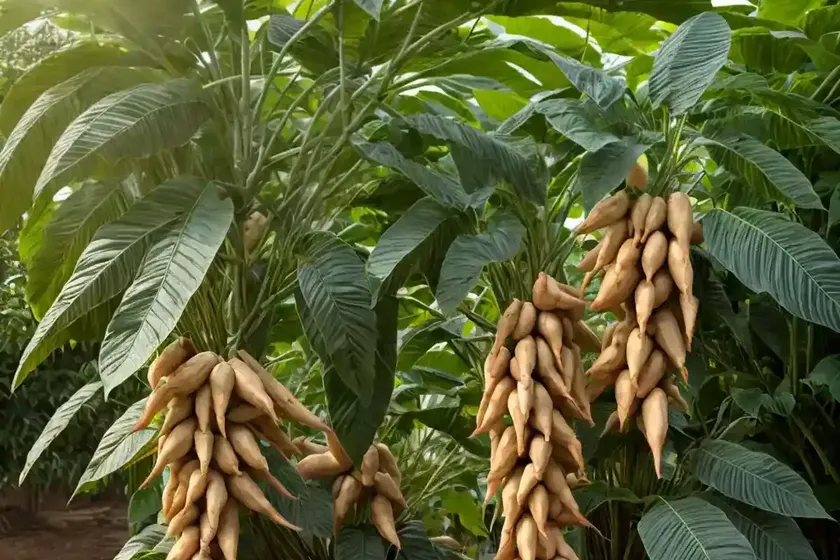
Cassava (Manihot esculenta) is a versatile and resilient plant that holds significant cultural, nutritional, and economic value across various regions of the world. This comprehensive guide aims to provide detailed insights into the nature, cultivation, uses, care, and management of the cassava plant. From its cultural significance to its adaptability and growth stages, this article endeavors to cover all aspects of this important plant.
What is Cassava (Manihot esculenta)?
Cassava, scientifically known as Manihot esculenta, is a perennial woody shrub in the Euphorbiaceae family. It is extensively cultivated for its starchy tuberous roots, which are a major source of carbohydrates in many tropical and subtropical regions. This plant is native to South America and is now grown in tropical and subtropical regions globally.
Key Takeaways – Cassava (Manihot esculenta)
Culture
- Origin: South America
- Cultural Significance: Integral part of the diet and traditional practices in many tropical regions
- Adaptability: Grows in a wide range of soil types and can withstand drought conditions
- Economic Importance: Significant source of income for small-scale farmers in various regions
- Traditional Medicine: Has been used in traditional medicine for various ailments
Uses
- Food: Staple food for millions of people in developing countries
- Industrial Uses: Raw material for starch, flour, and biofuel production
- Medicinal Properties: Some traditional medicinal uses
- Animal Feed: Leaves and stems are used for animal fodder
- Landscaping: Ornamental purposes in some regions
Water
- Water Needs: Moderate to high water requirement, particularly during the root development stage
- Drought Tolerance: Has good tolerance to drought conditions once established
Sunlight
- Light Requirements: Thrives in full sunlight
- Shade Tolerance: Moderate tolerance to shade, but full sun is preferable for optimum growth
Fertilizer
- Nutrient Requirements: Requires a balanced fertilizer application, particularly during the early growth stages
- Fertilizer Type: Nitrogen-rich fertilizers are beneficial for root development
Soil
- Soil Type: Thrives in well-drained sandy loam or loamy soils
- Soil pH: Tolerant of a wide pH range, ideally between 5.5 and 7.0
- Soil Preparation: Deep tillage and soil amendment is beneficial prior to planting
Pruning
- Pruning Techniques: Minimal pruning requirements
- Purpose: Removal of damaged or diseased plant parts
Propagation
- Propagation Methods: Stem cuttings or planting of whole tubers
- Seed Production: Rarely propagated through seeds due to high heterozygosity and significant variability
Container Popularity
- Container Cultivation: Feasible in large containers in regions with cold winters
- Niche Markets: Increasing popularity in urban gardening and specialty food production
Common Diseases
- Disease Susceptibility: Vulnerable to various fungal and bacterial diseases
- Preventive Measures: Proper field sanitation and use of disease-resistant cultivars
Disease Diagnosis
- Symptoms: Leaf spots, wilting, stem cankers, and root rot
- Laboratory Testing: Polymerase chain reaction (PCR) and enzyme-linked immunosorbent assay (ELISA) for precise disease diagnosis
Common Pests
- Pest Susceptibility: Attacked by various insect pests, including mealybugs, spider mites, and whiteflies
- Integrated Pest Management: Combination of cultural, biological, and chemical control methods
Botanist’s Tips
- Harvesting: Tubers should be harvested when mature but before the onset of prolonged drought
- Storage: Proper storage conditions to prevent post-harvest losses and degradation
- Environmental Impact: Consideration of its potential invasiveness in non-native regions
Fun Facts
- Genetic Diversity: Cassava exhibits extensive genetic diversity attributed to its long cultivation history and heterozygous nature
- Biofuel: Emerging as a potential source for biofuel production due to its high starch content
- Cyanogenic Compounds: Contains toxic cyanogenic glycosides, necessitating proper processing prior to consumption
Cassava (Manihot esculenta) – In-Depth Analysis
The following sections provide a deeper understanding of the various aspects associated with the cultivation and management of cassava.
Cassava Plant Benefits
Cassava offers numerous benefits, ranging from its significance as a staple food source to its versatile industrial applications. It provides economic opportunities for farmers and serves as a crucial food security crop in many regions.
Manihot esculenta Cultivation
Cultivation of Manihot esculenta involves several stages, including soil preparation, planting, and post-harvest management. Understanding the specific requirements of cassava cultivation is crucial for ensuring optimal yield and quality.
Cassava Nutritional Value
The nutritional profile of cassava elucidates its importance as a source of dietary carbohydrates, and its potential nutritional deficiencies in terms of protein and certain vitamins.
Cassava Root Uses
The starchy tuberous roots of cassava find extensive use in various culinary preparations, industrial processing, and traditional medicine practices. Exploring the diverse uses of cassava roots provides insight into its cultural and economic significance.
Cassava Plant Care
Proper care and maintenance practices, including water management, fertilization, and disease control, are essential for ensuring the healthy growth and development of cassava plants.
Cassava Farming Techniques
Various farming techniques, including intercropping, pest management, and harvesting methods, contribute to the overall success of cassava cultivation.
Manihot esculenta Varieties
The existence of diverse cassava varieties underscores its adaptability and potential for genetic improvement. Examining the different varieties sheds light on their unique traits and potential uses.
Growing Cassava at Home
The prospect of cultivating cassava at home offers a sustainable food source and an opportunity to appreciate the cultural significance of this versatile plant.
Cassava Plant Diseases
Managing and preventing cassava plant diseases is crucial for ensuring the long-term sustainability of cassava cultivation. Knowledge of common diseases and their management strategies plays a pivotal role in this aspect.
Cassava Plant Pests
Controlling pests that affect cassava plants involves a multi-faceted approach, utilizing cultural, biological, and chemical methods to minimize pest damage and economic losses.
Cassava Plant Propagation
Understanding the different methods of cassava plant propagation enables farmers to select the most suitable approach for their specific cultivation requirements, ensuring successful establishment and uniform growth.
Cassava Plant Harvest
The timing and techniques of cassava plant harvest are essential factors that influence the quality and storability of the harvested tubers. Best practices for harvesting contribute to minimizing post-harvest losses.
Cassava Plant Storage
Implementing proper storage practices for harvested cassava roots is crucial for preserving their quality and preventing spoilage. Effective storage methods contribute to sustained food security and economic stability.
Cassava Plant Cooking Methods
Exploring the diverse culinary applications and cooking methods for cassava roots offers insights into its cultural significance and the potential for value addition in various cuisines.
Cassava Plant Medicinal Properties
Traditional medicinal uses of cassava underscore its significance in indigenous healthcare systems, highlighting potential opportunities for further research and development.
Cassava Plant in Traditional Medicine
The historical use of cassava in traditional medicine reflects the plant’s perceived medicinal properties and its role in cultural practices and rituals.
Cassava Plant in Herbal Remedies
Exploring the use of cassava in herbal remedies provides insights into its potential pharmacological properties and further research avenues for the development of natural remedies.
Cassava Root Processing
The industrial processing of cassava roots into starch, flour, and biofuels contributes to its economic value and potential as a renewable resource for various industries.
Cassava Starch Production
The high starch content of cassava roots positions it as a valuable raw material for starch production, offering diverse industrial applications and economic opportunities.
Cassava Plant Adaptability
Cassava’s adaptability to diverse climatic and soil conditions underscores its significance as a resilient crop with the potential for cultivation in various regions.
Cassava Plant Drought Tolerance
The drought tolerance of cassava is a valuable trait for regions prone to water scarcity, emphasizing its potential as a reliable crop in challenging environmental conditions.
Cassava Plant Pest Resistance
Understanding the pest resistance mechanisms in cassava is essential for developing improved cultivars and sustainable pest management strategies.
Cassava Plant Disease Resistance
The genetic and physiological basis of disease resistance in cassava contributes to the development of disease-resistant varieties and effective disease management practices.
Cassava Plant Growth Stages
The distinct growth stages of cassava, from planting to maturity, illustrate the plant’s developmental trajectory and the associated management requirements at each stage.
Cassava Plant Life Cycle
The life cycle of cassava encompasses its vegetative and reproductive phases, culminating in the formation and development of tuberous roots for harvest.
Cassava Plant Reproductive Methods
Exploring the reproductive mechanisms of cassava provides insights into its genetic diversity, breeding strategies, and potential for crop improvement.
Cassava Plant Leaf Structure
Understanding the anatomical and physiological aspects of cassava leaves contributes to elucidating its growth and development, as well as its responses to environmental factors and stressors.
Cassava Plant Flowers
The flowering stage of cassava is a critical aspect of its reproductive cycle, marking the transition from vegetative growth to the initiation of tuber formation.
Cassava Plant Root Structure
The structure of cassava roots is a determinant of its storage capacity, nutrient uptake, and overall productivity, highlighting the importance of root development and architecture.
Cassava Plant Root Formation
The process of root formation in cassava involves unique physiological and developmental mechanisms, contributing to the accumulation of starch and essential nutrients.
Cassava Plant Root Development
Understanding the developmental patterns of cassava roots provides insights into its growth requirements and potential interventions for optimizing root yield.
Cassava Plant Root Anatomy
The anatomical features of cassava roots delineate their cellular organization, tissue composition, and physiological functions, influencing their quality and utility.
Cassava Plant Root Growth
The growth dynamics of cassava roots reflect their response to environmental cues, developmental stages, and management practices, offering opportunities for yield improvement.
Cassava Plant Root Nutrition
The nutritional requirements of cassava roots influence their yield and quality, underscoring the significance of balanced nutrition for optimal root development.
Cassava Plant Root Diseases
Managing root diseases in cassava is pivotal for sustaining its productivity, requiring preventative measures and effective disease control strategies.
Cassava Plant Leaf Diseases
Leaf diseases in cassava have implications for its photosynthetic capacity, overall plant health, and subsequent effects on root development and yield.
Cassava Plant Leaf Spots
Leaf spot diseases in cassava are indicative of pathogen infestations and environmental stressors, necessitating timely intervention for disease management.
Cassava Plant Leaf Yellowing
Leaf yellowing in cassava can arise from nutrient deficiencies, disease infections, or physiological stress, warranting thorough diagnostics and appropriate treatments.
Cassava Plant Leaf Curling
Leaf curling in cassava may occur in response to various biotic and abiotic factors, influencing its growth, photosynthesis, and overall performance.
Cassava Plant Leaf Wilting
Leaf wilting in cassava signals water stress, diseases, or physiological imbalances, necessitating prompt corrective measures to restore plant vigor.
Cassava Farming Practices
Best farming practices for cassava encompass various aspects, including land preparation, planting techniques, crop care, and post-harvest management, contributing to overall productivity and sustainability.
Cassava Plant Organic Cultivation
Organic cultivation of cassava emphasizes sustainable practices, environmental stewardship, and the production of high-quality, chemical-free crops for diverse end uses.
Cassava Plant Pest Control
Effective pest control strategies for cassava integrate cultural, biological, and chemical methods to mitigate pest damage and uphold crop productivity.
Cassava Plant Disease Management
Comprehensive disease management for cassava involves proactive measures, including cultural practices, resistance breeding, and timely disease control interventions.
Cassava Plant Growth Factors
The growth and development of cassava are influenced by various factors, including environmental conditions, soil fertility, water availability, and pest/disease pressures, all of which collectively shape its productivity.
Cassava Plant Soil Requirements
Understanding the soil requirements of cassava is crucial for selecting suitable growing sites, implementing soil management practices, and optimizing fertility for sustainable cultivation.
Cassava Plant Light Requirements
The light requirements of cassava influence its photosynthetic activity, growth patterns, and overall productivity, underscoring the importance of adequate light exposure.
Cassava Plant Water Needs
Sufficient water supply is essential for cassava growth, root development, and yield formation, necessitating effective water management practices to ensure optimal productivity.
Cassava Plant Fertilizer Recommendations
Balanced fertilization with appropriate nutrient formulations is essential for meeting the specific nutritional needs of cassava plants at different growth stages, contributing to improved yield and quality.
Cassava Plant Pruning Techniques
Pruning practices for cassava, though minimal, may involve the removal of diseased or damaged plant parts to maintain plant health and vigor.
Conclusion
In conclusion, cassava (Manihot esculenta) embodies cultural, nutritional, and economic significance, with its versatile uses and resilient nature making it an invaluable crop in various regions across the globe. This comprehensive guide has provided an in-depth exploration of the different facets associated with cassava, encompassing its cultivation, uses, care, and management. By delving into the nuances of the cassava plant, this guide aims to enhance understanding, appreciation, and best practices for the sustainable cultivation and utilization of this vital crop.
References
- Cassava: Post-harvest Operations FAO Corporate Document Repository
- Cassava Handbook International Center for Tropical Agriculture (CIAT)
- Cassava in the Third World Google Books
- Cassava: Biology, Production, and Utilization Wiley Online Library